0:00 / 0:00
Yavilah McCoy | The Deal with Nissim Black (Full Episode)
11,332 views
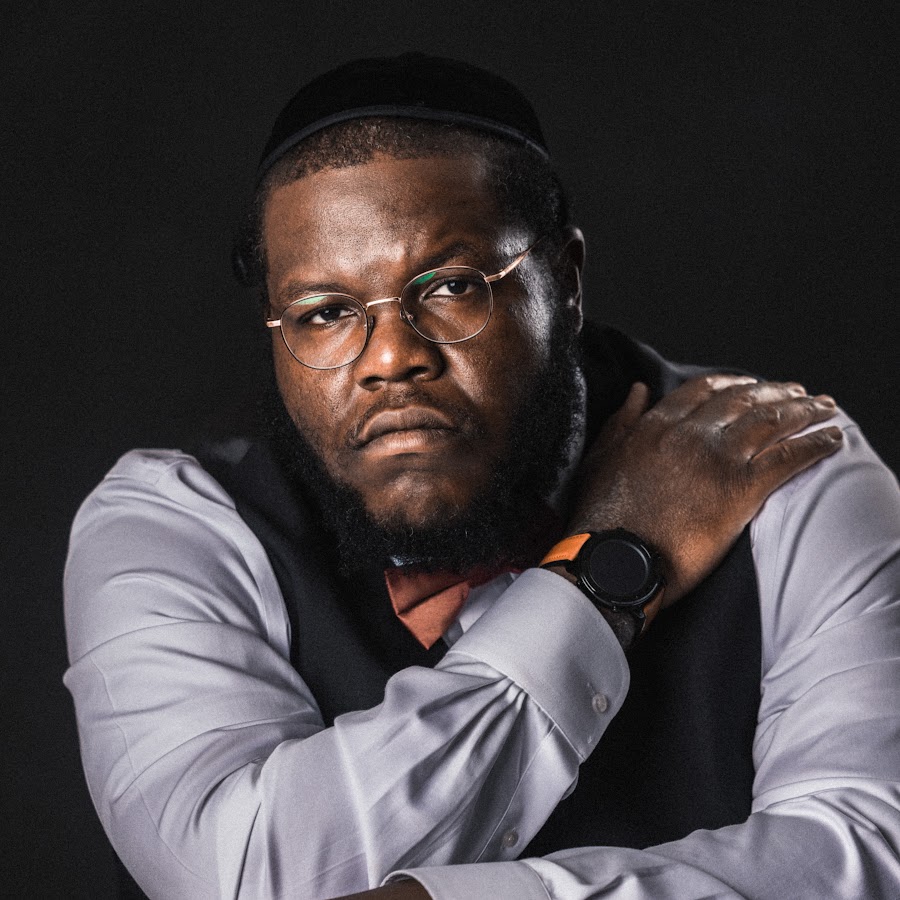
Yavilah McCoy is Founder, CEO, and Executive Director of Dimensions Inc Consulting, she was the founder of Ayeka, a nonprofit organization providing educational resources for Jewish Diversity and advocacy for Jews of Color in the United States. She is also a teacher, writer, and editor. Yavilah, thank you for joining me today, and welcome to The Deal!
Featuring:
Nissim Black
Categories:
Music
Comments(0)
Transcript
Auto-generated transcript. Not time-synced to the video.
[Music]
all right so javila mccoy really really
happy to have you on the show nice to
finally meet you in person i was
watching some shirum on youtube you know
i had to get myself well acquainted even
though you know a couple of your family
members i know pretty well
so um i have to like come out of the
gate and and ask you um the question so
like me
you're black you're jewish
but unlike me you were raised this way
he was raised in brooklyn he was raised
orthodox jewish home the whole nine your
parents are pioneers even for you know
people like me
um and you went to a jewish school day
schools whatever and you also went to
school in israel you also had to have
the opportunity to be there in new york
and also in israel so how was it like
growing up in that type of environment
um i kind of have an idea seeing my own
children but i wanna i wanna know from
your perspective how it was especially
as a person of color
yeah um
it was it was training i guess that's
the best way i could say it the way i
look back on those i did those days
it was training and what i was going to
be and become
in the early days i think what was most
important was that i came from a home
where my parents were very
invested
in both my judaism and in me growing up
feeling strong and proud of myself
so
you know
in my early days my father would go over
the parsha with us
my mother was very invested in my
homework you know the very first pursuit
that i ever learned in first grade i
still remember because my mother sat up
with me the first evening when i was
learning my very first umash basu
hebrew to hebrew we had the translator
from ivory to be reached and she sat
with me until i knew it by heart and
here i am almost 50 years old i still
know
but
in
like those words came into me because of
the investment my parents had in our
education but also in our judaism and so
that was the beginning that was the sun
that was the sun that i came up in going
into those schools that's a whole nother
thing the biggest things i think that
are are super important to notice that i
look back on now and try to teach people
differently about is the total lack of
expectation for my existence that coming
into those spaces and folks teachers
principals having no expectation that a
little um brown girl
could come in and be fully invested and
ready and excited and enthusiastic about
judaism in the way that i was everything
was a question and a curiosity and that
changed the trajectory of my jewish
education because of that lack of
expectation when i came into school and
i knew the parshat people would go wow
or when i would my father speaks hebrew
fluently and so when i would be able to
speak hebrew people would be like wow
where are you from
all of that which from their perspective
maybe
may have been innocent um
it lands upon a young child's
consciousness that you always have to
prove yourself you always have to come
into the environment and make room for
your existence make room for you to be
and i think that was hard i think that
was hard
right so you know
you know if i can't but you know talking
to rafi also to rafi like definitely put
me up on like him being in yeshiva your
younger brother um and and and having
that type of experience now i'm looking
at my my own children right going
through and they don't even have half
the knowledge of
i'm sure what your parents were able to
give you because growing up in america
and i think you know i think back in the
70s or so your parents had
made their way to yiddish like
very interesting how
that was a time to where
you really they really had to give you
guys that awareness
um
much more so like my kids have really
grown up in israel they're so far away
from america they have no idea about
american identity and what that is so
we're like you know i it was like
i want to say maybe
my son was maybe
six
almost seven years old my oldest boy
when i realized that he didn't even know
what basketball was you know what i'm
saying like you know what i mean so he
imagined like cultural it was and it
wasn't like uh on purpose thing but just
like it just wasn't a part of his it was
part of my life growing up just not a
part of his life
so
my question is is like you know as
you've grown and i'm sure you have
children now also
um
how does that translate over to them now
knowing what you knew before and then
giving over to your next generation
you know how much do you touch touch on
social issues and feel the importance
and need to give that over
well i think
as parents we're born in the generation
that we're supposed to live right and in
terms of our children they are living in
the generation in which they're supposed
to live i mean you know there's a
concept in torah called uridos hadouros
right means that you know every
generation comes away from the light
right right and i but i don't think
that's necessarily has to be true in the
context of
your
your righteousness like you
noah was righteous for his time
and is mentioned alongside the
patriarchs why because
in his time
just his way of being even though it
wouldn't have measured up possibly to an
avraham it still was essential right
that he did what he did in his time
because it saved the whole world so
there's a for for me when i think about
what i came through
you know early 70s yes because that's
when i was born like early 70s coming
through
there are some things that are still the
same that i can pull wisdom from in
terms of what i lived through and
there's some things that are completely
new for this generation they're living
at different times so
the thing that i think is most important
for my children to know for me like
about my upbringing is that i grew up in
a context of love i was very um blessed
to have grown up under two
african-american parents who loved
themselves like they were not confused
about their blackness being anything
that meant they were less than or
anything that meant that they had to
apologize in fact they were celebrating
who they were and our brownness and i
had you know i had a father who told me
that
essentially avraham and sarah looked
like a bunch of europeans infer and and
long locks along the side because they
would have essentially died of
dehydration living in the middle east
like who can do that right right so you
and your ancestors are essential and
organic to this judaism you're not
coming here apologizing or asking for
people permission right so that love
that came into me really early on that
we are essential and that who we are as
a further expression of what judaism can
be
was bred into me and so
i think the super thing that's most
important for folks who are raising
young folks is to look into young
people's eyes and tell them that they
number one are exactly who hashem
created them to be number two that
hashem is celebrating every day that
they get up and move in the world and
are honest and authentic about that
creation being a gift and then number
three when folks try to run lies at you
that have nothing to do with what
judaism has taught historically or
presently about the essence of what a
human being can be in this world that's
exactly what it is it's a lie right
right
this is for you that's not for you when
you see somebody acting foolish stay
away from them people and when you see
people who can open up and welcome you
and be a part of your torah welcome them
with a full heart and open arms right
i teach my kids to stay away from
foolish people i'm honest like i just
i don't need it i don't want it i need
to do my kids right no i listen that you
know you're who you hang around that's
that's what my parents used to tell me
so i that's interesting and here's
another thing um
which i want to understand to find is if
i know this right that
not only did you have your parents but
initially were a lot of people i don't
know if it was a movement uh something
like that but you didn't grow but only
your parents being the only people of
color there was more families around
um at the time that you grew up right
maybe not as president anymore i know
there was a lot and there's not a lot of
families around um
maybe as much
but i grew up going to a pretty much um
a school in which the majority of the
mignon were men of color and families of
color
it was um it was run by you know a man
named david patan who is um now passed
on
he died this year um
his memory before blessing but um
yeah we we came up in a space where
there were multiple families my house on
shabbat and yum toe was filled with
other jews of color i was not isolated
and i was isolated in my school right in
the in the shiva i went to it was just
me and my sister but in the world that i
inhabited i did not see my experience to
be um othered i saw my experience
replicate it across lots of different
faces and lack of lots of different ways
of being and a lot of joy and
celebration people enjoy coming to my
mother's house she my mother was a
prolific
cook
her challah and like her soup and you
know she brought every ounce of
southern culinary deliciousness into a
kosher kitchen
literally i'm like uh super jealous i
mean watch your mother's
your mother's uh shamash and heaven
aliyah i i unfortunately heard about
last year last year i think it was
already
um so i didn't get the opportunity to
have any of this you know uh that you're
telling me about
but uh you know i really didn't even
come to my house i didn't forget
to figure it out
all right we have to stop through when i
when i get to boston you know so here's
here's my but
how important was that for you like um
my kids are sort of growing up in a
similar situation that's why i had to
make sure that your brother-in-law's
sister uh moved close to us you know and
you know ezekiel and joelle and a lot of
other people here my brother and
sister-in-law my wife's sister is
married to my best friend since
kindergarten also both you know
obviously jews of color my wife's from
louisiana originally so
we do feel like it's important to
um
for our kids to not feel alone you know
what i mean and that's one of the
biggest things like very similar to you
when they go to school they are pretty
much isolated you know they may have a
cousin there they may have themselves
but
ultimately you know and i don't think
that they're doing a horrible job here i
think whatever has happened and i i may
have to give a lot of credit to you and
your family and what your mother and
your father did also too because um i
don't think it's the same as probably
you know years back because some doors
may have been broken down by you guys um
but i think
that it's been something very very
important do you feel like that had an
influence on you growing up feeling like
you know what i mean i'm not alone i may
be alone you know i'm singing and kid to
gimmel but i'm not alone you know what i
mean right right
um i think that it is important for us
to collect and build community but i'm
going to tell you something very honest
when i was younger my father wasn't very
interested in
me marrying um someone who was a convert
and i think about that a lot lately i
did in the end marry somebody who was a
aguer but he he said that the the rambam
taught that we cannot create a community
of congress right the reason why we
can't create a community of converts a
jewish community of converts is because
we have to remain at the essence at the
center of what judaism becomes for the
am to remain the um right for us to
remain a part of the um so there's some
both and that i in my own generation now
remember this is a convert saying that
he wants his children to marry
um
into folks who were essentially from
from birth
as a person who was born into this space
as a black woman who was unapologetic
about my blackness i found that it was
harder for me to connect essentially
with someone
from the physicality of what whiteness
has offered in the u.s
it was harder for me coming from the
strong solid background that i came from
to be able to not have it be an
inhibition and a barrier between me and
someone i married to be able to be in a
cross-racial cross-cultural partnership
where there wasn't full understanding
and appreciation of where i come from
got it now i i in the end was willing
you know when when it came time for you
to scream we dated you know i dated
across um cross-culturally
cross-racially but the man that
eventually became um maisie voog was a
person whose spirituality matched mine
to such a depth that i think also was a
part of a sharing of physicality and a
history and a tradition that allowed us
to really understand what our trajectory
forward could hold right so
there's a both end parents they may have
one approach to say okay we have to keep
them all around other young jews of
color we have to create a community of
dudes of color and i think it's that
plus being completely humble that
there's what color has taught us in our
family line and tradition and the
context of racism still being alive and
well and then there's the spirituality
of what our color has taught us
which is where i'm at now i want a
spiritual community for my children
where they are discerning about their
judaism and can be in the company of
other people who don't allow race to be
a practical
there are there aren't that many white
folks that i meet who have spent a whole
lot of time deconstructing the impact of
race upon judaism
i don't meet a lot of white people who
have done that to the depths and breath
to which i could have started a family
right right my father probably would
have encouraged me in the direction wow
wow interesting so let's talk about
ayesha all right you you started ifa in
2001 right yeah so what inspired you
what motivated you uh to do this your
professional career to serve the jewish
people and specifically the jews of
color like was it because of the
upbringing or was there a moment or
something like that that happened that
made you like i got to do this
it really was my mother um my mother was
a very loving person and she um
would always like give love especially
to the young people who were coming
through with us
in our home she you know to everyone she
was auntie dina and that was the people
who
who were by blood are cousins and even
folks who were not and to the young jews
of color that i came up with who needed
a lot of
and a lot of strength
she was there for them and also when
folks encountered challenges usually for
jews of color the the challenge around
identity comes up around adolescence
right and when people become teens and
are trying to find their identity on
experiencing themselves as othered in so
many different environments it's a very
specific moment for when um folks can go
off to their and like and and i don't
even really believe in that phrase i'm
just gonna tell you personally but
okay i i want to hear about people act
they can react to the experiences that
com that are surrounding them when a
young person does not feel integrated
within their community i don't think
that's most succinctly the problem of
that young person it's also the problem
of the community absolutely and when the
community then shames and blames that
young person and makes them feel like
their ostracization is only their
problem we have a problem right
so right so that's where i feel and so
my mother would re would like try to
reach for jews of color and hold on to
them but many of the young people that i
grew up with did not stay in mainstream
judaism they left because it became too
hard right to feel like you had no
community among black people who were
non-jews and you also had no community
among
jews right and to really feel that sense
of integration took a lot of work and so
my mother never let go of any of those
young people you know she was her own
little key roof machine and she would
call them and she would check in and she
would say how are you doing and um she
would always say to me yavi we've got to
find those kids you've got there has to
be some space where those folks can find
home and even though our home was as
best she could a place where people
could come after a while you know if
you're not doing the things other people
are doing you feel sometimes embarrassed
right you feel like you don't have a
place and you know this is next-gen joc
stuff this is not like you know in the
first generation we believe everything
is possible but when you've come through
it over multiple generations you see
what triage looks like in our community
right and the triage is real and so when
i first did ayaka where are you it was
because my mother really wanted me to
create some space online where folks who
you know were spread out now and you
know doing their own thing they could
find their way back to us and that's
what inspired me to do that work
initially right i i agree with you so
much i mean i i remember hearing so many
different stories i guess at least about
and and you said something you don't
like the the frame off to there i really
want to under give it get a better
understanding of what it is okay so
now that off the derrick in terms of off
off of the way and i do think it has a
very negative connotation
where the community like you said have
not taken enough responsibility to say
that did we give a space
for these guys to find their own path
within judaism i see it as a creative
a lot of talented
young people you know of all different
colors but always ending up in these
you know
yeshivas of the of the rejects which i
think have really big shamans a lot of
talent and and
and amazing personalities and and i've
seen some of these kites come out of
their system and they are superstars
right
but they didn't fit the derek right they
didn't fit the path right which is
ultimately i would say that a lot of
what we see today the system as as we as
we know it i i'm saying at least in the
more
from places which is which is probably
the best that we can do with what we
know right i'm saying maybe
however
it wasn't designed for everybody and and
and and
years before
people worked the trade not everybody
was sitting in kohlel and for sure
everybody's wife wasn't going out to go
work for them you know what i'm saying
like i'm not saying that there wasn't
some golem and great people but not
everybody's referring to
not everybody you know what i'm saying
not everybody can pursue that path so
when you
what's your
problem with the term i would like to
say like what is what bothers you about
that term
well mostly it's because
um and again i learned most of my torah
comes from home and
a mixture of what i learned in the
system as a yeshiva and seminary person
and what i learned at home and my father
was a deep talmud of rambam and rambam
taught that we are that torah is a
golden mean that it's the middle path
is not the the best of it's not either
on one extreme or another it's a middle
path that a human being finds that
allows them to bring the best of
themselves to their service of god and i
find that a lot of times when you're
talking about folks that are on the
margins it's because the path itself has
become too narrow that we create paths
that aren't wide enough for all of us to
move through
and you know
i think it was last month or so when we
were talking about the arie micla in
relationship to the parsha it astounded
me to find out no it was over the summer
and it it astounded me that every single
road in
yerushalayim every single road in eretz
israel had to be built wide enough so
that if someone had to go down that road
to find right a city
it was clear it was clearly marked
what does that mean about roads and
paths right this is somebody who might
be ostracized for murder and we made
space enough on every road for that
person to travel and find refuge wow how
much more so in the context of who we
are every single day just trying to find
our way through torah and it's full
there has to be space for people and i
find that we do not take accountability
for noticing when our roads have become
too narrow for all of us to travel with
us and that's why i don't believe in
that term because i've met too many like
you say beautiful nisha mo beautiful
human beings that with the right
love with the right smile with the right
twinkle in somebody's eye with the right
welcoming they could be
amazing and they are amazing but they
could be amazing in community and we
don't do our work to make that possible
so i look for the human in every
interaction right it's amazing
so tell me this you focus a lot on the
um say the word is
intersectionality right within
jewish uh with race and gender and so
forth so why do you
why do you believe that focusing on
these things like the identities and
different things like that um why do you
think they intersect why do you think
the intersect is so crucial for opening
up the dialogue like today
while
intersectionality at least in orthodox
spaces
sometimes not so orthodox basis too has
gotten a bad rep because it's a way in
which folks at least in regard to issues
of like equality and justice are calling
people out right so there's two ways to
be able to justice you can call people
in which essentially is like um it's
it's like tohaka essentially you can
give somebody tokaka quietly in their
ear right or you can give somebody to
if necessary in a public space but the
intention behind it has to be correct
correct in order for you to be right in
the right lane with this work
so the reason why i say
intersectionality is so important is
because if we don't understand that
there are multiple things happening at
once often in one person's identity that
are creating the conditions in which
they present in the world we often only
have half the story
right so
my journey is about you know the amount
of melanin in my skin possibly to some
but it's also about my gender right
and it's also about my class
and it's also about my entry point to um
jewish identity in terms of um elitism
right the the elitism that the
hierarchies of value that we create
across denominations across um torah
knowledge right so all of those
different things intersect in one
person's identity to the great
conditions in which they present to the
world right and so you know if someone
just says oh we're all jews you know
that's all like you know sing honey
mommy we're all jews so if people want
to do that that's great
and if i'm singing anima and a group of
girls who are inching slowly to the
right and don't want to link hands with
me specifically because they think my
black skin is going to rub off on them
which has happened to me
okay
so when this happens then it's we're all
jews is not enough right you have to
start breaking the dimensions which is
why my organization is called dimensions
you have to start looking into the
dimensions of what jewish holds and
still make the commitment that we are
one community so intersectionality
allows us to go a little deeper beneath
the surface and look at all the ways in
which we have the capacity to um welcome
each other or exclude each other on
various dimensions of who we are
interesting so i want to get to
i want to get to anti-semitism before i
get there because you just said
something that sparks me and it's
something that you know all jews of
color have
absolutely have to deal with
um is uh and more so in
for sure the last
year or two with everything that's been
going on uh
in america socially
i
view these things really as separate
things dealing with prejudices and
racism in in the community
in the jewish community and outside the
community advocate had completely
different experiences
um
part of the reason is i think
and you know i've gone on record for
sure saying that i don't speak for every
person of color
i grew up in seattle seattle is
everything it does have a hood it has
all this other thing one thing that it
doesn't have a lot of is blatant racism
don't deal with that back east and
definitely down south my wife has
probably experienced more coming from
louisiana than what i have but i don't
know from that you know i know of the
systemic racism of what everybody else
had to deal with in terms of like you
know
you know which i've gone on a record
obviously saying
being number one in sports performing
arts my school we literally had the
number one basketball team in the
country we were high ranked in football
we were and brand new uniforms brand new
stadium everything brand new basketball
court every year we had we we it was
like amazing but we were last in test
scores and we didn't have books inside
this school so somewhere the budgeting i
don't know who was doing the budgeting
but they they missed out you understand
but in terms of like actually feeling
like somebody made me feel different
about my color i didn't experience that
um and i and and to be honest i haven't
experienced it much in judaism i think a
lot of it is because a lot of people
know me i'm very much so out there i've
been a public figure but my kids have
you know my wife has and other people
that i know have
um
so my question is do you look at these
and try to address these from two
different angles or do you view it as
it's all coming from the same place
well you know i'm a professional in this
field now so you know in terms of my
work well that's what i'm asking you i'm
natural i
know from the perspective of my partner
right and my expertise
i'm speaking about racism on two levels
for sure one is just on the personal
level yes how interpersonally our
assumptions and our ideas and our biases
show up in terms of how we treat each
other that's one thing right but then
there's systems and when we talk about
systems this is how when groups come
together and create opportunities for
folks to join or be excluded from groups
then racism has a different um spin
in institutions right when you have the
ability to admit someone or not admit
someone when your institution has been
set up to provide a service that has a
different spin all of these things have
to do with the way in which maybe i feel
really great about myself right and i've
never had anybody try to make me feel
less than and when i walk into an
environment where people have power
more power than i do
i experience myself as less than because
of discrimination in that regard and
it's super important for folks not to
separate the two um i mean not to con
conflate the two and act as if they're
the same thing you know my neighbors say
oh you're so great and if we're the only
you know people of color on my block in
boston because the zoning laws create
barriers to class and to bank loans and
to all sorts of different things then
racism is not just a matter of whether
you like me racism is about how in
systems people of color are being
discriminated against
so we as a jewish community have issues
and challenges to navigate around both
of those things
yes i want my children to be liked and
yes i want yeshivo to be thinking about
what part of their policies systems
practices ways of being are exclusionary
to people who are not ashkenazi and
white
and if they have not done any thinking
about it they are probably more um
[Music]
open to like it's a you know they're
they're they're more uh
what did they call the word um
susceptible they're more susceptible to
practicing racism as a norm because the
assumption the meta assumption is when
they say we and when they say service
they're talking about a very particular
kind of jewish person and i've multiple
times i've walked into spaces you know
my kids are now grown my oldest daughter
now is you know out of college and
but from the time that like they had to
enter into different institutional
systems they people i'll sit across from
administrator that says oh we have no
race problem here i thought really have
you ever asked
[Laughter]
so how do you know
that's when how do you actually know if
you've never asked have you ever talked
to the people who walked in and walked
right back right back out of the door do
you have data do you have research have
you looked at your policies and asked
the question who is welcomed by these
policies and who is left out this is the
work of racism too
right right right
we spend too much time talking about
whether we like each other
quite frankly i'm old enough where i
quite i don't care whether you like me
i don't i have plenty of friends i have
a really good warm community if you
don't like me we don't have to like
everybody right right right and we don't
want to practice
with each other right and we don't want
to be in a situation where even if you
can't love me
you don't feel motivated that you should
love me because that's what the torah
has asked of you so if you're in your
process and you're doing your work and
you're not quite there yet like i said
great
you keep doing your work i'll catch you
when you're ready in the meantime i'm
loving on myself and i'm loving on my
own family so there's a way in which we
have to like balance like loving each
other not loving each other that's going
to be a human problem we're constantly
going to be in that
systems and institutions that's a whole
different thing if my kid can't get into
a school simply because he looks like
this that's not a whether you like me
problem that's your system has a problem
right if i can't walk into a grocery
store and get what i need on the shop
this afternoon because you're serving
everybody else and i you assume i'm the
person who doesn't need what i actually
need
we've got a system organizational
problem so
we have to start paying attention to
both sides of what impact is around
racism you don't want to run a store
where it's discriminating against people
you don't want to run a school where
it's discriminated against people we
don't want to run yeshiva with their
discrimination against people so that's
an institutional job we have to do to
clean up um what our entry point is to
that work
and that's what i do as an expert
amazing
make it lights go off lights go off
uh or on so
the
next question is the anti-semitism
question obviously you're gonna have to
deal with your
you have a perspective being a jewel
color that other people are not gonna
have now when it comes to anti-semitism
which is like growing rapidly on college
campuses right
um
how does it
i mean how how do you deal with that
also too from your perspective because
just like you may get overlooked at the
bakery you know i was i remember one
time i was um giving service to somebody
i was working in property management
years ago um and i was helping them i
had to keep on and everything but
everybody you know black guy would keep
on i think back then i was wearing
another keep this several years ago so
he thought i was a muslim
which is very interesting because most
of the time i get into a taxi even with
a palestinian dressed like a hostage
they still think i'm muslim anyway um
so i'm talking to this guy and you know
he's let me know and i'm hearing and i'm
dealing with people that are coming from
lower income or whatever and he had a
problem with some last landlord and and
the guy that kicked him out had a lawyer
involved and lawyer was jewish and then
he starts badmouthing jews right in
front of me
and i'm like
hey you know
brother you know you know i said picked
up my yamaha like hold on you know and
then we had had to have a kumbaya and
had to talk you know um but it's one of
those things where
you may also get overlooked in other
circles because you know i had a person
come up to me who said that he's hurt
things he he looks he looks ashkenazi
but his father's black you know people
know i don't know if he's like half
albino or whatever so he's going to hear
things
when he's around people
and and and nobody would ever expect
because they didn't know that about him
when you're around other people of color
and and you blend in in other circles
and people start speaking bad about jews
and you have to also like i want to know
how you how you deal with that and how
you combat that
yeah i think um
anti-semitism is literally uh of the
generation right of the jewish people
our practices our cultures our customs
and it's also systemic just like i was
talking to you about racism having a
displacement systems anti-semitism has
had its place in systems too i mean
there was a time in russia where there
were 600 different laws on the books
discriminating against jews right easy
right right just like we have multiple
laws that are still on the books in the
united states that uphold um racism
you know that are that are built upon
segregation and assumptions of white
supremacy that's still on our books here
in the united states too so when i talk
about anti-semitism and i encounter
anti-semitism with um people of color
who are especially you know black folks
like me who might get comfortable as i
guess
who might get comfortable and something
might pop out of their mouth i see it
just as much as i see with white jews as
a moment of education if we're in
relationship
right meaning if there's a relationship
to be preserved here then what i'm
saying to them is not to like
cast and open them away and dispose of
them as an anti-semite is to make them
aware of where they might be practicing
anti-anti-semitic behavior or where they
might have assumptions that are based in
something
called anti-semitism that they want to
give up
so has that happened to me absolutely
you know when i you know when i go down
south my family's from down south i was
in the park with my kids one time in
north carolina and you know the woman
sitting next to me on the bench was
we're talking and having a good
conversation then she's like oh like why
do your kids have you know those hats on
and i said um oh she said like you are
you all muslim and i was like nope we're
not muslim we're jewish and she's like
y'all jewish
because it was just like going through
her head
slow
blind all the things she's ever heard
about jews right and so then she like
sits there for a second and then she's
like
yeah but doesn't that bother you that
your children are gonna be going to hell
just with a straight face
and i just like i had to look at her and
i was just like
is that the first thing you want to say
to me and i mean we just met each other
here on the bench and everything like
when you first meet somebody the first
thing that pops out of your mouth to
them
go you know you're going to hell right
like that does that even like just like
i was just like talking there i was like
you need to like hold that for a second
like
and then she had she started laughing
right because she wasn't trying to hate
on me right she was trying to process
through all the things she's heard in
her and it just it was a moment of
cognitive dissonance and
out popped out of her mouth wait a
minute but what about that hell
thing you know you're going to hell
so after a minute then she because she
she could like she could see i wasn't
letting go of her that we were still
going to be able to have a conversation
then we talked about it and then talking
about it she was just like
yeah i guess yeah i guess that doesn't
make sense and okay and like you know
and our kids are playing together you
know right right right right it's still
cool cool but the problem here became um
misinformation that got laid in
pr primarily i would say from a
christianity context right in black
communities about what jews are and
right when i left that encounter i
wasn't just like you know i wasn't just
happy that i had a chance to stay in
connection with another black person and
give her a lot of good information that
she could now use i also was concerned
about how much misinformation people get
from being separated
from
jews in communities in the us we do not
live together we live in the same
communities and end up living separate
lives right and so that's where
misinformation gets laid in and just the
same way that i'm doing that with a
black woman who has heard some things
about you know jews having horns and
jews going to hell and all this other
stuff that makes no sense in my body
that she's meeting right right
the same thing is true of
um white ashkenazim who make the same
assumptions about people of color and
i've had to like sit with them too and
say do you really want to sit here and
have a conversation with me where you're
using the term schwarzer right is that
is that something that makes sense to
you given what pops up in your mind when
you say sparta and all of that
negativity and you're sitting right over
here looking at me right you're supposed
to be having kiddush and shabbat right
right right right how does all of that
go together
nah it's real it's definitely it's a
real thing it's a real thing so
anti-semitism is real and i i fight
anti-semitism in systems so the way in
which anti-semitism shows up in
elections the way in which anti-semitism
shows up in communities where folks have
been segregated as a result they was a
jew like baltimore a lot of people don't
know this baltimore's big shiva town but
baltimore jews were told where they
could live right and as a result of
being told where they can live the
entire derivation of baltimore as a city
came up under racism but also
anti-semitism because jews couldn't live
on the white side a town they had to
live in the jewish part the jewish
ghetto that was created in baltimore so
that's anti-semitism the fact that
there's a jewish hospital in every town
almost every city you can go to in the
u.s why is there a jewish hospital
because the medical system in our
country wouldn't give
white jews who graduated from our
university systems jobs to the point
where they had to create whole hospitals
right to resist anti-semitism in our
medical institutions that's baked into
who we are in the u.s right that's
anti-semitism if you ask me and there's
folks who are holding anti-semitic views
because of what they've been taught in
their families and the way we've lived
with each other here in the u.s and
that's the kind of anti-semitism that
caused somebody to pick up a gun and
drive miles away to a pittsburgh
synagogue and shoot up people because
they feel like jews are the reason why
you know this country is going down
right jews are the reason why we have
immigrants here
all of that is anti-semitism to me
that's the most dangerous form of
anti-semitism the anti-semitism that
i've i've encountered with black people
for me mostly has been a point of
education it's been an education piece
okay so i know i want to get you out of
here soon but i'm enjoying myself a
little bit too much so i have to ask you
like one or two more questions
um
i didn't know i was gonna enjoy so much
i'm like i'm just sitting up here i feel
like i'm in class anyway so
growing up
there were obviously some people that
influence you apart from your parents
i'm assuming i'm not saying maybe there
maybe there wasn't but like when they're
role models of people that had a huge
impact on you they had some type of
hushpah even maybe from the yeshiva
system maybe there was a teacher who did
show love or maybe there was some you
know was there people that really had an
impact on you that you can look back and
say like you know this was a
life-changing experience and it's helped
me throughout my career
absolutely um when i was in seminary i
went to seminary in hanov and i got to
be reunited with my pre-1a teacher more
ovivia langston
and um
more ovia langsam taught us in pre-one a
but she had a very specific practice in
circle
where
she would go around the circle and she
would say rock panina
and what she was saying when we got
around the circle is that at this point
only this child is going to get to speak
and say whatever
they needed to say in relationship to
the parsha so rather than just call on
kids to start it off with that rock
practice right only you
it was it was loving on us and giving us
a chance to shine and everybody knew
they were going to get a chance so it
wasn't like a hierarchy thing um and so
i just thrived for the time when she
would say rocky villa and i would get to
like a forth about whatever my parents
had been telling me whatever so um but
the the other thing was that i grew up
in the 70s so rock also was resonating
for me i remember as a young kid with
like rock steady right
the kids around the block we would have
this rocksteady thing where they would
go rock rock rock rock steady and then
one person would get to do their thing
right and a group of girls
so the confluence of those things of me
being able to rock and also me being
rock only uh in hebrew was a beautiful
thing that i experienced with moravia
and maura ovia also had so much love in
her that she was the first person to
teach me hebrew like i learned hebrew
under her tutelage i was you know she
made me she didn't make me queen esther
even though i wanted to be queen esther
in the play i did get to be king of
coach veros though she made me feel
really excited about being king of cajun
i remember them those words to that play
too
so
maura olivia langston showed me love
when i was very young and that was my
first entry the very first year coming
into yeshiva and it created a
foundational space where the acceptance
that i had at home
could also be experienced in the jewish
institutional space and not all my
siblings had a similar experience that
was crucial i feel like to my entry the
other teacher later on going up into
like eighth grade kind of like heading
into high school was rabbi label newman
and rabbi label newman would come in
once a week to teach the girls he was
the principal the hebrew principal the
the mashbia and he would come in once a
week right after davening you know i
still can hear the sounds of all the
cheers
when when an elder walks in the room you
have to stand up no matter what you're
doing so we would be shuffling around
whatever and all of a sudden that he hit
that door and
everybody stands up yes
so we stood up for rabbit label newman
but and he and we had such a deep
respect for him as an educator
but what happened is as he taught us
the kavod what he would do is he would
come close to the edge of your desk and
if he felt like what you were saying he
would lean down he would look you in the
eye and he would go
excellent
and i still remember what it was like to
have rav label newman come by in the
middle of a torah share stand by the
edge of my desk after i had said
something and lean over and go excellent
wow because what it did i remember
inside of me it made me feel like like
i'm here right like this is my place
like learning torah is something that's
like that where i get to be excellent
right and so those two i think those two
teachers were foundational and deeply
made a deep impression on me that even
when i was in spaces where folks would
like you know not like my kids
teacher wouldn't call on them where they
would you know be
assumed that they didn't know the answer
there was all sorts of ways like i said
this lack of expectation for excellence
in yeshiva with young children of color
becomes a problem and a challenge the
ones who didn't do that and the ones who
showed me something different gave me
hope that there could be something else
that's amazing so that's why i remain
connected even to my torah now because
of those people amazing
so my last but not least question
is if you could go back and you could
talk to a younger villa
what advice would you give your younger
self
[Music]
i know it's a tough one i've been asked
it before and also stopped for a second
but what did you get to think about it
i'm thinking about it i mean mostly what
i would tell her is um stop worrying so
much about what other people think
and spend more time just enjoying what
you have
i think when we're younger we always are
looking toward the next day tomorrow is
going to be better or
something else is going to happen and
it's going to change
what you see right now but there was a
lot of beauty around me that i can see
now as an older person that maybe i may
have stepped over quickly when i was
young like if i could just hold on to
how rich and unique
the experience of being in a sukkah with
my parents and multiple you know
families and generations of jews of
color and the singing you know like
there are so many different things
so many different things that left a an
imprint on my soul if i could have just
spent more time living in that and being
in that and just noticing how special
and unique it was like if i could travel
back in time i would sit with uvila and
just enjoy that wow
wow
beautiful answer beautiful answer
appreciate you being on the show
and uh i'm like excited to talk to you
again hopefully next time it's in
and uh in person in boston over a few of
your mother's recipes
may have been so
okay
but i really appreciate you coming on
and uh it was power power power i really
appreciate it to the max thank you thank
you all right take care of me bye-bye
you too wow wow wow ladies and gentlemen
i am like stunned that was an amazing
conversation with uvila mccoy
and i learned a lot but not only did i
learn to learn a lot
she actually affirmed some things it was
beautiful to have that conversation i
think still on the deal i really haven't
had apart from i think you know marc
stuttermeyer another jew of color um but
you know just the amount of knowledge
that she was able to give and bring
forth and the fact that she's still
seasoned she was born jewish she grew up
and i and like you know being a jew
color i heard about her family for many
years
um so it was just an amazing opportunity
for me um to hear her perspective and
i'm like really floored i really didn't
expect for the conversation to be just
like
wow like that and it was um she's a
powerhouse
um i think that
i have a lot to learn from her i feel
like the overall community can learn a
lot from the things that she's saying
and um you know i'm just stunned by that
conversation so
as i always do i love to leave you guys
with the song and i think my song for
this week is my brand new song change um
i think that it's a very very
uh appropriate song for for not only the
conversation but just for the time ready
to change a song about growth and going
through hardships and really looking
towards god and being able to say like
you know i'm going to take this leap
there's a lot of people have to do even
of of color or whatever background that
they came in coming into judaism of
being like i have to trust you my heart
is leading me in this direction god but
i'm not used to trusting you but now i'm
gonna give it over to you and i'm ready
to change and and i just don't want you
to leave me so that's the word to this
song and so until next time dealers
only go from strength to strength and be
strengthened
peace out running so blinding nearly
tripped all over you yeah yeah i only
stumble i got humbled
light on me and let me