Transcript
Auto-generated transcript. Not time-synced to the video.
thanks for joining
us buckline Network radio America's
longest running Jewish broadcast network
the voice of the Jewish
Community welcome to the
podcast you are now tuned in to this
episode of our podcast today we are
going to interview some of the greatest
and most influential Minds in our field
and now please welcome your host
you're listening to talk line with Zev
brener America's Premier Jewish
broadcast on the air since
1981 and we're back it's always great to
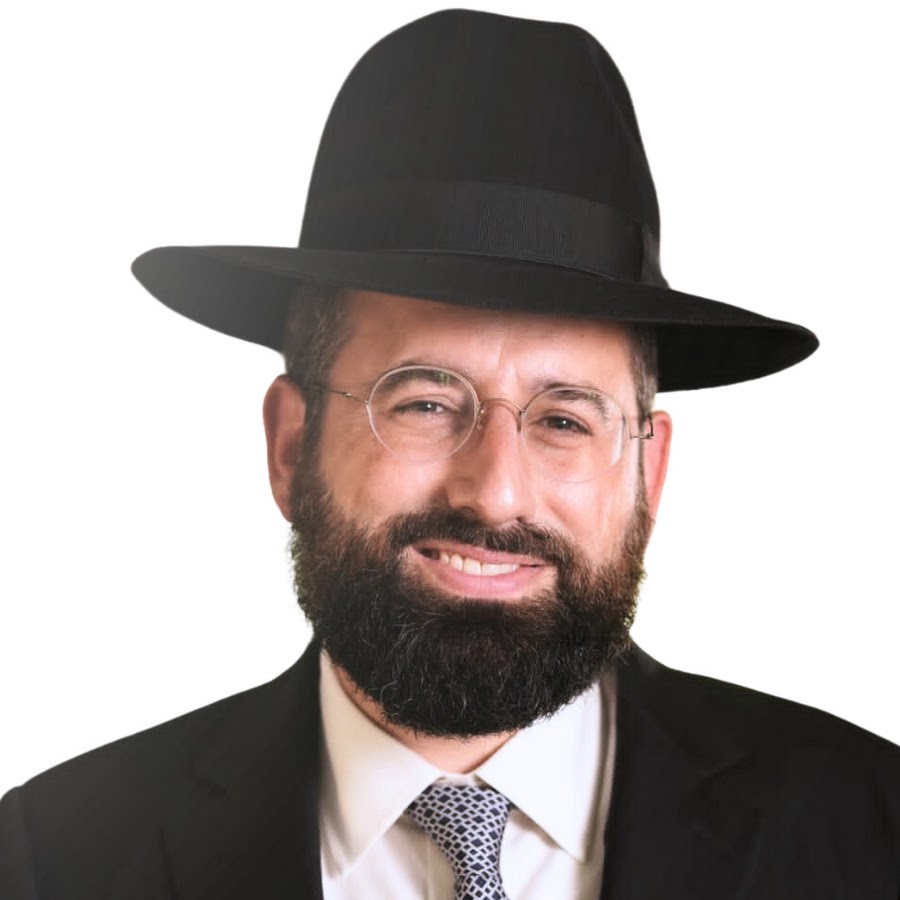
have Rabbi Daniel J gladon with us he is
a Rob and founder of M M heran cedur New
York pfic writer popular speaker
respected maget cheer and even though
his book came out last year it's called
the darkness and the dawn V Mur Tish the
forfest and Holocaust Memorial the
anguish of the gas and the glory of
Jewish eternity by Art scroll good to
have you back again
hi so the question that's people are
raising this year in advance of Tish in
light of October 7th what happened at
Sim Torah should there be a k should be
a eulogy that said in sh on Tish to
commemorate the tragedy of October
7th yeah so you know as they
say even though this is a a new issue uh
there's nothing new Under the Sun a very
similar type of issue was raised uh in
the years post Holocaust whether whether
a k should be said to commemorate the
tragedies of the Holocaust so in in the
standard art scr kenas you have the K
written by RIM Schwab you have the K
written by the B ofba it was very
interesting to me that the question was
brought to
Rak and
Rak did not endorse the custom of citing
uh saying any kinos for the Holocaust
and his reason was that in our
generation he says we're not capable of
adding new liturgy in order to compose
Jewish liturgy you have to be of uh
Divine Spirit you have to be someone who
could have rues somebody who knows how
to compose words that can draw on the uh
drawrings of the heavens so to speak and
know how the heavens operate and know
how to utilize certain phrases and and
wording and we're no longer capable of
doing that so for us in our pedestrian
language to compose a in a way is
insulting of the caliber of of the rest
of
the did not uh did not endorse it Rebel
yashiv did endorse it and one of the
rationals being that when it comes to
kenos as opposed to let's say the Sid
we have some precedent that we're we're
authorized to compose a lamentation in
our own expression there's
AER the was written by
ra ra was a student of the AR he's
actually many you don't know he wrote
the that every Jew says when they wake
up in the
morning that was written
by the author and he writes that every
Jew should
compose uh akina in their language so
that the the destruction of the temple
is not just something of past history
but it's something that is personal to
them something that resonates with them
so based on this precedent of the S
Rabel Yash did endorse the uh recitation
of AK kinna for the Holocaust and Rak
still said that only
allows each individual Community to
decide on their own how to commemorate
it but to have a uniform recitation
where all the congregations say the same
K we're not authorized to do something
like that and sort of rebelos said he
agrees you know he's not legislating
that every single Kila should should say
the same K so the same thing with
October 7th there wouldn't be anything
wrong if a particular kahila wanted to
at the end of the kinas express uh some
type of Ken for what happened on October
7th but we don't have the power to
legislate uniformally every single SCH
has to say this
particular um formula or this
legislation you know in other words
every Kila should decide on their own
how best to commemorate it but it's
certainly is appropriate to uh to mourn
for for that tragedy as well because tab
is a day we mourn for all tragedies that
beell the Jewish people since who were
exiled from the land yeah and even that
is also a very interesting topic
because there are some tragedies that
are conspicuously absent from the Ken
for example the kitki Pam of 1648 1649
where Ric in his commentary K he wonders
he says he doesn't know why we don't
commemorate that Kenna
and I uh in in the book The Darkness and
the dawn I believe um in a chapter
intitled is the Corbin the source of all
suffering um I bring a very interesting
approach to answer this question of RAB
of of why we don't commemorate the
onsh based on a chuva fromstein where
RHA Wonders
that why is there no
fast day for the Holocaust why don't we
have a fast day for the Holocaust and ra
says well we do Tish so ra says so why
isn't there
um why don't we mention theki pams so he
says something very interesting there's
actually a day on our calendar that we
commemorate
the now it's not widely observed you're
not going to meet you know and when you
go to sh on a regular Monday or Thursday
you're not going to meet a guy he looks
very hungry hey why are you fasting well
you know
today's we're Comm but it is brought in
the commentaries on the so it's
interesting the Holocaust is
commemorated on Tish and the has its own
day and yet the we don't mention on T
and the Holocaust we do so said as
follows any tragedy that is direct
result of the destruction of the temple
we commemorate on Tish because Tish was
inflicted by the Babylonian Empire the
Roman Empire and anytime the prevailing
reigning government afflicts the Jewish
people that should be commemorated on
the was not inflicted by the uh reigning
government it was inflicted by rebels
against the government therefore ra says
it's not directly connected to Tish
because it wasn't theis BRS was an
uprising it was a rebellion against the
government in the UK ukine therefore
it's not connected to Tish so this this
guideline seems to say that the tragedy
has to be
inflicted by the reigning
power which you could make the case that
October 7th which was uh inflicted by
what we call goosal the Exile of isma
which is a power in the world today that
would be uh re to Tish and and perhaps
according TOA should be then uh
specifically
commemorated what about the burning of
the books of the of the goras of the
talmud don't we commemorate that on Tish
as well we do commemorate that so the
the pal was born was burnt in the year
1240 and they have there was a separate
fast day the Friday shus that was a
Friday was designated for many years
think people face that
today so so according to that you would
have to say that uh that tragedy was
also was also direct a direct result of
the destruction of the temple and
inflicted by the reigning government in
other words the powers that controlled
the the countries we lived in they were
the ones who perpetrated that crime that
wasn't committed by Rebellion against
the government but that was committed by
the government itself
you see we make exceptions but here
here's the interesting
thing is that we always try to tie in
even the Hol we try to tie it into tisue
we say well the cause of the Holocaust
was World War I which fell out on Tish
so therefore the Holocaust also
connected to Tish so we try to find a
connection to Tish for a lot of the
tragedies we talk about October 7th
maybe we can tie it into Tisha but I
think it's more tied into tmin ataras
simplest so you wouldn't believe it but
there's
actually a chapter in this book and
again this book was written well before
October
7th the mystical connection between
and wow and I want to share with you
just briefly we have two nine day
periods of the year we have the nine
days cominging with TSH and we have the
nine days of Happiness culminating
with they're sort of parallel
on the one hand if you were to ask you
know we have on sukus we have special
guests associated with each day of sukus
who's the guest associated with there's
an idea
that we read the about it's because the
first guests are Abraham yob MOS Ys and
David so the Eighth Day and the ninth
day is
schi Tish of course is um yavi Yia was
born on Tish y cursed the day of his
birth so we have SCH and we have y but
cabalistic Yia was The Reincarnation of
SCH it's a well known that yvi was the
gilgal of SCH so schlomo represents the
day in its happiness and Y the day in
its sadness so they're like Polar
Opposites but this is really uncanny for
those listening you know we have a tune
we use for a a haunting tune a
many may remember there's one other time
a year we use this tune and it's on the
happiest day of the year I'm per you're
gonna
[Music]
say right right the H it's the Pinnacle
of joy and if you listen carefully to
the melody it's The Melody of what's
going on there's only one slight
difference ends on a sad note
um so it
is it starts with that tune but because
it ends on a crescendo it ends on a high
note it's completely transformed so you
know there's an idea when mhia comes M
will still be one of the 24 books but
how are we going to Lan it so we we're
going to borrow
the uh upward end and it's
g i like the and even though perm
also we we read the Milla we do read a
we do throw in a
few yeah absolutely yeah we're speaking
of Rabbi Daniel J gladin he's a prolific
writer he is Rabbi the RV of of the
congregation M mag heran cedur New York
and his book came out a while ago it's
called The Darkness the dawn dealing
with Tish and the fast days fascinating
what you said about the fact that
there's a connection
between Tor and of course uh the nine
days and and Tish just a fascinating
combination in your book you write about
the Holocaust and you write about
General Dwight eisenh how and the
closenberg rby why don't you share that
with her I think that's a fantastic
story yeah that's um you know an account
that you know we're very proud of that
our
grandfather who is a survivor of all the
Dark Places D radam and and aitz by the
way in aitz he saw the Muti from
Jerusalem my grandfather
sawman invite the Muti from Jerusalem to
aitz he saw akman and the Muti holding
each other arm in arm they would March
Jews in front of them and they would
beat them in a way that the Jew would
never be able to procreate and that was
their entertainment so you know people
question did the Arabs have any role in
the Holocaust of course they did so this
is an eyewitness to come my grandfather
in any event after the war my
grandfather's liberated he had studied
English um before the war so he was made
the head of the religious Department Of
The Joint distribution committee and in
that capacity he was given an army
uniform
um a Jeep and he served as Eisenhower's
translator to the kenberg Reba and the
kenberg Reba's translator to Eisenhower
so on that faithful day that Eisenhower
came to the camps on uh yum Kipper
and Eisenhower uh the Clen MBA got up to
speak and he strengthened the people he
encouraged the people he said that if
God saved us we have a mission in this
world to resuscitate to resurrect those
who had survived and Eisenhower was
visibly and moved and shaken to the core
and Eisenhower turns to the kenberg
rabba and he says
Rabbi how could I help you what could I
do for you and kenberg RAB said you know
it's yam Kipper sukus is coming up we
need the the four species we need the
dollar minim and Eisenhower shipped
dollar minim to the camps for the
survivors that arrived at my
grandfather's desk and I have uh
pictures of my
grandfather Distributing these DAL minim
to the survivors after the Holocaust so
amazing story and the Clos M reg
certainly I think was a great figure in
helping to rebuild yish kite and dynamic
individual and you know he shared The
Angst of what people went through the
Hol and still you have to have faith in
God and and also the life of the kba is
very revealing and very telling because
before the war he had a different
attitude toward AR Israel but because of
his experiences he changed his mindset
toward AR Israel and not only did he
become very open to settling the land
and rebuilding yish K in is but um he
engaged some of the the early founders
of the state and he was willing to work
together with them with them to try to
help bring traditional Judaism back back
to the land in fact
um you know this is one of the most um
important insights to me on the Kennis
you know we we say about 45 kenis on
Tish and if you you study the last 10
kenis they're really not kenis at all
they're not kinis is something that
laments tragedy and destruction the last
10 kenas that all begin with the word
c are not lamenting tragedy they're
extoling the virtues and the grandor of
the land of Israel so what are these
doing here why are these kinis how are
these kinnis how how are what are the
last 10 kenos doing and I believe that
these are very important because one of
the most fatal errors that the Jewish
people made that caused tiab is our
apathy toward when the maragam came back
with their bad report we cried and we
showed that we we have a disconnect
between the people and the land and the
way to rectify that is
to stir within ourselves a longing and a
yearning and appreciation for is so the
last 10 kenos are the objective of the
first 35 kenis we first mourn our error
and then the last 10 is rectifying that
how do we Rectify our mistake by
changing our attitude toward by
extolling its virtu by praising it by by
ex singing about the Beauty and the
grandor of and what's very beautiful to
me is that when the kenberg Reba came to
for the first time after the war he was
on the plane he was reciting these 10
kenas that kenas extolling the virtues
of
is and that wasn't his attitude before
the war and this was a change of heart
that he had and
rather who also was anti and during the
the Holocaust he
wrote where he went from being anti-
Zionist to becoming Pro wonderful
wonderful safer yeah if I if I can I
want to share I once had the privilege
to uh travel to ER Isel with my
grandfather on the plane and he was on
the plane saying to hm like he always
did and then he pointed to um a PK to me
and the PK was
you saved my soul from
Death my eyes from
tears my feet from being Cast
Away I walk before God in the land of
living a reference to walking in is and
he said Dan this is my life referring to
the fact that Hashem saved him from the
death camps and now he has the privilege
to go and walk in the land of Israel
that's a big privilege but let me ask
you this question the reason why we have
a Tish above why we're exiled from the
land is because we had sin we hated each
other we fought with each other unlike
the first Bas of mes we were brought
back we didn't keep shita we hate each
other shouldn't be incorporated into
Tish means or maybe some kers or
something as far as extolling a haves or
loving one
another why don't we incorporate that we
don't even greet people on TI above yeah
so that's a good
question so uh if I'll give you an
analogy you know in the world of
technology if you have a problem with
your computer you know you turn it on
and just everything's
Haywire what do you do when you don't
know what to do with a computer you turn
it off and you restart it so when you
have problems with interpersonal
relationships we don't know what to do
so on Tish we just turn it off we don't
look at each other we don't say anything
we like restart you know we turn it off
and we uh we basically looking for a
reset of our whole relationship you know
in
the
of of I believe shabas we talk about how
in the times of theban people it's not
that they didn't greet each other they
gave each other fake greetings they say
good morning how you doing but we don't
really mean how you're doing we don't
really care how the next guy is doing so
the Novi criticized Jewish people that
you greet your friend without any
thought so worse than not greeting
someone is giving an empty greeting so
Tish you know we like stop everything we
put everything on uh hold we don't even
look at each other and uh we try to give
it a repeat try to give it a new a new
start when Tish is
over you know I like that answer because
we we go we would think Tisha we should
be more friendly but we we have to reset
button and we have to reflect as to why
we're in this position I believe it was
the satar rebbi who said and I want you
to comment about that this has to do
with the N Ro people don't realize that
even though he was known to be an
anti-zionist he was asked by his nephew
the seov who became the satma rebbi is
what does he think about the fact that
there will be establishment of a Jewish
day will it happened this is before the
establishment the state of Israel in 48
after the Holocaust and he said that
depends who's in control of the land he
said if it's the Arabs that according to
the Zohar according to the Zohar the
Arabs is Will as long as there's AUM
don't hold out in other words because
they have a Brisk meal they have
circumcision even though it's flawed
it's not the way we do it they have
certain merits until their merits run
out and then we can't take it over but
he says since the British are in control
therefore there will be a state of
Israel but if be the Arabs it would
depend if their merits right I'd like
you to reflect on that Zohar regarding
ismo and also Israel and the land of
Israel okay so it's well known that
Zar says that what is the Merit of yal
in the land of Israel it's the
bris so in a way it's frightening
because they do have that Merit and they
continue to perform the
bris
but rakov ketki had a different take on
this rakov kamet
comments in par
V when Abu made a treaty with
a to allow a to stay in the
land keski says what's this doing in the
T why is why do we need to know AB
allowed AB to stay in the land so the
Rak says you know the was the king of
the Philistines the Philistines
throughout Nim are the Quint Central
arim through out the whenever we talk
about Philistines they're always called
AR dozens and dozens of times so what
the t is saying is that even though
maybe cabalistic you may come and you
may see references in the Z that the the
strength of yesma because of BR it's not
such a big deal and the proof is even
Philistines could be in the land of
Israel and they don't have any mil at
all so rakov so to speak he downplays
the whole Merit quote unquote of the
that they have the Mila because you see
even Philistines are there and they have
no Mila at
all look
um whatever was predicted beforehand was
prognostication because the reality is
it's here there is there is a uh a state
right
and it is whatever we make out of it you
know
because the more
the more yes and the more observant Jews
and the more people keep Tyra mitzah and
is the more we will be able to lead the
country in the direction that we want so
it's it's a gift like everything from
Hashem but a gift is only as valuable as
what you do with it just getting back to
the pelishtim a made a treaty with the
poish they wouldn't harm their
descendants and that's why that ping the
T the a were in the land and the Torah
says the Korum came from kaor and they
got rid of them yeah the reason being is
because since Jews couldn't take it over
directly but once the Korum came in and
got rid of them then Jews can have the L
go this week's para exactly no I'm say
it came to mind when when you were
speaking so that's another way of
looking at with the Polish is that there
was a Convent between aam and the pisham
yeah very good but certainly we live in
the truth is we have an ER is RO and we
certainly believe that a KES bar who
wanted this state of Israel to come into
being came after the ash of the haloca
similarly after Egypt we had millions of
Jews died in Egypt millions of Jews died
in the Holocaust we have the state of
Israel we've seen lots of Miracles and
hopefully this tissue of we'll see lots
of miracle in fact there's a story that
you and I spoke off the air by Rabbi
shaiek that talks about Ral Sheek to M
University regarding studying about Tish
and share with our audience what he said
yeah from from what I understand uh RAR
has a difficult time studying the laws
of Tish because of his deep belief that
mhia will come and these laws will be
obsolete so I mean I've had this to meet
R Shar I once even hosted him in my Suka
because I live in Rabbi shar's
neighborhood and uh I will say that
after he spoke in my Suka I have never
seen anyone say with with as much kabana
as I saw with my own eyes so he's
someone who is uh very full of great
yay and we should all aspire to that
type of awaiting the coming of mhia as
my grandfather did you know my
grandfather even in the death camps he
believed that msia was was going to come
that day and his whole life he never
diverted his attention from awaiting the
coming of mashiah
you know he waited for mashiach like if
you would order something on Amazon and
it says it's going to come Monday or
Tuesday and the doorbell rings not as he
didn't await it like as a concept or an
idea he waited it as a reality
so we hope to see that reality uh very
soon amen and I think it's written right
that the shivas bamas which Begins the
three-week period will be beginning of Y
Tish will be the end of yff and the rest
of the nine days will be Hal mode right
so we're looking for a very big holiday
coming up we're looking forward we're
looking forward we're we're all ready
for it anyway Rabbi Daniel J glassy
thank you for joining us as usual the
book is called the darkness and the dawn
that deals with the four fast days the
Holocaust Memorial Tish abov it's a
fascinating read I recommend it what's
your next book going to be about uh the
ne the next book in in Hebrew is about
about child raising children and in
English for art scroll it's actually
yesu about the's work about awaiting the
coming of mhia which always carried a
suit with him when he went traveling
right getting ready for M yeah glassing
thank you for joining us okay thank you
for having me easy fast thank you for
tuning in to talk line with Zev brener
America's Premier Jewish broadcast the
pulse speed of the Jewish Community for
continuous Jewish programs talkline
network.com or our 24hour a day listen
line at 641 741 0389 for past shows you
can find us on iTunes Spotify Amazon
YouTube Instagram and all major podcast
platforms or Jewish podcast. org thanks
for listening to the chine network.com
follow us on Facebook Twitter and
Instagram terrific very good I enjoyed
our session thank you very much I just
said that V today about kaor oh very
good because