0:00 / 0:00
This MENTAL preparation can help you FEEL more Jewish (Parshas Ki-Sisa)
116 views
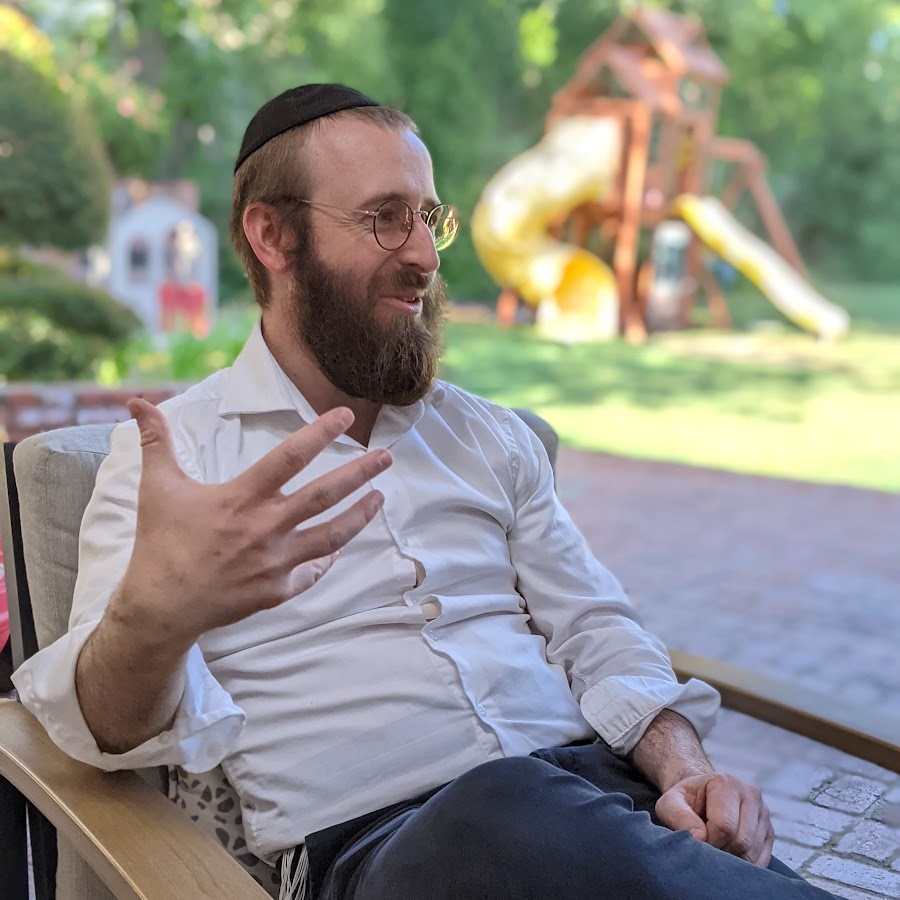
Learn how to enhance your prayer experience by mentally preparing yourself with this insightful video inspired by Parshas Ki-Sisa.
Comments(0)
Transcript
Auto-generated transcript. Not time-synced to the video.
talmud says a person should only pray
when they have what's called K which
literally means a heavy head and
commentaries discuss what that exactly
means among the many Mitzvah and
occurrences that happens in this week's
Torah portion is the Commandment to
build the water washing Basin that would
be placed in the entrance of the Bas
mkes of the temple in Jerusalem it's
called the Kor the wash basin and prior
to the Cohen going into the Bas M to
serve they have to wash their hands and
feet and they're supposed to wash them
simultaneously now although we don't
have this practice anymore because we
don't have a Bas of mikdash with active
Coen Duty where they need to wash their
hands there is a sacred practice in
Judaism a continued practice of washing
our hands in the morning prior to prayer
and we're supposed to wash our feet
before prayer as well and commentaries
explain we ourselves are here to serve
God like that Cohen our homes are our
Temple and we're about about to pray
we're about to serve so like that Cohen
we have to wash our hands and we have to
wash our feet we have to kind of reflect
that service which is incredibly
empowering because we all have the
ability to to be an agent of God to be a
servant of God and to bring God in our
homes and we we go through that practice
that meditation when washing our hands
and we're supposed to wash our feet in
the morning as well myones in his um in
his anthology of Jewish law adds
something else he says you have to wash
your hands you have to wash your feet
and he also says you have to wash your
face he adds that which is quite
interesting because in the time of the
BET MDES in the time of the temple they
would enter the B mes the Coen would
wash their hands wash their feet it
doesn't say anywhere that they would
wash their face my mon added also wash
your face where does that come from why
what's the reason for that in other
words what changed historically where at
one at some point in the time of the Bas
amikas and the time of the temple you
just need to wash your hands and feet
and now we're at a point where we need
to wash our face too what's going on
what changed in the time of the Bas of
mikdash in the time of the temple this
was a home that housed God's presence
God's presence was palpable you you go
to the temple you experience the
inspiration of God you feel proud to be
a Jew you have an you feel who you are
you know who you are okay your hands and
feet happen to pick up dirt and you just
got to wash it off but these days where
we're responsible for building our own
personal Temple and building up our own
homes but we don't have a central base
of mikdash we don't have a central
Temple where God's presence is
revealed we have to make sure that When
approaching god with prayer our minds
are also clear our minds are also clean
because there's so much exposure these
days and it's so easy to be sensitized
toward distraction desensitized to what
toward what we truly value deep down
inside prior to prayer we have to wash
our hands and feet we also have to wash
our minds we have to clear our minds we
have to clear our our heads we have to
remember what we truly value what we
truly prioritize especially these days
where there is so much external
stimulation whether it be a social media
and Facebook and WhatsApp and Linkedin
and Twitter and and Tik Tok and and
YouTube it every we're just being
flooded it's so important just to clear
our minds before prayer the Hebrew word
for face that the r references that we
need to wash is panim panim also means
inside we have to clear our insides we
have to not just focus on our Behavior
washing our hands and feet what we do
and where we go we also have to now wash
our insides we have to we have to purify
who we are on the inside our values our
value
system
says a person should only pray when they
have what's
called which literally means a heavy
head and commentaries discuss what that
exactly means Rashi says it means
humility other commentaries say it means
give priority to the mind more than the
other body it's very easy to become body
focused let's be mind focused let's be
mindful there's an explanation from
theed where he explains that the word co
co Ro which means a heavy head co can
also mean to
sweep when you're sweeping we have to
sweep our minds clean we have to
prioritize we have to focus on what we
truly value and what we truly believe we
have to focus on whom we're about to
talk to prior to prayer so we're not
just doing it mechanically we can't just
wash our hands and feet which means put
our hands and legs in the right space we
walked to the right place and we're
doing the right thing but we have to be
the right thing on the inside as well
and that's part of the process of prayer
and that takes a little bit of work that
takes meditation that really takes
thinking about whom we are praying to
couple minutes before prayer take 30
seconds
and focus on who you're about to pray to
I enjoy reading the SAS the talks
of a lot of them are anecdotes and
stories experiences of what it was like
in of what it was like in the old and
one of the things he describes in
several places is how the of yester year
used to sit with their Talis and tanon
prior to prayer they would sing a nigun
they would sing a meditative song and A
Soulful song they'd think about God for
a few minutes with their talison filling
on while singing a while singing a
song while getting their minds in the
right place they washed their hands and
their feet they're doing the right thing
they're in the right place but now
they're trying to wash their minds
they're trying to put their mind in the
right space so that they could connect
to something beyond the craziness of
this world that's my story and I'm
sticking to it