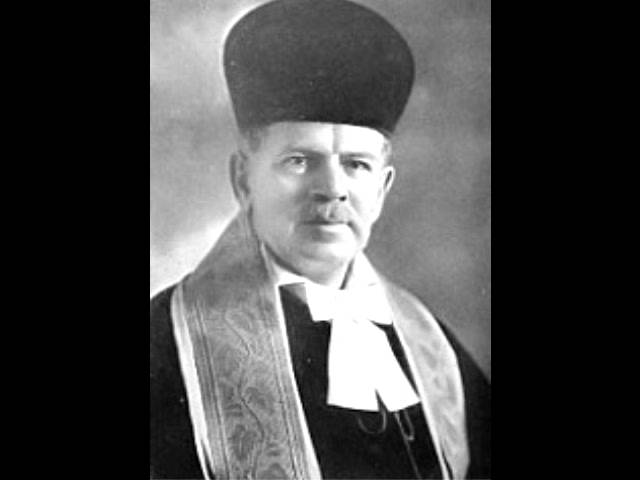
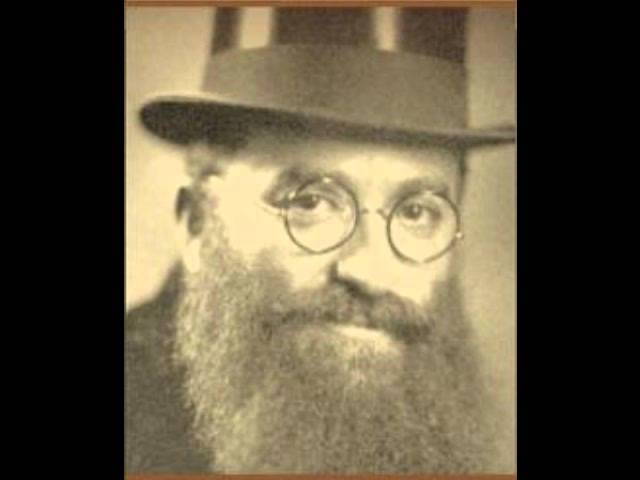
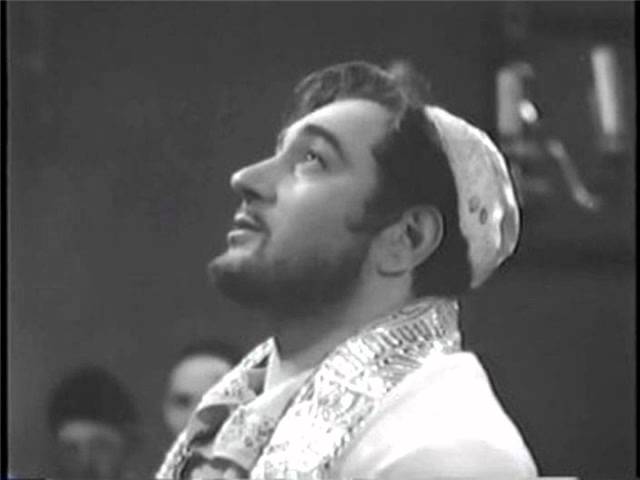
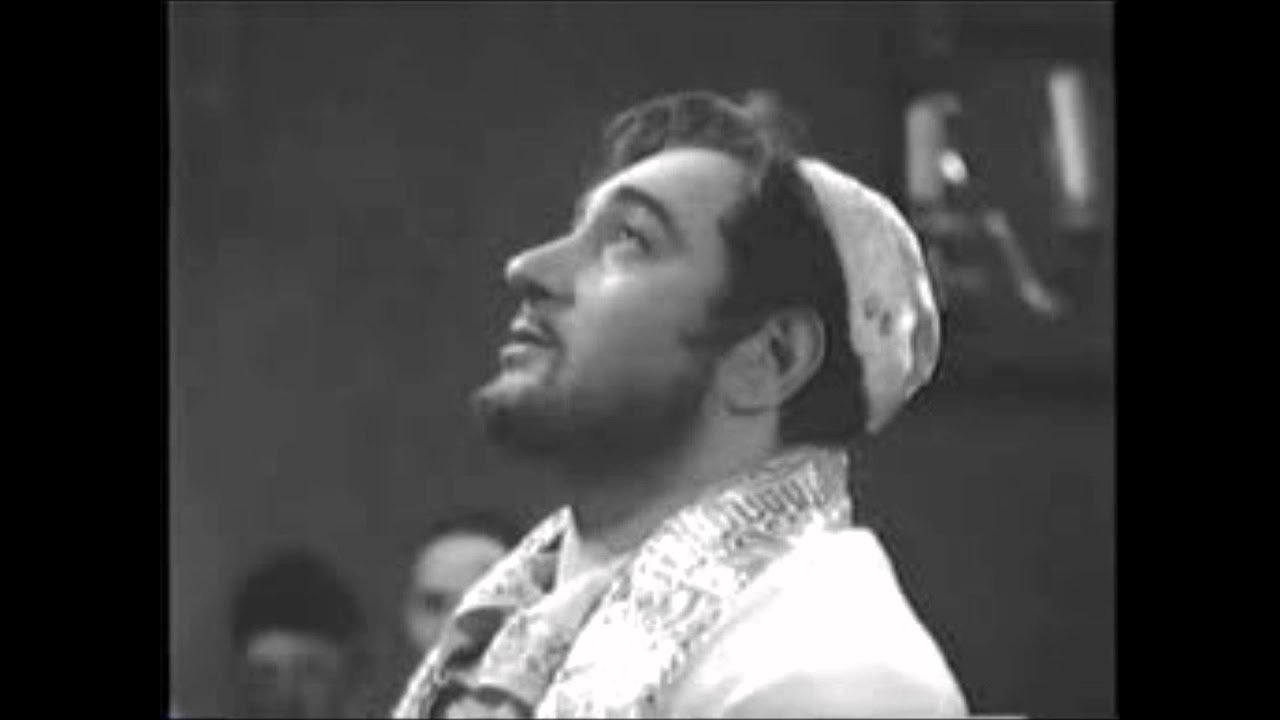
This Is Your Life Cantor Chaim Gershon (Gregor) Shelkas

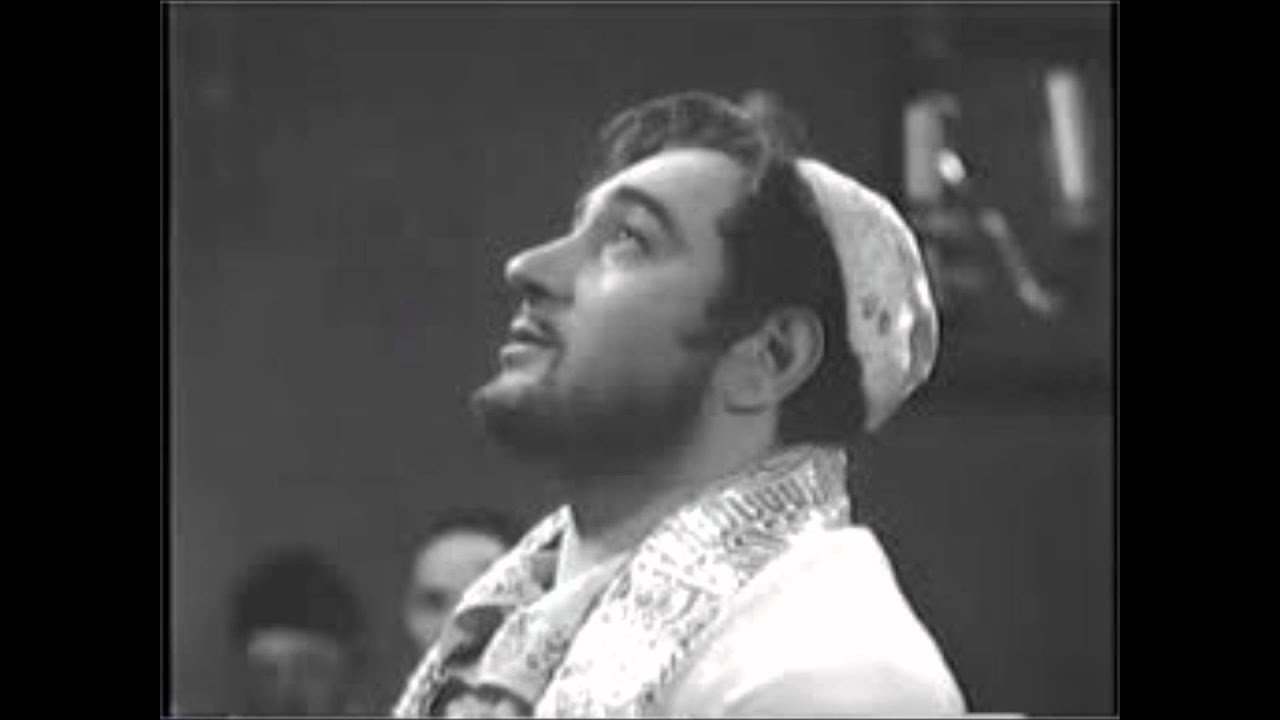
Gregor Shelkan was born in the Latvian seaport of Libau on December 11, 1915. A descendant of a notedfamily of rabbis and cantors, he began singing in the choir of the Libau Synagogue at the age of six. Atseventeen he was granted a scholarship to study voice at the Neues Wiener Konservatorium. During hisyears in Vienna, Shelkan was a soloist and studied under Kantor Heinrich Fischer at Salamon Sulzer'sSeitenstetten-Tempel. The choir conductor at this time was Kurt Fuchsgelb (Kurt Frederick). Shelkangraduated conservatory around 1937 and was engaged as an operatic first tenor at the Bern Stadttheaterin Switzerland. He returned to Latvia in 1938, officiated in his home synagogue, and was selected over63 other singers to be the leading tenor at the Riga National Opera. It is not known when, but he had beenmarried to the internationally-known Russian violinist, Sara Raschina, around this time. In June 1941 theNazis marched into Riga, ending Shelkan's career and beginning his 5-year ordeal, first, in the Ghetto,then as a prisoner and slave laborer at the Stutthof, Burggraben, Kaiserwald and Gottendau concentrationcamps. After a 300-mile death march with the retreating German army, Shelkan was liberated by theRussian army on March 10, 1945. He battled typhus in a Polish hospital for 4 months, then becamesomething of a personal singer for Russian Field Marshall Rokosovsky. Shelkan paid to be smuggledinto Berlin, and was registered as a voice student there in December 1945. He was assigned to live in theSchlachtensee DP Camp in the American sector. From 1946-47 he led services and performed in concertsfor the refugee community under the auspices of UNRRA, the United Nations Relief and RehabilitationAdministration. Concerts included operatic arias, Yiddish and Hebrew songs and music written by himand his fellow survivor, cellist Lew (Lev) Aronson. On Yom Kippur eve 1946, Gregor Shelkan chantedthe "Kol Nidre" prayer over the American Network--the first time the prayer had been heard over Germanradio since 1933. Shelkan lost 22 members of his immediate family to the Holocaust, including hisparents and siblings. His young wife perished as well. After a 1946 concert at the American JewishArmy chaplain's home in Berlin, Shelkan met Bertha Kerson, press aide to Gen. Lucius Clay and formermember of the White House secretarial staff. The two were married in Berlin in February 1947 andarrived in the U.S. on August 2, 1947. Shelkan's voice was introduced to the American public by actorEdward G. Robinson on the "We the People" radio program, Thanksgiving 1947. He was recommendedfor the cantorial position at Congregation Mishkan Tefila--then in Boston's Roxbury section--by the firstchief executive of the Cantors Assembly, Cantor David Putterman. Shelkan won the audition over 36other applicants and began his tenure at Mishkan Tefila on March 1, 1948. The congregation's excellentmusic director, Solomon G. Braslavsky, had influenced, among others, his young congregant LeonardBernstein. Shelkan was reintroduced to the American public on Feb. 17, 1954, appearing on the televisionshow "This is Your Life." Recounting his extreme personal suffering during the Shoah, he exposedmillions of American viewers to the horrors of the Holocaust. By then the Shelkans had two daughters,Tamar and Deborah, born in 1949 and 1952, repectively. Cantor Shelkan sang often in the New Englandarea during his early years at Mishkan Tefilah and continued to do so throughout his 38-year tenure,but educating about the Holocaust inevitably came to occupy a prominent place in his life. He initiatedan annual Holocaust obserance at Mishkan Tefila as early as 1948; in May 1979, he took a large partin the Boston City Council Holocaust Memorial Observance, with Councillor Raymond L. Flynn; andhe participated in annual Yom ha-Shoah observances at Mishkan Tefila--now in Chestnut Hill, Mass.--every year afterward, always wearing his striped, numbered, prisoner's uniform. Cantor Shelkan waswidely respected by his fellow cantors, both for his beautiful voice and his extraordinary humanity. Overthe years he raised much revenue for the Cantors Assembly and the JTS Cantorial School performing incantorial concerts. He was elected President of the New England Jewish Misnisters Cantors Associationin 1954 and served as President of the Cantors Assembly of America from 1973-1975. Bertha "Birdie" Shelkan passed away in Boston on May 14, 1996.Gregor Shelkan passed away in Cambridge, Mass. on October 12, 1999.
Comments(5)
Loading comments...