Transcript
Auto-generated transcript. Not time-synced to the video.
[Music]
although everyone this is Yves Harrow
host of rejuvenation on the land
official Network
today is August 19th 2018 another
beautiful summer day inland visual the
ninth day of Elul 5778 working our way
towards the end of the summer and you
can feel it here
I had an insanely incredibly exciting
week last week is that enough hyperbole
that I am NOT gonna talk to you about
today it's gonna have to wait for
another week
I prefer not to do two monologues in a
row and last week you heard some of my
trip to to the Balkans so I've got a
great interview that I taped a couple of
days ago with Leo goddess Minh and dr.
or fragments appear of Jerusalem's
Botanical Garden and so that's gonna be
the bulk of today's show but I did just
want to say hello and tell you what
you're missing what you were going to
have to wait for for another week I went
up to the Temple Mount I went skydiving
it was really really crazy to be
conditioned to the other usual things
that happened but those are the two
things that will stand out like in my
life not just for last week yes I went
skydiving I jumped out of a plane at
12,000 feet I'm still literally flying
high from it I'll still be flying high
in a week and I'll share more about the
context of that in just a few days but
at meantime I want you to enjoy today's
show and I hope you all have a really
great week if you're in Israel you're
seeing what I'm seeing you're seeing the
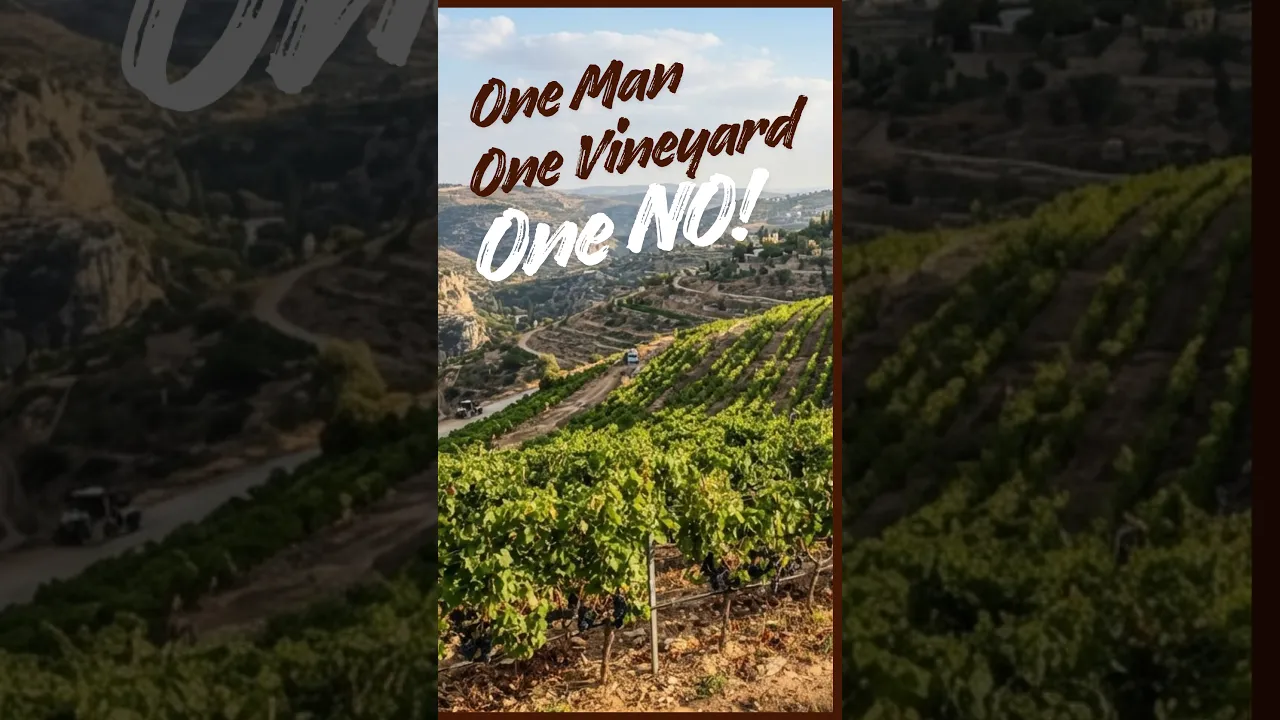
height of the butt sphere of the grape
harvest all around the land now
depending on the altitude and the
vintners and the winemakers they are
harvesting the grapes for this year's
wine and that's why this Wednesday I
have a full bus for one is will fund my
annual wine trip going to the area of
the shrim run going into the fields into
the into the vineyards with dr. Chevy
jewelry who's doing that great research
on the ancient wines and then going to
toro winery and to the be me amine like
there's a special being I mean wine
makers Club they just make a few bottles
of wine a year
just a few hundred and we're gonna be
tasting their wine and out winery and
just like a really great day I'm hoping
it should be a really great day and just
get into the land itself and get into
the season of the wine like we used to
in the olden days and like we so much
enjoy today so I'm looking forward to
that this week and and I'll fill you in
on that and on so many other things
meantime going cutting away to the
Botanical Gardens once again thanking
Ben and Tabitha everybody associated
with the station hope you guys are our
good love hearing from you love the
feedback I got from last week's show
suggestions of books to read and all
that also people been writing to me
asking about my schedule for my upcoming
trip in October and in November you can
go to my website leave Harrow comm and
see not everything but pretty much 90%
of the schedule is set and if you are
where I'm going to be let's plan on
meeting up that would be just totally
great so write to me Eve at the land of
visual comm I hope everything is good
with all of you we're just rolling it
day-by-day and just never a dull moment
so take care of you buddy leave Harrow
rejuvenation the Land of Israel Network
thank you guys so much boys for tuning
in and for listening enjoy the interview
[Music]
hi everybody Eve Harrow on rejuvenation
for the land of israel network it is the
end of a beautiful August day here in
Jerusalem and I'm sitting in the
Botanical Gardens in the heart of the
city with Lior goddess Minh and dr. ory
fragments appear whom I was really very
honored to meet a few weeks ago when I
was here on a review course for tour
guides there's a lot of us and this is
right in the heart of Jerusalem don't
know the place and I was actually just
here yesterday with my grandchildren
because they have a whole Playmobil
exhibit which was wonderful and fun but
I asked them to carve out some time from
their very very busy workdays she talked
to you guys about what did the Botanical
Gardens are but more than that what it
is that they do in their professional
life so maybe we'll start with early hi
there it's very difficult to say shortly
what we are doing because we are doing
so much so much um but we grow
a lot of plants over 6,000 species and
varieties of plants from all over the
world
all of them are growing here in
Jerusalem and many of them are very
interesting plants they could be fruit
trees that are just ripening now in
August they could be medicinal plants
they could be just beautiful flowers a
water saving plans for for the new
sustainable garden or other plants so
it's kind of I would say a Disneyland
for plants so what is your exact
position here okay so that my scientific
specialty is sustainable gardening and
bulb research so I'm doing research on
wild garlic's and we are doing all kinds
of ecological research and research on
endangered plants but my job my everyday
job is the managerial one we we manage
the collection of the of the garden and
just imagine it's like managing a
supermarket a warehouse with a lot of
items you have to go you have to order
new staff you have to get rid of old
staff and you have to manage the whole
thing and that's a whole that's a lot of
work with the staff that is doing that
by the way everything we are doing we
are not doing only by ourselves we are
doing with volunteers were volunteering
the garden so if you know anybody in
central Israel that isn't interested in
volunteering the only I think the only
exception is that you have to do at
least four hours a week that's it so if
somebody is interesting and volunteering
in the garden is not only in you know
gardening or weeding it could be in the
library it could be in creation it could
be in labeling it could be in the
nursery in the offices or a lot of jobs
are offered and a lot of people enjoy it
because it becomes something social
beyond the botany and I know for myself
because I have a garden at home I find
it therapeutic to get in there and get
dirt under my fingernails and just watch
something grow there's nothing like it
so I'm originally from California where
there's a garlic festival every summer
so like is there anything new in garlic
it has that hasn't already been figured
out oh there's a lot there's a lot new
in garlic's and in all the native flora
of Israel so we are doing research
the floor of Israel it's all being
documented in a big website with which
we manage that is called floor of Israel
online so you can google that and but
specifically on garlic there are almost
50 different wild garlic species in
Israel most of them are not edible some
of them are but many of them are
ornamental so they are beautiful for
gardens and we have described at least I
think five species in the last six years
that were not known within Israel so
what we found again and again is that
the floor of Israel references is not
updated and today with molecular
research we find a lot of new findings
so things that we thought for example
where one group of plant we thought it's
one was one species we found out that
this is actually three species so there
is one we are very patriotic about it
one one garlic we named Allium Israel it
acum so the Latin name contains then the
name of Israel which is unusual because
Israel is only 70 years old and most of
the species were described 150 years ago
so Israel was not even in in mind so we
have now a few of them so I mean Israel
in addition to being part of a very
chaotic Middle East is also on the bird
migration Highway and really at the
confluence of a lot of Africa Europe and
Asia so does that mean that you have
certain things that grow here that don't
grow anywhere else so it's the most
northern point for certain plant in the
most southern point for another plant so
they're growing together and in and they
don't do that anywhere else because of
our interesting geographic location on
the globe it's yes for everything it's
very complex so in general if we if you
look at Israel Israelis half desert and
half Mediterranean climate wise so it's
Ihram northern elements European element
or Mediterranean elements that are
disappearing in the desert or vice versa
but since Israel is is a junction
climatic and continental Junction as
you've said it's there is a lot of
things that come in here and mix and
change here so everything is peripheral
so all day I don't know Mediterranean
means are very different here at the
edge of the rain
from the center of the rain so the some
of them speciated into into local
exclusive plants so we have I think 56
plants that are endemic to Israel which
means they grow nowhere else in the
world but what is everything but what is
very interesting that everything is
peripheral so all the populations even
of widespread plants are very unique at
the edge of their of the region I'll
give you an example for example a
northern species will finish here in
Israel so if you want to cultivate it
for California I'm sure you're very
interested in that you have to take the
arid most populations the arid most
population are in Israel and not in
Europe so just an example this climate
they're not where they originally from
so you mentioned sustainable agriculture
so what does that mean because that's a
term that many of us here all the time
but what does it really mean I'll start
with the water number two in the budget
of the Botanical Garden is water after
salaries so this is this has become a
major issue in Israel because we don't
have enough water and this island this
island is water that is now very popular
in Israel is very expensive so it's a
big issue financial issue but also a
collage achill issue in Israel and we
are trying to replace plants that need a
lot of irrigation with plants that need
less irrigation it doesn't mean that we
stopped irrigating the whole thing but
it means that at least we are trying to
save water so from this angle and we are
doing a lot of work so you can look at
the garden as a experimental land where
we introduce a lot of plants and we
check how how well they can survive
without irrigation always little
irrigation in the summer you know the
big challenge is the big it is the long
dry summer not not a cool wet winter so
we are trying to test a lot of plants
and we've we've already introduced some
dozens of plants today to the business
you know no mental business in Israel
and also to the forestry a business
plants that do not or do not almost do
not need any any irrigation but beyond
that when you talk about sustainable
gardening we talked about two things
what are saving and but also a were
working they work saving so we're not
it's work intensive sorry for my bad
english labor-intensive exactly so we
are we are trying to get plants that
will not need a lot of work so for
example we are very keen on ground cover
plants that will cover an area with a
dense green carpet that we look good
throughout the year and then we save a
lot of work on weeding so this is one
another another example of sustainable
gardening and in general one of the main
rules in this in this context is to use
a lot of local flora and this is where
we specialize and we are trying to get
local plants instead of exotic plants ok
so moving on till your Hoos will come
back to me in a few minutes the hub
co-founder and director so what's the
hub Wow I think most people know about
hubs as co-working spaces or as the
things that are happening in the
technological startup world and actually
what we did was look at that concept and
adopted it to the environmental world
and actually set up an environmental hub
or we're called habitus that jbg hub for
urban sustainability because what does
that mean now we've gone from
sustainable right from agricultural
sustainability
so what's urban sustainability well I
think worldwide Botanical Gardens are
trying to rethink their social role and
to think about their positions in cities
over half of the world's population
lives today in cities and in Israel 92
percent of the population lives in
cities and we're always used to thinking
about nature and environment is
something very romantic in the north of
Israel when actually um we need to start
thinking about what the environment
looks like in the cities now
sustainability is a pretty wide term
that's being used in various things but
I would say the first or broadest thing
I can say about sustainability is taking
care of today's generation
without ruining it for the next
generations and that could be done in a
lot of things now when we talk about
urban sustainability we're talking about
food security we're talking about
transportation we're talking about waste
energy all the different things that
allow a city to be resilient and that
allow well-being for for the citizens
now the Botanical Gardens are a 30-acre
beautiful green lung with so much
expertise and so much space that can
offer many things to the city and I
think that moving forward to the 21st
century
the gardens are definitely understanding
that yes the scientific and botanical
and sustainable gardening things are the
core but we can depth and and do more
things and do more reach out to the
community I would say the hub we're a
department at the gardens we're sort of
an outreach department there I mean when
I come to the gardens to set up the hub
four and a half years ago I said with
Olli and he told me listen we do two
main things we do science and botany but
the other thing that we have to do if we
don't do it the first thing is not going
to be worth it is educating and reaching
out to people and the gardens have a
beautiful big education department which
brings kids from all over Jerusalem
Arabs ladies secular but what we tried
to do it the hub is actually reach out
and and go out so we do I would say
three main things one is programming we
have programs for kindergartens schools
young adults and pensioners
all of whom received training knowledge
workshops and then they go out and they
either volunteer in cities or in
kindergartens we set up sustainable
gardens we already we've already set up
over 120 sustainable gardens all over
Jerusalem and we basically try and get
people closer to nature get kids to know
that their carrot comes from the soil
and not from the supermarket and we do
that so that's that's our programming
now our
biggest thing the hub does today is that
we actually facilitate a network of 84
environmental change agents in Jerusalem
and people are usually shocked to hear
that there are an 84 organizations
startups businesses interpreters who are
doing various things and the garden
which up until a couple of years ago
wasn't as connected as it could have
been to what they were doing today is
actually a home for them and we're fob
exactly so I got there eventually to the
answer to your question yeah hub so we
give them professional development
meetups events half of what we do is
just matchmaking they ask us can you
please connect me to this person who's
doing that we connect them to
professionals from the gardens for
instance the urban food forest grew from
Jerusalem we connected them with Olli
which gave them the scientific knowledge
that they needed for for what they
needed but not only that the third thing
we do is actually work with the
municipality to try and change some of
the laws in Jerusalem or some of the
limits for instance at the hub we're out
we run an urban agriculture incubator
where we take people want to grow food
in the city and we help them do that
you're talking about like a window box
and their apartment or something even
more extensive than that so I'm talking
about Roof Gardens to grow food I don't
know if you know this about 30 percent
of Jerusalem population suffers from
food insecurity and that's a crazy
number that's like I mean if you compare
it to Tel Aviv where they have 4 4 %
here the numbers are really high so
we're helping people grow their own food
but we understood that we can help these
farmers create a business plan find a
roof trained them how to grow their food
but if the municipality is not going to
change the pricing of water or the
permits to do that it's not going to
work so that's just one example but we
do try and do things bottom-up and try
to influence the top-down how's that
going for you well it's challenging I
mean I'm sure most people who
Hathi we're used to thinking about it as
one thing but it's actually an octopus
with so many different hands so
sometimes we're surprised and people are
very interested in this and when you I
mean I think the environmental world or
a sustainability world has a bad stigma
how do you say stigma stigma stigmas
English yeah of being tree-hugging
hippies and I love tree-huggin Keefe is
the I have nothing to do with them but
when you I mean but that doesn't by the
people from the municipality but when
you start talking to them about the
quality of air that the that
Jerusalemites are breathing or at their
food security or how easy it is to get
from one place to another through
transportation then they understand that
it's a must-have and not just a
nice-to-have thing and sometimes people
are like well what does that have to do
with botanical gardens and that's a that
exactly what we're saying Botanical
Gardens in the 21st century are not only
but any focus but it's I mean it's so
much more this place can actually anchor
Institute can actually influence
Jerusalem can actually influence lives
of hundreds of people and we're trying
humbly to do that are you fill in within
university should the Botanical Garden
stands on its own the Botanical Garden
was established by the Hebrew University
in the 50s
but it developed into something very big
and expensive in the university realized
at some point this is too expensive and
too complex and the university found
partners and so today we are we are an
NGO with a lot of with six founding
organizations so we have a board with
representatives from these organization
and this is what we are today so we are
affiliated University in many ways we
sit on University land there is
botanical and ecological research
project being done in the in the
university I for example teach in the
university although I'm not employed
there so there are big connections but
we are not part of the university as an
institute if you make some big discovery
here the University have first dibs not
matter doesn't work like that
no it doesn't work like that in the
university there is a unit called the
national herbarium of Israel the
herbarium is a collection of dried
plants
that were collected over a hundred years
in the Land of Israel in its environment
and so if for example I find a new wild
garlic and described it is a new species
I
I deposited a herbarium sheets in the
university obviously so that they keep
it for generations particularly
interested in the medicinal side of it
my husband is a physician and just I
think anybody who has a little bit of
knowledge knows that we're reaching the
limits of antibiotics and a lot of the
superbugs that have come out there that
we're overusing and we're heading
perhaps and now we're having some kind
of outbreak in Israel of some strange
kind of thing in the north some bacteria
that's being found from the I think from
the urine of animals it's being found in
some of our streams and our rivers and
causing people to get sick and they're
working on that so is are you doing that
kind of research specifically for or
it's not on that kind of a level it's
not my is my personal speciality but
here in the garden we have a lot of
activities so we have courses on on
medicinal plants for example so doctor
Mina Ferran who is a big you know know
how I mean a big specialist on this
field is doing her courses here and
there is an annual meeting of the
medicinal plant organization I think
that's how they're called they come here
you know like two three hundred people
and have their workshop and after their
meeting over here so we are all the time
dealing with this kind of things and
this this topic is always on on our
agenda because we talk about you know
preserving the the biodiversity and it's
a very you know a kind of sexy world
biodiversity and everybody talking but
why should we watch what why should we
save biodiversity especially when we
talk about endangered plants for example
so I show my wife a plant that is the
size of my finger and it has this little
tiny green flowers and she said are you
kidding are you wasting the money you
don't have on on saving this plant this
is ridiculous and I told her you know
what do you know which plant which will
be the next plant that will provide the
new medicine for cancer or which new
plant have any other any other
beneficial role or do you know what's
the role of this plant in its ecological
ecosystem maybe it's an important role
and if we lose it
the whole ecosystem or part of it will
collapse so this is why we are dealing a
lot with conservation in general with
with focus on medicinal plants or other
things that are important for the human
race yeah endangered as well yeah yeah I
mean the endangered plant project is
being done here since the 90s late 90s
so with we are we are now we in our
collection we have 295 endangered plant
of Israel which is 70% of all the
endangered plants of Israel so on one
side we are a museum we show this plant
we educate and you know in the garden
there are dozens of thousands of people
coming every year even more than that
half of them are children so we educate
and we show these plants what we are
doing we are doing also a conservation
process we are propagating this plant we
are producing a lot of seeds a lot of
new plants and we need partners and we
need actually clients that will take
these plants from us and help us you
know finish the the conservation process
so in this there are many many units
that can do that for example the Israel
gene bank that sits in volcanic center
near Harvard they are we are working in
collaboration so we get from them seeds
we collect we grow plants and give them
back seeds and so on another good
example is the Gazelle Valley which is
neighbouring the garden that is this is
a I would say a semi natural situation
in Jerusalem so a lot of plants
disappeared completely from Jerusalem
they might be common outside Jerusalem
but inside Jerusalem they used to be
common and now they are gone so we are
replanting we're establishing these
plants in semi natural situations and in
this sense by connecting to what Elio
was talking about she was talking about
city nature or city conservation or
whatever I think most of Israel is
disturbed
I mean Israel is that's for sure not the
people I mean the land is disturbed so
it's it's a kind of a Hong Kong there
it's more piece of land with too many
people but inside the cities and
settlements and villages we have a lot
of disturbed land and we can we can
really make it
again and we can really make it flower
again and that's what we're trying to do
within the boundaries of Jerusalem and
the hub is doing a lot of work and we're
doing a lot of work we're working a lot
within the with the nature and park
authority and with nature reserves and
so we are doing a lot of conservation
which is very very important do you have
connections on the international scene
as well or it's really just drew
specifically Jerusalem and Israel based
conservation wise we have we have
connections of that with dozens of
gardens and organization all over the
world and botanically we we have
connections with over 600 gardens all
over the world which is wow it's a big
issue and so we we have a lot of
knowledge that comes from from long
distances I remember Leah are you
telling us we had a very interesting
journey to get here maybe tell my
listeners a little bit about how you
ended up here in the Botanical Gardens
in Jerusalem I was born in Israel but in
the north and in an agricultural village
in folk lane when I when I was in the
fourth and fifth grade we actually moved
to California
my parents are medical doctors so they
did their internship over there then I
came back I actually spend two years in
England that's where I did my masters in
environmental economics which was very
interesting and eyes opening and you're
gonna have to tell us what that is
environmental economics well I would say
it's an ethical economics both for
people and for the environment which is
not exploitive that's funny and it's a
place where the economics is serving the
humans and not human serving economics
like we see so much today ok so like can
you give us an example like how does
that fit into your work in the hub well
it fits in many places I can give one
example for environmental economics is
how we measure things so if you're a
regular economics what do you do is you
measure the financial situation of
Israel if it's good or bad with the GDP
tamaki in Israel
but that just says that anything that
comes into the economy and puts in money
just makes it better so for instance if
people are getting divorced and they're
paying their lawyer and that gets GDP up
I never thought of it that way that the
GDP goes up because people are getting
divorced and paying their lawyer okay
exactly if they're the divorce rate
helps the GDP what a terrible thing okay
yeah also if there are accidents and
people go to the hospitals and there are
ambulances that gets the GDP up so it
doesn't necessarily mean that the ways
we measure economics really reflects on
our happiness happiness or our health so
one thing that environmental economics
race to do is actually have alternatives
way to measure to measure things
environmental economics has a lot to do
with using the resources we have so if
we're talking about shared economy local
economy that's a lot of what we do at
the hub we're actually trying to depend
and rely on what our community has to
offer one another and not only search
for things outside and then you see that
it's abundant you know the amount of
things that people can offer to one
another that doesn't just go down to the
shake it well I mean that's the way they
used to do in the olden days right when
people bartered you grew this he grew
that and then everybody figured it out
in some ways maybe some degree I think
we should be going back to that a little
more and it builds community yeah I
think a lot of the ideas behind
sustainability or environmental
economics goes back but I do think that
it goes back and forward at the same
time because we're not asking people to
go and live in caves or I mean a lot of
my friends are like Oh while you
environmentalists you're all vegan and
you're all telling us just to shop local
and not buy plastic and I like tricity
you start rubbing two sticks together
Sally and I think that's one of the
reasons that this field it doesn't have
the best PR in the world but there are
ways to go back and go forward at the
same time if we use technology in a
smart way if we connect to our
communities which which can actually
suit where we're at today in 2018 and
Jerusalem has to be such a challenging
environment
to do all this because we speak of
community but in Jerusalem there's
probably hundreds if not thousands of
different communities some of whom
really don't have very much to do with
each other at all well I think that just
like we're talking about biodiversity
with plants it's important that we talk
about biodiversity with humans
I used to live in Tel Aviv and I loved
Tel Aviv but it all felt just a little
bit too much of the same and in
Jerusalem I feel that the diversity if
you if we look at it as the solution and
not as the problem that can really lead
us to the most beautiful inspiring and
innovative ideas were we're all these
different populations needs do you have
programs like that like do you just have
let's say Arab kids coming in with their
teacher or different schools the secular
school the karate the ultra-orthodox
school system's coming in on their own
and that's a great beginning just to
expose them to a world that they
probably are not familiar with or is
there some kind of integration that goes
on here in the Botanical Gardens as well
so first of all as far as the Education
Department goes there are kids coming
from all over and they instead of doing
or talking about coexistence they just
coexist you know they just come here
together same with the hub network what
we do our programming or our network and
our network there people can sit I mean
one of them could be Arab from East
Jerusalem another one can be an
ultra-orthodox and they just discussed
sustainability or they discuss now I
mean what they want to do with the waste
in Jerusalem and then it just you know
it just happens and each person has such
a different worldview that it just
enriches the conversation there's a lot
of commonalities to a lot of the same
problems in different sectors on top of
that we have an agriculture farm in the
in the garden which is a proper school
with a with a headmaster and a teachers
and they have kids from all over
Jerusalem
you know Arab kids Jewish kids secular
ki its religious kids all over and a
mentally disabled kids so all kinds of
kids are coming to the God and I think
about 1,500 kids per week so that's a
lot of kids that come from all over and
they just imagine a poor neighborhood in
Jerusalem where they have mostly
concrete or sometimes rubbish and this
kid comes
the garden and suddenly are exposed to
greens and as leo says carrots can grow
in the ground and not only being offered
yes in plastic bag so they grow all kind
of things in the garden and they grow
vegetables they grow flowers and the end
of their semester they can bring host
home something it could be you know a
white cheese with a little bit of leak
inside that they grew or it could be a
little pot with a small flower for the
mom so that's I think very important and
look one of the more successful
campaigns I think they ran here in
Israel a few decades ago is not to pick
the wild flowers all right with all the
very lively behavior of Israeli children
to say the least that was actually
something I think that was fairly
successful and you can go out to these
places in the spring etc and there's
carpets of flowers and they're not being
picked so education can work and if it
starts with the kids and then they bring
it home and they're able to say like you
know we want to do this here in our
neighborhood as well what would you say
is your biggest challenge right now
aside from financial challenges which
are always how to keep these programs
going I would imagine but aside from
that and people can get involved of
course if they want to you can be in
touch with me I'll get you in touch with
these guys what would you say your
biggest challenge is decide from the
water and which already already spoke
about and the finances well I would say
from the hub perspective we're trying to
influence Jerusalem we're trying with
our community of change agents with the
backing of the Botanical Gardens to
influence Jerusalem and our biggest
challenge is to convince people why this
topic has to do it every little piece
over their lives and yeah telling them
why environment and sustainability are
as important as the political situation
yeah I would say that's a challenge but
we need to learn to PR yeah so well
there's electrics coming interpret up in
Jerusalem in a few weeks have you had
some of the candidates come here because
you know make it part of their platform
and say it's integrate in everybody
wants to I would hope have some kind of
environmental peace into their platform
or they should it's a crowded city we've
got the lie
well we've got lots of cars we have a
lot of traffic and all that so is that
something in terms of PR that you're
bringing and then whoever wins is gonna
already know about you kind of spread it
out there without going for one
candidate or another just get them all
here at some point yes so I know most of
the candidates have already been here
and they have met with Tommy he's the
CEO of the garden to come in here and
listen and it's actually been pretty
positive and other than that in
Jerusalem we have come together a group
of dozens of environmental organizations
led by I&I and the Jerusalem Green Fund
and we're a big part of that too right
and and Aminah how do you say manna
manifest manifesto manifests yeah I
manifest for an sustainable Jerusalem
and we meet with each one of the
candidates to tell them about that
manifest and to ask them what they think
about hot burning issues in Jerusalem
and it's been very interesting a lot of
them were surprised to hear that some of
the things we were talking about have to
do with sustainability because people
think that sustainability is only green
stuff and then when they understand it's
other things as well because as I said
it's keeping what we need without
hurting the next generations it can be
about gender equality and it can be
about ending poverty and they're like oh
so we're doing sustainability and we
didn't even know about it so how does
gender equality fit in with
sustainability ah
Wow because that's like de topic or one
of the big topics now yes of course
if we're talking about a just world if
we're talking about a world where we can
supply the demands of the current
generations and we definitely have to
start thinking about how women are being
treated and what are their opportunities
to fit in the city to fit in society
what are the opportunities for our girls
and that of course comes into a
sustainable lifestyle then you're
dealing here that's really it's going to
be a project because you have a very
conservative small C group here in
Israel both in the Arab sector and in
the more orthodox sector it's not so
quick to have the women go and haven't
met say in a workplace with all kinds of
different
people that's right that must be a real
challenge yeah that's right but you'll
be surprised there are new wind's coming
even from the ultra-orthodox or Arab
communities they're not as closed as we
tend to think but it's a process and I
think once people realize they that it's
not threatening okay that they could
still be whatever tradition is it's
important to them but make their lives
better for themselves for their children
then that's probably the way to go
definitely so you were telling us about
a project that you have going here
you're gonna be building something in
the next few years tell us a little bit
yeah so basically I started with people
thinking about hubs our co-working
spaces when we set up the hub we didn't
just set it up we went out and we
interviewed our community we interviewed
dozens of people and asked them what
they were doing what they needed and
based on their questions we built what
the hub is today so a lot of them were
saying that not a lot of people know
who's doing what and that there needs to
be some sort of an organizing mechanism
and that's exactly what we did some were
talking about professional development
and that's what we did they weren't
talking so much about a designated space
for their activity but now three and a
half years into that people are starting
to say okay we'd love to have some
co-working spaces in office but if we
work or at a traditional co-working
space usually have a table where you can
sit down with your laptop our community
some of them need spaces for R&D for
research and development some of them
need a greenhouse or a therapeutic
kitchen or things you wouldn't imagine
so where we there is a green architect
his name is they know most elites
and he planned the whole designated hub
area with reused containers with solar
energy recycling water systems and it's
gonna be very fine and very beautiful so
that people don't think that it's that
sustainability is like a dirty muddy
thing but that it could actually be a
nice surrounding to work at and we're
actually working to fundraise for that
now and hopefully and then next year
we're gonna start building that and it's
supposed to take about a year to do all
that and that's gonna be another
attraction for the garden
again the gardens being a place that
demonstrates sustainability because
imagine dozens of change agents working
some of them bringing their bees here
some of them setting up an urban food
forest someone putting their water
collection systems some are gonna put
their solar panels here and all of them
are gonna demonstrate all that together
it's just gonna be another plot of the
Botanical Gardens
Tinky taking us forward to what we want
to be is Israel considered a leader in
the areas that you the two of you are
talking about here or are we lagging
behind other places that's true okay so
like weirdly always talking about now in
terms of urban sustainability is that
something that we can help that people
will be coming in here you'll be running
conferences and teaching people from
Germany and Canada and whatever or are
we going out to learn to learn more at
this point I think it's all happening
both things but I think maybe people
from German from Europe let's say it's
not that relevant for them because it's
a whole different climate but definitely
for semi-arid and arid zones in the
world I think we can we can teach and we
should develop in the future some
workshops
I know Israeli civility in Africa for
decades and helping people even
countries we don't have relations with
let's just get it done let's feed the
people and not necessarily get credit
for it but just do it and so I would
imagine that you you fit into there as
well some of the things that you're
doing yeah and if we're talking about
sustainable living in cities then
probably in Europe it's more advanced
than what's happening here in Israel but
an environmental hub at a Botanical
Gardens is something that's new to the
world yeah which is nice I'm being
invited to talk all over the world about
this model about how a Botanical Gardens
can have a hub that's relevant to the
city we've been getting invitations from
Chicago Botanical Gardens recently we
got an invitation from Kew Botanical
Gardens in London to just come and learn
about the model we have the Botanical
Gardens antennas even in Haifa which are
learning the hub's model and hopefully
when we speak in ten years the whole
world will have environmental hubs
Lior is very modest I think the network
of the app that was compared to a
mushroom network of course you have to
have some kind of right it's very
innovative and very new and the things
that it doesn't necessarily need to have
one head and one head that managing all
but just a network of a lot of things
this is very innovative event very new
and I've been in the business of
botanical garden for the last let's say
20 years and I have never seen anything
like that in any other garden or
anywhere else it's like an orchestra as
beautiful as one musician is having them
all together is something really
outstanding okay well well in liore
thank you so much anything else you want
to add before we close it down just
about people coming yeah we just want to
invite whoever is listening to come and
visit us so whether it's just to come
and tour the gardens whether it's to
come and meet us to take part of the
courses to be a part of the hub network
to be a support or whatever we're very
open to expanding the Jerusalem Botanic
Gardens helped and the gardens the
family do you have a newsletter or
something that you put out and keep
people abreast of the things you're
doing yeah our website Botanic dot
co-taught al has all our activities and
we have also another website with the
whole garden Connect collection so you
can actually browse into God and then
look for any any plant you want and see
where it grows but I I join the or in
inviting all of you to visit us and you
know the garden is is the actual gardens
but it's also the knowledge and the
database in above it so we just visit
you know floor of Israel online Botanic
COI and join our tours we are we are
having tours in Israel every month with
the actually the Friends of our God and
Israeli Friends of our garden are
organizing it a botanical tour every
month all over Israel and we have tours
abroad which mean usually I'm guiding in
the Caucasus in Greece
in Turkey even to join our tours
what are you doing those tours they're
botanic tours the emphasis is on the
plant life in those places exactly the
emphasis is mainly in nature sometimes
in gardens but it's in normal tour I
mean we were touring a new area and we
enjoyed the culture and the history but
the focus is on on flower so if we go to
Armenia for example in the Caucasus we
enjoy endless carpet of you know lilies
or any moenay's
different species you know amazing
amazing amazing botanical landscapes so
it also gives the perspective on Israel
because Israeli so tiny and suddenly you
go abroad and you see something to be
different
well that sounds incredible so the for
those of you think you've done
everything here you go there's something
that you haven't done and for those of
you who've been to Jerusalem multiple
times and I know that some of you have
have you been to the Botanical Gardens
because the next time it's time to come
and of course for those of you who live
in Israel you have absolutely no excuse
whatsoever okay so thank you everyone
thank you the or think will be for a
very enlightening talk Eve hair
rejuvenation for the Land of Israel
Network take care of you Betty good bye
for now
[Music]
throughout history says his imperial
majesty Haile Selassie it has been the
inaction of those who could have acted
indifference of those who should have
known better the silence of the voice of
justice when it mattered most that has
made it possible the evil to triumph
while I'm definitely looking to defeat
evil and bring the light of good into
the world because a mob my choir and
this is the Jewish story join Roth Mike
foyer for the best Jewish history
podcast the Jewish story on