0:00 / 0:00
The Mir Yeshiva's Escape to Shanghai (Rabbis on the Run Series)
1,932 views
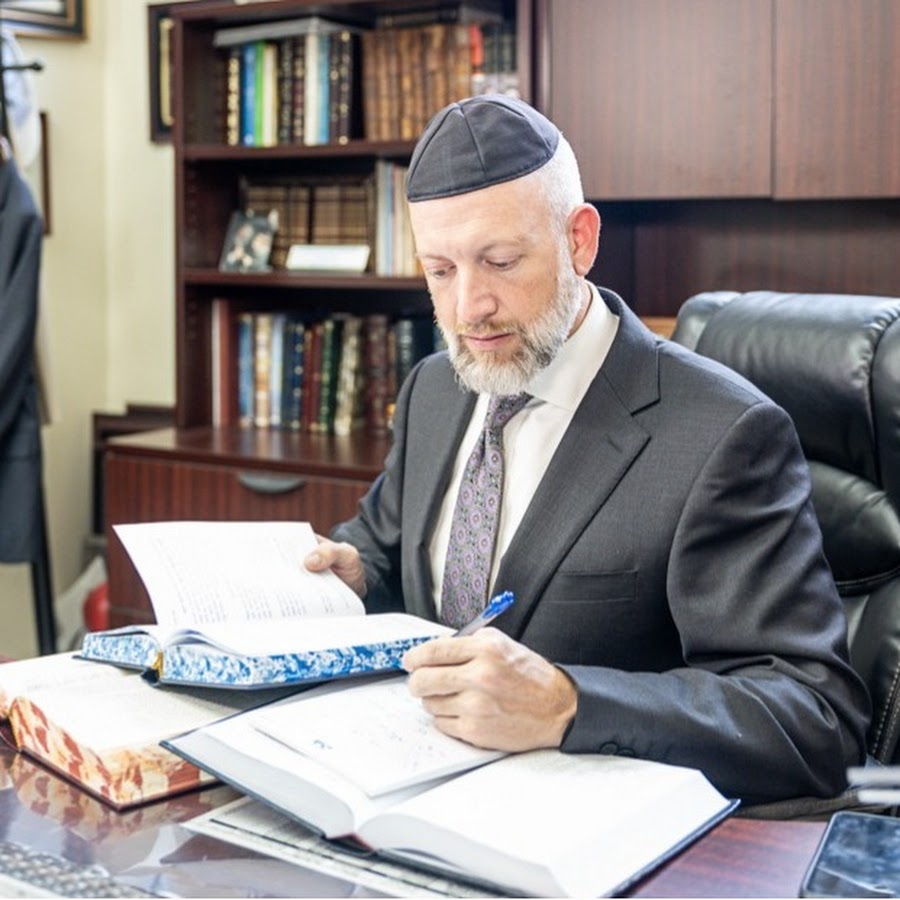
Throughout our history, Jews have been forced to escape danger and persecution, forcing migration to new parts of the world and bringing with them different cultures and customs. This expansive course will guide us through some of the most monumental rabbinic escapes throughout history and give new meaning to the "wandering Jew". For more, check out www.rabbiefremgoldberg.org. - Introduction - The Mir Today - Japan at the Time - Chiune Sugihara - Plan to Allow Jews into Japan - Jews Flee Poland - Sugihara Makes Connection to Jews - Sugihara to the Rescue - R. Leib Malin - Jewish Life in Japan - End of Sugihara's Story
Chapters
Categories:Torah
Comments(0)
Transcript
Auto-generated transcript. Not time-synced to the video.
okay good evening ladies and gentlemen
welcome back to rabbis on the run
the series that we've been uh discussing
on tuesday evenings this year
we've introduced several times we've had
the privilege of our sessions
rabbis who've been able to author all
kinds of scholarship while on the run
it's really extraordinary what they
accomplished and what they achieved when
you think about us
we who in
peace and serenity and tranquility
relative prosperity even with the
pandemic that we faced for many has
meant just being locked up with the
ability to study to produce to write to
publish
and we don't yet achieve
a fraction of a fraction of what many of
these rabbis who were on the run fleeing
for their lives were able to do and
that's the series that we've had this
year i want to thank our series sponsor
paneer lenny grunstein the memory of
their fathers maurice grinstein and
aaron tambor all the learning that took
place
should be
sure to elevate their neshama this
particular class in our topic you'll
understand in a moment is very relevant
and less to go with his props
back there
judy and lester lester henner a sponsor
also in honor of memory of his parents
you got amina hunter who fled europe and
they were married
i don't think anyone else here can say
they married there not marina del rey
but they were married in shanghai china
75 years ago
we have some documentation and props to
prove it
oh oh right here okay
right here
i'm about to reveal my ignorance by not
knowing which way to hold this up
but here you have what is this dexuba
what is this
this is not the suba i could tell you
that is it the extrema
can you read this
okay
it's a contract with the caterer
i heard they serve chinese at the
wedding is that true
orange beef and egg rolls
but thank you uh for your generous
sponsorship
just as a housekeeping point there is a
one final class in the series which will
take place on wednesday march 9th here
on the social robberil blumenthal
sneaking mysticism into the new world
rebuttal rosenberg and the maharal's
golem you don't want to miss that
it's on
march 9th so join for that also we've
begun our campaign for our brs global
and i apologize but i don't really
apologize you're going to hear me
continue for the next week or so
emphasize those who are not members if
you're a member of brs you're doing your
part to enable brs to spread to its
messages its values and its vision but
if you're not a member of brs and yet
you are a consumer of brs you enjoy
listening and watching and reading and
attending and eating and drinking and
being cooled or warmed by the
air conditioning then please do your
part we run a campaign once a year we
want to try to get our message out
better bigger farther and we need your
help in order to do it it's that simple
you could do it while i'm speaking take
out your phone i'm not offended at all
vrsonline.org global brsonline.org
global our topic tonight is
vast
and i am grossly inadequate incompetent
and capable
you never want to hear the speaker say
this by their for their introduction but
this is a vast vast topic with so much
rich history to share first-hand
accounts this is not ancient history but
it's relative recent history for which
we have
video firsthand testimony documentary
historians have done analysis we have
literature and books and paperwork some
shared with me in the crook of the rock
jewish refugee and a world gone mad
which is this story and well worth uh
reading uh my dear friend judy gebber
and david safir two historians write
from mishpochah magazine who seem almost
obsessed and i say that in a
complimentary way with the story of the
mirror and the fleeing to shanghai in
the mirror today and uh robled malin who
will speak a little bit about there are
no shortage of people including in this
room who are much more competent
to be able to share so with that
introduction let's begin now but with
that introduction my goal tonight as i
began to read and research and watch and
listen and try to put together and weave
together uh for us to be literate to
spend in our series what is a very small
amount of time that could be unpacked
into an entire course
years courses on this subject i want to
come from the perspective not only
although we'll touch on it a little bit
of the mirror that's the topic the
miraculous escape of the mir to shanghai
and the mere the only yeshiva lithuania
to have been saved intact there are
miscellaneous students from other
yeshivas in lithuania who got out in
time and took advantage what we'll see
are a series
of nothing short of miracles and angels
that god put here on earth who chose to
act like angels and didn't need to so
there were miscellaneous people who were
saved but the mir was the only yeshiva
as a whole
that was saved and we're going to tell
that story
from the perspective of the mirror a
little bit what it was like in shanghai
and what happened afterwards but much
more just a broad historical overview
with the most significant
names dates and events that enabled this
hopefully for those who know the subject
well you will not be offended by the
injustice i do in presenting it those
who don't know the subject well
hopefully will feel their appetite was
uh we've wet your appetite to read to
listen to watch to know more because it
is well well worth studying when we
think of the mirror today
i have a son-in-law learning in the
mirror in yerushalayim today there's the
mirror in yerushalayim and there's the
mirror in in brooklyn when you think
about the mirror today and your shallam
in particular it is the largest yeshiva
on the planet we call earth it competes
with base managers gov bmg in lakewood
somewhere north of six seven eight
thousand students talmidim there's a
mirror in brooklyn which doesn't nearly
that size also very uh prestigious on
our fly-in last week to new york we took
two dozen guys and we went and we met
different rebels russia yeshiva
rebellion
and we met one of the russia yeshiva of
the mir we went to the mirror and we
were first looking at him i'll just tell
you this story which is a little bit of
a flex but i found so hilarious i can't
help but tell you and the mirror yeshiva
is connected to the mirror high school
and there were some high school yeshiva
brooklyn mere boys standing there as we
entered we were all looking around for
the um of britney who we met to meet
with and some of the boys pointed and
said that's rabbi goldberg so our guys
were like how do you know who rabbi
goldberg is so they said what do you
mean behind the bema so
i was happy to know i hope i didn't just
get anyone thrown out of the mirror in
brooklyn but i was happy to know that
the
i said you know the shira mosso and the
torah like now we got plenty of that but
the behind the bhima that's now that's
good stuff um so the mirror in
yerushalayim today as i said north six
seven eight thousand talmidim it's
extraordinary the scope of the shiva and
so when we begin and we tell the story
we say the mirror was saved the mirror
was not originally in lithuania it was
in mere poland it moved to lithuania
we'll talk about in a moment but we're
talking about the mir at a couple
hundred tamidim the notion today the
assumption the default today that
everybody learns and learns for several
years or gets married and learns in a
cola for many years is an absolute new
idea in jewish history and we're not
here tonight to talk about the merits of
the demerits right or wrong who should
support it is it a system that could
sustain who developed it why is it here
that's not it's a fascinating topic but
not for tonight the simple reality is
that the most prestigious yeshiva amir
was probably the second what was the
most prestigious yeshiva at the time
it was probably velocin and the mir was
probably the second most prestigious and
we're talking about a couple hundred
maybe three hundred tell me them at most
there's not a shirt at the mirror today
that's three hundred tell me them you'd
be embarrassed to be in the shirt with
that futile medium today and that was
the whole yeshiva at its time the mirror
was established in the year 1815 in a
small polish town mir which actually was
in belarus as we're seeing today in real
time and we'll see some parallels as we
uh see our topic tonight
the the borders and boundaries of that
part of the world change and change
regularly your address your zip code
your passport could change on a regular
basis the mirror was a small town uh in
belarus 20 miles from the russian border
as i said it was probably the second
most prestigious ship at the time velaj
in 1815 we're talking it was founded by
a merchant a businessman and a torah
scholar or shmuel tiktinsky who after
his death uh appointed and passed on to
be the russia shiva al-khaim labe who
was worshiva for many decades and then
he was succeeded by his son ravram who
brought revelation to the yeshiva in
1903 of kamai's daughter married
rebellion otherwise known
as yodo son of nassen finkel who was the
altar of slavadka so here we had a
merger of
the great yeshiva slobodka that we've
spoken about and studied in the past the
who's who of the rabbis of america the
20th century were talmidim of slovaka of
yaakov and rafner and ravram and rabbit
heights and the who's who of american
rabbin of 20th century with tamidan of
the altar of of slovakia so here you had
the son of the altar of nassen sv who um
who would have kamae's daughter narrated
belize you definitely was the center of
nassau the grandson of the altar of
slovakia became the rashiva in the mir
and it remained in its original location
for 100 years nearly from 1815 until the
year 1914. the golden years of the mir
in europe not today in yushalam and new
york was in the interwar period between
the first and the second world war
probably at its peak it had 500 talmidam
that was the peak that was extraordinary
that was a large large yeshiva most came
from lita from lithuania and from poland
there were about 50 that came from
america uh 40 from germany some south
africa switzerland alan check isla
belgium uk remaining hungry it's hard
for us to imagine finland australia but
there was a time that american boys went
to europe we know um there was some
great golem who came back to america who
had chosen elected to go to some of
these prestigious yeshiva centers of
torah to be able to learn with the
outbreak of world war one the yeshiva
moved
to
poltava ukraine in 1921 it moved back to
its original location it remained there
until the nazi invasion of poland in
1939 the beginning of the of the
holocaust so um
the story
is really an absolutely incredible story
again we could we could look at it from
the perspective of the mirror and the
personalities of the mir that lazy the
finkel traveled to palestine at the time
to get visas for his students to
reestablish the yeshiva in eretz israel
but the holocaust world war ii
interrupted that plan
when he was already on his way
in 1944 ultimately opened the branch
there with 10 students some of them are
very uh well-known names rabioto shapiro
was the rosh call of the hazarish
brim it's a very well known name and uh
and others he was succeeded by banish
finkel and
who was with the mirror in shanghai
we'll see that story and ultimately came
back to you shalom the great request
and uh he was considered the main rosh
shiva his son-in-law uh took over after
him then of banish finko and then in
uh taken over by his sons-in-law namely
since finkel who had come from
america where did he grow up
chicago nate finkel i saw his yearbook
from ida crown played basketball if you
look at his yearbook from ida crown nate
finkel and he had gone to stay with his
uncle went to go learn ultimately
emerges we know of nassen fifinco
person who suffered struggled with
parkinson's persevered resiliently built
up the mere uh yeshiva and after his
sudden patience sudden death in 2011 was
succeeded by today's russia shiva of
defence
who was the russia shiva today so what
is uh what is this story where does it
begin where does it begin so
we're going to go back a little bit in
history to give it a context
and a context from the perspective not
of the mirror but of japan it's a
fascinating documentary i watched in
preparing this frankly so good i
considered just pressing play and
letting you watch it instead of
listening to me featured on the
documentary is a member of our show who
lives in our community should be well
and have good health run by marvin tokyo
who was a rabbi in japan for many years
and he's featured in this documentary
having studied and lived at this subject
there it's well worth it i'm happy to
share many of these sources as i said
there's so much more to analyze and to
dig
most japanese records
um were destroyed in the bombings in
world war ii
and the rest whatever was this wasn't
destroyed was burnt in what was called
the bonfire of the bureaucrats there was
a attempt to destroy and to eliminate
the records of the time but very
strangely historians say strangely we
would say
pratis we would say providentially
there's one group of records that
escaped the ashes they weren't destroyed
in the bombings they weren't destroyed
in the bonfire of the bureaucrats and
those are 14 volumes
in japan known as the jewish problem
files
why are there files in japan about
jewish problems what are the japanese
know from the jews what did the jews
know from the japanese that was not a
part of the globe that jews had migrated
to in our history but in that file are 7
000 pages
of japanese analysis of the jews trying
to understand jewish monopolies jewish
businesses how jews might be manipulated
and at the time japanese had nothing to
do with knew little had little exposure
relationship with the jews when did that
change
when did that change
so in 1894 japan lost a war with china
that led to a campaign against russia
and they needed money in order to fight
this war with russia they needed money
they needed financing just like we see
today in ukraine they don't have weapons
they need financing jewish communities
others there need our health need our
supports martin adam honda bhima the ceo
of tikvah odessa if you saw the video of
someone making kiddush
in the buses this past friday night on
the run we're interviewing him on uh on
behind the bhima for a report from
ukraine and we'll hear the funds that
they need so japan was fighting this war
with russia getting ready to fight this
war and they had no finances now banks
would not finance them you know why
because banks don't finance the one side
they predict will lose
because what happens when you lose
there's an excellent chance that what
you're not going to be able to pay back
whatever loan you took so the japanese
were struggling because they needed
money to fight russia and nobody would
lend to them until a jew
i didn't know much i didn't know this
jew until
i was preparing for this talk but it's
well worth the whole talk just on him
jacob henry schiff anyone know that name
1847 to 1920. he was a german-born
jewish-american banker businessman
philanthropist he um
he ultimately decided that he was going
to finance japan's war against the
russians do you know how much money he
lent
he invested and think about the sum at
this time in the early 20th century
it was 200 million dollars
it's an astounding astounding number
and he went to the russians and he went
to the japanese and he said no one else
is betting on you but i will on the
following condition
the russians had perpetrated terrible
pogroms against the jews that had
impacted and influenced schiff and his
family he said i'll bet on you
as long as you promise me you're going
to take out those russians you probably
used all kinds of colorful language but
we're streaming live and i want people
to donate to the global campaign so i
can't but he said he said i'll invest
and i'll bet on you if you promise me
you'll take down these russians japan
won shift became a national hero in
japan
and at that time the japanese attitude
to the jews changed because it was a jew
and a jewish banker who had actually
enabled and financed their ability to
succeed that was number one point number
two
rural japan for many years was untouched
by the industrial revolution
and by finance industry its economy
remained rather simple in some ways even
perhaps primitive one of the heroes the
protagonist of our story tonight many of
you i'm sure know his name is tsugihara
he was born in that backdrop shiyun
tsugihara january 1st
1900.
early years he was influenced by the
bushido code which is a japanese code to
live bravely with honor with humility
there was there was a it was a very
simple time but driven by a code of
derek it's a code of honor that we can
admire he was a strong student he had a
flair for foreign languages and culture
he liked sports and and played
basketball his father i guess here's
where we begin the jewish and japanese
connection his father desperately wanted
him to be a doctor
but he defied
and in 1918 instead against his father's
wishes he went to study english
literature in the university of tokyo
his father was so opposed to it that his
father refused to pay the university
tuition
and therefore he had to do whatever he
could taking odd jobs in order to pay
his way in order to survive in the year
1919 he saw an ad
to study for the foreign service in
which against fierce competition he
received a full
scholarship to go to school in china
now
while that's happening
there's a war
china and manchuria and there's a
manchurian faction who at the time was
producing terrible products today still
we import a lot from china it's
inexpensive and also often still poor
quality my apologies to the chinese who
are watching
that which came from that region and
that area was considered to be junk so
the manchurian faction had this what we
would call an einfa they had this great
hat they had this great idea they said
you know the jews we began to be exposed
to them study them we know about the
hero banker who financed our victory
against the russians
you know those jews are pretty good with
money what if we import jews to
manchuria and what do we set up a jewish
yeshua of a jewish establishment in
manchuria and jews will drive the
economy they'll elevate production
manufacturing inventory distribution
banking
and industry and they'll be able to help
elevate and enrich and expand our
economy they had a plan to import 300
000 jewish refugees to manchuria to
bring the technology the brains to the
japanese labor force to take over
now
sugyara was in manchuria and he became
an expert in russian languages he was
studying in the foreign service and an
expert in russian culture in fact he met
a russian girl and he married her the
japanese embassy then recruited him to
gather intelligence about russia he
spoke russian he's familiar with the
russian culture he had a russian wife he
was perfectly positioned the deputy
foreign minister manchurian government
uh and uh
he served in that capacity in that role
ultimately he resigned because the
japanese dealt with the chinese with
tremendous cruelty and violated a lot of
human rights and you see at this already
young age at this stage of his career
sugiyara was a principled person
and so principled that he put his
principles ahead of his own career he
resigned in protest because he
considered it inhuman wasn't humane and
he couldn't bear it
1934 he divorces his russian wife he
returns to japan he's afraid he's going
to be reprimanded
because uh he had resigned and refused
to cooperate and was critical of his
government but they needed him for the
foreign ministry so they didn't july
as the avian conference in france
countries around the world meet decide
to
coordinate closing their borders to jews
in december a few months later the
japanese leaders expressed in writing
that they didn't want to alienate the us
or germany so they would treat the jews
also they would close their border
except if it were in their interest so
to allow jews in sort of a mini version
of this way to expand the economy to
seed their country with jews they would
allow them in if they would prove to be
useful to them so a japanese
representative i didn't know this part
of the story either maybe you do a
japanese representative came to america
and went to go meet with rabbi stephen
wise with the proposal that look we
don't want to alienate the us or germany
so we're honoring closing our border on
the other hand we've stipulated a
condition that if it's in our interest
then we would bring jews so why don't we
bring a group of jewish refugees who you
need to find a home safety and refuge we
want to elevate our economy so here's
the deal why don't we bring a group of
jews to relocate jewish refugees to
manchuria to come live in in japan and
you know rabbi wai said
thanks but no thanks he turned down the
offer now we've studied in the past and
part of the great moments of jewish
history we've had great debates of
jewish history we spoke about rabbi wise
versus
bergson onto the pseudonym cook we
studied that whole episode and what
we've learned from that very challenging
difficult episode in our history of
american jury during the holocaust and
obey wise consistently took this
position like this why did he do it now
with with the comfort of hindsight we
look with judgment at his decision how
foolish how many refugees he could have
saved if he would have let them in but
he had his calculations first of all he
believed that if things became worse in
europe roosevelt would open america and
england would open up and therefore
better that jewish refugees find a home
in a place where we have influence than
to go to manchuria or japan in a place
that we have no influence and what
happens if the plan backfires what
happens if the jewish refugees go and
they're not welcomed we have no
influence no clout we have no
relationships in that country so he
turned down the option he was also
convinced
that as the fire
burned in europe that the british would
open palestine to the jews and better
the jews go to palestine better they
come to america than that they go to the
uh to the far east so he had no leverage
in japan and he therefore turned down
several months later he changed his mind
and he wrote a letter to a contact in
japan saying he would accept but by then
the japanese military had taken control
of the country and had no interest in
jewish settlement in manchuria that
option the offer was no longer on the
table and
that opportunity was lost sugyara was in
japan he met a woman who was impressed
with his worldliness with his multiple
languages and liked how he treated women
as equal which apparently was not uh
universally the custom there and she
wanted to travel so here she had this
man who was
multicultural and spoke several
languages and was a diplomat and would
make a perfect diplomat's wife they
married and they had a baby he got his
first post which was in russia but they
wouldn't let him in
because they had a grudge when he was
serving
as a foreign minister and he helped
negotiate because he knew the russian
culture he helped the japanese negotiate
regarding a railroad with the russians
very unfavorably to the russians the
russians remembered that they wouldn't
let him in from this negotiation so he
went to cities outside of russia to be
able to observe
including helsinki finland 1939 world
war ii begins and polish jews had to
escape and many polish jews migrated
from poland as many as they could to
lithuania and that in itself is its own
story in fact there's a lot written
about it there's an article in hakira
the khakira journal out of flatbush
torah journal has a 30-40 page article
it's
called actually still have it open here
on my laptop to flee or to stay by joe
babker it's an article to flee or to
stay where he talks about all the rabbis
at the time
and rabbis it's a very disturbing and
difficult article to read particularly
in light of any conversation about the
topic of da's torah are rabbis
infallible our leaders do we believe
they're prescient they're prophetic that
they see with some broader scope or lens
how could those rabbis have given such
bad advice not to leave poland and later
not to leave lithuania and you see the
exceptions to the rule who had the
vision to be able to leave so but many
from poland migrated and moved to
lithuania and the mir was one such group
they fled with 300 teachers and students
and lithuanian jews they went to vilna
invited the polish refugees into their
homes
and who was living there in lithuania
running the japanese council at the time
none other than sagihara he had a
one-man consulate in lithuania and he
wrote in his diary that it was more than
diplomatic he wasn't only there to offer
visas and passports but he was there
essentially it was wartime as a spy to
see the german border troops the german
troops near the border if the nazis were
going to invade russia because what
would benefit japan why because if the
nazis if germany would invade russia
then the russians would have to move
their army to the german front away from
the japanese front so therefore it was
in japan's interest to know what
movement of the satellite technology
that we have that we have today so
tsugihara was fluent in russian and
german and i saw an interview with his
son where he talks about as a child they
would go for these picnics right along
the russian border and his father would
disappear from the picnic they went to
areas to picnic that nobody picnicked in
and then his father would go for a walk
for an hour or two and come back and
only later learn that his father
essentially was collecting intelligence
about russia december 1939 hanukkah
and
sugihara is in a store
in in lithuanian vilna and he meets a
jew whose aunt owns the store
someone named sally i saw this interview
with him he describes the story and they
strike up a friendship he's a little boy
sukihara gives him some money to buy
candy and the little boy innocently
invites him to his parents hanukkah
party
and sugihara and his family accept and
spend a hanukkah evening having a party
with his jewish family and
the relevance of that story is only
the affection and the warm feelings that
were formed already uh at that time
before lithuania was uh captured or
conquered before the jews of lithuania
were at uh in threat june 1940 soviet
union annexes lithuania orders all the
councils to close the yeshivas the
shules the jews of course the extension
of the oppression the persecution they
had been experiencing jews needed
documents and they needed diplomatic
stamps now they had moved the mir had
gone from poland to vilna tolhuenia to
move to several cities intact the only
yeshiva to be migrating intact 300
students together with their obey and
their teachers and so on and so forth
the problem in lithuania now they had a
problem
it had been a next and in order to be
able to flee in order to be able to
leave to find safety and refuge they
needed an entry visa
a proof that another nation would accept
them
an entry visa they needed a
transportation visa that they would have
to travel through countries so you'd
have to bring evidence that you'd be
allowed to travel through those
countries and then you'd have to apply
for an exit visa so there's a series of
paperwork that a jew needed a jews on
the clock a jew's life was threatened in
real time they in their family it wasn't
so simple as could you get a train
ticket a bus ticket but rather there
were a series of paperwork one needed
including this uh entry this entry visa
that you'd be allowed into a country a
travel visa you could travel through
other countries and then you could apply
for your exit visa that you'd be allowed
to exit so many leaders urge people to
stay put as a reference to flee or to
stay you can find that article online
khakira h-a-k-i-r-a
uh journal from flatbush 30-40 page
article but it's a disturbing article
it's a difficult article to read in
terms of
the rabbis the overwhelming majority of
whom
[Music]
encouraged people to stay
my wife
had a great uncle
who they were they were hasid and
other uh mankato the other forms of
hasidim and her great uncle wanted to
leave at the beginning of the signs of
the war wanted to go to israel palestine
at the time and was told not to it's
zionistic those are the zionists you
have to stay put and he stayed put he
lost his spouse parents lost everybody
and that rabbi had been rescued and
saved and had gone to palestine and for
the rest of his life he could never
forgive that rebbe that rabbi and really
struggled with that advice that cost him
his entire family even while the rabbi
was able to escape it's a complicated
and i said it's without judgment again
we have retrospect we're trying to
understand it's much harder to make
decisions in in real time so many most
counseled to stay but some
had the wisdom to
leave to apply for these series of of
papers to get out of lithuania and to
continue to go on the move they had
started in poland some had gone through
other countries to lithuania vilna other
cities in lithuania and to continue to
go on the move and to continue to flee
in fact we'll come back to in a moment
the story of the mir is actually not any
of the russia yeshiva who had the wisdom
and the courage and the brazenness the
boldness to leave but rather it was one
of the older students who already was on
the faculty robled malin who was the one
who really stood up and saw what was
happening and what was to come and
encouraged and organized and
orchestrated the ishiba to be able to
leave we'll come back to that in a
moment so how did it happen this is the
core if you've tuned out to them back in
because this is this is the core of the
story i'm going to mispronounce the
names here you'll forgive me but it's
really just an extraordinary story and
it's not one person tsugihara will see
is a major major hero who's recognized
now he wasn't for the majority of his
life
for being a hero but he's not the only
one there were a few dutch citizens
one
nathan goodworth i don't know if he was
nasan but he's recalled in history even
in uh yuri gebber and of sapphire's
article
nathan
he's a dutch citizen he's 23 years old
he's learning in the tells yeshiva in
lithuania which he had lived since 1935
and he was considering he wanted to
escape and go to
curacao he wanted to go to the island of
curacao my good friend the neighbor sal
abidi grew up on the island of curacao
it was a jewish community in curacao and
he wanted to go there because it was
somewhere near the u.s
and being dutch
he only needed his dutch passport to
enter a dutch colonial territory so he
had this great idea that if he said that
his destination would be curacao then
he'd be able to journey there so many
other countries had closed their borders
but as a dutch citizen this was a dutch
colony he'd be able to enter around
mid-july he inquired about the
possibility of a visa to curacao for
some of his polish and lithuanian
friends and for himself to be able to go
together there was another
family as well the lewins
who had the who had the same idea what
they found out was the following for
aliens no visa was required for curacao
the local governor of kurosawa had sold
discretion to decide who would be
permitted a privilege that was rarely
granted so they went to the council
in in lithuania
whose name i'm going to mispronounce
somebody help me here
z-w-a-r-t-e-n-d-i-j-k
smith
we'll call him smith
zwarte
zwarterjek and he said the following he
agreed that he would grant the visa to
curacao and then goodworth had this
incredibly bold brazen again there were
these pivotal moments that changed the
course of history and this is one of
them he said for his friends he said
look
i'm going to ask you and beg you not for
a crime of commission but a crime of
omission
technically
you do not need a visa to go to curacao
but you need the approval of the
governor
are you willing to write in the passport
just the first half of the sentence and
omit the second half of the sentence are
you willing to write that you don't need
a visa to curacao
and leave out that you need the express
written permission not of major league
baseball but of the governor of curacao
are you willing to write that and
incredibly
this consul general was willing to do it
was willing to do it and mark the
passport such which was the only thing
necessary had he not and they didn't
have that permission he wouldn't have
been able to go and ultimately this idea
and this insight spread he went for
advice to someone at the time a leader
in the mizrahi community the jewish
community of vilna who would later
become one of the religious affairs
ministers of israel named zarachur
and he went over haftik for advice and
he told him go back
he was the one who gave him this advice
go back and see if he's willing to give
the same notation not just to you to
save your family this tells her
but will you willing to give it to as
many friends as you could get to come to
be able to go to curacao and to mark in
the passport that you don't need a visa
to go to curacao and conveniently leave
out run out of room for the second half
of the sentence that you need the
permission of the governor goodworth
made that request and
it was agreed to so we're have having
spread the word and a chain reaction
followed and within hours
at that door were hundreds of people
lined up wanting to get out of lithuania
and wanting to take advantage of this
loophole they had found through an
island you need to know that just to
fast forward for a second the mir and
the thousands who ultimately spent the
war years in shanghai shanghai was not
the destination
shanghai was a stop on the way there
that was the travel visa the destination
that was on all of their uh visas was
none other than the island of curacao
the dutch islands the curacao that is
how they were meant to that was how they
were meant to go um
he ultimately however you pronounce his
name with the z he ultimately wrote 1300
visas by hand
in four days from july 24th to the 27th
he issued another 1050
with uh with the help of a stamp over
the next five working days
and uh the highest number surviving visa
known to date
is number
2345 that was issued on august
2nd of that year so their series of
miracles just in this first part of the
story why was he willing to do this and
that he wasn't only willing to do it for
the dutch citizen who's willing to do it
for his friends up to
over 2 300 of his of his friends really
extraordinary extraordinary story so he
started his gut worth with 20 of his of
his yeshiva classmates who were not
dutch citizens and the ambassadors
willing to write on their passport and
expanded to be more and more
um
good summer 1940
summer of 1940 sugihara was about to
close the consulate and go to berlin
lithuania had been taken over and the
next was no longer safe the nazis the
germans had ordered the consulates
closed so he was closing up shop he had
been a one-man consulate he was closing
up shop on his way to berlin however
this group now who had one stamp that
they needed they needed the visa what
would be their destination and their end
visa was curacao but they still needed a
travel visa before they could apply for
their exit visa they knew where they
were
going and they knew where they had to go
through but before they can apply to
leave they needed the approval of the
travel visa so july 27th 1940.
so guyara is packing up he's going to go
to berlin and an unruly crowd of about
200 people surround the consulate and
they're waving their curacao visas and
they're begging to see the japanese
council they need that travel visa
he described in his diary an eyewitness
testimony that there were hundreds they
were hanging on the fence and they tried
climbing over there was some security at
the council who pushed them back
and the few men who had come with were
haftig
and this was their last hope so they
begged if they can get an audience with
the console with sugihara who allowed
them in
and he said look i can forward the
request to the japanese government but i
can't decide on my own
hundreds and ultimately what would
amount to thousands he sent it to the
higher ups and they rejected it they
rejected the request
they had no money to travel
it wouldn't work out so
the approval never came he sent three
times for approval and though the
japanese kept denying the request the
crowds only built bigger and bigger and
you can imagine the intensity the
urgency they were literally begging for
their lives they had they had them the
curacao visa they had the way out of
lithuania the nazis had a next had
conquered and taken over
word of what was happening to the jewish
population was getting out their only
way out was to be able to get out
through japan japan kept saying no but
the people the people were relentless
tsugiyara had an agonizing decision
disobeying the government would bring
punishment
and assisting the jews could be a
capital offense to the russians
so if the russians who occupied
lithuania if germany won and took over
sorry the russians that occupied
lithuania and that the russians found
out they could hold it against them if
germany defeated russia and ultimately
imposed the german rules and he had
helped jews in any case it was there was
no easy way out so tsugihari didn't know
what to do he had a great moral dilemma
and frankly ladies and gentlemen if we
look at ourselves back in time and we
ask ourselves what would we have done
closing down the console packing our
bags moving with our family we three
times asked our superiors and the
request was denied
we might feel
we gave it our all we might feel we did
our best we're so sorry there's nothing
we can do but i want to read to you from
sugiyara's diary
he writes the following i may have
disobeyed my government
but if i hadn't i would have been
disobeying god i really had a hard time
being unable to sleep for two nights i
thought i can issue transit visas by
virtue of my authority's council i
cannot allow these people to die people
who have come to me for help with death
staring them in the eyes whatever
punishment may be imposed on me for
disobeying the government i know i
should follow my conscience
approximately in august 10th i decided
there was no further point to continue
negotiating with tokyo following day i
began on my own accord with full
responsibility on my part to issue
japanese transit visas to the refugees
without regard to whether so-and-so had
the necessary document or not i had no
doubt that one day i'd be fired from my
work in the foreign ministry those
people told me the kind of hard they
would have to face if they didn't get
away from the nazis and i believed them
there was no place else for them to go
they trusted me they recognized me as a
legitimate functioner of the japanese
ministry if i had waited any longer even
if permission came it might have been
too late that's what he himself wrote so
he made that decision which is again a
historic and monumental decision
to disobey his own government to risk
his own life and to issue those transit
visas for the next four weeks he issued
hundreds of visas a day written by hand
more than half the people he issued
visas to had no passport which was even
more putting himself on the line because
they didn't legitimately qualify but he
did it anyway you know why he did it
anyway
because why did this group in lithuania
not have legitimate passports
because they weren't from lithuania
where were they from
poland they had run for their lives into
lithuania when you were a polish jew
running from the nazis into lithuania
you couldn't apply to lithuania or later
to the russians for a passport and
sugihara
god bless the souls
he um
he even for those half of them who
didn't have passports he accepted
anything
again in these documentaries they
described he would tell them take a
piece of paper and depend and just write
that curacao you don't need a visa and
i'll stamp it and you could be on your
way it wasn't an official document it
wasn't even a passport he had lowered
the bar so low once he was willing to
disobey his own superiors he worked 16
hours a day in fact he requested an
extension from the japanese to stay in
lithuania to keep his console open just
so he could save more jews for the sole
task of issuing more of the transit of
these transit visas really an amazing
amazing story
now let's
intersperse the mirror where does the
mirror come in as a group and then we'll
come back to sugiyara and what happens
to him april 1939 moshe zupnik 23 year
old german-born student is preparing to
resume his studies he had begun three
periods earlier at the mir was
interrupted by travel he worked as a
salesman but now he was eager to resume
i guess those days you worked then you
went back to learning so he was ready to
go back to learn but the yeshiva was
vulnerable at the time as we see the
nazis had invaded poland summer 1939
they had relocated to vilna
and from there they went to
kidnan 27 miles of kavna and here they
resumed their studies the mirror and how
do you run a yeshiva not a 15 or 20
bahram you're running yeshiva hundreds
on the run
my friend rafael from the tikvah
orphanage in in odessa has hundreds boys
orphanage a girls orphanage a school and
he's on buses
that are driving through ukraine right
now
with hired security
you can't it's not like a summer program
you don't call ahead to the youth
hospital the hotel order the food and
order the hotel
on the run fleeing for your life
refugees you're trying to find
he told me you'll hear behind the bema
that so far their costs just of of
running since the war began five six
days is two million dollars
securities four hundred thousand dollars
for their lives
food anyone has food there's so many few
rations they've raised the prices
doubled the prices how do you stay alive
and you're responsible for these
hundreds of of orphans teenagers you'll
hear and we should all do our best to to
help this and so many others so the mere
yeshiva is 300 students and they are
they're on the run but there's one why
student and for this i really i can't do
it justice there was an article whatever
you think of mishpach i'm a big fan but
there was an article called leader of
the lions the story of revlaid malin my
buddy uda geber has a fantastic podcast
called jewish history sound bites
jewish's three sound bites
half hour 40 minutes long he's a
historian he leads countless tours to
europe and uh he's fantastic a bento
torah personality jewish history sound
bites you can listen to any podcast
player find it online and it's well
worth it from the history of miami the
jews of miami to the history of laid
mountain really diverse topics you know
you have a drive or you're shopping or
cooking it's worth the listen so he and
dhobi safir they have a column together
it's a long article leader of the lines
the story of lady malin and to
understand who he was for blade malin
it's well worth it he was born in
bialystok 1906
when he was studying in grodno together
with one of his closest friends at the
time
someone maybe some of you met
the suval kharov
of david lipschitz he was a dear friend
of david alicia lift ships would be a
rush of shiva at you they went shimon
shkap to discuss the personal matter and
um after they had taken time from of
shimon shkap they apologized they said
you know we've taken from the rest of
shiva's time
shimon told them
when you share your time helping others
with leadership krish barhu expands your
time enriches your time whatever you get
away you get back multi-fold that's what
he told the suvalkar of david lipschitz
malin who both would learn that lesson
in their lives by being leaders of
claustral and being enriched and getting
back much more than they they gave away
or they spent rebelled malin was a
tremendous talmud of rav
there's a story in here that once were
played malone already as a young man a
baker was bold was brazen was a leader
something about the yeshiva and its
rules bothered him so he led a maha
protest in the yeshiva we don't really
picture this today he gathered several
bachram they rose up and they walked out
of the basement to make a statement they
had a strike in the basement i don't
know
they didn't like the barracks you know
can be available we were lucky if we got
a barracka for dinner if we would strike
for that we'd be striking every other
day avocado season we got an avocado
nothing better than the avocado season
he led the strike and on his way out of
the basement
he saw it of your home in the doorway
and
gave him one look that he nodded to
everyone else and they quickly went back
to their seats and they resumed learning
so that's a story of
his stature and his posture and who he
was right that's not the story the story
is then verb calls under blade malin and
he says to him what happened what were
you upset about what was that protest
over sort of laid marlon told them and
he said why did you stop he said because
we saw the reshashiva so if you run
chastised and it said if you thought it
was worth protesting over then you
should have taken the acharyas and the
responsibility to see it through the
fact that when you looked at me you
turned around didn't earn my respect it
lost it if you're going to take achara's
if you're going to stand up and protest
you see it all the way through if it's
worth getting up and protesting over
it's worth being prepared to stand by
your decision and taking achraiz for it
this is a story as he's a young man
that's certainly ingrained within him
that attribute and he did exactly that i
don't know that the russia yeshiva of
the mir
were following other godola lithuania to
stay put but i know they were not the
catalyst to have the mir apply for these
visas and leave as a yeshiva it was none
other than revlaid malin who was a
member of don hala as a bakr in his
thirties while he was still sort of a
talmud
he was atari of the yeshiva even while
he was on the
of the yeshiva clean shaven gray hat you
should see the pictures of him
he was a shrewd a businessman following
sim castora mir made its way to
lithuania she was settled in the shettle
of kedan and the soviet takeover of the
baltic states seemed imminent so and
then it was incorporated into soviet
union in summer in 1940 you have here
the whole story of of the mir and now
robled malin who was
arye
is a lion he was considered the leader
of the lions these were the top bachram
of the mir and he was
he was considered
the leader of of the lions he was an
extraordinary person it's worth studying
his story and his life and
and how he inspired the mir to apply uh
apply for this so the mir uh left as a
as a group
um and
moshe zupnik was the one who with
warhaftig went in and they had these
visas to curacao and demanded
from sugihara to get the transit visas
stamped so that they as the yeshiva
could travel again they're the only
yeshiva the only yeshiva poland
lithuania that was able to survive
intact as a as a yeshiva
um
this
is borrowed a suit from one of the
rabbis and he stood in line the japanese
consul to see sugihara sugiyara wasn't
seeing people there were long lines but
he was undeterred the zupnik he came
back he bribed the guard he got in and
he represented the 300 bakram and
rebayem
and their families
and he was able to
persuade sugihara
sugihara wanted assurances that they had
the money if he was going to risk his
life to give them the stamp the transit
visa that they had the money so at the
time how did they have the money
because rav avraham khamenevits
flew via sweden to england then to new
york beforehand and he began his work
already before the mir already was gone
to lithuania and left lithuania and in
new york he was able to raise money and
he had sent that back to help the mir be
able to meet this request of sugihara to
be able to to be able to go
so what happens
early september after writing for the
2000 transit visas
nasugihara prepares to leave for berlin
he was exhausted he needed a day to rest
so he found a hotel um there
in lithuania
before he was going to
journey to berlin
the jewish people found him in the hotel
and they asked him to write more visas
the next day he went to the train
station and jewish people found them at
the train station and he was continuing
to write these visas when he boarded the
train they climbed the outside of the
train they hung from the windows and
through the window of the train he wrote
more visas and only when the train
pulled away did his wife describe the
scene it's actually extraordinary
because she's crying i think
japanese are very stoic but there's a
tear flowing from her eye as she
describes the scene of jews hanging from
the side of the train through the window
and it pulls away and he's no longer
able to write these visas
now refugees
had to approach russia for the exit visa
they had the entry visa to curacao that
was the easiest to attain they had the
transit visa which was the heroism of
sugihara who risked his life violated
his superiors and they needed the exit
visa from the russians
most said in lithuania again don't do it
if you go to the russians
there was this group that were the
forerunner of the kgb and they would
have an
interrogation of everyone who applied
for this exit visa and you were risking
your life but the russians ultimately
again another miracle of the story
agreed to grant the exit visa and the
cost of the train ride with the boat
ride from russia to japan was a hundred
and eighty dollars 180 doesn't sound
like a lot
to give to the global campaign for
example but
brsonline.org
global
not a lot but in those days
180 was a fortune if you're a refugee on
the run and you've left everything
behind
and you're trying to take multiple
members of your family so how did they
pay for it so you know where the funds
came from the jdc the joint distribution
committee the jdc sent the funds i don't
know exactly how they were able to wire
or send these funds that were the
difference they had gotten the entry
visa curacao the transit visit sugiyara
the russians were ready to give the exit
visa only thing missing was the money
and the miracle of the jdc revolving
commodores the combination others didn't
have access to that they bartered with
the russians i saw the testimony of one
man who talked about a violiniad at the
train uh station
and uh one of the russian soldiers was
admiring his violin and he said i'll
give it to you for a ticket on the train
the russian soldier gave him that ticket
that violin he said saved his life the
train ride was arduous 6 000 miles
across russia and three days in a small
boat to japan
and most didn't know where japan was or
how to find it on a map they didn't know
what life was going to be like there
when they when they got there it's a
story that uh teller says
malevolence the great rash of shiva was
traveling with them one of the talmudim
said rebbe where are we i don't even
know where we are and he said you're in
the third shmi
the great ketosis work of lumdas he said
it doesn't matter geographically where
you are he said i don't know where we
are
it was the equivalent of saying
it doesn't matter you're on pasha's
pakude where you are geographically it's
where we are as the yeshiva where we are
as the yeshiva we're in shmysis the
gimmo we're on
where we are is wherever we're holding
and learning is where we are i'll read
to you from that train ride an
incredible testimony there's a book
called
which is a collection of the testimonial
of these mere students on this journey
on this journey
first second and third
so um
sorry sorry
so they're on the train and they're
traveling there's a group of mere
students
and there's a testimony in this
collection this book it's been
translated into english as well
there's a testimony not only of the mere
students and what that journey and
experience was like but there's
testimony from japanese on the train who
were eyewitnesses and watching and
and what it was like and what they saw
so let me read to you that
they said the following it's fascinating
their behavior through all hours of the
day was strange
they never ceased to argue with one
another the arguments between
individuals and groups stormed and raged
all day long
okay
i hope we're good
the arguments between individuals and
groups storms enraged all day long yet
it became clear they were not fights
they were lofty debates when learning
individuals between love and brother had
reigned debates the debates went on
while all the time the debaters were
holding these large open books and it
was clear that these books were the
source of the debates and what those
books said also held the resolution to
the debates that was the testimony
where shakti used to quote this and shir
when he talked about the notion of
milham the torah
part of why perhaps the gemara's
understanding of men and women's role in
learning when men learn is what the
japanese described they said you know
they had these big books when the books
were open they were yelling and
screaming and killing each other and
calling each other's names the second
they closed the books they were the best
friends they were hugging and laughing
and having the best time never saw
anything like that in their entire life
so to a certain extent that's something
i won't say uniquely but that's
something that uh that men can do uh
women you know
either call me every name under the sun
it's most ridiculous idea that's stupid
that's moronic that's ridiculous that's
not what ptosis is saying that is i and
then right afterwards you go have lunch
and you talk about what happened in the
game last night
not every gender is able to
compartmentalize and exchange
in that way but torah requires a mahanta
torah torah acquires a battlefield and
to get to the truth of torah requires
that attitude so this was the testimony
of some japanese at the time which is
fascinating when the big books were open
there were enemies yelling screaming
calling each other names when the big
books closed they were the best friends
never saw anything like it in our in our
life um small jewish community in kobe
japan was waiting they had cables uh
from jdc
that flooded the small jewish community
asparta community in kobe japan
was alerted by the jdc that a flood of
arrivals from lithuania would be coming
as the refugees came in they ran out of
money and the jdc sent back a telegram
when they approached the jdc we've run
out of money these are the words of the
telegram five words they moved me deeply
when i saw this i hope they move you too
this is the jewish story the jdc sent
back a telegram
money no object save jews
those were the five words money no
object save jews the refugees were
treated kindly by the japanese
june 1941
germans invaded and freed from soviet
rule
now slaughtered by germans and
lithuanian anti-semites lithuanians were
among the worst conspirators together
with the germans
many or some think the polish deserved
that title but lithuanians were right up
there they murdered jews in the streets
for absolutely no reason whatsoever
lithuania were the most willing
collaborators
so those who didn't get out from
sugihara to understand what was at stake
and you understand the decision of those
who chose to stay they had little to no
chance of surviving before the war the
jewish population of lithuania jewish
population
250 000 by the war end 220 of those
thousand had been murdered 220 000 of
250 000 jews in lithuania had been
murdered what was life like for the jews
who got to japan
to kobe and then we'll see later they
were moved to the ghetto in um in
shanghai ghetto residents received
passports they were marked with a yellow
line
but they weren't ordered to wear any
distinguishing mark as a jew they were
not discriminated against as jews
they lived
ordinary there were no other limitations
there were no discriminatory rules
against them and they were allowed to
travel outside of the ghetto for their
needs it was simply a matter of
efficiency and
uh to be able to know and to identify
who was a jew that they were placed in
that way
following the um surrender of japan in
august 1945
leaving shanghai became impossible there
were transportation problems
small groups of people managed to leave
most of the yeshiva members were forced
to stay fact in this article
about reblade malin or blade male 1 had
a chance five years earlier to leave
with a group of some of the
choice students he felt as the lion the
leader goes down the leader has to stay
and remain so he remained in shanghai
five years longer than he needed to and
most were forced to stay until the end
of 1946 majority have left to the u.s
the ishida split
some stayed in the u.s and the mirror
branch opened
in brooklyn others left foreign
established the mirror in the base
israel neighborhood in ushalayim
what happened to first of all the
learning in the mirror i want to offer
one other thing
the the learning in the uh in the mirror
testimony of the
the learning at that time so there were
great great leaders who were with them
and they described we have testimony
from them
that those years in shanghai
refugees fleeing running for their lives
in a string
strange country
strange language staying culture what
would you expect to be the best of the
worst years of learning of their life
they described it as the best years of
learning in their life
one reason is
they were not the distractions they were
not
they were not uh persecuted
they had relative safety and security
where they were they were allowed to
live they were welcome fresco
levenshtein said a different reason this
is very instructive very insightful you
know what he said
it's incredible he said
do you know that we thought that we were
the last jews going to be left on earth
we knew what was happening the fires
that were raging in europe
we knew the threat even in palestine and
what could happen in anti-semitism in
america he said when we sat and we
learned we took upon our shoulders that
we could be the last jews left on earth
learning torah and davening with a
minion
and continuing this jewish story and
nothing elevates your experience like
achara's when you feel you're
responsible when you feel that it relies
and depends solely on you
nothing elevates the experience
like uh like that so that was their
experience um challenging and difficult
some ways and again you could read a lot
more testimony about life with like it's
a wonderful work that collects uh some
of it uh
here and more but i want to end with
what happened to sugihara the real as i
said protagonist and hero of our story
together with the first original dutch
console who was willing to tell them
that he would just mark curacao doesn't
need a visa and leave out the second
half of the sentence he's the first hero
of the story sugihara is the main hero
of the story he was in berlin waiting
for reassignment he was transferred to
prague but the japanese foreign ministry
asked for a report on the visas this was
the first time that he was now going to
submit a report about what he had done
in lithuania the one man consulate he
was running he submitted his list of
2139 names
so we know that he has handwritten visas
for almost uh 2200 people but the truth
is that translates to many more because
many families traveled on one single
visa
and a document in jewish file finds that
he wrote almost 70 more when he was in
prague even after he had taken that
train ride the jews were hanging outside
the train wherever he went jews found
him and he kept writing those visas it's
incredible extraordinary japanese formed
an alliance with germany and italy
um
let's skip to uh
spring 1947 sugihara returns to japan
what he finds in japan is a bombed out
wasteland
sugiyah reports to the foreign ministry
for his next assignment they told him to
stand by after three months they told
him to come in
and at that meeting they told him that
they wanted him to resign
his son describes this documentary i saw
how he came home with such a fallen face
he couldn't even speak he was so broken
after giving his life to the foreign
ministry that they had told him he had
to resign he was at 47 years old at the
time
and the reason they gave him was because
they said they were downsizing but he
believed his whole life and he told his
family that this was retribution for the
number of visas that he had signed that
he had written so at 47 years old after
risking his life for the foreign
ministry of japan and going from city to
city 47 years old he had no job he had
no career he had a seven-year-old son
who died suddenly the family was
struggling financially emotionally for
years he never even spoke about the
visas he had hand written or signed or
what he had done to save thousands of
lives he did whatever it took to work
for his family so he worked in a
supermarket in a grocery store he worked
very uh so to say low-level jobs and
ultimately in order to take care of his
family he took a position because he
spoke russian was familiar with the cut
with the culture he moved to moscow for
16 years he left his family to go work
earn a living and send back the money
when he went to russia the moscow was 16
years he lived there and worked under a
different name he was afraid the
russians would still take retribution
over the railroad
transaction from years earlier and the
intelligence gathering and spying that
he had done
in 1968
it was an israeli diplomat
who had known the story of this japanese
consul who saved so many jews
and who tirelessly searched him out and
in 1968 this is really diplomat found
sugihara
found sugihara and sugihara
had never known what happened to those
jews he had written those visas for
you know there wasn't an internet you do
a search you're curious what happened he
had signed these thousands of visas
and he didn't know what happened and
ultimately
the only gift he took
the only payment he ever took
was a full scholarship to hebrew
university for his son
who attended hebrew university in his
declining years he lived near tokyo he
moved back home it was only then he
first met his grandchildren he had been
living in moscow taking care of his
family 1985 sugiyar is the only japanese
citizen honored as a righteous among the
nations and yad vashem the only japanese
he was too frail to be able to attend
and
in a tv interview they had asked because
there was suspicion for a while that the
reason that he had signed was not
because he was altruistic but the reason
that he had signed these visas was the
chariot
um
thank you
manchurian strategy of bringing jews to
be able to boost the economy but he in
this tv uh interview denied that he said
he didn't know about that plan and it
certainly was not the motive factor at
all and we have these excerpts from his
diary where he talks about having to
answer to god his moral code his honor
that led him in the 1960s and 70s i
mentioned rabbi tokayo was a rabbi
and he finally interviewed sugihara he
himself and when he was asked when
marvin took rabbi toker lives here in
boca couple blocks away as sugihara
why'd you do it you you
went against your superiors you risked
your life not to sign one visa to sign
thousands of visas and you continued to
do it on the train platform and later in
prague why did you do it
but taker says in the interview you see
sugiyara says he didn't understand the
question
he didn't understand the question what
do you mean why did i do it because it
was the right thing to do and you have
to do the right thing just like he had
resigned earlier we saw the way
the japanese had treated the the chinese
so too he had no ulterior motive july
1986 he passed away at 86 years old in
1992 they built a monument
in his hometown to honor him
less than one thousand jews in lithuania
today but there is a street in lithuania
that's named for sugihara and
yerushalayim there is a memorial to
sukihara and in 1998 it's a fascinating
video to see there was a reunion for the
survivors whose lives were saved by
sugihara and the reunion was held where
in the mirror yeshiva and there were
nussens fifinko sitting at the head of
the table
and there is uh sugiyara there are
representatives of the sugiyara family
and there are survivors
today of course number in the many many
many thousands the progeny children
grandchildren great great grandchildren
of tsugihao so as i said at the outset
there are countless more details and
fascinating insights to the story from
every perspective of the dutch console
of sugihara in his story of the mir
yeshiva of the other miscellaneous
students of where they lived and what
life was like in japan in shanghai
itself and here we have an actual
document from that time period thank you
for sponsoring and for bringing it in
as i said at the outset i just collected
an overview of the topic and i hope i
wet your appetite to read to watch to
listen more because there's a string of
miracles there's a string of miracles
what it takes for these miracles to
happen the heroism and it's easy in the
hindsight to look and say of course they
did the right thing who would deny
hundreds of people banging on the fence
to stamp your passport who would have
said no their lives lay in the balance
and the answer is many most almost
everyone said no
that's why six million were killed
and those who said yes
those who had the heroism i think about
this i'll close with this i spoke about
it in shabbos but i think about this as
we talk about the ukraine
ukraine the ukraine as we talk about
what's happening right now
i have no problem
when we emphasize and focus on our
brothers and sisters on jews living in
ukraine
primarily centrally that's our family
when your family is going through a
challenge situation of course that's our
focus
but i believe we have a responsibility
as jews to not only care about
the jews but other innocent people
and i say
imagine if sukiya said i just care about
the japanese why do i have to care about
the jew the dutch council said i only
care about the dutch why do i have to
care about the jew
had the polish farmer who hit a jew said
i only care about myself in the polls
why do i have to care about a jew
so if we want to express our gratitude
to those
who protected and hid
and to care and stamped visas to save
jewish lives that shouldn't we demand of
ourselves to equally
care
and extend ourselves minimally diven for
and contribute towards helping others so
i think that there's nothing wrong with
the focus and the emphasis and the
majority of our resources and attention
being on brothers and sisters but as we
continue to review and study and live
history
it should tell us not only in the past
but should inform and inspire our
present and our attitude not to be
flippant and not to be mindless and
thoughtless but to care not only about
jews who are experiencing a problem but
to think about more globally all those
who are suffering and struggling when we
wish well continue to read the subject
it's really a fascinating one thank you
so much have a great evening
you