0:00 / 0:00
Shmita | Fruit & Vegetables of Sheviet - Be ware of the once's who don't follow Shmita
21 views
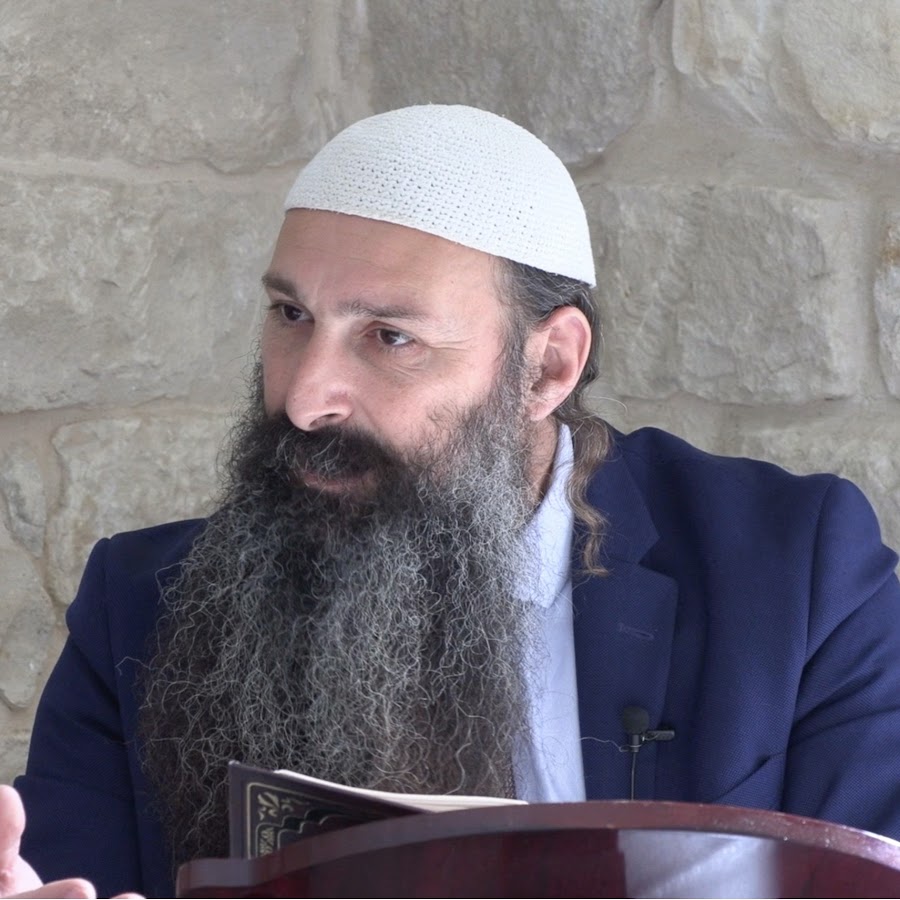
This class is covering the topic of avoiding dealing with people who don't follow Shmita
Categories:Torah
Comments(0)
Transcript
Auto-generated transcript. Not time-synced to the video.
[Music]
so the title of the chapter is called
massamatan trading
any types of vegetables crops fruits and
so forth
it was done in a sin
because now a jew will go and have a
whole field of tomatoes he doesn't
observe shmita and then he
sells it to you he trades it with you
whatever it is but that is tomatoes
there were a grew through a sin
that's not to compare it's a toll
different topic but it's almost like a
child can be conceived when the mother
and father are not married so how's it
called in english
wedlock so the child was conceived in
sin
unfortunately in the in our in our
nation most children are conceived in a
form of a sin unless they're observant
because if they're not observant then
their wife is nida and even though the
wonderful mother and father but the wife
is nida and the child is conceived in in
through a sin
and that of course will bring a great
impurity on the child but remember this
is a whole different topic here we're
talking about fruit and vegetables they
were also done through a sin so now
let's say there's a lot of sections
let's say go slowly one by one
first one is called michigan
claim
loaning and renting any types of tools
that will help somebody work on the land
in agriculture
associate i'm not allowed to loan
or to give ola skirolinko to rent or to
sell
in the year of shemitah
any type of tools
that you can work the land
now let's say i have a rental company of
tractors then i have a problem
now this is not only in the level of a
rental company i have a rake or i have a
any type of
tool i'm not allowed to loan it to my
neighbor who doesn't observe shemitah if
i know that he's going to work the land
with it
very clear
but
only
only specific tools
that are designated only to work the
land
i'm adding on that and here he's saying
in parenthesis
a machine that helps you plant the seeds
i'm adding on that that you know
specifically that it will go to work the
land but let's say i have a shovel and
my neighbor who's not observant wants a
shovel but i know
it's to clean dirt okay take the shovel
but if i know that he wants to dig a
hole to put a tree in sorry to tell you
can't give you the shuffle
when
mission is steamer or not avodah but
when am i i'm not allowed to do that
when the season or the period of where
you actually work the land is over
shiloh limbo
in that sister and period because let's
say you ca usually you don't plow land
in the winter too much mud you would
plow the land
before the winter or after the winter so
it also also has to do in the period of
time same thing with seeds not all the
seeds you can plant throughout the year
some seeds can only be planted in the
winter or in the summer so he has to go
by the period
and
nevertheless um if it's past the time
that i'm allowed to sell it or to give
it
wine shiva daikonella
because if it's already let's say in the
summer and he wants tools of course he's
not doing it for the seventh year the
season has passed you don't plant seeds
in the summer it will never grow and if
it will grow we'll grow the next year
so if he's buying this the equipment in
the summer five i know he's taking it
for the schmidt for this eighth year
when do am i allowed to give a torrent
to sell
mutaglashi la skirolinko bashmita there
are times during the seventh year that
i'm allowed to give the tools or to rent
them or to sell them
specifically we're talking about a jew
that is not
following the laws of shemitah
as long as the tool the vessel
can be used for things that has nothing
to do with shmitah
for example like a tractor
now you can use the tractor to
remove waste and you can use the tractor
to plow the land but as long as the tool
can be used for something that has not
no prohibition for shemitah then you're
allowed to do that why
because i don't know if he's taking it
for permitted
labor or not permitted
but if the person tells him yes
i'm taking the tractor to plow the land
and i'm taking the the shovels to dig
holes to plant trees if this is the case
asu then you can't
so you kind of have to investigate the
neighbor
who's secular what are you doing with
the tools what do you want to do with it
are you planning on planting a binary
yeah
sorry i can't give it to you
so this is in regards to tools how is
about seeds
a soul incorporates
i am not allowed to sell any types of
seeds
to somebody who doesn't observe the
shemitah during the year of shemitah
now this is pretty common
i go on amazon now or whatever and i can
buy seeds you can still buy seeds it's
illegal in a very very soon it's not
going to be legal anymore
but you can go now buy seeds over the
internet
and hold them it's a good opportunity
somebody's now coming to israel they can
bring you a bag of seeds you have to
check all the laws i'm not telling you
what you're allowed to do and what you
know what to do in the israeli law some
of the things you're not allowed to do
because when it comes to agriculture
there's a lot of laws i'm saying
hypothetically now i can bring seeds
into israel now you tell me oh my gosh
you have seeds oh i
also want to plant some stuff in my
backyard no problem but if i know the
person is not observing the shemitah
sorry i can't give it to you i can give
it to you next year or i can sell it to
you next year
why because i know he's going to go in
and plant it
but if the season of the planting passed
muthalim color you're allowed to sell it
because obviously it will be planted for
the next year
and again these are these are already a
little bit more practical things you can
go now
to any nursery and buy seeds now why
would you buy it now because you're
saying i don't know the israeli
government can go wacko and in three
months pass a law that it's illegal to
plan things because they're doing it in
different countries in some countries
it's illegal to deal with seeds
so how do i know maybe the israeli
government is going to do that might as
well go and buy the seeds right now
i can go and buy seeds for all the
vegetables and whatever i need i'm not
going to plant it because i observe the
shemitah i will plant it next year but i
can still go and buy it
so this is good
something that might come in handy and
if khaswa alone the person is not
observing then you can't sell them or
give them or borrow them or anything
and that regards to seeds how about
tools that are not really called like
farmer tools but you have them in the
home
it's called clay bite mutaglash il i'm
allowed to borrow
to loan le michael nosho
to somebody who doesn't observe shmita
kilimbi team any type of household tools
hamish
that i use them to use
food
so it can be a blender it can be a
i don't know a spatula or whatever
technically you can also do some other
work with it but when it's about to
making food that's fine
if i know that what is about to do with
it
is falling under that it's
allowed you
now why is that so important with the
household utensils
because
would you give your knife
your kosher knife
to your neighbor who is not observant to
cut with it i don't know what he's going
to cut with it
he might cut pork and give me back the
knife can you discount on your neighbor
who's not observant i have many observed
neighbors are not observant i don't know
what they're going to do with my stuff
some things you know i had that i can
tell you i had a few times that a
neighbor came in i need i need a sharp
knife do you have a sharp knife why do i
need my sharp knife
because i need to cut something i don't
know what you're going to cut with it i
had it all not too long ago in pesach a
neighbor came and said i need a knife
why do i need a knife we need to cut
something i don't know if it's kosher
for pennsylvania what you're cutting and
when the knife came back i told myself
i'm sorry to tell you this is a now has
a uh it's his cuts are fake it has a
doubt i don't know what he cut with it
i for all i know the person is not
observant i i can't count on what they
did so i was about now i come and i loan
my to my household utensils to an
unobservant individual i know what
they're going to do with it
so same thing when it comes in the
shenashmita
now here comes already a problem that
you have to use common sense
and it's called
hash alatam aloli gom eva that if i
don't give it to my neighbor it will
cause now a fight with the neighbor so i
have to use good common sense
but
if i know that they're gonna use it for
things that are okay let's say i don't
know let me think of something pasta you
need some dish to use it for pasta okay
pasta there's no problem with shmita
but how is about if they're gonna if i
know that is going to use my sharp
knives you know those knives that they
sell you at 3am in america and then
they're like
they they're cutting nails and you know
i'm sure everybody is a once in their
lifetime being up till late and they
come these commercials where they're
showing you knives if you get it now
i'll give it to you for 9.99 i'll give
you this knife and that dive they're
cutting like nails and i never i never
cut nails with knives but nevertheless
yeah they take a tomato and they throw
it on the knife and the tomatoes so
sometimes you have like good
set of knives
now are you allowed to cut to give that
good knife to your neighbor that you
know that is going to do a salad now
with vegetables that are a grown in a in
a sin throughout the year shemitah can
you well no if you know they're going to
do something
that is not approved on the laws of
shemitah you can't give those utensils
because it's going to use now your tools
for something that is not permissible
if
yeah it's not it's not about a deal of
not cashier this is a whole different a
question now if now i give my knife to
somebody who cuts a tomato that was
grown
on the ear of shmitah in a in a sin it
doesn't make the knife not cashed like
if i cut pork but it was used for a sin
then i then i have a problem because i
have connection to it
so i'm not allowed to assist
somebody in sinning
let's say now i'll give you one example
remaining this last shabbat somebody
drove stop the car and ask somebody for
directions
are you allowed to give directions
you're not allowed to give directions to
that person
you're not allowed to assist them
with making a sin
you just say i don't know i'm sorry they
say so literally with my it wasn't me i
was sitting on my porch i saw a car
stopping hey where's the whatever they
asked and the person says go down then
you take a right and you take a left you
know how to do that on shabbat because
i'm assisting now the person you want to
drive sorry to tell you that's your
issue but why are you dragging me into
this
so some say listen if you just say i
think it's going that way from what's
called danke shalom to keep peace
some say we'll be fine
but
i'm not allowed to assist him now
to break shabbat by driving by me giving
him
directions
so i'm sorry to tell you i don't know
i'm not local
you have to get out of it somehow here's
the same thing how can you assist
somebody to doing it
now again it's it's specifically what i
told you now it's not going to make the
knife unkosher although
i do know that some will go to a more
strict
approach and say yeah now the knife was
used for something that is not kosher
and the knife now is not kosher but
really it doesn't make it impure like
say
or
but nevertheless it was used for a sin
and allowed to do that and allah is very
simple he says
if you know for a fact that they're
going to do a issue or prohibition with
that then you're not allowed to give
your give him the utensil
next
if you remember we spoke how can you
sell
fruits of shavit we spoke that a few
classes ago because let's say i have
a pierrot
i don't want to re repeat
we learned that already but let's say i
have
oranges
let me give you a scenario i have a
backyard
and i have an apple tree and i abandoned
it i did have kill you came into my
backyard with my permission even though
you don't need to because it's heavy and
you took 20 apples
now if you remember we learned allah a
few classes ago you can only take
what is enough to be eaten for few days
remember we learned that
you can take 500 apples you can take 20
apples
two apples whatever let's say your
household you have six people in the
house so you can take 12 apples whatever
the household can eat for two three days
but let's say you made a mistake and you
have five apples left you're allowed to
sell me these apples
now you were coming to me tell me listen
i have five apples real good apples they
took them now from the tree
you allowed to sell it of course you
allowed to sell it you can either barter
with me you can trade it or you can sell
it the catch is let's say i gave you 20
shekels now for these apples that money
has to do with it
it's i don't want to call it holy money
but the money has on it to charge of it
so i can't buy stuff with it
now if i do have that money already i
can only buy food with it but we'll
learn the whole aloha i don't want to
repeat it but that's called trading i
can trade pero chavet now what does it
say when it comes to
selling perochevit le michelo mel
schmittato
because
maybe i am not allowed to sell him the
perot because he is not going to eat it
because we eat and definitely throw the
peels on the floor into the garbage then
i don't know if i can sell it to you
therefore you go to ask for that
and
here it's kind of funny but you're not
allowed to bless a jew that works on his
land during shemitah that he should have
success
i don't know how often you meet a jew
that works on the land on shmitan tells
them you should have a lot an abundance
of fruit coming on it so you're not
allowed to give a blessing like that
next
this is very important what we're going
to learn now not only for shmita for
everything are you allowed to have any
type of pleasure or hanaas any type of
benefit
from somebody who did a sin
now i'll give you one example and i mean
practical you go to your in-laws you go
to your friends they cooked a real good
dish on shabbat
totally kosher the most kosher
ingredients everything is kosher but
they cooked it on shabbat
can you have any benefit from that of
course not it was cooked on shamat
now can you eat it after shabbat
that's already a more interesting
question
i'll give you an example if you cook
something by mistake on shabbat what
says about you're allowed to eat it
but how is it how is it when it's
somebody else
so this is one example remaining now
again not to drift from our topic
are you allowed to have any type of
hanaa
hana is not only pleasure from maybe
eating it but any type of benefit
selling it giving it trading it
so now let's see what it says
can you have any type of benefit from
somebody who did a sin
you're not allowed to work as a worker
but
in any type of labor that is prohibited
in schnatzmita
so sometimes a person says listen i am
i'm a
how do you say jobless unemployed i need
to work so somebody comes and says i
need you to help me
in my land but it's not shmitah you know
you're not allowed to work on the land
you're not allowed to work as a worker
there it's not your land
you're not doing the sin but you're
assisting somebody to do the sin how's
the mouth somebody comes and tells you
have a truck i need to load it i don't
know what we're loading we're loading
tomatoes they were
grown now i'm sorry to tell you you're
doing a sin i can't help you in that
the renaissance
it's a missionary
i'm not allowed to go and and
and pick fruit of somebody that is not
observing the shemitah
i told you already not once and not
twice when i was a teenager i used to
pick
oranges
you think i cared on you if it snatched
me down or not i got money i was 16
years old i needed money pocket money i
lived in a in a place full of orchards
and i used to go there and pick up the
oranges
so here is telling me if the person the
owner of the orchard or the vine or the
the the
whatever it is doesn't observe the
shemitah i'm not allowed to pick the
fruit there for as a job not for me to
eat
just as a job
next
i'm not allowed to buy any type of a
field or a plantation mata is really a
plantation it's not necessarily an
orchard but anywhere that i have let's
say there's a land now and there's a
bunch of trees there
shenishthalohu
that was prepared
during shemitah
so let's say now i want to buy a land
i want to buy land and have my own trees
there
now if i the land is completely
empty
you know how many years it's going to
take me now to plant all the trees
i want to buy this one guy here by there
i'm just giving you a live example
there's a guy down the street he has a
plantation that on his land he has
pomegranate trees fig trees
uh and a few others i don't remember
exactly he wants to sell the land
whatever he wants from it not a large
amount and it's ready you can go buy it
now and you have your own land for your
own benefit to do business with do
whatever you want with it
and it's not a large amount because it's
it's agriculture land
now if he planted the land
on shmitah you can't buy this land
now you have to investigate did you
plant the trees no i got it like that
when were the trees planted now how
would you know you're going to have to
go and dig in the history of the land
and find out if the trees were planted
during the year of shemitah and if they
were you can't buy this land
wow
excuse me
as far as you can figure out what's the
now the thing is like this
if you go and you don't know a little
bit in agriculture and you look at the
trees and you see the trees are 80 years
old
how are you going to find out
that's going to be almost impossible to
find out
but if you have any type of
certification or some type of history
yeah you need to find out and if there's
a doubt you might not be able to buy it
you might not be able you might have to
go to a rob and tell them this is the
land these are the trees we don't know
who planted that we don't know when they
were planted and and then you do a shell
at home you go to rav and he will have
to come up with a whatever halacha
ruling here is just saying straight out
not mata
now sometimes
sometimes you you do some people do it
for business
i know of a person this is a little bit
off the subject but i know of a person
that invested millions of dollars
in buying land where they plant trees
not in israel and it takes about 10
years for the trees to grow but then
they sell them they sell them for wood
and for for 200 for
the wood industry can be paper whatever
now this is a we're talking here
invested millions of talking here
probably acres but he only sees the
money 10 years later
now here's a good example people doing
it for business i know that people do
binaries for business they prepare the
land then later on they come and sell it
you want to make your own wine here's
the winery it's ready just buy the just
buy the land
there are many different ways
that you can buy a land
or plantation that has trees on it but
again
if you don't know the background and you
are very uh god fearing then you might
say i give up this deal i don't want to
deal with this land
the solution is either you don't bite or
whether you go to a rabbi and you
present the situation i'm talking about
dayan and you're saying this is the
this is the problem what's the what does
the rav saying now i will give you up
whatever he gives that will be valid in
shaman and there's a very good chance
that will tell you i'm sorry to tell you
we don't have any background we don't
have any proof don't touch this land
don't buy it
yeah just move on plant your own stuff
or buy you know some things
the thing is in the land of israel
you know almost anything that you buy
which is like an antique or something
with value then it will have some type
of a certification in many places in the
land of israel
then there is not a certification but
there's some type of documentation
of what's going on there specifically
because of shemitah and yeresha maim a
person who's very god-fearing might not
buy a land
knowing that maybe it was desecrated
while it was planted by saying i'm sorry
this is a deal breaker i'm not buying it
but what i would suggest if you're
already in the market for buying land if
you cannot find the history then you
might have to go to rav and say this is
the situation what do i do on the
surface
tells you you can buy the land
or you buy the land destroy everything
and replant it but then why am i doing
it now some people buy the land as an
investment to later on uh
build houses on it that's a whole
different thing because i know that i'm
going to destroy the trees
to build the land now now we'll come a
whole different halacha that in israel
are not allowed to destroy trees like
that so that is bringing you into
another prohibition in israel not
allowed to destroy trees that they give
fruit
now that's why you would have to do a
shell at home because if it was grown in
a zoo then might be a mitzvah already to
destroy it
see these are this is a very fine
uh uh tune i know to call it fighting
very fine details in halakhah that
is very not clear about it like you said
you gave a very good example what if the
land was uh planted in isu and i just
want to destroy it but i want to build
houses here
here these are questions in mamash you
have one has to go to posek
present the situation and see what the
rav says and you never know and i would
suggest to go to a very god-fearing hub
and not somehow that will tell you yeah
it's fine
but yeah there's a lot of issues when it
comes to stuff like that you you want to
be cautious i'll give you one example a
man it's a little bit off the subject
but just that you can you know there's a
building down here that ugly building
where the
patrol is
you know that ugly building this
building the rumor says
that it was built on kivwitsa de kim on
some graves
of uh pious
individuals of sadiq
i don't know if you know this building
besides that
doesn't look nice there's no behind this
place
in the last couple years three people
committed suicide in that building
people die in this building any business
that opens there doesn't work the whole
it's like a little mall it's completely
deserted there's some bad
energy on this building and many say
yeah because it was built without the
right consultation it was built on on
karim
so
and again this is of the subject they
should have gone to some of the rabbanim
here can say can you find history if
this really blizzard they came here can
we build a building here should we build
a building here
ironically the building is also ugly to
look at it's not a nice structure it's
falling apart yeah the building down
here with the kupatrolim and the
mishtalem is and so they also are
also how it looks it's falling apart
it's like it's like a sword to the eye
of a beautiful old city and suddenly
this disgusting building
but even if you look almost any business
that starts there doesn't have mazal
there all the businesses close there i
i'm sorry to tell you
i saw with my own eyes my kids saw it a
few years ago somebody jumped off that
roof that building has some evil evil
force on it
so here is a perfect example you're not
sure go to the hub
and if there have tells you and i'm
talking about another community that
abraham talked about
he gives up sak that's it it's he
changed it in chamaim
you know when a woman goes to the rav
and asking showing the cloth
for a nida the rav says
that's it even if it's pure blood
says he made a decree it's accepted in
shaman
so therefore in situations like this you
do
and you want to go to a god-fearing
present all the situation not with some
where it's benefiting you because if you
it's a big business deal you might
remove a few details here but listen a
god-fearing individual says listen um
there are many many god-fearing
individuals who backed out of deals that
seemed to make millions and by backing
off
hashem protected them from many bad
things that can happen but let's
continue a little bit we have a few more
sections to go i don't want the class to
be too long we have other classes
uh
where were we
okay
so one should not buy a plantation or
land that the the
that the
the trees were planted
also you're not allowed to buy little
plants
that were transgress shemitah you go now
to the nursery down the street right
let's say i'll give you an example
i have a little backyard the backyard
has a permanent roof i can plant there
whatever i want we learned that already
so i can go now to the nursery down the
street and say you know i want some
flowers
you know they have these beautiful
flowers winter flowers i don't know how
they're called in english like a foat
you know those beautiful flowers come in
pink and red and purple and they survive
the cold they can they survive ice
beautiful flowers
so i have no problem going to the
nursery and buying a box and planting it
in my backyard because there's a roof
over it
now
when would i not be allowed to plant to
buy it when they planted it
or
did anything to it during shmita
so if it was already planted last year
and this specific flower and again i
apologize i don't know the word in
english it's called it
it has like a little onion it grows from
like it's not really an edible onion but
if you dig inside it has like these it
looks like an onion
huh
bulb
that's how it's called the flower
ah the onion yeah so but but if it was
done last year no problem but if they
did it this year i'm not allowed to buy
any type of
vegetation or any type of plants or
something that was
dealt with during the year of shemitah
now
dubai
that grew in any type of plantation
orchard or whatever
but that was they they were worked on
with prohibitions during the year of
shemitah
some might say that these perots fruit
are prohibited to eat
because they were assisted
in a avodah
the fruits are okay
even though somebody else worked on it
he's doing the sin
but i can still eat the fruits so this
is the sakuraka of rambam i don't know
if many go by it
but according to most
piscalcha they worked on it in aisu then
i can't touch it
rambam and again we don't always go by
al-ramzan ram says no you can you can
eat the fruit they can't
they they secreted shmita the owner of
the land whoever worked on it but you
can eat the fruits
some will say you know how to eat it
this is the
opinion
rashi says you're allowed to eat it why
does rashi say that you're allowed to
eat it because we learned
even if i didn't do health care it still
have come whether i did it or not
so
rabbino tom says no if i didn't
specifically did
healthcare by saying this is now
available to everybody i put a sign i
have to put a sign by the way it's
healthcare if i didn't do that according
to rabbin
you didn't do it you can't eat you can't
eat the fruit according to rashi and we
go by rashi doesn't matter if i did have
coconut there's still healthcare you can
still eat it
next the maisha beats
the meshevit if you remember
that we learned in length that when i
sell fruit of chevit
and i get money for that that money is
called dumashivitz remember we learned
that i told you like
that's where the me
comes from the word in hebrew the meme
is money
so i'm sure you know of the when they
give money in
is money so when i sell fruit of shivit
and you give me money it's called mexi
now we already learned about that i
can't just use this money for whatever i
want it's holy money
again i'm whole calling it holy money
it's not that it's money that
but it's it's called
dementia
i cannot give that money
to somebody who doesn't observe shmitah
therefore
therefore i'm not allowed
to buy
fruit of sweet from somebody who doesn't
observe the shemitah
why
not
because i'm going to give now money
for the perot for the fruit
need fastback to charge me now the money
will have to show it
but if i pay with a credit card or on
means like uh credit you know that you
go to the store you take you take you
take they write it down and at the end
of the month i pay if you do it like
that and it's over there then you can do
that
the money you finally give them
then eventually later on it's money so
that money that won't have
it only if i give it on the spot then it
will happen to such meat but if i buy it
on credit then it won't have to do it
they call them
it but this is all when the selling the
trade is permitted
if the trade is not permitted
but if the trade is prohibited
then i'm not allowed to buy a period
this is only when i'm allowed to buy how
am i alive to buy is like i told you you
took fruit from me you had too many you
don't want to dispose them you don't
want to
throw them to the garbage and you sell
them to me and this is permissible but
if i'm buying from somebody and worthy
and the transaction is not permitted
then i can't buy it at all
next asoli mission
i'm not allowed to buy
anything
from somebody i'm of course fruit and
vegetables not a car
and i'm saying anything we're talking
only about fruit and vegetables i'm not
allowed to buy anything from somebody
who doesn't observe the shemitah that
has what's called a zika zika the
translation is epiphany
not epiphany affinity
that
but
let me explain to you that what it means
the zika
yes
i am not allowed to buy something
and again that my definition now
something is only fruit and vegetables
and not not other stuff
for that it has to show it or that says
maybe duchachevite or there was maybe
planted on chevy this is what it means
even if i know for sure
that what i'm buying was not done
through iso
whatever
a a citrus i know it wasn't done by so
it was from last year but nevertheless
the person is not observing shmitan then
i can't buy the fruit from him
they saw zeus
and this prohibition is
you know why our sages did that to so to
say
punish the ones who are not observing
the shemitah
you know now they now i'm not so
familiar with what's going on i'm just
seeing a little bit about it they're
making all these uh
how do you call it uh here in israel now
they're not buying stuff from awesome
they're not buying stuff from this and
uh
huh yeah but i don't know if you really
called the boycott the other day i saw
that there was a vehicle
driving throughout a haredi neighborhood
in ireland
saying not to buy a certain
product
because the advertisement the ad they
did for the product was provocative
so they're they're like boycotting it
now can you imagine you're talking here
about a million to a million and a half
consumers
that eat kosher and they're both
boycotting a product in a country of
eight million people this is not in
america uh two million people ah who
counts them
in israel a million and a half two
million uh kosher
people who buy kosher products they bike
on a uh
a product that's a big thing
you know in israel if you remember a few
months ago when there was like this mini
i can't even call it a war like a mini
when the
hamas were shooting rockets in israel a
few months ago and there were all these
riots inside of israel remember
if you i don't know if you remember or
not one of the phone companies came in a
support to the israeli arabs
and they many went and boycotted this
country company
overnight 60 000 users left the company
the phone company
for israel 60 000 users the company can
go bankrupt
what do you have you have five six
telecommunication countries companies
sixty thousand users that's a big chunk
now eighteen t verizon america they
don't count sixty thousand even though
it's sixty thousand it's a big amount
but for israel to use overnight sixty
thousand users why because they went in
the support of the
the terrorism of of israeli arabs
so this is
this is big
so same thing here now the kharadim are
doing uh boycotting a certain product
why because the ads that they did to the
product is very provocative and i don't
know exactly what that is i think i know
words what's the ad about
so when i want to buy your product
unfortunately this is not done they
should do that now to almost anything
you don't want me to go into a
mall because i don't have a green pass
boycott the whole mall let's see them
all surviving without people the problem
is that the citizens are not taking
matters into their own hands can you
imagine now you know i don't know if you
remember when they first came out with
all the masks and everything some of the
stores some people here and svan says
we're not shopping by you the store very
quickly said okay okay just come in i
think people can sustain now we're
talking here a very very small city
that's in the beginning of the corona so
that's how it should have been done the
the
the people who are buying told the store
owner you don't want us coming without
our mask no problem we go by in the next
door guy
after three days when there's no
customers come come in come in come in
of course this is the evil doing of the
government because they want to put
pressure on the store owner to make the
store owner a couple but this is but the
point is
we we have the power not the government
if we go and put a stand now you don't
want us to shop without our green pass i
would have no problem let's see the k
the mall surviving three weeks without
customers
so unfortunately it's not done often
enough now it's where it should be done
you putting pressure on us well we're
the we're the customers but anyways i
don't even know how i sidetracked
to fight against the restaurants
they basically do you
that's how it should be done
so same thing here that there are sages
2 000 years ago says oh
you don't want to
observe shemitah no problem we're making
a ruling that nobody can buy from you
because according to rambam we just says
you can eat the fruits
but nevertheless our sages wanted to
punish so to say or to find it's called
the ones who are not observing shmita so
they're saying we're boycotting we're
telling all the torah observant people
not to buy from you
so they're very critically might say
okay it's not worth it to me you know
there's a lot of non-observant
individuals in israel that it's not
worth it for them not to be kosher
because a big part of their their
customers are observing jews
they're going to lose business i know an
individual who has a transportation
company he's not observant but his
company is closed on shabbat why because
60 70 percent of his clients are a
shabbat observance and they say if you
don't observe shabbat we're not using
you anymore
so he made one plus one equals x amount
of money a year so he's closed on
shabbat
that's how it should be done
next
uh
so we're totally drifting away but
anyways it's all important
even though i know that what i'm buying
was not done in a prohibition i'm still
not allowed to buy from him
and like i told him
place this uh
law to so to say punish the ones who are
not observing the shemitah
arge
not but anything that was grown on the
sixth year although it was imported from
abroad that you're allowed to buy
okay so if i know the person is not
observing shemitah but he has an orchard
i can still buy his
oranges because they were grown last
year so anything that he's doing this
year is not a prohibition or that if he
bought stuff from abroad
next and
now in the previous section we kind of
presented a problem how do i know that
the money that i'm now trading doesn't
have to do it on it
you know this problem is also presented
when you know when we do
uh for chatroom assault then how do you
take the ducha of the fruit you transfer
it to a coin
right for the ones of you are doing it i
told you that towards the end of the
year we're going to have to redo redo
the series because a few years ago i
taught all the laws how to do tulman
maser here in israel because most people
either forget or they neglect to do it
but this is the mamashi
so now it's the rabbanaan because
we don't have a better migration
irrelevant
but nevertheless we did a workshop i
brought fruit vegetables i showed how to
cut it how to calculate the masala how
to calculate the toma it's very simple
really it
takes you 30 seconds but most people
neglect to do it they count on the where
they buy it which is wrong but
nevertheless
then you when you have fruit that have
kadusha on it how do you remove the
dusha you take the sha off the fruit and
you put it on a coin
and every time you redeem by the weight
and scale there's a way to do it but you
have to keep the coin you know that one
time usually people keep the coin in the
kitchen because that's where you do the
fascia but one time one of my kids took
the coin
now i have a coin
a ten shekel coin that has to show on it
from all the fruit i don't know where
the coin is now now the coin is
somewhere because you're not allowed to
use the coin you have to destroy the
coin when it's uh reached its capacity
because every time you do a fascia it's
worth six to eight ago depending on the
value of the
of the produce eventually you it's like
a card you reach to ten shekels divide
in eight i go out after a couple of
shots you have to throw the coin either
you throw it in the ocean or either you
destroy it completely
but now the coin was this the way one of
my kids took the coin so there's a coin
somewhere then
what so you have to be very careful so
how do i know now when there's money and
may i how do you know it doesn't happen
to such feet on it
no you mean for trump
no if the if the shah was putting on
that coin you can't
that's it the i i transferred the
duchamp to the coin
and then you have to destroy the coin or
throw you most people throw it to the
ocean
but but according now to our touchevit
the halacha says
don't worry you have no have to be
scared
lest
for any money that just was given to you
during the seventh year
dimension
that maybe it is
don't worry
you don't have to be scared to not have
to worry
dahinu saying in other words
that maybe that were used for pero
chevit
because let's say again giving you a
quick example i have
apple tree you came into my backyard you
took 20 apples you didn't finish the
apples you don't want them to rot and
throw you sold to her five apples for 20
shekels
good deal
now she has 20 shekels she gave it to
you that 20 shekels is called mexi it's
holy money we said no i don't know i
know you suddenly you gave me 20
shackles i'm like i don't know
maybe that 20 shekels came from that
transaction the other day how how do i
know
so that says very clear clearly and
hoshishin you have nothing to worry
about why
meshum
out and abdomen because the majority of
the money that is trading doesn't have
to do it
and we go by the majority
so even if it has the meisha beat i
don't know it's your responsibility they
came to my hand i have no control over
it and i go by the majority
because it's not such a common thing by
the way to buy and trade the piracy of
you read most people don't do that
and again like i told you when the
was written this was much more common
how many people do you know that has
trees in their backyard and they're
giving away their their fruit
barely any
okay last
minute
that i
uh
getting a change
from a person that has in his uh
how do you call the cash box the
you know now they don't much really have
it people use the not the safe the the
cashier
cadres crash register let's say i go now
into a guy and i know he sells paroto
chevy
for a fact i know that he sells it and
he gives me change now
why why why are you giving me this
change
because
now you giving me change from the cash
register that has money of chevit
that the majority of the money is called
huleen doesn't have
then you have to be worried that maybe
the money he gave you has to
eat on it
then let's say you were in a safe oh my
gosh i bought it from so and so he sells
fruit
maybe his money to shachivit and he gave
me a 20 shekel bill now if i have a
hush-hush
then i should take it as if it's money
that has the judge of it and only buy
food with it because if you remember
we learned the alaha that money that has
it how do you use it you buy food with
it
so you can only buy food with it
even though if you bought something that
doesn't have to shy about eggs and meat
and we went through this entire alaha
five classes ago i don't want to repeat
all the laws
but you're allowed to buy food even
though it's not fruit or vegetables but
you still have to eat it like it is as
if it has achieved
you can only buy a
fruit and food for it
and you have to eat it in the status of
sweets
or to trade it with some type of food
that is considered hulling what is food
that it would be considered
fish meat eggs something that doesn't
have to sweet on it
some might say
if you are you know that that person
sells fruit of sweet you know that in
the cash register there's money that
might have to do with it and you want to
make sure that the
change doesn't have
you can use that money
to give it to the seller to the seller
the heinous
telling to the seller the change you're
giving me right now
that will be a payment
for what i will buy from you that has to
do with it so i'm saying yeah i'm get to
give me the money but i'm giving it to
you
i'm so to say it's throwing it all back
at you so to say
that
what is the loophole here let's say
you're giving me 20 shekels and i say
listen i don't know if that 20 shekels
has to do shall not so what do i do i
can pull out another 20 shekels and say
here's 20 shackles give me these
and i'm
rolling over the xiao schweet back back
to you you you break your head it's your
problem you have to know if which money
has to do shall not
uh
you understand the loophole what what to
do
uh let me finish that i'll explain to
you
all
okay let me explain to you the loophole
here i go now and buy from you vegetable
the fruit that has to do with it i know
you sell things that have it on it now i
don't know what's going on in your in
your cash register now you give me 20
shekels in my mind i'm saying wait a
minute how do i know that that 20
shekels doesn't have to charge feet on
it
now let's say i ask you and you say i
don't you know
i don't know
so what do i do i tell them okay give me
the 20 shekels
and i now take a different 20 shekels
and i say okay the if this one has
duchachivit i'm throwing it back on it
and giving it back to you
so i'm paying you
with the shots of it so i
i i did
what's called taking from the 120
shekels to the other
i just give the money over telling him
you're giving me 20 then i'm giving you
my 20.
you have to have the same bill in the in
the pocket of course and
see and you're switching
okay so let's say you give me 20 shekels
a change
and i don't know if it has to do with it
on it or not right
and i ask you you say i don't know so i
said okay now there's 20 shekels let's
say has to do
i don't want to use it
so i will the money that i gave you i
thought to say take a different 20
shekels out and i tell if there's
actually it on this then i'm giving it
i'm putting it here and then i switch
the bill now i take a bill that doesn't
have to search for it and i gave him
back
a bill that has touched it
that's the loophole
now again before we conclude how
practical it is
it's not things that happen on a daily
basis but you can so to say switch the
dusha from one bill to another
no no no no you you he still you still
keep the 20 shekels
no no but then you switch it
and you get and you get back here
so you get just switching so to save the
they could do from bill to bill but you
getting your change back and you it's
like as if you paid originally
with money that has to shut you it on it
that's the loophole that originally you
paid somehow so you're saying okay
i'm transferring the dusha to the bill
that i paid you and like as if i paid
you already with the bill that has to do
with it and i so to say rolled it over
to you
now it's his uh responsibility
what to do with that bill
to make it practically saying if you are
already going and buying
fruit from somebody who you know deals
with money that might have douche feet
on it
either pay him by credit then there's no
problem
either you just write it and you later
on pay no problem or just give the exact
change
don't don't ask for change back and if
you don't have say let me go how much do
i owe you
1780 give me a minute give me five
minutes i'm going home i'll break a bill
i'll give you the exact exchange i don't
want to deal now with change
that's the easiest thing to start
dealing with it has to do it doesn't
have to saturate i don't know who i'm
dealing with
here's exactly the exact amount thank
you so much i don't need change keep the
change without having the change
okay it's a little bit difficult all
these rules but to conclude this section
then you have to be very cautious who
you deal with
in regards to fruit and vegetables when
they are not observant and if you're
already dealing with them then you have
to have 50 eyes open to know wait a
minute what am i allowed to do what am i
not allowed to do so to conclude this
section you have to be very careful when
you live in israel now listen if you
live in mae sharim most likely all your
neighbors are observant you're not going
to have this issue you live in any
common area in israel your neighbors
might not be observant and they might
not observe the laws of shemitah i'm
telling you this now also for shabbat we
have neighbors here they might walk with
the yamaka they don't observe shabbat
there's one guy here telling you now
here
and where we live he walks with yamaka
but i've seen him with the phone on
shabbat
now again i'm not saying he's a bad
person he's just not observing shabbat
so you have to know okay that person is
about
i have to know how i'm dealing with him
when it comes to his food when it comes
to different things can we count in a
minion not counting him armenian
you know what i mean
so again it's not about judging a person
you just need to know how to deal with
you know somebody invited me not too
long ago to eat by them
now i was in a doubt if they keep a
kosher kitchen or not how do i know
so eventually i found out that they're
not really observing shabbat that's it
the kitchen is not kosher i don't care
how how observant they are in the laws
of kashmir and how kosher the products
kitchen is not kosher i can't eat there
so i had to come up with some diplomatic
excuse how not to hurt their feelings
why i can come and eat by them
but you have to be careful not only when
it comes to sweet to any person you deal
with
you you don't want to buy some a product
from somebody who sold it you wouldn't
buy a store how do you call it stolen
goods
some people say tabi why not for stolen
goods 20 percent off i don't care if
it's stolen
my god-fearing individual says where did
it come from okay i
i don't want to i don't want to buy it
so i would just conclude by saying be
very cautious who you deal with when it
comes to
if the person is not observing the
shemitah and of course everything has to
be done in a nice way in a nice manner
not to hurt somebody's feelings not to
get into an argument not to get into a
fight but
shomer no rock you carry a care about
your nephesh you have to be very
cautious how you deal with things and of
course it has to be done of course by
that israel with
patience
alone not to cause any arguments
disagreements fights and so forth to
hurt somebody's feelings but
this can also reflect on many other
things not only shemitah also when it
comes to kashut and shabbat and many
other things
and we have to be very very cautious
[Music]
you