Preparing video...
0:00 / 0:00
PODCAST: Rabbi Avraham Friedman & the Life Saving Work of Chaim Medical
13 views
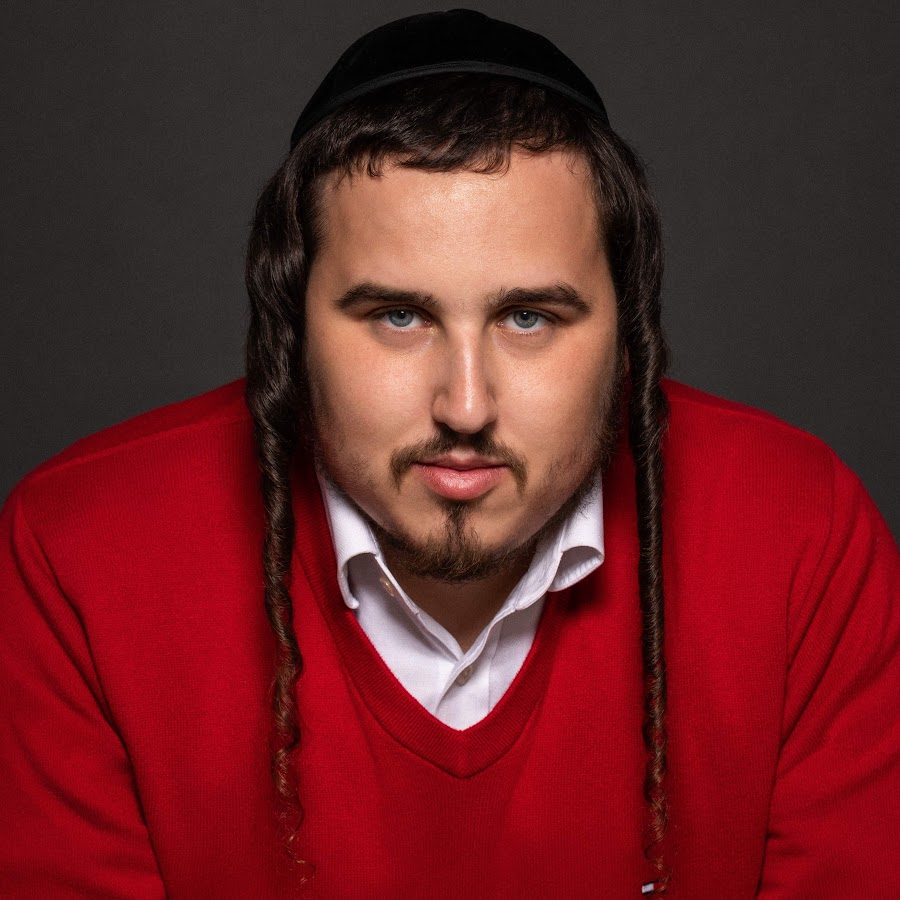
Shloime Zionce talks to Rabbi Avraham Friedman who put his career as a successful entrepreneur on the back burner to become the Director of Clinical Outreach and Oncology Coordinator at Chaim Medical: To learn more, or to donate, please visit: https://www.charidy.com/chaim
Categories:Lifestyle/Vlogs
Comments
Transcript
Auto-generated transcript. Not time-synced to the video.
Hello friends and welcome back to my
channel. Today we have something
different, something we've never done
before. This is a one-on-one
conversation with a very special man
named Rabbi Abraham Freriedman. Rabbi
Freriedman is a successful entrepreneur
based in the United States in New York
who has put his work aside. He decided
to put his business aside to focus on
work at a nonprofit called Kaim Medical.
Rabbi Freriedman serves as the director
of clinical outreach and a oncology
coordinator for Kim Medical. He helps
patients who are struggling with
life-threatening illnesses to find the
comfort, the support, and the guidance
they need to get through the challenges
they are facing medically. Please listen
and enjoy this conversation with Rabbi
Freriedman. Last night I was reading
about medical and it's actually quite a
sad and emotional story about this young
boy who gets diagnosed with a terrible
form of cancer, lives for a couple
years, he's going through treatments,
then his the time, you know, he's
turning 13 years old. It's the time of
his bar mitzvah and he can't speak
anymore, but he's still at this event
and he's dancing. He's trying to be
happy and then he passes away. This boy
was Kaim Kahan. Right.
>> Right.
He was the son of Shvi Kahan who upon
the passing of her son where you know
most people would just
sit back, mourn, you know, and go on
with their life uh as best as they can.
She did the opposite. She didn't sit
back and she decided that the journey
that she went through was a very very
difficult journey.
Uh you know the the maze of the medical
system is very very complex and she had
a very hard time going through that
process and and and getting help. There
was no one to reach out to. And she
decided that in memory of his son, she's
going to do something that other people
that unfortunately, you know, Hashem
gives them something very, very
difficult that they have to go through
should at least have some support to be
there, whether it's helping them,
connecting with the right places,
whether it's helping them, you know,
emotionally, whatever the need is. And
that's where this whole thought and
process came as far as you know
organizing this organization medical.
>> Okay. So, god forbid a family finds
themselves in a situation where somebody
in the family gets a terrible diagnosis
and they're completely lost. They have
no idea where to go, where to turn, who
to talk to, who can help them, which
treatments are worth pursuing, which
ones aren't.
How does how does a family find out
about Kay Medical and how does Kay
Medical get involved in their story? So,
first of all, we don't advertise. I It's
just not something we do. Go out and
advertise in the public.
>> So, it's just word of mouth.
>> It's mostly word of mouth.
>> And as an example, on my way walking
here, someone called me that I happen to
be taking care of his friend or
whatever, and there's a family situation
that just developed and can I help him?
I said, "Sure. You know what's going
on?" and he didn't even know exactly
what the diagnosis is, but I'll be I'll
be having it on my lock soon and you
know, we'll try to figure out how to
help this person and you know, going
forward. So, as far as uh that type, so
that's that's what we get all the time,
you know, when people call us just word
of mouth, but we do have an intake
system. People know about us, whether
they've had experiences in the ba in the
past, whether they have family members
that have dealt with us, whatever the
situation is, they do have our number.
And many people who have dealt with high
medical in the past will not go anywhere
else they first phone call any medical
issue whether it's severe whether it's
very serious or just you know minimal
something and needs guidance they will
put in a call to high medical we get
upwards of 800 calls daily. Whoa. We
help I think last year I'm not so into
the numbers. I'm a medical coordinator.
I'm not so into the details as far as
you know all over but um well over
30,000 cases that we actually opened
that does not include phone calls
because many phone calls are just
answered by in intake you know it's just
a little thing and we'll just say you
know how to deal with it but anything
that's a little bit more it goes to a
coordinator that's specialized within
that subsp specialty and gets allocated
as a case as a case open we had I know
if I remember well was upwards of 30,000
cases that were opened by us last year.
>> Last year?
>> Yeah. Just in one year.
>> Wow. Now, what do these cases look like?
Are they all terminal illnesses or do
you have people calling cuz you know
child gets a cut on his face?
>> Not all not all terminal illnesses. Most
of them are not. And it'll be anything
from you know a child was born with um
some genetic issues. You know, we have a
genetic department that knows how to
deal with this. You know, people are
lost. There's a kid born and there's
something wrong with the child. We don't
even know yet exactly what it is.
There's a department here that deals
with genetic issues. Kids that were
born, something off, something wrong,
minor, major, you know, we guide them
there. Is there something that's, you
know, just basic cardiac issues? Tons of
calls like that. You know, people need
guidance, need to see a cardiologist.
They were told by their primary care
physician they have some clogged
arteries or there they have some, you
know, tracheic cardia, whatever,
whatever the issues are, they're being,
you know, to be seen by a cardiologist
or and same goes to all basic medical
specialties. Um, gastrointestinal
issues, that's, you know, huge.
>> That's what they call GI. That's GI. So
that's anything uh you know related
pancreas, liver, stomach, uh you know
all that type of stuff. And
unfortunately in our community there's a
lot of issues with inflammatory diseases
like colitis and Crohn's. We have a full
department for that. There are people
that specialize that know these
inflammatory diseases extremely well.
They work with the doctors. they know
the updated uh treatments, the updated
trials and you know and that's an
ongoing struggle. People that have this,
it's an ongoing struggle and we have a
team there to support these people both
medically and with any type of other
guidance that any diet whatever we're
there to support them.
So um and that goes across as I said you
know all specialties if you go through
whether it's neurology or OB/GYN or
pediatrics complex pediatrics you know
where we have a hospital division for
people that are critically ill or we
have people that that um deal with
transfers. It's a person in a hospital
that needs to be transferred to a
different facility. many times, you
know, you get locked up in different
situations. You need to deal with it. We
have people that know those things, know
how to deal with it. And that's that's
the the real benefit of of an
organization like high medical, but
we're not one specialty organization
across the board. Many people, it's like
a good hospital. We have departments,
subsp specialties. Every person within
medical has their specialty that they
focus on. So I do mostly GI oncology,
some other abdominal oncology, but
that's about it. And many times I get
phone calls from people saying, you
know, can you help me with XYZ,
leukemia, lymphoma, and I'll say, you
know, that's not my specialty. I know
the basics of it. There are people here
that know this better.
>> People within the organization
>> within the organization that know this
much better than me. And even though you
know me, you should really be the only
the people that know this disease
properly. And that's how we work it. And
the same thing as they get to call
something, you know, it'll come to me.
Every
case is allocated to the right person
that knows how to deal with this disease
the best.
>> Okay. What is your medical background?
Like did you start off your professional
career in this arena or what were you
doing when you started?
>> Absolutely not. I personally did not. I
don't think anybody within the
organization or very few. I I wouldn't
say anybody. We have some professionals.
We have some RNs working here. We have
some people that have done, you know,
medical profession before. Most people
are people that have
learned the trades on on their own, you
know, being with family members that
have gone through, you know, their own
paria, whatever. And and they have the
passion and they wanted to join an
organization like this. Nobody comes in
here to become rich. This is not the
place for it. People come here because
they have a passion to help other people
and um most people have gone through
some type of medical situation on their
own and they have
they're motivated to help other people.
This all comes from Jebi Khan. you know,
she founded this organization based on
that vision, you know, that she went
through and that's how most people that
she brings into the organization are the
people that have gone through their own
situations and um have the passion and
motivation to use it to help other
people.
>> When you say people who work in the
organization are are those who've many
of them have gone through something like
this, is that true in your case?
>> No. I didn't go through anything major.
I've dealt with people, family and or
friends. I always had a passion for
this.
>> I was the person kind of in that people
knew that if someone that knew me had an
issue, they used to call me and um
you know, without going into something
very personal, I was doing well as far
as my own.
>> Can I ask you what you were doing?
>> I was in business, import export
business.
>> Okay. and some other things. Basham
doing well. But I married my youngest
daughter
about five years ago. Bashem
gave her children. Gave all my kids
everything that they need. Everybody
settled and it's my my personal decision
that I decided to do something that's
meaningful. And it was it wasn't even I
didn't even have this in mind but it was
something that I was think helping
someone with something this person knew
Mrs. Kahan and mentioned to her why
don't you this person you know he may be
good for your organization. She called
me down for an interview. I said you
know what I join for a few hours a day.
Let me see. I quickly realized there's
no few hours a day there. There aren't
enough hours in the day to do this. You
can do this and do something else. I
kind of backed up from, you know, what I
was doing full-time and um and made this
my life, so to say. It's a 247
job.
>> That's beautiful.
What does a typical day in your life
look like?
>> So, I'll give you an example of a day
like today.
I never have to go back too far back. So
this morning
at 4:00 I was waking up. I was thinking
that I put on the phone with a patient
yesterday I don't know late in the day
patient's not doing well u at a juncture
where we have to decide what the right
treatment for the patient would be
whether to go for surgery if it's the
right time to go for surgery or you know
continue with some other treatments
maybe push off the surgery. young man it
needs, you know, we need we need to make
a difficult decision and it needs to be
biscat desire the right decision and I
said before we make this decision with
the doctor team that we're with now and
it's a great doctor team there's another
doctor team that I work very closely
with and I wanted to see them and but
you know I put down the phone with one
patient I'm on to the next one
unfortunately it's just an ongoing thing
and um
and I remind myself in the middle of the
night that I need an appointment for
this guy within the next 2 three days.
Um, they usually see patients on
Thursday. And I said, you know, I I need
to they're going to make room for me,
but not if it's uh, you know, it gets
too late,
>> right?
>> So, I was up early morning before I
usually get up early, but this was
earlier than early. sat down on my
computer, prepared the patient's um you
know, recent reports, imaging, put it
all together, sent it out to the
doctors, and I think I think by 7:00,
one of one of the teams, I copied a few
of the doctors on the team. One of them
answered me, must have been 7:00. I
don't know exactly when it was
>> in the morning.
>> 7 o'clock in the morning. Sure, we'll
see him. And um you know, copying the
secretaries and the team there. Bottom
line is the patient has an appointment
for Thursday morning. So that's how the
day starts and then you know of course
I'm in touch with the patient and then
just walking to the office. I was I was
trying to think back this morning. It
was just a very hectic chaotic day but
um got a new patient during the day at
some point called in newly diagnosed um
unfortunately very serious case. I was
busy with that. One of my colleagues
called me with a different case that's
not on demi but I wanted to discuss it.
This is how we work it here. We have a
so-called tumor board where sometimes we
all get together and discuss. We always
do that. We discuss complex cases. So
that takes up certain amount of time
almost every day when we have to talk
nobody not always but in many situations
we don't want to make decisions on our
own. So even though I do GI ancology, we
all know a little bit from each other
and we like to discuss things.
So that took up some time today. Um that
just ongoing cases. I have another case
that's very serious. Um a very young man
that um unfortunately is progressing and
we need to get him on a clinical trial.
>> That means that the traditional
>> traditional therapies are kind of
wearing off. I don't like to wait till
they're really worn off. Because at that
point you don't have much time. You have
to give yourself little time because
usually when people go on clinical
trials there's something called like a
wash out period. It's usually a few
weeks before you know when they finish
their chemotherapy or whatever the
system has to be clean and then they
start on this new drug. So if the
patient is really in bad shape at this
point and progressing it's it's hard to
take them off any treatments but yet
it's hard to keep them on the
treatments. I like to try to do these
things as soon as I get a feel that this
is going to be needed shortly. So what I
do is again you know this is reaching
out to multiple doctors multiple
institutions that are running clinical
trials and so in order to do that and to
do it properly
I gather all the information I go
through this patient is going on already
probably for four years. I go through
from the beginning to end. Pick out all
the important things, you know, all the
diagn diagnostics, the treatments that
he's gotten over the years and all of
that. Put it all together. Beautiful
timeline. I have a system. I do that.
Prepare it. Then once it's all ready, it
goes out to multiple teams that I have
that I'm connected with both oncologists
and um specific places that specialize
in trials. I have some trial
coordinators that I that I work with and
knock on all the doors, try to get the
best trial. It's not only trial. You can
get a trial very easily. Unfortunately,
most trials are worthless. They just
they release a drug for phase one first
in human thinking that if you target XYZ
protein, you know, you may stop the
cancer from progressing.
Most cases, it's it's what we say.
Most most of these things don't end up
working out. And to send a patient to do
that, a young man is very I don't want
to do it. So we really try to focus on
targets on on on specific trials even
though they may mean new drugs but
depending we sit here we evaluate each
trial if it makes sense if it's
targeting a target that we feel has been
targeting in the past I don't want to
get too technical but something that we
think has potential so there's a good
drug already and trial for that now
there's another one coming up makes
sense that this is going to work based
on what we could gather best guess you
know so those are typ trials that we
target and um reach out to multiple
institutions, see if they have what they
have open, what they have available,
what we can list for. So that's a lot of
work. It's a lot of lot of work and it's
hard to give over for someone else to do
it to know what's important to include
and how to word it and how to lay it
out. I do have some people helping me
out with that, but I still have to be
involved in the details how to put it
together. So that was something I was
doing today for a particular case. It's
hours of work um in in between taking
phone calls going on with with you know
new patients ongoing patients is just a
constant ongoing thing. I was walking
care I was on the phone with a doctor
one of my patients developed a UTI which
is not really something that I deal with
but my patient I reached out to
urologist and I said you know we just
ran labs on this patient can do me a
favor take a look at it and let me know
what's going on. He called me back now
at night and you know we discuss what
the issues are and what to do. That all
goes into a days of work.
>> It sounds like a really uh really busy
day.
>> Yeah.
>> Now how many teams does Kai Medical have
um in terms of different departments or
different illnesses that they deal with
and what is the size of these teams or
how many people are in the organization
as at a whole? So we have
probably in the range again I'm not good
at the technicals the numbers because I
know who I call I know who I work with
but we have people within every like
like you go into a hospital there's you
know pediatrics OBGM gyn um neurology
cardiology gastroenterenterology
opthalmology
orthopedics
um
you know you go through it. Oncology, we
have like six, seven people working in
oncology or maybe even more than that.
Um, and then we have a big support
staff. So besides the coordinators in
any specialty, we cover every specialty.
So, and even within oncology and cancer,
everybody does their own. They may do
two different two things, but everybody
focuses on what they do, but yet we
sometimes share so that everybody has
some knowledge in in in everything. So
we can cover for each other or discuss
cases with each other so that we deal
but across the board you know there's I
don't know how many people that we have
we have an intake department the people
that answer the phone calls they're well
trained people how to answer and and you
know to know what's serious what's not
what they can just you know discuss with
the patient what needs to go urgently to
a coordinator we have a system how when
a case comes in it's marked as urgent
those cases have to be called back and
even though we're busy and we got
multiple cases but ones marked urgent
have to be looked at within an hour. Um
and um so that's the intake. Then we
have a tech department.
Multiple
women work in that office where they do
tech. So if I, like I said before, I'm
putting together a case that I'm going
to send out to a doctor's
many different reports that I need. They
may not be available. There may be some
of the imaging was done at an outside
lab somewhere, an outside imaging place.
They'll reach out. They know how to do
that. Get the reports, get the actual
images. We have a system how we upload
it to us. And we have a system how we
share it with this. I don't know that
system. I just know that it's magic
here. I put in my request to my tech
department. And within, you know, no
time, I have it all prepared for me.
They have all the imaging that I need.
They have all of that. anything that
goes on, there's an issue with a patient
getting into their portal or whatever,
they have the magic how to make all of
that work. So, there's a staff doing
that. Is a staff doing insurance
advocacy? People get stuck with
insurance.
>> Yeah. Does do all people who come into
you have insurance?
>> The majority do. Yeah. Both people do.
They may have, you know, some of the
state sponsored plans or whatever, but
they have. And we figure out how to make
those work in most cases. Occasionally,
rarely, you know, we need to help a
patient get insurance, but that's not
it's not something that's very common
nowadays because the state sponsored
plans cover most of the things. It may
not be in this institution. We may have
to move around to another institution,
but in general, it's okay. But the
biggest issue with the insurance is the
insurance many times now it's dealing
with it today also. Patient call me
certain type of scan. Insurance is not
approving it. I know the spiel already.
It's a more expensive scan. They'll say,
"No, a regular CT scan is enough. We
don't need that." And I've learned
either you put up a fight, they don't
approve it, you go for the regular CT
scan. As long as the doctors work work
along with you, you do the regular one,
then you say it's not sufficient. We
know up front it's not sufficient.
There's something very specific that we
need in that more enhanced scan. And the
doctors write a note. I have the new
one. I have a CT scan, but I need the
enhanced one. And then they have no
choice in approving. So those the kinds
of things that we deal with them all the
time. They just deny stuff and our
insurance advocacy team knows how to,
you know, the roundabout ways where to
get to and how to try to push them to
make it happen. People get very
frustrated with this. I mean, the last
thing a person needs to diagnose cancer
is is insurance saying, "No, we're not
going to pay for a pest." The doctor
says we need it. You know, we need to
see, you know, this disease, what's
going on, exactly where it is, and all
of that. We need it.
>> Yeah. to get a full picture and they'll
just and and and the patient can't deal
with this. This they don't need this
because so much aggravation and so much
all of that. So, um we just uh take the
those headaches we take away from the
patient. We just tell the patient don't
worry about it. We'll take care of it.
You'll get your pesky.
I imagine for people going through an
experience like this, it can be
incredibly frightening and lonely and
confusing and it's really incredible
that you guys are there for them. What
are the
list of services that Cayenne Medical
provides to these patients? So let's say
somebody calls in newly diagnosed with a
terrible illness.
Who's answering the phone? What's what's
happening? Normally the first thing is a
person calls in and and and the one
thing I would say a lot of people that
they get diagnosed and say I'm not going
to tell anyone and they start doing
their own thing. I many times that I get
patients that have started and it's very
important where you start out
that you don't jump.
Call someone that knows and understands.
Have a conversation. know that you're
doing the decision now and there's
nothing wrong getting a scan or whatever
but don't make any major decisions
before you discuss it with people. So if
a case comes into us we get a call and
and a person calls in they were
diagnosed with you know a terrible
disease. So the first thing is and I
would say most people bar hashem are
treatable. Most people that come in they
were diagnosed whatever the diseases in
most cases the person will be cured than
me as a
>> they will survive
>> in most cases. Yes.
the cases that come in in more advanced
stages. Those are the cases usually that
come in not as advanced or at least you
know it's in a situation where
we can do surgery or we can do some type
of treatment or whatever that's going to
cure the patient. Many times the patient
comes in and they're in an advanced
stage. So that's when it becomes very
tricky because um you really got to know
what you're dealing with. You got to
understand the disease, not just know
the name and just the doctor that
happens to treat that disease. We'll sit
down, we'll go through, we're not going
to make any decisions until we have the
full picture. Full picture meaning
nowadays a lot of tests that are done on
specifically on cancer patients that
were not available like 10 years ago.
some very very subspecific
um what they call molecular profiling on
the disease which tells you what there
are no two people that have they can
have the same exact cancer two people
can have pancreatic or colon cancer
whatever it is you'll do the molecular
profile on the tumors they're not going
to be the same you have yet to see a
patient that two have the exact same
profile what I mean by profile is what
is wrong with these cells that they're
going wacko and they're, you know,
procreating and and keep on going and
causing the cancer to grow. So,
everybody has what we call in this
business different drivers. So, we've
learned what those drivers are. We can't
stop all of them, but at least we know
many of them, many we don't. We see
them. We don't know yet what they do,
but many we know and recognize that they
are drivers. They're driving this
cancer. Some of them we have targeted
drugs. You'll hear that work. Targeted
therapies which specifically target.
They may be good for this colon
canceration. They're not been going to
be good for the other one. So all those
things are things that most people don't
know and they don't need to know they
don't know. But we know it. We live it.
We study it. So when a person comes into
us, we start going through the whole
process. Was a proper profiling done? Do
we have all this information? who's
going to be the best doctor for this?
Who will think a little bit more
creative and out of the box than just go
with, you know, doing standard of care
and then when the options run out, uh,
patient could be up against the wall.
Who are those doctors that are a little
more creative? They'll start with
standard of care, but think about adding
something in depending on the specific
patient. So, we take all that into
account when we review a case that has
just come in. And we do this with the
patient. We're on the phone with them.
We make sure all the tests have gone
through. We explain to them and first of
all makes them feel much better. We
never we're never we're never negative.
That's the first thing because bam we've
seen such good things with people that
were doctors told them you know you have
6 months to live. I have patients like
basham that are here three and a half
years after doctor said six to 12
months. So you know I always tell the
patients these numbers are meaningless.
Stage one 2 3 4 it's all meaningless.
to the we'll do what we need to do.
We'll do the best that we can and you
know I I'll never tell a person that you
know we'll cure you but we'll do the
best we can under the circumstances to
make sure you give us the you get the
best chance and the reason for that is
also because there are so many new drugs
coming out now so many new therapies not
just drugs new types of therapies
interventional type of therapies that
yes if you can extend someone's life
with a year or two then it's going to be
another drug or another thing or
something that we can hopefully come up
that's going to be good for this patient
and extend another year or two and we
see these things. So that's why it's
very important I explain these things to
the patient. I don't go into all the
detail but you know we walk them through
this so at least they know there's
someone there connected with the doctor
connected with them. It's the easy part
getting referrals. I mean, I call up a
doctor in five minutes. I have the
patient in. That's not a complicated
thing. But making sure the patient gets
to the right doctor and and the right
treatment plan is designed. They
understand what the plan is. They're on
board. If they want to go to see another
doctor to confirm or whatever, I'll
always do that for them. Have a
conversation, and then once you decide
on the plan, we help them get it
executed.
It sounds like you're basically holding
their hand through the entire process,
guiding them towards the right care.
Do you ever have people who are afraid
to open up about what they're going
through? Like people who who are, you
know, because of for the fears for their
privacy or they don't want people to
know that they're not well, that they
essentially refuse to get help or are
very choosy with where they go for help.
>> Yes. Yes. And it's a big problem. I'll
tell you an example today. Someone
called me came into our system as
anonymous. Happens sometimes.
Personally,
>> what does that mean? How do you contact
anonymous?
>> There's a phone number there.
>> Okay.
>> But they didn't give a name. So, this
was actually a relative, a brother to
this man.
And
>> brother to the person who was ill,
>> who was ill.
>> Okay.
>> Um, they didn't even give the right
information when they called in. I
started talking to him, figuring out
what it is. They wanted one specific
thing. if I can help him get a certain
type of test that they were told. And so
I started having this conversation with
him. So then he opened up. I said to
him, I don't care who you are, what you
are. I said, I have there's so many
people here that I know about nobody,
not even their kids know that they're
sick. I have many cases where I guide a
person and they don't want to tell. It's
not it's not the best thing in the
world. I don't I don't think that's a
good idea but whatever people want and
many many times people ask us you know
what do you think what is the right
thing to do how do we go about with the
children with parents and that type of
thing you know we'll give them our
opinion but if a person is adamant they
don't want anybody to know nobody's
going to know there's nothing going out
from our place and we'll just guide them
and walk them through this particular
person is one of those cases where when
I start to talk to them they're going
through to a terrible illness on their
own this brother is the only one that
that he's talking to that he's taking
advice from. He's by some doctor that I
don't even know who that guy is and and
I don't think and I asked him, you know,
did they do this? Did they evaluate
that? No, because he's like he doesn't
think it's the right thing. The whole
thing doesn't sound right to me. But
it's not a good idea. It's not a good
idea. You call someone that you feel
comfortable with. get some advice and
know feel comfortable that you're doing
the right thing the right place and you
know it should be the right but at least
you should try your best you mentioned
earlier um earlier you mentioned that in
our communities you said GI is like a
big a big thing a lot of issues there do
you think there's something we as a
community are doing that drives that or
is it hereditary what do you think
>> I I once heard a doctor
giving a presentation on um you know
people going for screening whatever the
disease were was and
they were giving a whole you know
genetics
family history.
One of the lines was Ashkanazi
heritage. Anybody from Ashkenazi
heritage is at a higher risk of some
type of German eye mutation. sometime of
you know something within their DNA that
may be mutated and for whatever reason
that's how it is and some people we
recognize it very quickly so if they
would go for a genetic test we would see
that they have a mutation and many times
you won't see it but all of a sudden
you'll see there's six people in the
family unfortunately that are sick with
you know cancers that we know run within
the same genetic
area and um you know there's something
happening there. There's a family
history. So it's unfortunately it's very
common. So as far as GI gastrointestinal
issues is very common within our
community and specifically Crohn's
disease, colitis and then there's a lot
of data now showing that those people on
occasion not a lot but there's a
substantial percentage that
unfortunately to transition later on to
cancer. So the the people mostly are
aware of this. They do very
very frequent screening, you know, to
make sure that it's they're taken care
of. If anything shows up, you know, it's
removed. But um it's unfortunately a
major issue in general. In general, they
just lowered the colon cancer screening
guidelines from 50 to 45 um recently
because even in in the non-Jewish world
all over the place, it's just going up.
young onset of of especially colorectile
cancer has been climbing over the last
few years like crazy and I always say
our community we always have to if
they're climbing we're climbing a little
more than that so I always tell people
is anybody in the family that has it go
early doesn't matter just get it done
>> are there any patterns you see within
community behavior things that are
perhaps unhealthy that you think should
be reconsidered or done differently in
order to avoid getting ill.
>> Again, I'm not I'm not a doctor. I'm not
a scientist. But from what I can
observe, I think and especially why
there's so much gastrointestinal issues.
I think it has a lot to do
say a lot. You know, some of it is
environmental, you know, where we live
and but it does have something to do
with how with our diets. There's no
question about it.
>> What we're eating
>> what we're eating, no question about it.
You know, we eat a lot more processed
foods than our parents did. Especially
all these snacks that we eat, all these
spicy snacks and all that. Kids are
stuffing on it has all kinds of junk in
it. It's it's really unhealthy and and
not necessary.
>> Are there any specific guidelines you
would give people to say, you know, like
you want to stay out of our office, try
to stick to these things?
>> I would say as far as and there's
organizations now that are going doing a
good job at that. um encouraging people
to go for the proper screenings, men,
women, extremely important. I think
people overlook that and and it saves a
lot. I would say the majority of the
cases that we get is because people
didn't go do their screening properly.
So, we'll get, you know, you get a 30
year old with colon cancer,
unfortunately, you couldn't expect the
person to go, you know, they weren't
supposed to go. What age do you think
people should start going for these kind
of screenings?
>> You know, at least follow guidelines.
So, whatever the guidelines are, so you
start 45 with the colonoscopy, you know,
for women, whatever their their their
guidelines are. But it's important at
least to follow the guidelines. And I
tell people if there's family history,
young onset of cancer, go earlier.
Whatever the guidelines are, take off 5,
10 years, just go earlier.
>> And are these yearly scans that people
should be doing?
>> No, it's usually not yearly. Let's say
colonoscopies usually if you have one
and and it's mostly okay it's usually
five years it's just when you start you
get the first one if someone gets
diagnosed by the 50 with a large colon
mass it's been growing in there for a
long time
>> and if we would have had it 10 years ago
it was a small polip would have been
removed so you know we know this disease
is prevalent in our community and I
think people should be extremely aware
of it and and go for screening it's not
the most pleasant thing but it's Not
complicated.
Day in and out. It's done and you feel
so much better. You know it's done. I
have sometimes I had a person calling
in. The guy was he called in our GI
department and the person that was
handling the case called me if I can
please talk to this man. This man was
panicking. He had some issue with his
some stomach pains. He was convinced
that he has cancer and he's dying. I
said go do a no. scared to do coloss
because he's going to find out that he's
that it's true what he's dreaming about.
>> I said, "Do me a favor. I can guarantee
you you're not dying. Nobody needs you
there right now. Just go do your
screening." He calls me with the biggest
s and I got him. I called the doctor. I
said, "Do me a favor. Screen this guy.
He's extremely anxious. He'll call you.
Just, you know, walk him through it.
Make it easy. Make it light." And uh so
got him in and he called me a few days
later. Ahm there was nothing there. I'm
doing well or whatever. So people just
have this anxiety about it and many
people do and and and because of that
they don't go.
>> It's not going to help you. They're not
going is not going to help you.
>> Right. Well they say like you know you
can't get high blood pressure if you
never get tested. Right.
>> Exactly. It's just going to put you at
ease. So you may as well do it.
>> Yeah. But people are afraid to know in
case there's something wrong. But this
is something most of these diseases and
especially in colon cancer which is so
common it can be prevented
>> and I'm not saying again as I said
unfortunately we get many cases of very
young people that you say no it doesn't
make sense they shouldn't have been they
didn't need to be screened unfortunately
but I'm talking about the 50 and 60 year
olds most of these cases when they come
in and they're advanced they could have
been prevented if they would have done
you know the 50 or the 45 or whatever
done a screening so It's very very
important. Don't push it off. It's very
important. It's not complex. If you need
a referral, you call us in. We set it up
easily. Within a week, you'll have it
done. And and and you be going on.
>> Okay. Now, where do you operate? We're
in the United States. Do you operate
internationally? How does that work? If
somebody from Israel has a problem, can
you help them?
>> We have many Israeli patients, but
again, we're not an organization that
helps within Israel. We're just not set
up for that, you know, to help people,
guide them locally. But we do have
people that evaluate Israeli patients
that call in that want to come to the
United States. Now, a lot of people are
say, "Yeah, I'm going to go to America."
But is there something in America that
is not available in ancestral? You know,
is there something is it worth coming?
So, in those cases, yes, we take in many
times. I get cases to review and to see
if I have any input if I think it's
worthwhile for these people to come. So,
yes, we deal with Israel all the time. I
deal with London patients, England
patients all the time, from around the
world. Mexican patients, Panama
patients, we have patients from around
the world.
>> Is there people who are coming here for
treatments?
>> Um, many do. But even locally, I'll get
many times I'll get calls whether it's
through community organizations that are
there. They'll call us and say, you
know, we have this patient here, a young
mother that was just diagnosed with
something. Is there someone there that
can help us just to give us some input
what we should do and how we should go
about it? And we'll sometimes have
someone there communicate with the
doctors there and if we feel that
they're not doing right, we'll try to
connect them in a very respectful way.
We'll say, you know, we have this great
doctor here in New York. Would you mind
having a conversation with them? I've
done that many times before. So, yes, we
help international patients many times.
Um, but yet the majority is here, the
United States, and the real majority is
here in the tri-state area. So, um,
but we cover it everywhere is the bottom
line. Anybody that calls in, we're going
to figure out a way to help them.
>> That's beautiful.
I know that unfortunately there are a
lot of people who are going through
periods of illness and I recently was
talking to somebody who was struggling
with a very um aggressive type of cancer
and he was telling me that one of the
most important things he feels for
people to know about people who are
suffering from cancer or other serious
illnesses is that if the surroundings if
the people around them are positive and
are you know trying to give off a good
outlook that things are going to work
out properly proply it really helps them
heal and vice versa. God forbid if
person feels that there's no hope or
even if even if uh medically speaking
there are things that can be done. If a
person on their own has given up then
it's kind of over for them. They're not
going to be able to fight through it. So
I wanted to ask you if you have any
stories that might be encouraging to
others who are going through something
like this.
>> So I would say yes. It's very very
important to to stay positive. That's
one of the things as I said before which
is something we do when a patient calls
in. First thing we do and we're pretty
honest. It's not like it's not like
we're giving the the patient the madeup
stories. We're pretty honest about it
and we say listen we're going through
this. It's going to be a struggle but
meam you know there's light at the end
of the tunnel but you have to be strong.
I have this conversation with people all
the time. You have to be strong. We'll
walk you through it. It's not going to
be a walk in the park, but you're going
to go through it and it's hashem. You're
going to come out and we're there to
support them all along. And we talk to
family if the patient lets us talk. I
never reach out to anybody in the family
that is not aware that I was not in
touch that the patient told me it's okay
to speak to.
>> It's always very discreet.
>> Always very discreet. I will never talk.
And I've had many times with patient
family members call in and say, "Were
you taking care of my brother, my
sister, whatever?" So I don't know. I
always tell tell people you know if I
know if I don't know I don't know and if
I know I'm not going to say anything. So
you know don't ask me.
>> I have many times people calling you
know about this one that's like I don't
know. So the bottom line is I wouldn't
talk. But if it's someone that's
involved in this case let's say a
husband a wife a child whatever it is
we'll have these conversations saying
that it's important to keep positive
vibe. It really is important. It's not
just, you know, this is not just that we
think it is. It really is. Doctors are
going to tell you it is because um it it
it affects the person's overall
well-being. If a person is down and
depressed, they will not eat, they will
not drink. You know, when a person's on
these treatments, it's very very
important. As is, you know, it causes
people to lose some of appetite and
whatever. And depression even you know
just just aggravates that extremely
important to try to keep as positive as
possible and people sometimes will ask
what do you think might be possible I
think it's going to be I'm going to be
alive you know what possible because if
you're going to go on with the positive
you're going to do the things right
let's say exercise many studies have
come out that it's as important as the
drugs that people are taking for the
treatments to exercise go out don't lay
in bed and just lay back and let the
disease is uh take control. Go out,
walk, exercise, do what you need to do.
Extremely important. There were major
studies that came out over the last few
years saying that literally exercise as
important to the person's wellbeing. And
it all fits into the same same thing
because if a person is out exercising
makes them feel better, makes their body
feel better.
>> So, but I just I want to get a clear
understanding of that. You're talking
about the exercise. You mean from a
medical perspective the exercise fights
the disease as much as the drugs do or
from a mental perspective?
>> So it's a combination. You know the
bottom line is the studies have come out
showing that people that are on
chemotherapy and exercising have better
overall survivals that people that are
on chemotherapy and not exercising. What
the reason is you know we can we can
extrapolate now. It has to do with with
um you know the mental part of it. It
opens up the cells to absorb the the
treatments better. Whatever the reasons
are, it definitely helps. And I've had
patients that I've, you know, I've
encouraged to do that and and they
always tell me that, you know, it makes
them feel better and and and it's hard.
>> It sounds like an awful experience under
estimate what this disease does to
people and how weak them, what the chemo
does,
>> but so we can't tell a person, yeah,
just go out and run. They can't. It's
hard on them. But we can encourage them.
go out, take a walk, just walk around
the block, get a friend walking around
the block or that type of thing. And
it's really, really helpful
>> as somebody who is
essentially living within a world that
is constantly
surrounded by the, you know, the talk of
serious illness, sometimes death, this
kind of thing. How do you personally
stay positive? Do you ever feel like
you're getting bogged down or
overwhelmed by other people's problems?
>> I would say yes. It's a struggle.
Um
that's why we always we have groups here
amongst us. We always, you know, try to
chat and and and keep positive. The
thing that keeps us going, I always say
and I say to my colleagues here, it's
not that anybody's going to come and pat
you on your back. not going to happen.
It's not a thank you. It's not there.
It's knowing coming home at night
knowing you know we did what we did was
very very hard but we got a person
that's in a very very difficult
situation. We we made their life a lot
easier. That's what we take along with
us and I think that's what gives us
that's the only thing that gives us and
it gives us a lot of physics. So yes, it
gets you down, but at the same time,
there's nothing in the world that gives
you the satisfaction that this job gives
you.
>> Wow. I understand that in the next few
days there's going to be a fundraising
campaign to help Kai Medical continue
with their work. What do you want people
to know about Kai Medical that I may not
have asked you? If you, you know, if you
had to give like a elevator pitch to
people about the organization, what do
you want people to know? you know, with
we're sitting in and and discussing, you
know, the the benefits and all that.
We're getting into a lot of the details,
but overall when we started out, what I
was saying is when people have any type
of illness, people realize that they
just don't know what to do. The medical
system is extremely complex. When a
person calls in here, it takes up it
takes off so much pressure from their
overall situation. We're there to help
and we're there to help in many
different ways to make a difference both
emotionally,
physically to help them out. Whatever
their needs are, we're there to support
them 24 hours a day. Any emergency
situation, we have a 247 emergency line.
anything anybody ever needs. There's
nothing that's too big that we're not
going to deal with. Not to say that we
can do everything, but we will put
effort into anything. And as our
founder, Chevy, likes to say, we're an
unstoppable bunch. And I sometimes
marvel at the people here. Literally
unstoppable. There's nothing. We have
patients that have been in in the most
difficult situations in ICUs and very
complex situations. and we will check in
you know once we get called and and see
and we have people that can actually
analyze the details of the situation the
person is in and we are going to reach
out and try to make a difference to the
patient and the family that's there.
So
my pitch is
it's an organization that since its
founding has helped 150,000 Israel. It's
a huge number and it goes on. As I said
last year we had over 30,000 cases and
we get in the range on average 800 calls
a day. All this costs money. It's not
easy. the people here, you know, work
not for a lot of money, but for whatever
they work, they need to get paid. Um,
you know, we have the offices, we have
the best equipment, we have whatever is
needed to make a patient's life easier
and better. And, um, we ask you, you
know, for your support.
>> Thank you very much. That's beautiful.
And I appreciate everything the
organization does and what you're doing
personally. How does it feel to walk
down the street and bump into somebody
who you know probably their neighbors
and family don't know but you know was
once on the brink of death and has made
it back made a comeback and is now
enjoying their life again.
>> I was going to say a story because it
just happened. I just don't want to, you
know, but this this happens often
hashem and um
just bumped into someone. Person didn't
know that I was the one helping him.
>> Oh, somebody you only spoke to on the
phone.
>> Spoke to many many times. Got this
person through. Person didn't know who I
am. Got this person through Bash. A very
very difficult situation. He went into a
hospital.
upstate somewhere,
got a terrible diagnosis.
It was late at night one night when he
had a scan there. Um, he knows someone
that knows me. The doctors there told
him, "You got to reach out to one of
your organizations."
>> The doctor sent to him. The doctor said
to him, they know already when you know
in in in the hospitals where there's
Eden, you know, they know it's a
situation where you need help and you
should call one of you know like someone
like high medical or whatever person
knew me personally. I got this call. It
was um
Wednesday night, one late night or
whatever it was towards the end of the
week and um I still had doctors on the
phone that night
reviewing the imaging trying to figure
out what we're talking about
encouraging him that he'll be, you know,
we'll do whatever he can. It's not the
worst case scenario. Um ended up not
being as bad as it looked like. Bam was
something that we were able to help
surgically. got him to see the doctor
the next day. Within a week, he was he
had the top doctors doing surgery on
him. And I happened to meet him once
with this guy that knows me and he
introduced him to me and it was an
amazing feeling.
>> Wow. Sounds incredible.
>> So yes, it does happen. And this is ask
me how we go on. This is what this is
our this is how we go on. This is what
keeps us going.
>> Amazing. Thank you very much for your
time. I don't want to think too much of
it.
>> My pleasure.
>> And uh hopefully we should only hear
good news.
>> Amen. Thank you.
>> Thank you for being here. Thank you for
watching and or listening to this
episode. Of course, we want to thank
Rabbi Freriedman for sharing his
precious time with us to come on the
podcast. And I want to remind you guys
that medical is doing a campaign this
week. They're doing a charity campaign.
They're trying to raise money to help
them continue with their life-saving
efforts. So, if you would like to
contribute to the CIA medical campaign,
please go to charity.com/heim.
That's ch a r i dy.com/ch
aim.
Of course, you can donate over there and
please tell your friends about it. Thank
you all for your support. I'm going to
put a link up here in the video screen
as well as down below in the
description. So, once again, please open
your hearts and your minds and your
wallets. Donate generously. Thank you
for being here and have a wonderful