0:00 / 0:00
Shabbos Ha'Gadol 2021 - Growing Community Larger & Smaller At the Same Time
6,358 views
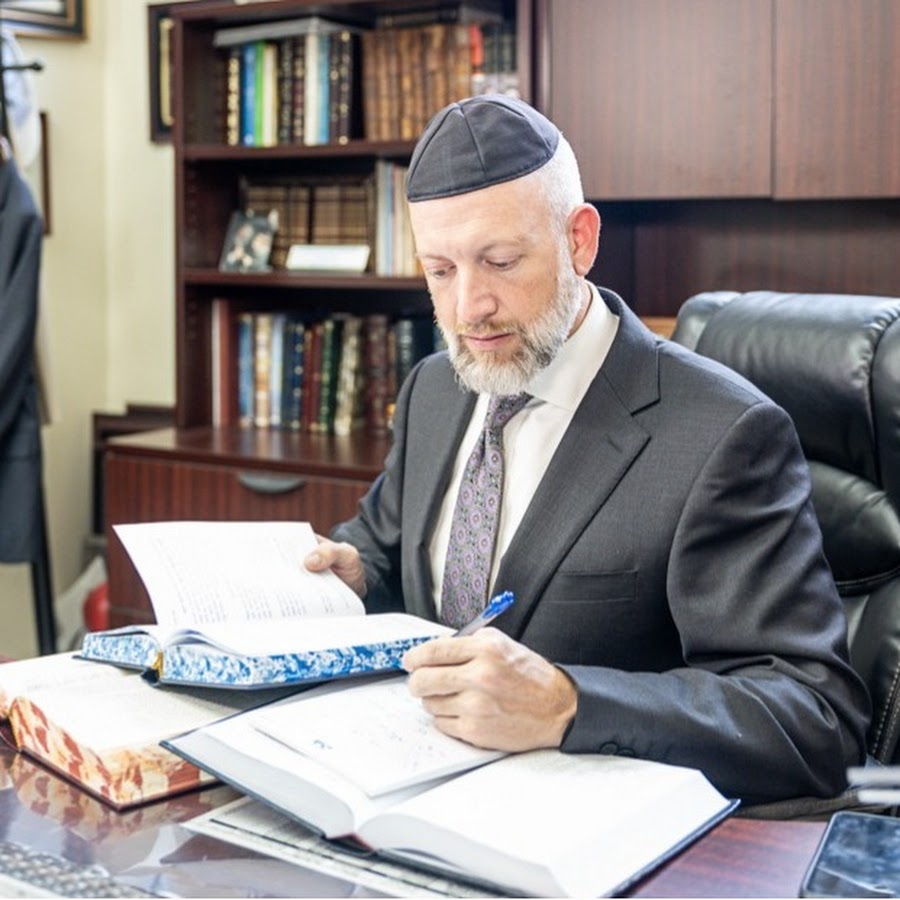
#pesach #passover #judaism This has been a year of isolation, of family time, and distance. The message of Pesach and the Korban Pesach can teach us powerful lessons about the importance of both the family and the broader community. For source sheet: http://rabbiefremgoldberg.org/hagadol.
Comments(0)
Transcript
Auto-generated transcript. Not time-synced to the video.
it says time to go live okay
you ready tell me when we're live
good evening and welcome back to those
who are in person with a joy what a
pleasure what a privilege
how exciting it is to be together i'm
going to open with words that i've never
said in the shabbat show versus
russia in my life most
years because it wasn't necessary last
year because i was here alone
but this year i asked you if you have a
cell phone to please turn it to silent
or to turn it off so it doesn't
interrupt us i want to begin by thanking
our generous sponsors our dear friends
the friedman and cohen families
who sponsored the shabazikalo drastic
loving memory
of rabbi simcha friedman of helen kohan
two individuals who are not only
your teachers and your mentors who are
biologically your parents but who are
sources of inspiration
to all of us we continued to draw
from their energy from their lessons
from their legacy from their lives
they stood exactly for what we're going
to talk about tonight
the notion the importance of community
of caring about that which is bigger
than ourselves
of a willingness to sacrifice to be of
service that defined
their very lives we miss them and we
thank you for generously sponsoring in
their memory
for those who are watching virtually you
can find the source sheets for tonight
rabbi from goldberg dot org slash hagado
by ephraim goldberg.org
for those in person who are watching
feel free to follow in the source sheets
or if they're a distraction as i tell
you every year just listen
and read and learn and review them later
i want to welcome you our beloved brs
family
and i want to welcome our brs global
family
around the world who we've been
privileged to connect with and to learn
with
throughout this pandemic one of the
benefits and opportunities that
presented was to create and broaden
our sense of community and if you'd like
to be part of that brs global community
which includes bonus learning
opportunities and content
you could visit brsonline.org
global take a moment with me
to remember what it was like this time
of year
the world as we knew it the jewish world
in particular was shut down
we didn't have any minion not in our
driveway not in our street not in our
backyard
certainly not in this shul we were
utterly
shut down everyone was isolated entirely
from one another there were people
who spent the pesach seder unimaginably
all alone one year ago we were divided
we were fragmented
against our will and not by our design
because circumstances spread us apart
and it had a tremendous downside the
likes of which
we will suffer from undoubtedly for
years to come
people who i said spent the seder alone
last year i left my cell phone on and
gave the number out
that if anybody felt so isolated that
they considered
something drastic or dramatic if they
needed support they should call
and i never imagined anyone would take
me up on it
imagine my children's surprise when they
saw me
several times over the course of last
pesach of itself answered the phone
and each and every time it rang it was
for a good reason and i'm glad i did
last year that separation that isolation
that apartness
there's no question that had an impact
as i said
that we will first begin to understand
the ptsd as a result
in the years ahead but while it was a
downside and while it posed countless
challenges
it also presented opportunities we
learned and discovered things about
ourselves
about our family and about our community
how many of us found you know when i
darven at home
i daven with more kavanagh i move at my
pace
i dive into the times convenient for me
how many described singing kabbalah
shabbas together with their family
what a monumental experience to be with
a spouse with children
and to sing each paragraph every person
became a cohasen in their own home
everyone was a gabai in their own home
everybody gave the drusha
in their own home everyone was the
president of their own shoe
there were opportunities for each of us
to run our house
the way we wanted we went for walks
every shabbos we played board games and
sang samiros
we occupied ourselves not only on
shabbos and yanta but throughout the
week in ways
that we never did and we never imagined
that we could
and so this pandemic it's been a crisis
and it's been challenging but it's also
invited us for opportunities
last week i attended a funeral of one of
our greater community members
schwarzman oliver shalom and his wife
carolyn at his funeral said he died
tragically young and he was so generous
to our shul in our whole greater
community
but she really remarkably stopped at the
funeral and thanked hashem and said you
know hashem before you took him from me
you gave me a year
that we spent together 24 7. we had
breakfast lunch and dinner together
every single day
we talked all day and she had the
wherewithal to thank hashem that in his
last year of life
hashem presented the rafale before the
market he gave the opportunity
that they spent all day together but the
challenge of these opportunities that
we've discovered about ourselves and
about one another
is that now we've gotten very very used
to them we've become very comfortable
apart comfortable staying home
comfortable where it's safe not only
physically from a virus
but in other ways as well people are
comfortable no longer making contact
with one another
and source number one is an article
missing your hugs why touch is so
important and can mean
living longer in a recent poll 60
percent of people questions said
they would no longer going forward greet
people with a kiss a hug or even a
handshake
for fear of spreading germs now
personally i could do without shaking
hands ever again
i would be just fine but if i didn't
have the ability to hug one another
if we couldn't exchange energy if we
couldn't
support one another in moments of grief
and celebrate through an embrace and a
moment of joy
what would life look like and yet sixty
percent the majority of people
we've gotten accustomed we've gotten
used to this new norm
of this pandemic year to physically be
apart from one another
no it shouldn't be lost that corona did
for the laws of shomer nagiya more than
any seminary
or rabbits and any yeshiva teacher could
possibly do
but this is not good for us or our
mental health
if you follow this article studies over
the past 10 to 15 years show
the best predictor of your mental and
physical well-being and health is the
number of close friends you have
with whom you do all the touching
activities hugs have a communicative
value they demonstrate
empathy they are a powerful tool in
reducing our stress response
and the article quotes the countless
physical health benefits
when we hug one another it releases
endorphins it releases
hormones and chemicals that make us feel
invigorated it makes us feel
better and what will life look like if
we've gotten used to that
separateness and being a part how many
companies
and how many corporations have announced
excitedly and boldly that working from
home
it's here to stay i don't know how many
of you have even gone to work
have put on clothing from the waist down
in the last year
have attended a meeting other than over
zoom it has been said that it's
confusing
are we working from home or are we
living at work
we no longer know the difference between
the two
and do we see that as a tragedy of
circumstance that we're separate apart
that we're not able to meet someone at
the coffee machine or the water cooler
that we no longer sit around a board
table that we no longer exchange
pleasantries and small talk because
every meeting is to accomplish an agenda
and a task and yet and yet microsoft
twitter square spotify shopify amazon
and countless others have announced
new policies they're shutting down
offices and they're telling everybody
stay home and work from home and the
workers employees are welcoming that
news
but i wonder out loud together with you
is that good for us
is that who we are and who we're meant
to be is that the best of what we have
to offer source number three the bottom
page four
was a comment on an article i want to
thank my brother-in-law
yemen as always for helping me research
several of the articles in these source
sheets
in this comment on an article that
talked about people are now davening at
home for the
beginning certainly of the pandemic and
in some places we don't take for granted
that everyone's in the same place
in this story people are still forced to
dive in alone
at home and the question is is that
tragic do we mourn it do we grieve it do
we wish it were and so
do we long for when we can go back or
like this commentator
whose name online is staying home for
good
i like davening at home faster no
tachanan
no and i start on time every day
there are benefits to being at home
you're never late when you dive in at
home and nobody's
coming by for some ah nobody's coming by
to collect stakka
and you never say tachen or at least
that person thinks you don't when you
dive in at home
jokes on them but the people who are
davening in their driveway or their
front yard or backyard
who've come to love it and appreciate it
and i find very redeemable things in it
i'm not criticizing has it become a new
normal
doctor visits over virtual
parent-teacher conferences on
zoom no shaking hands and no hugging
have we settled into separateness
and if we have what does that mean for
us and for our future
is it the best of who we are and who we
can become is it the healthiest way of
living
that's what i want to discuss with you
this evening
and perhaps in an unanticipated way i
want to share with you
in our study of the history of the
korban pesach the sacrifice
the paschal sacrifice that i believe we
can find answers through its history and
laws
for how we come back together again
today
now we don't of course have a carbon
pesach today shabbos
i gave several years ago examined why
not and can we bring it back
and what would it take or what are the
reasons that preclude us from doing so
but for whatever reasons universally we
don't have a corban passat today we
don't bring a pascal sacrifice
but we still invoke it and we invoke it
throughout the pesach experience
the custom that many have it's in source
number four on page five
quoted in the ishtar god of rav that the
says this is why we recite the carbon
pasta
some have the costume in most years it's
hard to do there's so many activities
and so many tasks and to do but this
year i replaced
we have all shabbos afternoon to read
the karban pesach
i don't know how many do but where does
this custom come from so the says you
know where it comes from
we can't bring the paschal sacrifice but
when we read it and when we talk about
it um
then it says if we brought it now it
happens to be rav rook disagrees with
the shlo
and the rest of this piece shrugs it up
and says for the carbon
in particular reciting it's not enough
it can never take the place of bringing
it
and that's why there are those who have
the custom not in fact to say it
but you see that even before the seder
begins there is already a custom to
invoke
the korban pesach the sacrifice of the
pesach by reading its story
if you look at page seven three of the
customs from the seder knight
the first is the seder played on the
seder plate those learning that daphyomi
have recently encountered on the seder
plate we have schneiderlin two cooked
items
a beza and a zeroa we have the egg and
we have the shank bone
why are they there they remind us of the
carbon pesach on the carbon
when you look at the seder plate on your
seder table
you see what is a symbol that should
remind us of the carbon passage
we have not moved on we've not left it
in the rear view mirror
the hillock the hill sandwich is a
reminder of the way it was eaten at
matassas
the carbon passage was a great shawarma
ashkenazim we eat the cracker matzah
that plays with our digestive systems
but here here's where not only for
kidneys most people think the only
reason you wish you were aspartia and
pesach
is for kidneys but they eat soft matzah
it's alofa bread
so imagine you take some lamb some more
or some kharif
and you put it inside a lava bread it's
called the shawarma
that's what hillar laid on saturday
night he had a delicious ishta nur
shwarma we no longer have the carbon
pesach the lamb element
the shawarma in the shwarma but we need
that sandwich in order to remember
the carbon pasta and of course the
afikoman we break the matzah in half we
hide half of it
in order to remember the carbon passage
that was eaten that way now the carbon
passage is unique
it is distinct it is entirely different
than any other carbon and in
so many messages for us
number one azuma common source five some
of you don't know it
i don't know in the personal schools
people are running out of their homes
whether they say carbonus or not
the ritual committee that is each
person's personal address
but at schools at least at one time we
began with corbanos
we recite the carbonus in fulfillment of
that verse in the promise
that by reading it and reciting it it is
as if we did it and in there we recite
an entire chapter from the
track date of zwarchem zuma come on that
talks about different sacrifices
and we talk about categories of
sacrifices and an exception to those
categories is the passage
we single out the pesach because the
pesach has its own laws
in fact rambam in his introduction to
corbin pesach says
15 unique laws of this sacrifice unlike
the other sacrifices
so for example other sacrifices are
eaten
either in the bash proper or they're
limited you have to consume from the
barbecue that is that sacrifice
somewhere in yusha conscience him
the higher level the more sacred
sacrifices can't be removed from the
courtyard of the bayside maktash
cauchy column the lower more lenient
sort of sacrifice
is disqualified when taken out of
yerushalayim
because in that context you shallam is
an extension of the beissa mikdash
so where you can eat the sacrifice
reflects the level of sanctity of that
sacrifice where is the carbon passage
where can the carbon passage be eaten so
let's go back to mitsura and let's go
back to egypt together in that first
year
in the year of the exodus when the
sacrifice was first
mandated when moshe told the people
while yet in egypt
have the courage and the bravery and the
boldness and the resolve to take the god
the deity of your master
of your oppressor tie it to the bed post
four days later
sacrifice the god of the one who's held
you captive
for two hundred and ten years that's
called shabbat sagada it happened on the
tenth of nisan we commemorate it every
year with shabbos agado
and it was an amazing display of
tenacity
the jewish people a slave mentality a
victim mentality
had the courage to take an animal that
was the god
of their master to tie it to a bedpost
and ultimately
to slaughter it and god says take of the
blood and sprinkle it on the doorposts
and then attempt lots of ishmael you
cannot leave your home
until the morning the night of pesach
lock down quarantine in egypt god says
everybody stay home there's a curfew
lockdown order nobody can go out
why not why not so the simple reason why
you shouldn't go out is
because because god is sending some
energy some agent
who's going to slaughter the firstborn
all over egypt there is a tragedy
calamity that's going to take place
it's not a nato casually wander the
streets you don't go for a stroll or a
walk
because
because once that force is out when a
natural disaster comes our way
khalil a hurricane a tornado a tsunami
it doesn't check the mezuzah on the door
it doesn't check as somebody at sadiq or
russia when they
put themselves in harm's way so the
simple understanding was don't go out
because you're going to be harmed
however
however of druck points out in source 6
the mission of soham again those
learning that
recently encountered it asks
what are some of the differences between
the laws of the way we were
first official first given the mitzvah
of passage in egypt
and then the way we were given the laws
of korban pesach later
when we came out and one of the
differences that is listed
is this staying home now if the only
reason you had to stay home was a
technical reason
it's dangerous if you leave your house
you could die
it is a very dangerous place to be that
night the streets of egypt
stay home lock the door put on the alarm
if that's the only reason a technical
reason then why would it be listed among
the things being passed
says there must be something so much
more fundamental
in the difference between the carbon
passage the sacrifice the way it was
offered that first year in egypt
and the way it was offered subsequently
and what is that difference
what is the condition of korban pesach
in egypt
the condition of the sacrifice the
paschal sacrifice in that first year
different than subsequent years
and what is the message for us for our
lives and for our homes look at page 9.
page 9 is the 12th chapter of the book
of shemos the 12th chapter of the exodus
of the book of exodus
i bolded one word it appears 14 times in
this chapter at least depends how you
count
and what is that word bias
the home a person's house sometimes it's
used to describe the physical structure
the bricks and mortar other times
the people that live there and the
energy that happens there
but the past the word that's used at
least 14 times
over and over and over again and clearly
not coincidentally in this passage in
this section
is the word bias celebs
israel and over and over again 14 times
the use of that word why
what is the message about pesach to our
home
and to our lives now it's interesting
where is the blood of the sacrifice of
pesach when we offered it in egypt
where do you sprinkle that blood on the
doorway on the home
where is the meat eaten it's eaten in
the home
who eats it with you preferably members
of your family
in egypt one did not gather in groups
one isolated and quarantined they
created a pod
the egyptians probably the jews in egypt
didn't call them pods yet they didn't
know that we were going to structure
life as pods
but you were a pod you quarantined
together as
a unit you can't leave your house and
why is it that you can't leave the house
so the faculty in source number nine
says you don't leave your house that
night
because we were supposed to leave egypt
we were in a hurry
we were leaving in an efficient
expedited way so don't manage
your neighbor you don't say hey check
out try my shawarma how's your shawarma
there's per capita more shawarma in
south florida than anywhere else in the
world including egypt including israel
and when you ask each person who comes
to rb and says i'm opening a restaurant
i want to ask her
oh wonderful what kind of restaurant
shawarma are you aware of how many
shawarma places no no
you never tasted my shawarma so when is
it that you go to your neighbor and say
you gotta check out
my shwarma the secret is you never clean
the spit
the secret is you leave it there
overnight whatever the secret everyone
has their secret you don't want to know
the secrets
but you don't go to your neighbor check
out and try out my sharma when you're in
a rush to get out
says the abar now says it's dangerous
what are you gonna flaunt in the face of
the egyptians there's someone dropping
dead in every one of their homes and
you're gonna walk around and skip around
and you're going to go show off that you
are safe and secure it's a fool's errand
you don't do that
but there's a much more fundamental
reason the mesh
says in source 11.
and he says you know why the bias the
home is so foundational so fundamental
so central to the original egypt's
experience what happened when we left
egypt
we became a people so one might think
we became a people we are a nation we
are at seaboard
we are a community bye bye home see you
later
i gotta go to schule i gotta go to the
basement rush i have to go to the board
meeting
i have to go sit on the committee i have
so many things to take care of for the
community
in that first year when we were first
formed
the message came across loud and clear
do you know where the central place of
jewish life and living is
stay in your home nobody could go out
nobody could go out
the night sater is canceled the board
meeting is cancelled
that's filabot seabour the late marv is
cancelled the committee will meet
another time
there is no other activity that night
because the
central place of jewish life and living
where it must begin and where the story
of our people begins
is in the home writes
that the obligation to stay in the home
and to eat was a response to the pagans
of their time
who would sacrifice and offer their
children
they literally sacrificed their children
but others metaphorically sacrificed
children in the name
of community and the peoplehood and of
nation
and so the very first time that we
celebrate pesach you know where the
besamiktas is you know what the mishkan
is
in the very first observance of pesach
the place that is the holiest is the
home
and everything that happened in that
home follows the regular rules and
regulations of the bayside maktash
when you bring a sacrifice you sprinkle
the blood in our home we sprinkle the
blood on the doorpost
in the bassaniktash there are boundaries
and borders of where you can eat it
where were the boundaries and borders of
the sanctity of where you could eat that
first pass off
in the home you couldn't take it out
it was disqualified if you left the home
and this was the very conversation that
moshe
has with para in source number 12 when
paro's advisors tell him
are you crazy have we not suffered
enough
are you a glutton for punishment let him
go
so fine you shaved this motion
[Music]
the young the old we're going with our
sons and our daughters our flock and our
herds
everyone and everything we're all going
what's going on in this conversation
what does power think he is oppressed
his people for two centuries and when
he's going to finally let them go
what does he think they're going to say
anything other than we're all going what
was para thinking and what is moshe
answer
so the commentators all explained para
was thinking you claim you want to go
out
to serve god you want to go out to be of
service
so who serves god the priests so me
vamiya
give me a list of the rabbis the
rebeccans give me a list of the teachers
give me a list of the clergy they can go
masha says the clergy what kind of
religion do you think this is
the central place of religious activity
is not the shula based madrish
and the only ones who have to be
religious are not the clergy the rabbis
the repetitions the teachers do you know
who's going
all of us the young the old our sons our
daughters
for us judaism is a hag it's geshmak to
be
it's amazing to have shabbos and to have
pesach
it's amazing the gift of discipline to
keep kosher
it's amazing the interpersonal laws that
regulate who we are to act like a mensch
what do you mean we don't delegate to
the priests or to the clergy or to the
religious personalities or leaders
we are all going to it's geshmaq it's a
party
it's a hag we're all there and if anyone
is missing we're incomplete
because that's the way judaism was meant
to be lived together
a family you don't run out and you don't
run apart
and so when we're first given this law
of pesach in mitzrayim
we're given it in the context of a home
of a bias
14 times that word is used and the bias
becomes
that miniature mishkan that minister
mikdash the laws of carbon passage
within the home
parallel the laws later of carbon
passage within
the mikdash this is a fundamental
point a slave has absolutely no control
over their family life
a slave has to go out a slave
has to report a slave has to show up
paro intentionally and by design when he
wanted to break the people
how did he do it by enacting
specifically rules
and decrees against family life
aside from murdering children he tried
to divide
he tried to isolate the family because
he understood
a people is as strong as their family
life
and so what was the response and the
antidote we emerged from egypt
rededicated to a strong family life
we emerge from egypt understanding that
the central place
from which it all begins and which it
must all spread
is the health and the strength and the
wellness
of our home
that's where the story begins and that's
our religious experience
that's where pedagogically we teach that
next generation source 13
we say in shema every day everyone knows
one of my favorite
torah vishinantam we have to teach our
children
so what do you go to obviously mother
daughter are learning vishnata you have
to teach your children says the passage
yes but first
vishnath you teach children and how do
you teach children
because you speak about our values and
you live our vision
where
when you're sitting at your home what is
the conversation around that dining room
table
when you're sitting on the couch what
are you choosing to watch together
when the mail comes what are the
subscriptions and deliveries
what is being read what images and what
ideas are being invited
into the home our children are watching
and they learn not only from our words
they learn much more from our actions
we can tell them what to do but you know
where they're going to pick the most up
from
what do we do in our spare time and free
time how do we conduct ourselves at home
do we make a bracha before and after we
eat do we say thank you to whoever
shopped and cooked that food
do we get up to help what do we watch
what do we listen to how do we talk when
they overhear us on the phone
bishop is the
central place of learning it is the
first
and foundational educational experience
and when we have mobility and when we're
free to go up and about where do we go
on vacation and how do we function on
vacation
and do we find dominion or a shul are we
still scrupulous with keeping kosher
do we make time to learn each day or
does our judaism stay home when we go on
vacation are we taking a break from it
too
because our children are watching
all those tens or hundreds of thousands
of dollars of education
are important in our schools are
outstanding and extraordinary
but the primary place of learning of the
shinantan
what happens in our home certainly
but i want to share with you this
evening that i think that the
relationship to our home begins
even before we talk about transmitting
to children because some don't yet have
children
and we bless them those who want
children should be able to have
healthy wonderful beautiful children and
give them and some have children who
graduated their home
and they're no longer living at home but
the message of the home remains equally
relevant for all of
us because the message is that our own
jewish experience
doesn't sit in the khabib shul or our or
our makkah
at shul it doesn't sit in our spot in
the basement it doesn't sit in our spot
where we volunteer for
our home is the central and primary
place of our religious experience
it is where we are defined as who we are
and aspirationally
who we want to be what we find and make
time for are we generous
and do we share and do we host and do we
help
our home is what defines us
source 17 the pasta can you shia much
more familiar to us
for my house shall be called the house
of prayer for all people
such a beautiful interpretation i share
with you in source 15.
it means the following what do you mean
a simple understanding of what the
navidavi is telling us is the best is a
place for jew and non-jew alike non-jews
were also invited and welcomed
and non-jews could offer sacrifices in
the basal mittal
and that's what god is saying all are
welcome this is a place of faith
this is a place of love jew and nanju
alike
but this homelandic interpretation this
beautiful jerush
understands it differently and it says
ki bay see
my home where i live the roof over my
head
best when it comes to the other nations
and the other peoples of the world
the house is a place for mundane secular
base activity
that's where i shower and i eat and
that's where i binge watch
netflix and that's where i read
magazines and newspapers and that's
where i play board games
oh religious activity i go to the
religious place
for the religious activity according to
most nations and peoples
they segregate religion from life
so i go to do my religious activities in
the religious location
but when i'm home that's a place where i
chill where i relax
it's a place where i do what i want
where nobody's watching where i'm on my
own
not a jewish home a yiddish home is
based
if a nanji were to look at our home just
a shabbos it's
a shabbos we just finished and they
would look and they would see you washed
and you made a bracha and
you made kittish and you made a bracha
you washed and you made a bracha and you
sang zemiros around the table while
you're eating
and you shared homilies his shirt torah
messages
and then you bench you say a blessing
afterwards and then you wake up and this
one's saying tell him this one's reading
a torah book and this one's
they say what is this church a synagogue
what is your home is that your house or
is that a religious place what's going
on
over here that is our dream and that's
our aspiration and that is our goal
that our home is a place of religious
activity
it's not where we go to unwind you don't
literally or metaphorically walk through
the doorway and take your yarmulke
off i'm done being a jew i'm home from
maarev
i'm back from chakras i finished shabbos
i finished my chavruza
i served on the board on the committee i
volunteered in tamriel
and when i walk through the portal of my
door now i'm done
it's the opposite out there should be a
tangent out there should complement and
supplement
the religious activity i do in my home
and so when we first became a people and
we first became a nation
and god said offer your first carbon
pesach
i want you to do it in a way i want you
to set up your home
to be the holiest place in the community
your home to be the temple you're home
to be
the tabernacle you are the priests in
your home
we are going there aren't just other
priests
oh they have to be religious they have
to be righteous they take one for the
team and i get to eat or say or do or
marry whatever i want
that's not our religion in our religion
we are a mamlekhas khan
we are all priests in our own home if we
have children
but especially for ourselves the home is
the fundamental foundational central
primary place
of religious life and living that's why
the gemara
source 16 tells us when the passage says
the nations say we're going to go to the
house of god to the basal mitch to the
temple
it is the house of yaakov and the gemara
wonders the house of yaak the god of
yaakov
hey didn't we skip a couple generations
what happened to the house of the god of
avraham in the house of the god of
yitzchak
straight to the house of yaakov yeah you
know why because avraham called
god's house maria he called it a
mountain
and that's a pretty accurate description
it's a mountain we try to climb it and
aspire we stretch we reach
we try to climb the mountain of
spirituality
but you know you can't stay on top of
the mountain you got to come down
so that's not the best depiction and yet
he called it
he went to go speak to god in the field
and a field is a place of planting
and blossoming and blooming a field is a
place that generates growth but you know
what happens after you
harvest it lays fallow it works in
cycles
so that's not the best example but
yaakov what did yaakov call it
he called it a bias yaakov called the
religious center of life
he described the besamiktas if he had to
come up with a parallel
he said it's a home it's a house and god
says you know i like that
that's the most accurate description
because it all begins in the home
says reverse that god himself endorses
yaakov's description of a bias
a base elokim it's a place of virtue and
nobility
of honesty and integrity of khasid of
learning of generosity and of kindness
it is asha mayam our homes are the
gateway to heaven
yes the shul and yes the best meditation
yes yes the volunteer has
but our home is the direct gate
shara shamayim to heaven learning and
growth and breakthrough
does not take place outside pesach
mitsrayam
was in the bias celebs sprinkle the
blood in your home
and you can't take the meat outside of
your home because our home is not just
for eating and sleeping and
entertainment and recreation
it's not just a place to store and
accumulate in the mass are things it's
not just a place so amazon drivers have
somewhere to go
our home is a religious center and if
you want a small piece of heaven here on
earth
if you want to welcome god in if you
want to feel his presence daily and
regularly in your life
if you want a fertile classroom and a
place of higher learning
then it begins in our home it's what we
say invention
is wonders
but my father is not in my father's not
a rav or a rebbe
my mother may not be an educator so why
are we describing him as a teacher
avi mori me marasi why are we describing
them as a teacher serge of shema
kaminsky
because by default automatically every
parent is a teacher in their home
the way we act the way we conduct
ourselves the way we behave is
transmitting
much more directly than whatever we do
with our mouths
is what we do with our hands and our
feet what we do with our actions
it's the core definition and destination
of religious experience
and that's what this year taught us
earlier this year
we were all relegated only to our homes
like that first
pesach in mitzrayim we were locked down
we were quarantined we had a
self-imposed curfew
nobody can go out do you remember last
pesach there was no minion
last pesach we thought if somebody would
see me from a block away
with three masks on i dropped dead how
far apart we stayed from one another
people were locked down my parents and
in-laws were each a block away and
everyone had seder by themselves
it's unimaginable two years ago you went
to believe me and two years from now
even though we lived it we won't believe
that story that people were a block away
from others
and yet we remained alone we remained
alone
in a bias because that's perhaps where
it all begins
and maybe maybe the almighty was
reminding us to go back to basics
and return back to the central place of
jewish life and living and to go back
into securing the boundaries of our home
and realizing
that pesach and our judaism and our
yiddish kite begins
at home that's where it begins
esther youngrich robertson youngrich
tells a story of each day in
bergen-belsen
they were given a ration of still bread
aeration of bread
she says her father would hide a small
piece with a great sacrifice
and her mother would collect the small
morsels and shabbos
would approach her father would gather
and say close your eyes
would gather these children around and
say close your eyes my precious children
and make believe that we're at home
mama's baked fresh challahs and the
tables covered
with a beautiful pure snowy white
tablecloth
and the candlesticks are glistening and
we can bask in their glow
and there are angels all around us and
then he would begin to sing shalom
aleichem
in bergen-belsen to begin to sing the
words
to shalom alechem to welcome the angels
so she describes that one friday night
my brother tugged
on my father's sleeve and he said tati
we're singing shalom aleichem but look
around
look where we are look where we are
where are their angels i don't see any
angels here in bergen-belsen
and tears rolled down her father's
cheeks as he said
you you my precious and holy children
you are the angels of shabbos and she
describes my feet were covered with
sores my head with lice
i was faint with hunger and i was
freezing cold but when my father stood
said that we stood a little bit higher
because hashem bequeathed us a precious
gift and enabled us to soar upward
we became the angels of shabbos a parent
has an ability wherever we are and
whatever difficult circumstance or
crisis
to lock down as a family and to see one
another as angels
to come together and to stretch and
stretch and to soar upward
to be higher and higher and to be angels
but we don't stay
in pesach that was only the original in
the very first pesach and we don't stay
in quarantine or
lock down that is not the way it was
permanently meant to be
a transition takes place and i call your
attention to source 18 on page 15.
later in the book of dvaram the torah
tells us
that we go from the same
and now all of a sudden we're told don't
stay home
and don't sprinkle on your doorposts and
don't not take the food outside of your
house
but instead of
it's time to leave your house it's time
for everyone to come together
you started right you have the
foundation called your home
it is the central place of religious
experience in life
now let's bring it out because we're not
meant to live permanently apart
and separate and isolated from one
another now let's come together where
be drawn by says come with me
you're not allowed to just offer the
pascal lamb wherever you want
but rather you have to come along
in the very first time we bought that
sacrifice bias buy is bias
house home home home stay home forge
your home mold your home
build a home and now that you have a
strong and secure home
it's time to come together it's time to
create a community it's time to be
a people over and over again by macomb
and the place i'll show you in the place
i'll show you
but we have a problem because
there are millions of jews barak hashem
king yearboo we should only spread
and propagate and promulgate bigger and
wider
but we can't all fit around a seder
table we can't i can't all spend pesach
together
we're just talking to somebody earlier
today can i know how to 32 grandchildren
wonderful we should all be zakha
so they can't have all their children
and grandchildren and pesach together
some of the first days some the second
days we can't all fit in one house we
can't all fit around one table
so the jewish people are all supposed to
come together to this place
hashem how it's physically impossible
how do we achieve that source 19 tells
us
that the solution was the introduction
of a new institution and the new
institution is called
we're going to create miniature
communities
subsets of the community small groups of
people
who together will complement and
supplement one another
and forge this magnificent community
called
claustro true we can't all be together
we don't fit in one house
we don't even fit in one hotel but if we
break up into kabuls into small groups
subsections and micro-communities then
we can still maintain
the value of being a community and these
kabulas have laws source 20 the rambam
just as an example there are many more
about one chabura eating with another if
two kaburas of two of these groups
are under one roof they have to have a
majitsa between them a barrier between
them
everybody has to be on a roster everyone
has to be registered
there's a minority there's a
registration process you have to be
accounted for
you have to be part of a community
nobody can be invisible
and nobody can be isolated and nobody
can be marginalized
because that's not what pesach is about
what our people about
and what the forging of our nation is
about is coming together
is a space and a place for everyone is
to ensure that everyone's invited
to be part at least of a chabura
so what is the nature of this carbon
passage
and i know we're getting into the weeds
of halacha and it's late on about see
shabbos
and i'll get the emails as i do every
year just skip to the end where you tell
the stories and get fiery and give the
message that's the best part
but listen because i think this is a
very very important message
you don't think i want to skip to the
end this is an important message
the rambam in source 21. in his
introduction to the
swahili the rambam defines what a carbon
passage is
he defines the sacrificial paschal
sacrifice
he says
the carbon passage this sacrifice is
unique is distinct
it's different than all others it is a
carbon is an individual sacrifice
it has an element of being a communal
sacrifice and yet
it's offered individually and alone what
does that mean
so the kumar in yuma source 22 tells us
it's paid for by the individual
we don't collect all the money the
mahatsusa shekel money doesn't pay
for the corbin pesach everyone's got to
contribute everybody's got to go
themselves
and own a piece of that animal if
they're part of the menu if they're part
of the registration of that animal
everybody has to be part of it but it
has to be brought together
source 20 source 23 the gemmars vacuum
even when we were allowed to offer
sacrifices privately on private altars
what are called bama's there's a special
law of a special prohibition
that you're not allowed to bring a
carbon pesach on a private altar
why because we're one people one central
address
that based on make dash everyone's not
making shabbos and making pesach for
themselves
yes we have to break up into haburas yes
we break up into small micro
communities because pragmatically and
functionally is what we need to do
and we're surrounded by people we
identify and connect with
but we don't do it to break apart from
one another
we do it in order ultimately to combine
and collect
to be together with one another
in source 24 revenaria describes so
beautifully and he quotes
when it comes to certain sacrifices it
is a communal sacrifice
not everybody brings a carbon muscle one
muscle sacrifice is offered
and everybody fulfills with it
everybody's you'd say with it
um
we combine and we connect and we
collaborate
all of those to be serving together as a
carbon sibour
it is unusual this is the message of
this holiday of pesach
the transition from the way we spend
last pesach to the way we must spend
this pesach
is exactly the way god first
intended last pesach we went back to
basics
last pesach we secluded ourselves in our
homes last pesach we discovered
that i'm allowed to sing hollow with my
family in my home that's a pretty
beautiful halal too
last pesach we discovered i can be the
rebbe i can give the sheer i can teach
the haggadah
last pesach we discovered i can not only
make a life i can tolerate or live with
but it can be beautiful and i can
discover wonderful things
because that is the central place of
jewish life and living in my own
definition
that my judaism religious activity is
not only outside my home
but it's who i am and how i conduct
myself it's what i watch and how i eat
now i sleep
and everything i do within my home that
was last year
but then it's time to transition to a
peso from the doros
not last year which must remain an
aberration
last year was an exception last year is
not a new normal
last year is not on a pedestal or noble
last year
was tragic last year must be part of
history
and now it's time to make destiny with a
pesach ladoros
to be at seaboard to combine and to
collaborate to commune and to collect
to come together the way hashem first
intended
the way it's meant to be you know there
were jews who couldn't participate
in the korban pesach and they came to
motion they said it's not fair to us
it's not fair to us no one in the
history of mankind since then has ever
said when they couldn't keep pesach it's
not fair to me
they were the first and only ones who
ever had i don't have to make pesach
but they came to motion they said it's
not fair why should we be excluded
it's not fair and moshe consults with
god and they're given the gift of
pesachini
look at their complaint a little closer
what did they miss
the cleaning the cost of the matzah
grinding the mar
what did they miss that they felt so
excluded from why were they so
desperately longing
to have their fair chance it's very
simple the words
bisoch bene they said it's not fair to
us
we too want to be among the jewish
people
we want to experience this holiday as a
nation as a people as a community
as a family we want to be together
if neria points out he posits against
the gemara usham he offers a third
suggestion in source
on page 18. why is it that you're not
allowed to have a corbin passage of just
gay rim
converts converts cannot say you know
what
we'll make a conversion a convert
whatsapp group and when pesach comes
we'll make a carbon passage and the only
ones who can register with our carbon
passover
are people who converted only converts
can a converse
carbon passage has a catchy ring to it
but they're not allowed to it's against
and if nerius suggests you know why
because this is not a time to define
ourselves by our differences
this is the time that we come together
and we integrate and we collect
and we unite and we become one so the
con
the converts have to come together
all of the jewish people and the convert
is as much of a jewish people
as the one who was born jewish we are
all together and we're all united
and so the carbon passage has a set time
and a set date
seabour clause so i'll bring that carbon
but everyone has their own khaburo
everyone does it in their own way and
everyone does it in their own style
and everyone does it with their own
method it's a beautiful sfarno and a
beautiful
druk you could take a look at it later
in source 25.
russia reminds us the gemara conduction
this is in fact the source of the notion
that we are responsible for one another
the whole institution was a beautiful
kabul this morning
a person's agent or messenger can act on
their behalf
one person offers the sacrifice for the
whole habura how does that work only one
is bringing the sacrifice
we learn it from the carbon passage
because we are united
because we come together because we are
one
that is what this holiday is about there
is no better time on the jewish calendar
to leave the neighborhood minion and the
driveway minion
and the davening at home in one's living
room and to come back together as a
community
in a way that is safe for those who are
able indoors or outdoors
vaccinated masks all in ways that are
safe within the comfort zone
and with the sign off of your own
medical advisor
i'm not suggesting otherwise but if
there's no other reason and i will tell
you right now
and i could say this on behalf of rabbi
moskowitz and my colleagues everywhere
how incredibly frustrating this year has
been how
countlessly we encounter the very people
who say i can't come back to shul
i don't feel safe where are they telling
you while they're stuffing food in their
mouth in the sushi line at the buffet at
the simcha they're standing right next
to you at
well their mask is down around their
chin i don't feel comfortable and safe
at shul
our own behavior is the biggest indicts
us
about what is really keeping us back to
coming to shul
is it safety security and health or have
we grown comfortable
in being apart has been being separate
become something which in fact we're
more comfortable with
pesach is the time to unite it is the
holiday of seaboard is the holiday of
community
of unity it is our forging of our nation
and of our people
yes there was a place in pesach
mitzrayim it begins in the home
by his bias by his bias but there moves
it shifts
we leave the home and where do we go we
go to a kabura
we go to a seaborn we go to be part of a
people the morale says this so
beautifully in source 29
it's the holiday of belief of faith that
god is one
and if god is one then we as children
are one and when we are fragmented and
divided
when we are hypercritical when we stay
apart from one another
then we're not the one we are not an
extension of him
and so the whole holiday of pesach
screams unity
togetherness community
of who we can become when we unite
and when we are one
source number 30 this is from a
collection of diaries in the holocaust
holocaust and human behavior
and a young girl in this entry in the
diary describes
that the holocaust and living in the
ghetto life
living malnourished and living
tortured and oppressed and living in
fear and anxiety
it brought out a selfishness it brought
out a turning inward
she describes the fight the yelling at
her father mother cursing them out that
she could never imagine behaving that
way
treating her own family in that manner
and yet in that circumstance and at that
time
a slave a captive
somebody who's persecuted or oppressed
only thinks about themselves
and how they can survive freedom is the
capacity to care about others
freedom is the capacity to collaborate
with others
freedom is the ability to say selflessly
i'll share what i have with others
my good friend rebechaim schachler
shared with me the source 31 and the
world
primo primo levi's book
if this is a man he writes the story
after liberation when the broken window
was repaired and the stove began to
spread its seats something seemed to
relax in everyone
and at that moment tarawski proposed to
the others that each of them offer a
slice of bread tossed through had been
working and so it was agreed
only a day before this would have been
inconceivable the law of the camp said
eat your own bread
and if you can that of your neighbor to
do otherwise would have been suicidal
the offer of sharing bread was the first
human gesture that occurred among us
i believe that that moment can be dated
as the beginning of the change by which
we who had not died slowly changed from
prisoners
to men to people again when you're a
prisoner when you're captive
when you're a slave not only do you eat
what you have but you try to steal
and you try to grab whatever you can
from others but when you're a free
person
then you share what you have with others
and he describes so poignantly
that that was the moment that they
transitioned from prisoners to people
how did they know they were people not
prisoners because they were no longer
just trying to survive
and to grab in the heart of corona when
we were isolating from one another
we were prisoners to this virus in this
pandemic we were looking out for
ourselves and trying to survive and get
by
and that required us to be a part but
now we're free again
and that doesn't mean we don't have to
be careful brs and everyone else
distancing and masks and the regulations
and all that we need to do in order to
be careful
but if we want to prove ourselves we
want to break free
from this pandemic we have to shift our
mentality
from survival and selfishness to
community and selflessness
whereby salvation wrote this source 32
he writes about the seder and the
community the meal as medium through
which the individual breaking out of his
encasement finds the thou
begins to address himself to him was
introduced by hashem in egypt in the
night of the 50th of nisan
look at the next paragraph people who
spend time in the concentration camps
during the holocaust tell me writes to
love
that something similar dehumanizing
happened to most of them
oh all emotions were extinguished no
compassion no sympathy no said no
concern
for the thou for the other stirred every
human instinct every noble emotion was
nipped in the bud by grisly grisly fears
and horror
when they came back to the gates of the
camp after 12 or 15 hours of work
the nazi doctor used to look at them and
classify them right or left
right men back into the cold barracks on
an empty stomach and left and then
straight to the crematorium
there was no time to practice there was
no time to experience the need for
there was no time to be concerned about
anyone else at all there was only fright
one horror one fear
perhaps the doctor will send me to the
left and once the doctor said right the
prisoner did not care about anyone else
this is exactly what happens to a slave
only free and proud people think of
others
and share with others and that's why in
the right hand colony continues
a new fellowship was formed around the
carbon passage a new community sprang
into existence
being together living with each other
sharing something many possessed in
common was made possible
by the ceremonial of the paschal lamb
coined the term
with reference to the group gathering
together for the ceremony eating
together is a great medium of
communication between individuals
and therefore everything is shared if
you want to prove you care about others
we talk about breaking bread with
another sharing a meal with another
hosting another because when you share
it when you host you prove it's not only
about you
and that's why we begin the saturday
night with kodi
whoever's hungry come and eat i'm not a
slave anymore
i don't have to grab everything for me i
don't have to live isolated from you
you are hungry my door is open sit six
feet apart
wear a mask are you vaccinated but my
door is open
i'm not a slave in my mentality i'm not
owned by my possessions and
things i am a free person and the
evidence of my freedom
is my eagerness and my willingness to
share what i have
with you the love includes this again
on page 25 the third norm pertaining to
a slave is an inability to affect a
marriage a slave can't get married
judaism apparently considers marriage
not only a sociological institution
but a metaphysical existential community
to marry means to cut down the barriers
that separate individuals from each
other
to substitute for egocentricity and
self-concern the bright spaces of joy
and spiritual experience
marriage is supposed to precipitate the
transition
from an individual to a communal
existence
the slave can't be married and while we
marry
with monogamy but the chabura represents
our marriage to other people
a sense of community that we're no
longer slaves and what is the greatest
evidence that we're no longer slaves
when we're willing and able and eager to
connect with
others that my friends is the message of
pesach
it's time davin outdoors david indoors
only if you're comfortable but if you
can't physically be together let's
spiritually be together
it's time to come back to be a community
to be at seaboard
to be united to be a whole but why
you'll say
many people discovered within themselves
over this past year
talents and skills and energy and
eagerness they didn't know they had
as i said before some discovered i'm the
gabba
i give the sermon sure i was a nobody i
was invisible i was in nothing
but in my home or on my block or in my
neighborhood i'm in everything
shouldn't there be a space and an
opportunity for the people like me
why should we come back together and why
do we have to blend back in and
integrate as one
what's wrong with being a part maybe we
discovered
a judaism 2.0 maybe there's a better way
of being
so i want to end by talking to you about
community
and why it matters and why you matter
and why the institution of community
is the only way that we can plot forward
and guarantee our continuity
now people used to belong to community
out of conformity
my parents belong my grandparents belong
i belong it's what you have to do you
belong you sign up for a shul
but there's no longer a pressure to
conform to belong to community
no longer do you have to pay a
membership or subscribe or be part of a
community for that reason
but there's a very much higher reason
there's a much more noble reason to be
part of community today
and it's not conformity it's commitment
it's a reflection of where you see
yourself and where you see your place
it's a reflection of who you care about
and what you want to be part of
are you a chabura and you've turned your
khaburra into at sibor
or you are you at seaboard but you're
living and operating in one khabura
and what do i mean by that pesach gives
us this model
we're a nation we're a people but you
know not everybody could fit around one
seder table
so we came up with the institution of
the chabura these subgroups of
registered
people who ate the corbin pesach and had
the seder together
they functioned however as one sibor
they were collected together as united
as one whole
they were not apart or distinct or
separate true circumstances demanded
that they be
operating their unit but they saw
themselves as part of something greater
they weren't a seabor competing with
another sibor
they were ahabura complementing a habura
to be part of a bigger seaboard
our community our shul doesn't have one
minion we don't tell people you have to
look one way
this is the yamaka this is the hat this
is the head covering this is the dress
this is the nusa this is the sitter you
have to use this is how you have to
behave this is life to educate your
children
this is who you have to be this is how
you have to vote this is what you need
to do
our community and every jewish community
should be made up
of separate khaburos of people of minyan
that are true to themselves that are not
trying to make everyone conform
to one mold but allow those differences
to flourish
and to emerge beautifully but the mignon
have to come together to be
one community one call
one seaboard one united whole
not multiple seaboards competing with
one another
living isolated and operating on islands
by themselves
we have to come together to be part of
something so much greater
because we want to serve the almighty
god
when my children have to live apart when
they compliment one another but are they
united are we a family
do we function as a family are we loyal
as a family
do we stay in touch as a family do we
have visions and a value in a shared
destiny and a shared history as a family
are we operating in silos are we
operating independent in isolation
are we operating in competition with one
another
we're the jewish people or a family and
i'll tell you a secret
says rafner we became a family before we
got the torah
when we recited
we make a blessing god first thank you
for making us
a family and only then after were your
family
did you give us your torah thank you for
making us a family
thank you for making me feel part of a
people thank you for having me be a
covenantal community
because you know we all need it
desperately desperately
what we can accomplish and achieve and
the definition of who we are
is elevated and enriched when we see
ourselves as part of something greater
as part of something bigger berovam
together and united without having to
forfeit and without having to erase our
individuality
we can have different minions and
differentness hosts and different
practices
and different styles different ways of
thinking
all to complement one another but not to
compete
all to collaborate but not to take away
is a football player without a team a
soldier without a unit a drummer without
a band
a violinist without an orchestra what is
a child without a family
we have a name for a child without a
family they're called an orphan
and a neighborhood minion a driveway
minion i don't mean sanctioned and
coordinated with the community but i
mean that wants to operate in the future
in a way that competes with community
it is functioning and operating as an
orphan
a child without a family is an orphan
and they are the address and destination
of our mercy and compassion
not something we look forward or long
for we are a family
and we are a people we are a nation
we all have a longing for belonging and
this is the epidemic that's being
unspoken about
it preceded this horrific pandemic and
tragically it looks like it will outlive
it
page 27 is an article from time magazine
that talks about
kovan 19 is making america's loneliness
epidemic even worse
even before the covet 19 pandemic public
health experts were concerned about an
epidemic of loneliness
in the united states the coronavirus has
exacerbated that problem
most face-to-face socializing with
people still under lockdown
there is a loneliness epidemic it's not
listed in the dsm-5
the official diagnostic manual for
mental health disorders but it goes hand
in hand with conditions that are
it's lumped together with social
isolation the two concepts are different
it's not just social isolation
there are people who feel alone even in
a crowded room
the health the damage on one's health
from the loneliness
is inestimable people are losing years
on their life people are suffering
health challenges from loneliness
there is an epidemic of loneliness that
covet 19
put a magnifying glass on made it worse
but it is not
only it long began before it and it
looks like it will continue after it
and that's where community comes in the
antidote to loneliness is community
is to be together is to be connected is
to be there for one another
to not say why should i pay membership i
don't really benefit i don't really go
to the school so much
will the show be there for you when you
need it when you have a shyla
a life cycle event something to
celebrate or something to grieve
do you care about the youth department
and the continuity of our people
do you care about the kassadin to make
sure everyone has food to eat
do you care about those checking in are
those homebound even if you're not
benefiting directly from it
do we want to connect with something
bigger than ourselves to dream
aspirationally of a community of values
that lives beyond ourselves we are a
spiritual family we're not orphans who
are living together in an orphanage
we are the definition of a new family of
a new family
who are living together and if you'll
say well you know i have my close circle
of friends even during this pandemic
we stay together we stay in touch we sit
in the backyard far apart from one
another
so why do i need to come to sure why do
i need to connect with community
can't i continue to live this way page
30 source 34
and we're in the final home stretch i
promise
i read this atlantic article january and
it really shook me because it gave words
to something i had been feeling
but i didn't know how to express i don't
know if you read this article if you
didn't take the source book
and read it i think it is a brilliant
brilliant insight
that gives a vocabulary to something
that many of us are feeling
the author writes amanda mullen
in the weeks following i thought
frequently of other people i had missed
without fully realizing it
pretty good friends with whom i had
mostly done things that were no longer
possible
trying new restaurants together
co-workers i didn't know well but
chatted with in the camino kitchen
workers at the local coffee or sandwich
shops who could no longer dawdle to chat
the depth of intensity of these
relationships varied greatly but these
people were all in some capacity my
friends
and there was also no substitute for
them during the pandemic tools like zoom
and facetime useful for maintaining
close relationships
couldn't recreate the ease of social
serendipity or bringing back the
activities that bound us together
understandably much of the energy
directed toward the problem the pandemic
social life
has been spent on keeping people tied to
their families and closest friends
these other relationships have withered
largely unremarked on after the places
that hosted them closed the pandemic has
evaporated entire categories of
friendship
and by doing so depleted the joys that
make up human life and boy human health
but that does not present an opportunity
in the coming that does present an
opportunity
in the coming months as we begin to add
people back into our lives will now
know what it's like to be without them
american culture does not have many
words to describe different levels of
types of friendships but for our
purposes sociology does provide a useful
concept
weak ties weak ties was coined in 1973
by the stanford sociologist
mark granovetter and it comprises
acquaintances people you see in
frequently
and near strangers with whom you share
some familiarity they're the people on
the periphery of your life
the guy who's always at the gym at the
same time as you the barista starts
making your usual order while you're
still at the back of the line
the co-worker from another department
with whom he makes small talk on the
elevator
there are also the people you might have
never directly met but you share
something important in common you go to
the same concert so live in the same
neighborhood freak with the same local
businesses
you might not consider all of your weak
ties friends at least not in the common
use of the word
but they're often people with whom
you're friendly most people are familiar
with the idea of an inner circle
granovetter posited that we all also
have an outer circle
vital vital to our social health
in our own ways skipping down friends
are sometimes delineated by the way we
met or the things we do together
work friends old college buddies beer
league softball teammates but they're
all friends
and rollins thinks that for the best
living well isn't some cloistered
retreat with just a few folks
the way worlds are created by people
sharing with and recognizing each other
many different kinds of relationships
are important and man does not thrive on
close
friendships alone turn the page the
psychological effects of losing all but
our closest ties can be profound
and this is the part that spoke to me
peripheral connections tether us to the
world at large
without them people sink into the
compounding sameness of closed networks
regular interaction with people outside
our inner circle just makes us feel more
like part of a community
or part of something bigger people on
the peripheries of our lives introduce
us to new ideas
and new information new opportunities
and other new people if variety is the
spice of life these relationships
are the conduit for and the conclusion
on the next page
all of the researchers i spoke with were
hopeful
that this extended pause would give
people a deeper understanding of just
how vital friendships of all types are
to our well-being
and how all the people around us
contribute to our lives even if they
occupy positions that the country's
culture doesn't respect very much
service workers or store clerks my hope
is that people realize that there's more
people in their social networks that
matter
and provide some kind of value than just
those few people that you spend time
with
and have probably managed to keep up
with during the break america even
before the pandemic was a lonely country
it doesn't have to be the end of our
isolation could be the beginning
of some of the most beautiful
friendships what is a community if not
these
close ties if not these description of
these relationships
they're the people you see every day at
true you may not really remember their
name but you've been dominating next to
them or in the same room
for years someone you sit with at the da
fiomi or the sheer that you attend or go
to someone you volunteer for the hustle
with
who you see on a regular basis and those
peripheral relationships are the ones
that we've lost and missed the most this
year
standing outside of show and schmoozing
with people having the opportunity out
of kiddusher shall we shoot us
standing on a buffet line or schmorgen a
simcha those relationships
matter they contribute to who we are
they forge and they mold who we are
going to become
they're important and they don't happen
at the edge of a driveway
and they don't happen in a living room
and they don't happen at a breakaway of
self-selected people
in a chabura that lives in isolation and
not complementing with others
in order to create a seaborn in order to
be started part of something
which is bigger than ourselves the
peripheral relationships
are what we need to overcome loneliness
but they're what we need to become
the best version of ourselves i shudder
to think who i would be
and who my children would be if we
didn't live in a community
where they were exposed to and close
friends with
svardhan and ashkenazim and people who
became religious through khabad
and davana and those who connect with
kaaba and those who are still driving on
shabbos
this community that we are so blessed to
live in and often we take for granted
affords us the opportunity for those
peripheral relationships
true and genuine and true close ones as
well but to connect and to learn
and to be part of something so much
bigger than ourselves
to not be orphans who are living in an
orphanage but to be a family that
connected
and collaboratively of living as a
community to be a sibo were made up of
not of chaburas competing to be
independent and isolated sibors
about 12 years ago we had a terrible
loss in our community
some of you knew margot also in allah
shalom very very special young woman who
died
around her 40th birthday and her funeral
was one of the most packed i'd ever seen
the shul
and i'll never forget looking out and
even while i was delivering her eulogy
seeing people
who i didn't think were friends or even
knew margo all swine
and more than one of them after the
funeral when i saw them later i said
i saw you at the levi i saw you at
margo's funeral i didn't know that you
were friends with margot
and more than one person said to me
rabbi
i didn't know margot all swing but the
community experienced a tragedy
i wasn't not going to show up that's
what it means to be part of a community
there are celebrations and joys there
are festive highs
where we want to be attached and connect
and to be part of and there are lows and
there are tragedies
more recently brian gabit the chronolog
the shul of the campus was covered with
people not all who knew him or close
with him
but there are tragedies that community
goes through that someone doesn't say he
wasn't in my khabura
she wasn't part of my chabura we weren't
registered in the same
subgroup together we weren't in the same
social circumstance or social circle
so i don't need to go to that funeral or
i don't need to attend that event
or i don't need to step up to help that
person
to be a cyborg is not to live only in
khabaras but the sikh
that are part of a bigger seaboard
a couple years ago when our beloved
custodian theo passed away
tragically and suddenly and we held a
funeral for his family
his african-american family gathered in
the boca raton
synagogue for his funeral and we didn't
know would it just be our staff and his
family and you our incredible community
showed up
why because theo was in your habura you
went out saturday night for pizza with
him
you got together socially with him
because what it means to be in a chabura
to be a community at sebor
because theo was part of us part of our
family
we show up a couple of weeks ago a woman
texted your heaven and said so-and-so is
not feeling well
had the vaccine a bad reaction you might
want to check in you'll have it texted
back
how in the world do you know so and so
it's an older person at the periphery
periphery of the community doesn't
attend more than twice a year the jewel
how in the world do you know them she
said oh at the beginning of corona
the community created connections of
people who lived alone and others to
check in on them
and i've spoken to her every single
friday since
and now i talk to her each and every
week are they in the same khabura
do they have the same life or lifestyle
no
but they're part of one seibour it's
what it means to be part of one
community
it's what it means to be part of
something so much bigger than ourselves
yes
different miniatures different styles
and different approaches in different
schools
no one is trying to make everyone
conform or to look uniform
we value our diversity but we celebrate
our unity
we have to come together and be one
because you won't find these
opportunities
outside of community it's what it means
to be part
of community the gemara tells us in
shabbos
chicago
i love this insight from riv cook the
kumar says
any city that has homes that are taller
than the shul
that neighborhood will end up being
destroyed
a neighborhood that has houses taller
than the shul the neighborhood will be
destroyed
in fact this is codified the shul is
supposed to be the tallest building in
the neighborhood
and even with the knockdowns until now
brs in this building
is still the tallest building on
montoya's circle hashem we are in
fulfillment of this gemara but one
desert of cook why
why does the jewel need to be the
tallest building in the community
so that everyone from their backyard the
show casts a shadow on everyone's home
is it egocentric control is the whole
drusha i'm giving because the shul and
goldberg need a monopoly
and they need to collect the membership
because how else will the rabbis get
paid
so therefore they're preaching community
because if everybody breaks away
and everyone does for themselves who's
going to pay the salary
who's going to keep the lights on that's
why he's given the dress show
maybe that's your interpretation that's
not what cook says
let me tell you what if cook says you
can look inside on the last page page
34.
it's always a good sign those words the
last page
is
to be the tallest building it means that
the shul has to be
the americas it has to be the tallest
and highest center of what we all
connect with
it has to be what draws us and brings us
all together it has to be something
which is bigger and greater than
ourselves
it has to be what we are of service to
and what we want to contribute
and to be part of because together we
can do so much more than we can do when
we are apart
together the difference and the change
that we can make
as a community dwarf sheba dosha holy
things can only be said but sibo or not
you need to be at hebrew a community in
order to be able to accomplish and
achieve
and preach holy holy things
the chuva but sibo the repentance of at
sibor goes
far above and beyond what the individual
can accomplish or achieve on their own
to be a community of learning and a
community of action and a community of
love and a community of faith
a community of concern a community of
connection yes we will continue to not
only have khabaras
we are building more khaburos as we come
out of corona we learn more about
ourselves and one another
we'll create more minyanam as much as
space will provide
and the plans that we had to expand this
campus
that corona put a screeching halt to
are sure like many others are no longer
designing
enormous large main sanctuaries
but our future campus holds several
smaller sanctuaries
to recognize the need for different
chaburas you were the rabbi or the gabba
or the balcore
at your neighborhood minion you learned
a lot about yourselves amazing
fantastic we need you come home come
back
we have so much to do together we have a
space for you to lead
we have a place for you to make a
difference but do it together
do it united do it as one
do it as a community
the lockdown in mitzrayim was one time
was pesach but ever since then
we are at sibor to come back together
to grow larger by more people moving in
and to be a bigger community but to grow
smaller at the same time
through the chaburas the empty nesters
and the youth department
through our sunrise minion and through a
runner's group and through each subgroup
that we have
we want more the incredible outreach and
the israel advocacy
the responsibility of each and every
community to find that which speaks to
people
we have big plans when corona ends and
is ending
for service learning opportunities and
for more empty nester
experiences we have enormous dreams and
aspirations
all hands on deck we need your help
don't build in competition building
collaboration
don't have a chabura which is competing
with sibur be a kabura
which is part of arthibor united
together as one i want to tell you to
end what it means to be part of a
community that cares
last year pesach a family in israel
that was living in one community
had a widow on the porch
next door who was going to be have her
first seder
not only without her husband who she had
been married to for 60 years
but because of last year's circumstances
without
her children or grandchildren but
utterly and entirely alone
now this neighbor didn't know this woman
this widow they were in a community
together but they weren't part of one
chabura they weren't friends
they didn't run the same social circles
they didn't overlap other than being
part of one community but they said we
have a neighbor next door a widow she's
all alone they came up with a great idea
and they said why don't you set up a
table on your porch on your midpass set
and we'll set up our seder table on our
porch on armor passat and you'll be able
to listen and we'll effectively have the
seder together
you will not have to experience pesach
or the seder all
alone so they did and they had a
magnificent a beautiful sata that went
deep into the night in israel
and when pesach ended as soon as it was
this woman called her children who she
couldn't be with in person
and they said how was the seder and she
said it was amazing
you're not going to believe this you
won't believe it
and the children said what said
the family that invited me to sit on my
porch at my bear pass that and have the
seder
do you know that they have the same
mahagam they have all the same customs
as us
and each part we got to of the haggadah
they sang the exact same tombs as us
they sang the same songs and so i felt
that even though abba's gone
and it was my first seder and almost 60
years without him i felt like i had the
seder with your abba
because they did everything exactly the
same
and the children began to cry and they
told their mother how happy they were
because they knew something that she
didn't what they knew was that this
neighbor that week before
had determined to call all the children
of that woman
and to find out them and hug him and ask
them to record all the tunes that she
was used to hearing
so they could produce for her as close
to a seder as she had experienced
all those 60 years that's what it means
to be part of a community
is to be so thoughtful is to care is to
step
up is to show up and if you live in a
kabura and you say she's not part of my
kabura i don't know her and i'm not
responsible for
than that woman experiences that pesach
alone
when you're part of one community what
we could achieve and what we could
accomplish
and where we can go and who we can be
the sky
is the limit and so i end by offering
and extending this invitation i do so on
behalf of my colleagues even though they
didn't ask me to and i don't know they
want me to
but we turn to all of our communities
and we say come home
come back together let's collaborate
let's take what we've learned about one
another and ourselves
and let's use it let's use it to be
there more for one another
let's use it to be better together let's
use it to strive higher together
let's use it to go farther together
let's use it to achieve more in the
world of outreach
or in our love for israel and a
difference we're making in israel let's
create more learning opportunities in
mult almatora
in more diverse ways let's reach and
teach and inspire our children in ways
we never have
let's serve our members in ways they all
deserve
let's be true to ourselves and remain in
our khabura
but let's continue to reach up to reach
in and to reach out
together as at sibor wishing everyone
samaya