Peisachke Burstein - Purim Iz Der Bester Yom Tov

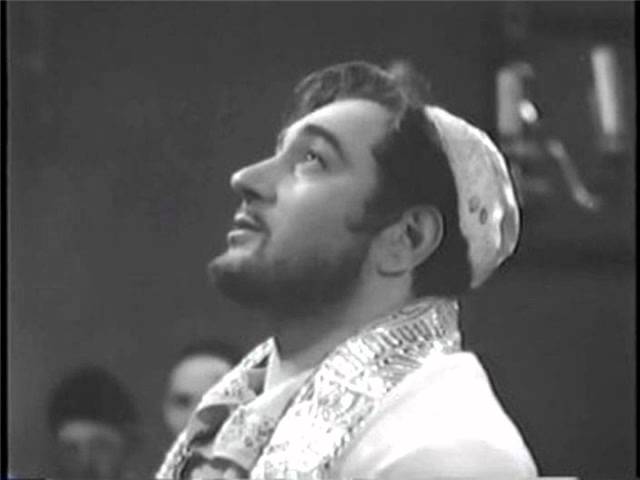
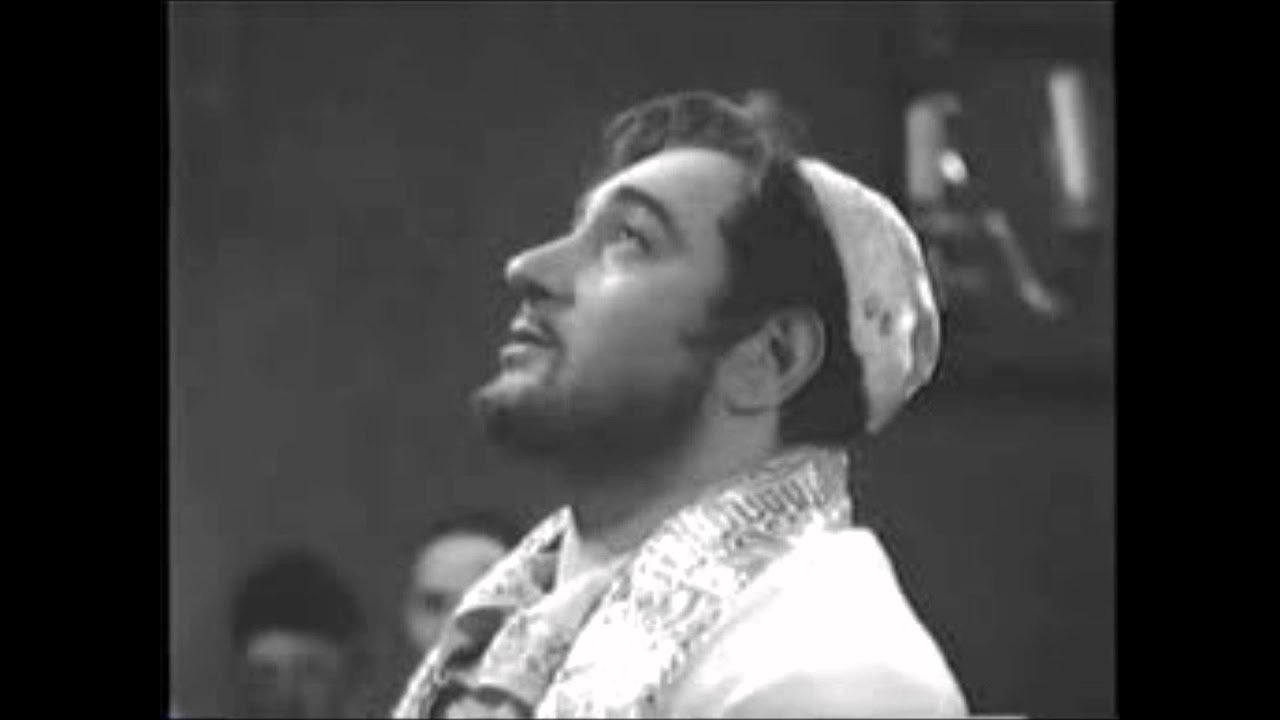
Pesach Burstein (1896 - 1986) was an Israeli-American, comedian, singer and director of Yiddish vaudeville and Yiddish theater. His wife Lillian Lux, and son Mike Burstyn were also actors on the Yiddish stage. Pesachke Burstein was born in Warsaw, on April 15, 1896 on the day of Pesakh. Raised in Berdiansk, Russia, he ran away from home at 15 to join a traveling Yiddish theatrical troupe, and wandered from country to country. Burstein was arrested as a spy by Russians during World War I. He never again to see his parents, who were subsequently killed in a pogrom. By 1924 Burstein had made such a name (as a Vilner Komiker) for himself that Boris Tomashefsky brought him to New York to play on the Upper East Side Yiddish theatres on Manhattan's Second Avenue. In addition to acting, Burstein was a debonair song-and-dance man in the manner of Maurice Chevalier, and he had a special gift: whistling. He even recorded his friend Al Jolson's Sonny Boy in Yiddish the same day, in the same studio and with the same orchestra that Jolson had just used. He married twice. In the late '30s he met the vivacious blond performer Lillian Lux, who at 16 was 22 years his junior. They soon married, entering into an enduring personal and professional partnership. (No sooner had the couple boarded the last ship out of Poland, where they had been engaged for the 1939-1940 season in Warsaw, than Germany invaded.) When the Bursteins' twins, Mike and Susan, turned 7, they joined the family act. He performed The Komediant and A Khasene in Shtetl and other popular Yiddish productions in numerous productions all over the world (advertised as the Four Bursteins, the twins were given stage names of Motele and Zisele). After the Holocaust, due to a drastic reduction in the size of the Yiddish audience, he was instrumental in finding out diasporic communities as far afield as South America, and East Europe, as well as Israel. He initially settled in Israel but later left due to the state tax levied on Yiddish theater for promotion of the Hebrew language, and problems with authorities. His family and troupe also performed extensively in upstate New York in the Borscht Belt (the Catskill Mountains area), and he later opened his own theater in Brooklyn - The Hopkinson. His troupe usually performed crowd-pulling acts, but won critical acclaim in Israel and on Broadway for performing Itzik Manger's Megille Lider - the longest running Yiddish production to date in Israel, released on Broadway as Megilla of Itzik Manger. He died in New York few hours before Pesakh on April 6, 1986.
Comments(3)
Loading comments...