0:00 / 0:00
Parsha Perspectives for Today (Vayechi, 5781) - Hashem is Our Best Friend
2,018 views
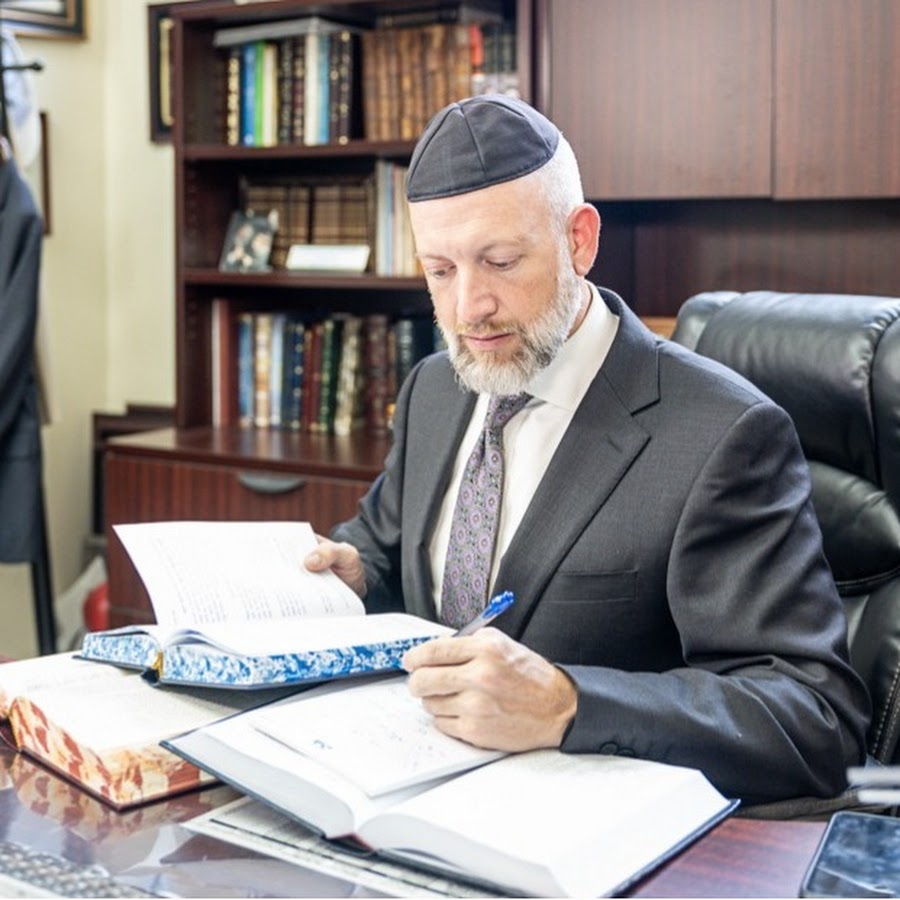
The Torah and its messages are timeless. Join me as we draw from the weekly Torah portion to extract lessons and inspiration for today from a wide and diverse range of sources and personalities. For more content, visit http://www.rabbiefremgoldberg.org. – Introduction - Spiritual Enslavement (R. Wolbe) - Yosef's Good Character (R. Druck) - Why Was Rachel Buried On the Road? - God is Our Friend (R. Soloveitchik) - Why Does Yaakov Cross His Hands? (R. Druck) - Why Do We Bless Our Children Like Ephraim and Menashe? (R. Druck) - Unity and Blessing (Divrei Yisrael)
Chapters
Comments(0)
Transcript
Auto-generated transcript. Not time-synced to the video.
good morning Boer to and welcome back to
T to our para perspectives for today our
weekly analysis of the paraa the sedra
that week's Torah portion with an
emphasis on extracting the lessons that
are relevant for us in contemporary
times we have many sponsors for today I
want to express our gratitude to them
all first of all today's day of learning
EPO grone synagogue is sponsored by Rona
Dr sidone in honor of the birth of their
granddaughter zahava Kaplan daughter of
Alysa nak Kaplan sister to devor ma ma
on that wonderful you should have a lot
of the para series is generously
sponsored for the Year by Becky cats and
family loving memory of David
Gman so grateful to our dear friends the
Cates for their generosity in this area
and in so many others thank you so much
also this morning's class is sponsored
by lizen Dr Michael Michelle in honor of
her father Dr Irving Rabbi
Irving and spor sponsored lastly by
Carol Wald in honor of the year of her
beloved mother Claris pressner thank you
all for your generosity and for Your
sponsorship Ma on the Simas and theas of
those for whom it is sponsored should
have an Aliyah we are up to the final
para of the book of bous we are closing
the book The Curtain is coming down on
the story of the formation the
development of the first family a
complicated story a roller coaster story
a stories of ups and downs a story that
hopefully goes from dysfunction to
function though we'll talk about this
morning whether in fact it did that does
the story does the curtain come down
with joy and happiness is there closure
and Reconciliation or is that wishful
thinking have they never fully really
reconciled Yosef and his brothers are
they still in some ways at it not only
when Braes closes but even until this
very day that is part of our subject for
this morning can be found in the art
Stone KES on page
268 if you have an art scr Stone Kish
for those who want to follow
inside yob lived in MIM for 17 years
Rashi tells us in some ways these were
the best years of his life he had some
peace he had some closure he had some
degree of Happiness his family was back
intact everyone was safe secure they're
living and thriving in the suburb of
Goen where they've set up a Yeshiva and
a Shu and for 17 years Yakov is able to
have the the sh the peace the serenity
that he had wanted
before those
words yov lived yov lived 17 years but
the word means even more than yov lived
see rash says
rash Rashi tells us that normally if you
look in a saer Torah normally if you
look in AES you'll find that there's a
space left in between paros that para
ends and there's a space there's margin
there's empty CLA between the words that
close the previous paraa and the words
that open the next para and yet par is
the one and the one and only para in the
Torah which is stuma in which it
continues on one line it continues one
into the next there is no space between
paros and why is there no space why is
there no break what is the message that
that seeks to communicate so Rashi tells
us what it's communicating it's stuma
because K yov once Yakov died nisu just
like the paruma it's a closed para once
yakob dies nisu the eyes and the hearts
of the Jewish people became closed what
does it mean they became closed the eyes
and hearts became closed because of the
SAR because of the burden because of the
persecution the oppression because of
the suffering at the hands of the
Egyptians when yakob died this was the
close of the Jewish people's Serenity
Prosperity this was the close of the
Jewish people's peace in and now they
began to feel
the the great asks a very compelling
question again so many of us have
learned this Rashi so many times and we
gloss right over it but if you stop and
you think about it for even a moment
rola's question is very compelling we
know that shim that Soros of MIT as
Rashi calls them did not begin when
Yakov died when Yakov died his sons the
continued to outlive him and we know
that from the end of our para because in
the end of our para the brothers and ysf
continue to have a conversation is there
reconciliation have they moved on they
they Brothers ostensibly are
communicating and transmitting a message
from their father that relationship
continues so if that relationship
continues then it means that the
Brothers continued and the shim did not
begin yet so when did the shim when did
the harshness of the Exile first begin
when did it first begin it began after
the shtim after all the tribes were gone
after the tribes died now with the death
of Yakov so what's Rashi telling us that
once it was so listen to the Insight
listen to the Insight of
R he says that the bond the K we're
referring to is not the physical
enslavement we're not talking about the
physical oppression and suffering but
we're talking about a spiritual one when
Yakov their guide and their Mentor when
Yakov that r model disappeared the shvat
and his children began to feel the
influence of the Egyptian culture as
soon as yov was gone as soon as yakob
left the scene when yakob was there he
was successful in his barrier yakob was
a throwback a Connection to the Past
yakob was able to give them what they
needed in order to have a sense of
confidence a sense of identity even as
they lived among a foreign entity even
as they lived among the the Egyptians
but once Yakov died once Yakov left the
scene and now theam his children were on
their own they were struggling and
therefore Rashi therefore the r explains
Rashi they felt the bondage not the
physical bondage the slavery and
oppression the servitude didn't kick in
until all the shatam died but once yob
was
gone their eyes and their hearts were
closed the role model the person they
could point to the person they could see
was gone and now the influence of MIM
the influence of this foreign culture
this foreign Nation this foreign people
could be felt could be felt those living
in are more susceptible to the influence
of a non-jewish
culture but it doesn't matter where you
live in the world if you don't attach
yourself to a role model if you don't
have a Yakov ainu if you don't connect
to somebody who is a link in the chain
to the past and who is a model and a
precedent for a life of faith for a life
of devotion for a life of mysterious for
a life of unwavering commitment to
wanting to fulfill the r the will of God
and to give it is so easy to fall prey
it is so easy to assimilate it is so
easy to become confused and distracted
that's what it
means was not referring to the physical
bondage but the spiritual one which is
also a form of bondage that we all need
to be aware of and we all need to be
afraid of moving right along the para
tells us that Yakov is was ending the
nearing the end of his life and he has
this great fear don't bury me I don't
want this to capture my legacy this is
not where I want permanence but rather
take me take me to the land of my
forefathers take me and bury me with
those who come
before do for me both rash tells us this
is the source of the notion the work of
thead tar
is when you take care of and when you um
do a with those who are no longer among
the living there's no hope that they can
repay there's nothing they can give back
in return there's nothing they can do
for us and therefore that is the uh the
ultimate that is the highest level of
that we can hope for that is the highest
it's what we call
a I want to sleep in perpetuity I want
to achieve immortality I want to be
forever with aosai with those who come
before
me and he answered y made the
promise didn't take it for granted he
didn't trust so to say he said make me a
promise I want to know I want to know
that you fulfill your word I want to
know that you really mean it y makes him
the promise and and he bows
down and from here we know the dwells
the can be found God's presence can be
intensely felt where it can be intensely
felt at the head of the bed of of a sick
person that is where hm is most
accessible it's after these things
is reported to your father is sick your
father is terminally ill it's time to
bring your children his grandchildren
and for and he does that before he gets
to the Sor he sh the promise the oath
let's look at our first we're going to
see several several insights
of that's what we've been studying this
year in the par class but invoking a lot
the son of the great the of but this is
May in in his he writes the following
that tells y promise me and promises and
rash tells us I alluded to
it what does it mean the head of the bed
yakov's bed was full in Russia yakob
realizes right now among his children he
had achieved something that his
predecessors hadn't had but he also had
is
andov but he also had
and
had ysep was a king and ysf was living
among the Gentiles and yet he had not
compromised in Iota of who he was and
who he was meant to
beob at this moment is overwhelmed he's
on his deathbed it's the end of his life
he is reflective he is nostalgic and
he's looking at all he's been through a
roller coaster of ups and downs of
conflict of tension of impermanence and
here he is now surrounded by his loved
ones surrounded by his family thinking
about the end of his life and his legacy
and the one loose end his yoseph who had
been missing for 22 years the one loose
end his ysf who he was concerned and
suspected and not only disappeared
physically but who he was worried had
strayed and disappeared spiritually now
ysep who's risen to the level of vooy of
Egypt ysf is still with the program ysf
is still with the plan ysf has raised
the manasha and neim and therefore he
feels full he feels complete he feels
whole how
peculiar rash is telling us in this and
at this moment it's at this time that
yob feels I'm whole I'm complete I
finally feel a sense of comfort why now
why did it take yose promising you he
wouldn't bury you in Egypt how about
when you first descended to Egypt okay
when you saw the hint and the signal of
the aalos of the wagons that wasn't
enough to convince you okay maybe that I
understand we spoke about previously
last week and years before what the
message was maybe then you have to come
and see for yourself seeing is believing
you have to see with your own eyes but
once you got down to mitov and once
you're living and seeing Yos you're
learning with his children so exhale now
you can breathe a sigh of relief now you
know you're whole you're complete why
does it only take until Yosef makes the
promise what is it about the promise
that finally assures Yakov that gives
Yakov finally that sense of comfort that
he can
exhale in the continuation of the when
yob is giving a to it
says andash there
translates the tarum tells us that Yakov
knew that while ysf you know ysf maybe
didn't wear yamaka to work I'm sure he
did I'm not gossiping about ysf but we
know that until recently there were many
my father and father among them the
previous generation righteous religious
devoted holy holy Jews who the
circumstances didn't allow to wear yamak
work
and yet they were unflinching and
washing before they eat making a br and
making a br when they came out of the
bathroom they figured out a way and says
the tarum so Yakov knew about ysf that
while Yosef operated at the highest
echelons of government while yosf lived
in the palace and served as the Viceroy
he was unflinching uncompromising
unequivocal in his personal observance
so again so why not until now why is
Yakov only satisfied why is Yakov only
feel whole or complete now what took so
long long why not earlier the a of Dr
here's his
suggestion knew earlier on that y was
being observant
privately Mish but if yose was doing it
privately if Yosef was able to mumble a
br in the corner he held up the phone to
make it look like he was on the phone
when he was daving how did yob really
witness how did he know how did he know
the
the energy the enthusiasm how did he
really
know when you ask someone to take an
oath an oath is invoking God's name and
when a person who's God-fearing invokes
God's name they do so with an enormous
sense of seriousness and sobriety it
brings out a sense of one of the tests
of a person's seriousness is how
seriously they take using hm's name
when God said in fact in the Ten
Commandments when hasem said don't take
my name in vain the tell
us that the whole world shook the whole
world was shaking at the thought of
taking God's name in vain God's name is
our connection to
him when we talk about God's name we're
talking about God's Essence we're
talking about how God manifests and
expresses himself to us we're talking
about the way we access him and our
relationship with him and therefore to
take his name in vain is to take him in
vain so when Hashem said don't ever
invoke my name in vain don't say my name
when you don't mean it don't make a
promise a pledge a swear an oath with my
name when it's untrue you're desecrating
you're violating you're corrupting
everything I stand for so it was
specifically with this this was the
litmus test Yakov knew if you'd ask
yakob of course he knew my ysf is
observant my ysf is
gets it how do you know I know have you
seen it not for myself but I know now
with the when he sees the way in which
he takes the seriousness of making this
promise and this
oath Ys is righteous ysf is virtuous and
Ys is
serious but furthermore you can explain
when yob said I need you to take an oath
and here's what you need to do when a
person makes a promise and here the
non-jewish courts have or non-jewish
systems have followed us they put their
hand on the Bible and make a promise
where did that come from you put your
hand on a Bible because if we want you
to take it seriously the moment you're
making the promise you put your hand you
rest your hand on a Mitzvah there was no
Bible there was no Mitzvah other than
the bris and therefore in reference or
association with the bris was the way a
person would most seriously take their
promise but ysf hesitated and why did
ysf hesitate aside from the obvious
reasons why it seems inappropriate but y
hesitated because writes
in a person should not go into the bath
house with their father you don't go to
the locker room with your father you
don't change in the changing room with
your father because it's not proper it's
not respectful
to Y Yos didn't want to he thought that
was a violation of k y thought that it
wasn't appropriate so he didn't respond
immediately he hesitated at using that
symbol of a Mitzvah of righteousness in
order to make the
promise so therefore it was the duel
what Yakov
witnessed was both the seriousness with
which yosf took the promise the shua and
moreover coupled with yosef's knowledge
and awareness of respect the mitzah that
he don't want to violate that boundary
when you combine the two yov says now
now I feel
SH now I know that my Y is not only a
sadic in private now is not only a aad
when no one's looking but now I've
witnessed now I can affirm hisus his his
righteousness okay continuing right
along now we can
move after this they bring the brothers
told your son is
coming now we trans
transition yob was told and who sits
upright in bed who strengthens himself
who strengthens
himself note throughout our par and
really throughout and when do we refer
to him as yov and when do we refer to
him as is pay attention pay close
attention because y represents the
vulnerable
Yakov represents the transient Yakov
represents the mere mortal y represents
the greater entity isra represents the
covenantal community is represents
immortality and Eternity so Yakov is
told yov on his deathbed is told but
what does it mean by what he summons
within himself is his sense of is his
sense of Eternity and immortality his
sense of the future of the Jewish people
his sense of transcendence his sense of
being bigger than the individual but
rather being something so much more the
Jewish
people and yob tells ysf God appeared to
me and he gave me a br and he told me I
would multiply and I'd inherit the land
and now your two sons who are
noad your two sons who were born here in
Egypt they're
mine and your two sons they're like
Ruben and shim and we know Hally this
matters haic implications that and
manasha though they are grandchildren
they're level down from theim neveress
Yakov promotes them and Yakov says they
have the status of Ru mimon yose you're
not counted among the tribes but rather
e
and did they each receive different
territory or did they receive the same
territory of yose are they really
treated as two tribes or are they
symbolically referenced or counted as
two tribes exactly how far that goes is
not for now but yob
elevates and he's going to give them the
we'll come to in a moment but first we
have to ask a
question for me
says when I was coming
from oh when it came to
me RA died on
me I point out every year I always find
this PK startling this PK sounds to me
comes across it sounds almost like like
um like she's a used
car your mother up and died on me could
you believe it 100,000 miles Mesa she
died on me that car she died on me the
camel can you believe my laptop myell
she died on me Al she died on me Barrett
Canan on the way like as if Rael
inconvenienced yob by dying on him he
was on the journey he was on the way a
large family what was she doing
inconveniencing him why' she have to go
and die on him ra on the way and I
buried her
there and I buried her there on the side
of the road
to which is
B sees the children of Y and he says who
are they so all the jump on this and all
the wonder what in the world is going on
here in these yov is moved to give a br
yoseph summons his grandchildren and
Yakov sees them and he says these are no
ordinary grandchildren these don't have
a level of grandchildren no FR
manim they're elevated they're like
children they count as tribes but by the
way before I ask who they are even
though I just spoke about them let me
reference a little history your mother
up and died on me when we on the way and
I had to bury on the side of the road I
had no choice oh okay back to these boys
who are they and what's going on what in
the world is happening here what's going
on in this in this interaction what's
going on in this back and forth in this
conversation why here why now and what
is Yakov trying to communicate with this
story about R dying and why here and why
here so it would seem let's look at
Rashi let's look at Rashi before I tell
you what would seem Rashi tells
us Rashi tells
us and I buried her
yeah Rashi says you know why yob is
invoking this here what's the promise
that Yakov just asked from Yosef do me a
favor I know it won't be convenient I
know it won't be comfortable I know it
will be hard will explain it was
particularly hard for yosf why ysf is
the vicroy he's living in Egypt
you're not going to bury your father in
Egypt where's your patriotism where's
your loyalty don't you believe this is
your future why are you going to another
country y yose had to worry that he
would be accused unfortunately this is a
realized fear in our time that he had to
worry that he was going to be accused of
what dual loyalty dual loyalty you're
taking your father to Canan you're
taking your father to Israel where's
your loyalty not bury him here so yakob
says I know I'm inconveniencing you I
know I'm asking you do something
difficult and you're probably wondering
and you probably want to ask me hey Dad
ABA you want me to leave my comfort zone
you want me to potentially get in
trouble with parro all to take you far
away a long journey an uous trip to bury
you elsewhere but my mother you
deposited on the side of the road my
mother who died in childbirth you just
buried conveniently where you were why
didn't you inconvenience yourself why
didn't you make that effort why didn't
you struggle why didn't you go to
extraordinary lengths to take her to
with you why did you simply deposit her
and bury her on the side of the road so
Rashi says that's what yakob is
anticipating Yosef might ask and that's
why he's inserting it pun right here and
in this
spot even though I am I am burdening you
with taking me to bury me elsewhere and
I didn't do that for your mother you
need to know
I didn't even take her into the city I
didn't even bury her in the Town
Cemetery of B I buried on the side of
the road
why I know that you have a grievance
against me I know that you don't
understand it you're wondering why and
how says rash you need to
know that I buried her because divinely
I was told it was prophecy God wanted
her there why why would God want her
there should
because when the Babylonian evil Wicked
General would Exile them and they would
pass and the way out of Israel to
Babylonia to Exile was exactly past this
road M will rise up and she will see the
Jewish people being led into exile and
she will Advocate like only a mother can
she will cry like only a mother
can and she will plead and beg for mercy
for children like only a mother
can is going to
[Music]
answer that hope and that optimism that
promise of return to the land comes on
the back of the sincere prayer of RA IMU
of our mama so says yobu according to
Rashi why is he mentioning it here where
does this come
from she died on Me on the way like a
like a car that died and I deposited her
I buried her there instead of making the
effort to take her with me and I know
Yakov I know Yosef rather you're
wondering I've just asked the
inconvenience you I've asked you to go
to extraordinary lenson and when it came
to me I just deposited her there how and
why how could I do that I know that's
what you're wondering here's the reason
I didn't do it randomly I didn't do it
by chance it was by Design the almighty
Hashem divinely inspired and told me to
put her there and why did she need to be
there says Rashi fast forward to yvi
because when the Jews would be exiled it
was Ron the Babylonian General would
take them out of their land she would
rise up and Dav she would Advocate as
only a m as only a mother as only a
mother could and with that he turns to
ysf and tries to explain the ramban
Wonders where Rashi sees this in the
text if you look at the ramban there a
lot I want to cover so we're not going
to look at this ramban inside but the
ramban Wonders where is this in the text
and he SS maybe that's what Yakov meant
when he
said she died on the way why did the
text have to tell us she died on the D
on the way just tell us she died and
tell us where she was buried why does it
describe where she died so suggests the
ran maybe that's what Rashi saw was in
the words on the road that there would
be something about being buried adjacent
to the road which is significant which
would be yakov's defense which would be
the
explanation and that's why that's why it
says the road and the road indicates she
needed to be buried there but the ran
gives his own interpretation he doesn't
like Rashi and thean gives his own
interpretation to what in the world is
going on here and he says yakob wants to
explain to Yosef don't be angry that his
mother was not buried in marak why
because she died in the land of Canan
and was not buried outside of Israel
while yakob was burial was going to be
in the land of Egypt she died suddenly
on the road he couldn't bury her there
how could he leave his children and
cattle on the road and go with her to M
it would have taken him in his Entourage
many days he would have abandoned his
family who would have taken care of them
so says the ran maybe what yakob is
trying to suggest to Yosef is a contrast
she died in Israel and she's buried in
Israel I am scheduled to be die to die
die in Egypt so you can't compare it's
true I'm asking you to do something
extraordinary but the alternative to it
is a final resting place in Egypt and I
don't want to be there your mother died
at least in Israel and that's where she
was buried albeit not in maras but at
least she is buried in the Eternal
resting place of of the Jewish people of
the Jewish people it wasn't possible the
ramban understands that yob is offering
a defense Yosef don't be frustrated
don't be upset this is unspoken I know
it's many years that we never address
this but I want you to know why I want
you to know why and the reason is I
couldn't I wasn't practical I had young
children I had a family I had people who
relied on me I couldn't do it I couldn't
do it the sorno offers another
interpretation sorno has another we're
again per and
zorno the great Italian exy says the
following he says
where is
Theo
Mesa
Mesa sorry just finding the
place
yeah maybe you'll say that he was going
to have more children it was impossible
when I was exiled when God sent me on
the path when we were on the
way rabbis tell
us you know who feels the loss of a
loved one most is it the children is it
the nephews and nieces is it the rabbi
the friends who feels it the most says
the
gar when a spouse dies nobody feels it
as profoundly nobody feels it as acutely
painfully as the spouse the spouse lost
their other half the spouse lost a piece
of themselves the spouse lost the
partner the
spouse um experiences a extraordinary
loneliness I buried her there
says you know why she's buried on the
side of the
road you don't understand it's true you
kids you lost your mother you yose and
Bam you lost your mother it's true bam
didn't even know her bamin ra died in
childbirth she never really met her son
Benyamin and yoseph you weren't there
but you know it's true the pain of
children but nobody felt the pain like I
did and I was so I my grief my grief ran
so deep and so painful I just didn't
have what it took I simply couldn't get
it together and muster the strength to
bring her to the cemetery I didn't have
the and there's no question that from
then there was a hole in my
heart myar was destroyed my desires were
weakened I had no more strength to have
any more children that that was it so
the swo explains why is yakob invoking
this here he's sharing with ysf a deep
secret Yosef I never told you I never
told anyone but when your mother died I
was crippled with sadness when your
mother died I was paralyzed by the sense
of loss when your mother died I put one
foot in front of the other and I did
what it took because I had children and
a family but you don't you need to know
that inside I had nearly nothing left so
maybe you're upset and resentful but I
want you to know the reason I didn't
take her to barer there is I simply
didn't have anything left to do it I
find these maam so powerful because this
is a conversation that yakob and Yosef
needed to have it's a deathbed
conversation but it doesn't need to be
they're all conversations that children
and parents all conversation that
relationships in all directions need to
have and they don't need to wait for the
deathbed there are unasked questions
that should be asked there are answers
and explanations that should be offered
there are clarifications that deserve to
happen and not always will everyone be
satisfied with what's offered but in
order to have a sense of completion in
order to have closure there are
conversations and I could tell you as a
rabbi that is regularly counseling at
the at the deathbed people wait until
it's too late they wait till their loved
one is compromised or is terminal or
they're unable to bring up these topics
because they're concerned but you know
when they lose the loved one now it's un
it's there's no closure now it remains
forever unexplained and here is a
beautiful example as the Torah teaches
us something from so many years ago but
relevant today the importance of these
conversations at the end of life and
yakob is essentially turning on its head
and he's saying Yosef you're bitter
you're resentful you need to know what I
was going
through sometimes you have children who
are resentful of the way a parent
behaves when their other parent was
dying but they don't know the profound
pain that that surviving parent was
enduring because it was never
communicated it remained unspoken when
it should have been so Rashi says I want
you to know this wasn't me God told me
to bury your mother there and it was a
plan she needed to be there because when
the Jewish people would be exiled Mama
needed to be there DAV for them and the
swor says and the ramban says no no no
that's not what's going on what's going
on is yov says I was being a responsible
parent you don't know but you don't
realize if I would have made the effort
to go
to and and would have left everyone
alone you never would have made it I had
to stay back that was the responsible
thing and Theo off has a third
interpretation says yov is telling Yosef
I didn't have what it took I was broken
inside I was Hollow and empty inside you
have no idea the depth of my grief I
simply didn't have what it took look at
it through my eyes look at it and live
it through my perspective the offers two
more interpretations listen to the says
the
number one says I wasn't yet secure in
the cave for when I was on the road ASA
was still claiming it you want and wish
for me to have buried Your Mother where
ultimately Leia and I are buried I
couldn't ASA controlled the cave at the
time ASV was wrestling me over that cave
he claimed it was his I simply couldn't
so I buried her on the road but
by the time I buried Leia the cave was
clearly mine ASA had relinquished any
hope of ownership any claim over it and
therefore I was able to bury Leia so you
can't have a Tina you can't have a
grievance against me I couldn't bury
your mother there I had no choice but to
put her on the side of the road it
wasn't an option for me number one
number
two I knew this border would eventually
belong to her descendants and it'd be an
honor for her to be buried in the
portion that belonged to her children
but had I buried her in the cave
in where
is within the division of the land of
Israel among the tribes where does Kon
where does Mar fall out it falls out in
the portion of Yehuda Yehuda is the son
of whom of Leia Ra's co-wife so for raal
to be interred in the portion of of her
co-wife of Yehuda the the son of Leia
that wouldn't have been respectful what
was more respectful yakob is telling
yose is I buried her here near B and
that is in the portion of her children
and that is the greater respect that is
the greater respect and then a final a
third interpretation of
the he says Yakov buried her
there he
says I could have been a it would have
been a disgrace to transporter the why
because her blood might have
soiled she would have been in her burial
garments and there was no ice packs
today when we transport a person to be
buried in New York to be buried in is we
have special packaging and
transportation and ice pack and cooler
didn't exist then he says if I would
have taken her to Mar her body would
have begun to decay
and that would not have been respectful
at all so we've seen many many
interpretations Rashi couple in the ran
Theo three and the all different and all
kinds of interpretations Rashi it was
prophetic needed to be there for when
the children would emerge and when the
children would ultimately come out and
that is the vision of our mama R the
vision of our mama r that she stands by
the side and she doin for us in a way
like nobody else like nobody else could
that is the and the vision of our mama
who sits on the side of the
road explains beautifully that hasem
wanted to be buried roadside because
continues to sacrifice for her
children tells us was the a she was the
one willing to sacrifice she was MOS m
nees she was the one who gave the taste
and the flavor and the atmosphere to the
home and he and and says uh based on
this that women are exempt mation man
women should never be conflicted there
should never be a tension a competition
where are they going to give their their
love and attention to Hashem or to their
children so Hashem says no no no don't
worry about me if there's a Time bound
Mitzvah and you can't get it all in then
forfeit me don't don't sit in this don't
do this don't do the mitzvah for me stay
with your husband stay with your
children the this is the image of RA who
is forever in perpetuity Mama ra she is
this woman who was Barren for so many
years who wanted more than anything she
had the husband she scored Yakov Leia
all she wanted to do was be yakov's wife
Ro had Yakov and yet all she wanted was
to be a mother and that is how she is
remembered that's how she is
memorialized in perpetuity she's Mama ra
she is RA and so jakob's telling Ys yeah
Bury Me and Mar but your mother needed
to be buried along the road cuz your
mother is a Mama she's most neish and
she is willing to be sacrificed she was
willing to not be in K she was willing
to not be in in Mar in order to remain
closer to you that is the extension of
Rashi the ran says it wasn't possible
Sor says I was paralyzed by grief I
couldn't do ituni says ASA had the mara
I couldn't get her there or number two
it's a greater honor to be buried in her
portion not another or lastly maybe the
would have been soiled I didn't have
that chance I didn't have that chance
the ran has a final interpretation and
listen to the final interpretation a
seventh interpretation says the
ran you know why yakob is telling Ys I
didn't bury her there listen to this
it's wild because Yakov says you know
the fact that I Mar married two sisters
is against the Torah in the Torah a
person's not allowed to be married to
two sisters so how did I do it how could
I be married to two sisters it was a it
was an exception for whatever reason the
genetics the spiritual DNA of and of
needed to combine with yov to yield the
sh the 12 tribes for whatever reason it
was a temporary exception to the rule
but Yakov says you know what it would
look like if the Jews for thousands of
years would come to Mar and I would be
buried there with two sisters what that
would look like and what it would say
about me that I was in continued
violation of Torah to be associated with
and buried with two sisters it couldn't
be I couldn't have it and so instead I
Li next to Leia but M ra sits on the
roadside she cries and she and she Rises
for her children for whom she is the
most loyal Advocate a loving mother who
can step up and stand up in ways than
nobody else can so we saw seven
interpretations and whichever one speaks
to you they could have multiple truths
maybe many of them are compelling to you
but what I want to draw your attention
to is not which of the interpretations
you find most compelling as much as the
importance of having these conversations
don't wait don't delay don't leave
things unresolved but have the
conversations that need to happen even
if it simply is offering a clarification
so that it doesn't remain unresolved for
survivors for successors for those who
will remain
behind moving right along now it gives
the to and to
man we all know the story that Masha is
on yacob's right because he's older and
the right side is the is the greater
side and aim was younger as on the left
side but Yakov pulls the old saru and he
crosses his hands and he puts his right
hand on the younger one his left hand on
Masha the older
one he gives and he
says God who walked before me before my
forefather
which translates say God what's har art
scr translates it as God who Shepherds
meim har God who Shepherds me so it's
all set up masim yob switches his hands
instead of going right toim and Masha
first he gives a br to Ys and the BR to
Y is introduced with God who I love and
loves me God of my fathers
a god har what does the word Har mean so
Arts girl translates har as what's a ro
a Shepherd elim har means God who
shepherded me he Shepherds me through my
life he is The Shepherd of my
life but the RAB Sal translates it
differently based on the ran the ran
says the word ro means a Shepherd but
the root of the word Shepherd of Roa is
re Rea is a friend and therefore the
U translates
is not God who shepherded me but God who
befriended me K who's my closest friend
I'm never alone I confide I lean I love
I feel his
love it's one of the most beautiful the
Torah if you understand like the
raan means means y I give you a that do
you know that God has been my best
friend May OD from when I was born and
until today throughout my life when Dina
was captured and raped when ASA wanted
to kill me when this happened and I was
on the road and on the run when love
unpulled the old Switcheroo throughout
my life and all that I had to
endure God was my best
friend from my Inception until today ysf
that's what I want you to know and that
is the biggest BR the biggest is to know
that Theon is your best friend talk to
him lean on him and and and live with
him har I love thatat I love that
explanation it is so powerful but back
to R Dr RR number two wonders the
following R number two wonders the
following why isob Crossing his hands
what's with the old
switcher why does he just say switch
places yakov's not shy why can't yakob
just tell them fellas boys switch places
why doesn't he tell him Masha on the
left FR him on the right what does he
pull the old Switcheroo crosses his
hands what's going on
the Torah is giving us the answer in the
same P that raises the question the
question was why does the Torah say he
switched his hands and the answer
is because he wanted to preserve the
dignity and the honor of Masha so yes he
wanted to to Channel Through the right
through the greater hand to epim the
younger one but he wanted to preserve
the Dignity of manasha to leave him on
the
right the word which means to switch
also has the same root as the word that
yakob wasn't doing this randomly or
haphazardly yakob was doing this
thoughtfully and by Design
strategically he should have told the
boys switch places
but instead he crossed his hands why he
did not want to embarrass
masas because Masha was the B and he
didn't want him to be embarrassed
[Music]
so instead of asking him to switch
places he took it upon himself to switch
his hands in order not to embarrass
Mas the great Reb
writes person always has to show honor
to the person who deserves it give him a
seed on the M give him a seat at the
table point and therefore manasha was
older and by virtue of being the Bor he
deserved to be on the right yes Yakov
had to redirect rechannel cross his
hands but it didn't take the easier
route which was to switch them he took
the harder route which was to hold his
hands in that position hard for an old
man on his death Med deathbed but he
went the harder route because he took it
upon himself better for him to work
harder but not embarrass embarrass
manasha than it would be to embarrass
manasha what an important
lesson you could also explain it a
little bit differently
because it says in the
before Why didn't it just
say why doesn't say was on the left
of was on the right of is why does it
say on his right which was the left of
is in other words the Torah here is
narrating from the perspective of Yosef
he
says Ephraim who was on yosef's right
who was on yacob's left just say he was
on yakov's
left what's really relevant here is how
they were positioned Vis yob yob is the
one giving the BR yakob is the one who
asked to hold his hands and cross them
so what do we care how they appeared
from the perspective of Yosef why does
the Torah communicate it in such a
backwards peculiar way
because the Torah wants us to know that
even though Masha even though was on the
left of yob From yacob's perspective
Ephraim was on yosef's right because
Yosef was standing opposite Yakov so
From yakov's perspective Ephraim was on
the right because that also has a
That's What suggests is each one of them
is on a left and each one of them is on
a right it all depends what perspective
you're looking from ysf or from yob
we're not going to get into it right now
we've discussed it in previous
years what is this makus what is this
debate between Yakov and Y about which
one takes precedence who deserves the
greater bra man or is old her so why
Ephraim why did yakob see Ephraim as the
answer to the Jewish future while ysf
thought manasha was the key to the
Jewish future we've quoted the Reb in
the past yesterday I learned a beautiful
s of the rebba with RB tager who
actually published the translation of
the SAS of the rebba which is good
because it's in yish so I need that
translation he has a beautiful
perspective a lot of beautiful
perspectives but I think it's important
to include this perspective of of r that
yob and Y each as being on their own
left or right depending on what View and
what way they're looking at them ruk
then moves on to the next piece and he
asked a great question he says I don't
understand what's going on here yob puts
his hands
on and he gives
Y and only after that does it
say only after that does he give the
to so why are we saying he's giving
a by giving a to what in the world's
going on
why are his hands on the heads
of while he's giving the if you want to
give a to put your hands on the head of
Y says we learn a really important
principle from from
here the greatest blessing to a father
is through their
children when yob gives a
he doesn't put his hand on jakob's on
yosef's head he puts his hands
on when children are successful when
children are thriving when children are
prosperous when children are on the path
that is the greatest BR of the parent so
the Z the grandparent puts his hands on
the anak while He blesses his own son
because he says son Ys you know what the
BR is and Masha to have children who are
continuity to have children who are on
fire to have children who walk in your
footsteps that is the greatest that is
the greatest I think it's the who
says that's
the
is what is
the that we give our children the the
give what is
that the the says
the is connected to
that when says and I are going what is
the the greatest
is when children walk in the footsteps
of their parent when they embrace the
Der of their parent when they
give every type of to the parent that is
the greatest BR for the parents so says
that's how you understand what seems out
of sequence theim who's he giv the BR to
is it to y or is it to yose's Sons why
your hands on the heads of the sons if
he given the to Ys why does it seem
interrupted what's going on says it's
all mixed together because the greatest
BR to a parent is to have successful
children who walk in their same
who walk in their same path why do we
choose why do we choose and Masha as the
recipients of our of
our give him a on that day
saying says the you know what the is who
always live in the moment live in that
day the Jewish people will blessed for
you so what in the world's going on here
first of all why are manash chosen this
is an age-old question we've discussed
this many times but I want to add on
something new this year why am anashim
chosen not we give our kids a br I love
and I'm running out of time otherwise I
would elaborate and describe to you A M
I have from my father that my father for
a long time already gives us all bras
we're grown children wherever we are in
the world and Absentia he gives us a
braa Friday night closes his eyes he
extends his hands and wherever we are he
gives us AA and we've too I give AA to
my children every Friday Friday night I
have several who have grown and are
graduated and I give them a br every
Friday night and it's the greatest BR to
also close your eyes and think about
your your an your grandchildren give
them a give them a as well so if you
would have asked me to choose from tanak
if you would have asked me to choose
from K who should we blessing to be like
maybe hill hill such a righteous person
maybe RAB AKA gave his life maybe
aob maybe MOS yav
all two rather
minor characters of the Torah that's
what we bless like so we've given many
answers before number one we said these
are the first two who are born in
they're born outside of Israel they're
born away from a Jewish Education
they're born away from their Z their
grandfather Yakov and yet they are
steadfast they never compromise they
remain true and that's a br to our
children be like ephra and manasha
you're growing up in gas you're growing
up in Exile you're growing up in a world
an environment which is forign which is
difficult
persevere be like a number one number
two suggestion is that e manha the first
generation to get along first ones Yakov
and didn't get along yov and ASA doesn't
get along yoseph and his brothers don't
get along Ephraim and manasha you're the
first ones not only do they get along
Ephraim the younger brother is
considered greater than his older
brother is manasha jealous is he
competitive no Mas is proud that's the
braa we give our children that's the BR
we give our children be proud and
realize who you're meant to be but I
want to tack on a third interpretation
as comes from this is new this year and
I love this and I'm going to think about
this why do we give a more than any of
these other personalities soot his
father
the only are called our Patriarchs the
12 tribes are not like the
says and why is that because we have we
have the doctrine of the decline we have
this notion that every generation is
further removed from God from sini every
F generation there is further decline so
the AOS they are the AOS they are the
archetypes Theos only are called Theos
and while the are great they're Ste down
because there's decline there's
AOS tells the
if the earlier Generations were like
angels we are mere mortals there is a
doctrine of decline Soros were on our
way down who broke that mold who broke
that mold and didn't decline but was on
the ascent Ephraim and man what do I
mean says the says's father of Mor du
yov just
said they are not the Next Generation
they're not grandchildren they have the
status of they're like and
shim even though they were grandsons
they were given the status of sons they
didn't decline they didn't go down they
were B alah they went up soes you know
the we give I can't wait to think about
this this Friday night the BR we give to
be like a that BR is may you be greater
than I am
everyone else is on their way
there this is a to be even greater a to
be even
greater says in
this when should this BR be given Target
yonas says yob is telling him you know
the greatness ofha you will use them as
the model to bless others when which day
he doesn't say Friday night very clear
when that custom of giving a to our
children on Friday night began but when
when does the say you should bless to be
like on the day of a that's when the the
to be like a is on the day of
a you know why is saying specifically on
the day of bris you should give the to
be like like
because that's the first Mitzvah they're
encountering so we're telling that child
that little ra that little baby boy is
the same way that you have come into
this Mitzvah your first Mitzvah so to in
every Mitzvah may you surpass those who
come before so I'll just add on that my
uncle my uncle once said at a bris maybe
that's theat in what we
say may this child go great what do we
mean right now he's six inches long may
he be 6 feet tall right now he weighs a
few ounces may he weigh 170 lb what do
you mean z this little
pitola may he be large is that what we
mean said my uncle
no may this one who right now is less
than me G may he be greater you know you
have some parents who say I come to sh
shabas morning at 10: a.m. I don't want
my children to come earlier than 10 I
keep this level of kous I don't want
them to keep any more scrupulous level
of kasas I only earn this money I only
achieve this education I only this I
want them to succeed but exactly where I
am I want them to be where I am
religiously I want them to be where I am
politically I want them to be where I am
in my education that's not a Jewish view
rather our attitude
is many may this who's right now less
than me may he grow greater than me e
manha are the first model of that
Kim what a beautiful Insight of the
that's why we invoke them that's why we
choose them that's why they are our
model I can't believe that we have to
end with this i b just so you know I got
halfway through what I wanted to share
literally halfway through
but next year but I'll close with
air my friend shared with me the of kir
says when he turns to he doesn't say
it's really plural there two people
shouldn't he
say why is
it only if you're United you will be the
model and you will be the one through
whom blessing comes if you are united if
you are as one because when you're
United you're not competitive when you
are unified you don't care about who
comes first
because epim wasn't jealous of mas they
were United and they were unified and
therefore the is
not says it's you as one entity as one
unit you as one United if we really want
BR in our lives we want BR for our
children then we cannot be cutting
Corners we cannot be using protea we
cannot certainly be doing unfortunately
like and trying to go out of order and
out of line but a person has to rather
be United person has to act if you want
first you need
not and that's how we are able to
achieve BR in our lives there was and is
a lot more to talk about if you're
watching on YouTube please subscribe to
our Channel even if you're not feel free
to go to Goldberg on YouTube and
subscribe otherwise stay happy stay
healthy and stay holy have a wonderful
and holy day we continue tomorrow
morning 8:15 10 minutes of 8:45 living
with amuna tomorrow night we go behind
the be
have a phenomenal day