0:00 / 0:00
Jewish Confession & The Power of Vulnerability
42 views
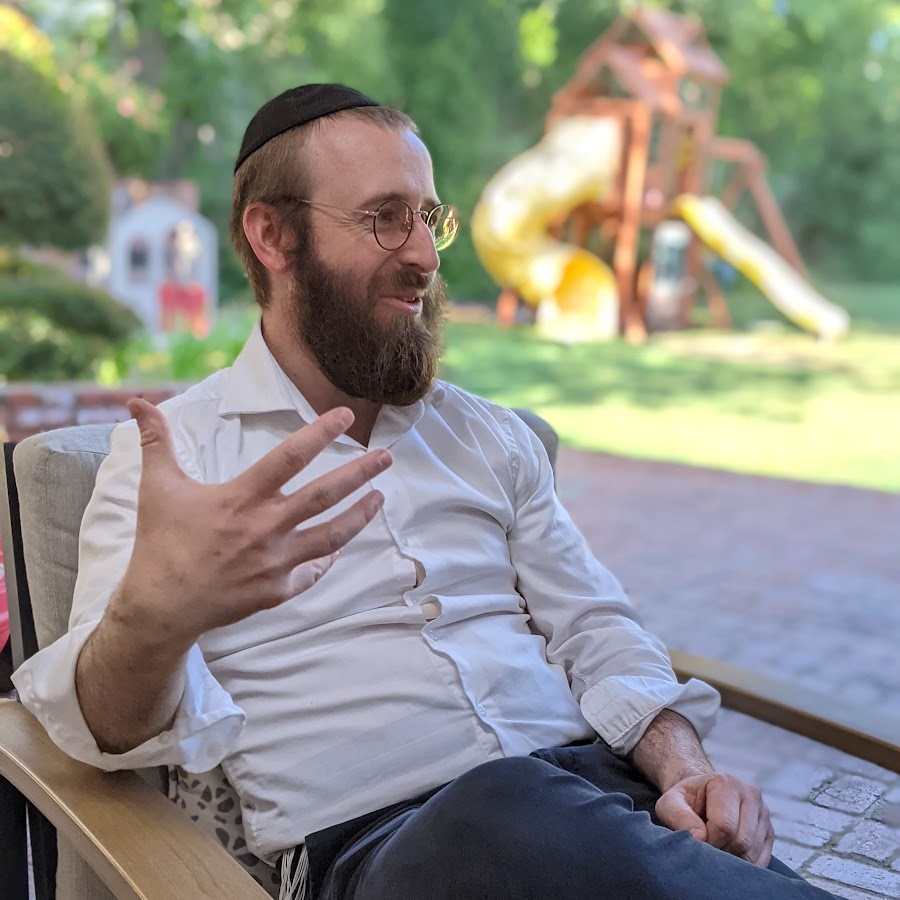
3 compelling reasons why Jews do confession and how it can help us become better people. Click these links for the audio version; https://open.spotify.com/episode/5aN1eKnZ3foC7havo2SwnE https://podcasts.apple.com/us/podcast/soulcasts-siddur-lesson-77-confession-the-power/id1591541446?i=1000627384023
Comments(0)
Transcript
Auto-generated transcript. Not time-synced to the video.
Judaism does believe in confession we
don't confess to people we confess to
God
but here's the question
why confess I I sin but God knows I sin
I know I sin let's you know it's like
you know what I did wrong I know what I
did wrong we both know if God knows that
I sin I shouldn't have to say it
if God needs me to say it that's not the
god I want to serve if he's not really
all-knowing I don't know if that's the
god I really want to participate in what
is the purpose in confession
what are your thoughts
notice the book of Education it was
authored about 800 years ago
anonymously it's one of the it's a
commentary in the Torah he explains
every single Mitzvah the Torah in order
and he often takes the psychological
approach to Mitzvahs he says that the
purpose of confession is
if I don't admit that that I did
something wrong
it's very easy to go and do it again
because it's easy to forget about it
I didn't really you know you know did I
do it you know like when you you have a
certain sometimes you question your
memories you ever have that like it
happened so long ago did that really
happen or did I make it up type of thing
but if you articulated
you verbalize it it's concrete I did
this
you're owning up to it
and you're saying just like I know about
it I'm reminding myself God also knows
about it I have to repent I can't fall
back into those ways I can't do it again
but it's it there's a it's almost like a
psychological exercise
bringing it
um bringing it to our own awareness
it becomes concrete I'm I'm admitting
taking responsibility
the Zohar
has another explanation as to why we do
confession according to
Jewish law there's certain situations
where when somebody does something wrong
there's consequences
right sometimes the consequence will be
like a citation there's actually
biblical citations there's times in the
Bible where you have to you have to pay
money I'll give you an example
somebody worked to steal
an item from somebody you have an
obligation
to return double of what you stole
familiar with that law
you steal one you gotta return two
you got to return the principle you
gotta return what you took
and then you gotta steal return the
second one this is biblical law and this
is a citation
you don't technically oh and it's a
citation
it's a Biblical citation
right it's a fine
if you came to court and said I made
this big mistake I stole I'm sorry just
return the principle you don't have to
return the second one you don't have to
pay that citation
because you've admitted
when you admit to the truth you're
exempt from that citation
when you've taken responsibility
you've removed the burden of consequence
you still have to pay the responsible
amount but you remove the burden of
consequences
the Zohar says when we confess to God
we're admitting
we're coming to God and that's much
better than God coming to us
you know I when we run our summer camp I
always tell our counselors at our staff
orientation
if a child gets hurt
sometimes it's not a big deal
to us right a little crybaby so to us
it's no big deal and the kid's just
being a crybaby but to the kid it's a
big deal
and when they go home and tell them but
their parents they had a horrible day
because they skinned their knee and
almost died from it
um I think a little facetious here
that's that's a big deal
it might not actually be a big deal
but it becomes a big deal
becomes a much bigger deal if the
parents call me and I don't call them
and let them know that this is what
happened
If the parents have to call me and ask
what happened to my kid rather than me
calling the parents and letting them
know what happened to their kid
it could be an awkward conversation and
it just doesn't look responsible
right it's just not a good way to earn
trust with parents
right and as a campsite vector and the
truth is in any business not that Camp's
the business but in any operation
the key to success is earning trust with
people
says
take responsibility admit it you go to
God then wait for God to come to you
right take responsibility
and you'll be exempt
University by the way the very first day
of the creation of men which we
celebrate on Rosh Hashanah
Adam and Eve are told don't eat from
this fruit of knowledge don't eat from
that tree
don't do it
they did it
and God starts looking for Adam
and thinks he could hide from God
big mistake
if we do something wrong and this is a
valuable lesson in interpersonal
relationships in business relationships
if we mess up don't try to kick it under
the rug it doesn't work right it comes
back to bite us the Zohar says no no no
we gotta confess
that's where confession comes in it's us
having the courage
to come to God
and say I know I did something wrong and
I'm willing to own up to it I'm willing
to confess I'm willing to
I'm willing to actually take
responsibility and what happens is
when we take that approach
we exempt ourselves
we alleviate ourselves
there is a deeper meaning to confession
it was a fascinating book
called
he was authored by rather monachnierson
it's great great grandfather and he
wrote a book
explaining the spiritual background
behind mitzvahs
and he goes through each myth was
similar to the safer book of education
but instead of explaining the message
from a psychological Paradigm he
explains them from a
from the Paradigm of khasidis from a
more spiritual
um Soul paradigm
and he explains something fascinating
here's an essay about teshuva an essay
about confession
here's what he says
everything
that exists is comprised
of a body and a soul
everything
I mean human beings that's the most
obvious example
there's my physical representation the
space I take
and there's my soul soul can mean
different things but there's the
spiritual part of me that doesn't take
space is my emotion there's my intellect
is my perspective there's my drive
there's my connection to God
there's a body and there's a soul
they go hand in hand
they work together at least they should
we're trying to get them to work
together
even the most
um inanimate parts of life have some
sort of life force that keep them in
existence a handshake has a soul to it
you're not just slapping hands with
somebody there's a business deal there's
an element of trust there's there's
something spiritual to it
and he explains
that sins
have a body and assault
because what happens when we sin
what happens is we feed into clipper
remember from our Tanya class what is
Clipper Clipper is
some sort of shell right literally means
a shell but it's basically this
negative energy that
makes us see life superficially
it covers up the truth it makes us see
the body not the soul
when we look at people
and the first thing and they take up
space
that's clipper
because that's the body the body takes
up space
if those people don't take up space we
appreciate their good qualities
we're moving more into Soul territory
less into Clipper territory and again
this is not black and white at all
because there's varying degrees but
sometimes it's easier just to use black
and white terms
um one of the reasons Sports new it's
one of the reasons for modesty
is
hide the body hide the clipper
so we could remind ourselves that there
is a greater depth Within
and when we and is everything again has
this body dissolved and he says sin has
body and souls well Clipper has a body
and soul
the clip itself has a body and a soul
when we sin we generate we generate this
shell
or in English we desensitize ourselves
from spirituality
right that's what that shell is we
become less and less sensitive
the more we sin the less we care and the
less We Care the more we sin
It's a Wonderful cycle
and it's it's true the other way around
too I don't mean to be negative right
the more Mitzvahs we do the more we're
going to Care The More We Care the more
minutes we're going to do right the more
we break through those Clippers and
tissue is ultimately smashing through
that clip that's what teshuva is because
as we sin
yeah and by the way whether it's
intentional or unintentional
because we're not talking about
accountability anymore we're moving on
to new territory here we're talking
about reality
in terms of accountability okay God
won't hold you accountables by accident
but you still build
right it's like bothering somebody
without
realizing it okay they're not gonna
they're not gonna like scold you for it
but you've still alienated yourself from
them you did something they don't like
right it's just it's just the reality
Toshiba is breaking through that clip
and that Clipper has a body and a soul
the soul of the Clipper was created
through the lust of sin
the desire of sin
that burning passion to do whatever we
know we shouldn't have been doing
whatever that may have been
the body of the Clipper that's the
action that we did the ACT
the act together with the passion
creates a body and soul to make a
physical representation of clip in this
world to further desensitize us
so if we want to do proper sashiva we
can't just get rid of the sin
we can't just regret the sin that would
get rid of the desire
the soul
of negativity
we have to physically enunciate and
articulate
our regret get rid of its body
and that's what confession is the point
of confession
if we're just saying the words we're
only halfway there there has to be the
Cabana there has to be the intent there
has to be the interconnection
the inner desire to actually uproot what
we did and when we emotionally regret
what we did we get rid of the soul of
clipper the soul of negativity the soul
of being desensitized the energy behind
it but to get rid of its physical
impression that we had on this world
in order to do that we need
to um we need to physically enunciate
the words
audience is all together
this is an incredible incredible
paradigm shift
because what we're saying is
the ability to do Toshiba the ability to
be turned the ability to confess
and get back in good terms with God it's
not just about brownie points with God
it's not just about what's going to
happen if
you know it's it
we're so used to and many of us are
brought up with the fear
what's going to happen if what's my year
going to be like if I better do Toshiba
I better shape up
and I'm not here to dismiss that fear
that fear is not a bad thing
but we can do better
there's a relationship over here
it's not just what's God going to do to
me or what's going to happen to me what
type of year am I going to have if I
don't
there's a relationship here
there's negativity that I potentially
have brought to the world and fine it
wasn't my fault okay
um I didn't know or I'm not perfect no
wait no but we have the incredible
ability to clean it up
with an incredible ability
to smash that clip up to destroy its
Soul by regretting what we've done to
destroy its body by articulating what
we've done
sins actually make a difference and our
Toshiba actually makes a difference can
actually change the past
it's incredible
incredible paradigm shift
it's not just about our own
accountability
our own responsibility our own oh no
what's gonna happen to me now
I have a responsibility to the world I
have a responsibility to existence
make this world a place for God
and inevitably along the way
failed
I shouldn't fail I've slipped
we all have slipped
and through the confession
the body and soul of confession
we can fix it
Whoever thought that vide the
confessional prayer can literally change
the world
literally change the world
it's just interesting to know side point
Rosh Hashanah
which the theme of Rosh hashan
essentially is teshuva that's what the
shofar is all about waking up the inner
soul
he's the only Jewish holiday that is not
celebrating an exclusively Jewish event
the Passover is exclusively Jewish the
Jewish people left the Egypt Purim the
Jewish people were saved from the
um potential mass destruction
Hanukkah
when we were saved from the Greeks
shavuas the Jews were given
but Rosh Hashanah God created the world
it's not an exclusively Jewish event
because it represents our responsibility
to make this larger World a more Divine
place
an hour Toshiba our view our ability to
clean up the body and soul of our
mistakes can actually make this world
better and brighter
there's a
strong correlation
between prayer
and the biblical sacrifices that take
place in the basement
we know that prayer is a replacement for
those sacrifices as soon as the basement
was destroyed and we had no altar we had
no ability to come close in that fashion
the sages established a formal prayer
where we can formally bring ourselves
close to God right the three amidas de
amida every single morning every single
afternoon represents the sacrifice
taking place every single morning every
single afternoon
when would you bring a sacrifice in the
basement
when you sinned
right you messed up let me bring a
sacrifice to God
which would one might think that the
vidua the confessional prayer should
take place before the amida
that should be the first part of Prayer
because the amida represents this coming
close
is drawing towards God
standing in front of God
well shouldn't I get rid of my sins
shouldn't I clear my sins first
then come close to God why am I doing
the Ami the first
and then recite in the confessional
prayer it seems like a backwards order
what are your thoughts
well
um
I
I could Envision that uh
you want to be as close to God as
possible at the moment of your
confession and immediately following the
amida you've
you're at the the Pinnacle of your
connection with Hashem
and you're at your most exposed
vulnerable place to provide you know to
give your confession
Bingo exactly in other words to put that
put this in context we start off with
the mode that I need
the very first prayer in the morning
thank you God for
for giving my soul back giving my life
back my life is dependent on you
and the whole of prayer
is unpacking that unpacking our ability
to concede to God
we get to the Shema we say God is one
we're absorbed in that we become
passionate about that now I love you God
I want to experience that love I want to
experience the reverence
we then get to the amida where we're
standing in front of God
and we feel it we really feel that we're
standing in front of God we take three
steps forward as we're approaching God
because we know and feel that God is
right there
we're literally prostrating ourselves
before
it's at that point
the amida
that I have the sensitivity to know that
I've actually sinned
there may be certain subtle things
that I'm unaware of
oh that was actually a problem
but after the amida
once I've
felt that connection
that deep Soul connection have to be
amida
not that's a sin
and I have the ability to come close
I have the ability to be vulnerable with
God
now that I've prayed the Amita
I can talk about those sins to God
I know he's gonna forgive me we just
developed this connection we just
developed this relationship
it's not just God forgive me for my sins
so I can connect to you
God I am so connected to you
that I know these sins aren't getting in
the way and I know I don't want to go
back to those
conclude with a story this is one of my
favorite stories
it's because we have this Hasidic
approach to tishuva and it's it's an
incredible shift
I am connected to God therefore forgive
me Overlook these sins because we're
connected rather than my connection
being contingent on the action
it's for this reason that Toshiba has to
be done with simcha with joy
look in many many many hundreds of the
rappers talks
throughout the month of eluth in Rosh
Hashanah and the rep is talking about
tashuva connect come home with joy
so here's the story
was traveling abroad
he's traveling abroad
and he's looking he's going to be away
from high holiday season he wants to go
to the right show
and he's not just going to dive in
anywhere he needs to go to a very
uplifting inspiring place
so he starts interviewing
the leader the cancer the valtter Fila
he goes to a particular show and he
starts asking him questions what is
unique about your davening what's
special about your dominating
what is there anything so here's what
one guy says
when I get to the video when I get to
the confessional prayer
we usually recite it with a more somber
too you know it's a little bit more
heartfelt in somber he says when we get
there I recite it with a very upbeat and
exciting tune
a tune that is associated with joint the
mashem was shocked I've never heard of
such a thing why
he says if you have the opportunity to
clear out a palace for the king the
king's going to stay in your home and
you could clean up
you're not going to be upset I gotta
clean up and deal with dirt I gotta
start mopping I no the king is coming I
get to clean up
I'm a palace for God as we all are
the king wants to reside with me wants
to stay within me he wants to be a part
of me
so yeah I gotta deal with her but I'm
doing it for the king I'm allowing the
king to dwell Within Me
the Toshiba is an incredible
an incredible Joy
an incredible deep connection
okay that's my story and I'm sticking to
it