Preparing video...
0:00 / 0:00
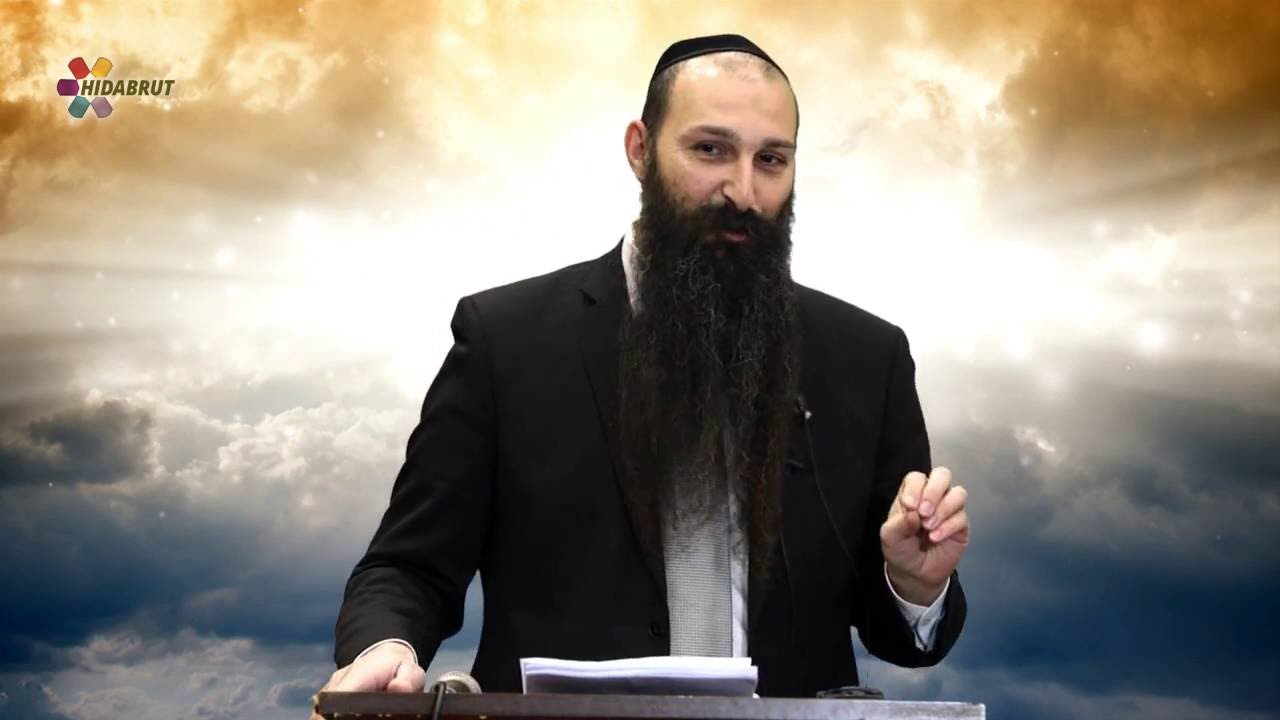
Rabbi Guy Matalon - Weekly Torah Portion: Behar - Part 1
52 views

Follow us: https://www.hidabroot.com https://www.youtube.com/@Hidabrootcom https://www.instagram.com/hidabroot_global https://whatsapp.com/channel/0029VbCYZjl1CYoa4ulQIK2q What is the connection between the mitzvah of shmittah and Mount Sinai? What is the purpose of letting the land rest on the fifth year? In this session Rabbi Matalon discusses the Mitzvah of Shmittah and faith in G-d. For more inspiring content: @Hidabrootcom
Categories:Torah
Comments
Transcript
Auto-generated transcript. Not time-synced to the video.
we start
with spoke to Moses on Mount Si
saying then it
starts speak to the children of Israel
there's a rule I don't know if you know
this rule already but is harsher
thano when the Torah says that's a
harsher type of speech than Amo
and theim ask why is do we
have and then we have am but if you have
why do I need an am like and
say speak you don't have to say speak to
him and tell him speak to him is enough
look speak to
him so here the for example says is a
harsh language it's a little stronger
more emphas
because of whatever is coming next okay
what's coming next and he says speak to
the children of Israel and say to them
when you come into the land that I give
you okay what land is
that that I give you the land shall
observe a Sabbath rest for
Hashem the land also has to observe a
Sabbath for Hashem
for six years you may sew your field and
for six years you may prune your
Vineyard and you may Gather in its
crop but the seventh year shall be a
complete rest for the land a Sabbath for
Hashem
exactly correct you just did another one
you just did you just keep make this two
yes I got one more
left so you're saying that that am I I'm
just reading the Torah I know I'm saying
you're mentioning that the Torah is
stating that we should keep the fields
should keep shabas every seventh year
people don't keep shabas every seventh
year we keep shabas every single
week no no no no he's asking a very very
good question you don't have to explain
it to them I if you hav an ask if you
ask a really bad question I will say you
know that's a really bad question and
even if they like it it's bad question I
move on but if you ask a good question
they all say Ah that's stupid what he
talking but if I'm telling you it's a
good question it's a good question so I
will re I will restate the question and
then they're all going to say oh that's
a good question says right the torist
says that you have to keep the Sabbath
and we keep Sabbath what every week we
have six days of work we have to work
six
days Sunday through Friday comes Friday
night shabbat enters until m Shabbat no
work the Torah here uses the language
the lon as we say in Hebrew the L the
language of Shabbat but it's talking
about six years and the seventh year to
be left fellow right to rest this says
wa is Shabbat is every week if you're
going to use Shabbat maybe you should
use a different term for the years so
what say you
it says like that on Shabbat
also I think that it's just like
referring to shabaz because it's like a
very
ho the day every years okay year yeah
that's what he meant yeah I think that
if you're if you just keep shabis like
every week then okay then it's a nice
thought and it's a very self-contained
thought I mean it applies to Creation
this and that but if you're keeping the
shabas then every year and then in a
cycle of every seven years then you're
showing that it applies to bigger and
bigger and more important things there's
a deeper reality
rning
yeah don't know but keep Shas every
seventh year we should keep the full
shabas each CH every single day no
that's one you like that
a metaphor why don't let it rest every
sh like you do that's what you call shab
we do we do let don't call Sunday shabas
and we don't call Monday shabas yes you
do okay fine till Tuesday and then
Tuesday we we we said no we
said that is throughout the week we're
thinking of Shabbat look I would tell
you I would I thought they would come up
with better answers so the answers don't
really answer what he's asking what
exactly is he asking he's asking if a if
the word Shabbat means a day in a week
then how can you take Shabbat to mean
one year in a cycle of seven time works
differently for the land than it does
for us that's a very good answer you see
so the timing for land it works
different for when it comes to land than
it comes to human being I had a simpler
answer it's very good a very good answer
I would say we are taking the concept of
Shabbat and applying it to the land the
concept of Shabbat when it comes to
human beings when it comes to um
whatever it is Shabbat means secession
of
work secession of taking fruits off the
of the trees consider like shat no no
but the L but you're not you're not
plowing the land you're not working the
land whatever the land produces on the
seventh year by itself you're not
allowed to sell you're allowed to pick
it cuz God doesn't want you onab on on
the but not on
Shabbat but the that we learned that the
39as that you're not allowed to do have
to do with Shabbat and the B Mishka it's
not exactly for the line so we're taking
a concept we're borrowing a concept that
Hashem when he used when he created the
universe and it applies to human beings
in one way it applies to the land in a
different
way
okay the real question that the mefor
that Rashi brings on this
p is the
following it starts
with right hasem spoke to
MOS and what is the first Mitzvah that
he's talking about
so Rashi asks brings that question from
the mid
from he says what is the connection
between shita and Mount
Si why does it make that connection that
God spoke to Moses on our on Mount Si
and he gave him the laws of shita wait a
minute is that that something special to
shita mhu went to Har right and God God
gave him
what all of the
mitz all of
them why here is there a focus only on
shmita why is the Tor saying Shem gave
it har oh really and what about
chabas regular chabas not from har what
about
out uh oh let's pick something really
really good um P the P sacrifice by the
way it's today there's a Min of eating
Matas if you want
so is accustomed to eat mat
today
what those things are mentioned just
another but it doesn't
say wouldn't not be a wait wait let's
we're
raising hand for a while yes I think
it's possibly because isical because
shita is what illogical
illogical so anything that's illogical
should
Beal there's no land that has survived
doing this system other than Israel so
the fact that um it needs to mention
this was mentioned that H stress it more
important so it shows that it's got
importance it can't be just dismissed
it's just but it's logical so the
natural human reaction to it would be
this is
ridiculous very good very good there's
one one of theim says a like this he
doesn't say it's illogical it says that
it's very very difficult for a person to
accept that he is going to have to leave
the land for three
years
why figure the seventh year he doesn't
plan correct
so the sixth year he has to plant and
that food has to last for three years
right for the sixth year for the seventh
year and he can't plant on the seventh
year so he has the eighth year you get
it he gets it he plans on the sixth year
that whatever he plans has whatever he
plans at the end of the sixth year comes
in through the seventh and you don't
have half of seventh and half but you
have to have enough but you have have
enough in the sixth year to give you the
sixth the
seventh and the
eighth correct you don't get right the
eth year you
don't course it did that's what Asher is
talking about non observant of this
whenever they grow they
grow them
Brandon app for all of all of is so what
do we
do
obvious
we no you can there is you say import
that is one solution is to import but
the other solution which and it wasn't
the it was how it was probably was done
it's not that you're not allowed to eat
the fruit of the land you're not allowed
to sell it you're not allowed to make
money on it so that let's say I have a
farm and on my farm agricultural Farm I
have avocado trees I have chicken
tree no chicken right I have let's say I
have mangoes I have watermelon you name
whatever your you you like what it means
is that field is no longer mine you
anyone can come on the field and pick
whatever they want that's what shita
means the seventh year you could eat you
you can eat for yourself that's right
you can eat for
yourself well I don't know that you can
really do
extra sometimes you can you you can only
put so many seeds in this field so we
could have just raided someone
strawberry it's not raided it's this
year but it's not red so let's go right
now no it's foras but remember there are
there are those who hold
so but it's not all because sometimes
there's something called Basin so the
Basin says you know this land is mine
like the and then they distribute the
food right so then it's not he it's not
he then there are those who say no we
can sell it to a non-jew you sell the
land to a non-jew so then the land has
to work kind of like if you you know if
a Jew sells his cow to a non-jew then
the cow's got to
work but what if the cow's into the
habit of not working on and she's got a
problem cut rabbit comes and Whispers in
the cow's ear but we hold that you
shouldn't do that it's not it's not a
question of honorable it's a Mitzvah to
keep so when you have a Mitzvah right if
you look at Mitzvah as a tax then what
you want to do is try to evade paying
the
tax right
whereas if we look at a Mitzvah as an
opportunity to earn right to improve our
world to
come
then you want to find every Mitzvah that
you can do right it used to be today
it's a Minh that everybody wears a TI
but it used to be that if you wanted if
you had a four cornered garment you
would wear a and if you don't wear a
four corned garment you don't have to
right so the gamar says that one of the
an angel appeared before one of the
rabbis and they tell him why aren't you
wearing TI he says what do you mean it's
a Mitzvah that if I have four cornered
garments I have to do it if I don't I
don't have to he said that's only when
in good times but in bad
times when Hashem is mad you should find
other ways to do Mitzvah so you should
wear and the Jewish people took on as a
Minh you see most people who observe
Torah they
wear right so that's the idea that if
you're looking at shita the seventh year
as an opportunity to do what God wants
to do a Mitzvah then why would you sell
the land even if you could there are
people who say you're not allowed to
sell the land because the Torah says
that you're not allowed to sell the any
land that is yours
in we're going to get to that in this
para to a non-jew my thought on that was
that it's a
requirement for you to treat the land
that way if it's a requirement how come
you're able to get a Mitzvah out of it
it's already a requirement no but the
requirement is a mitzvah the requirement
is follow
right that is when we when you second no
no no no no the question this is a s a
bit of a of a I'm very I'm very glad
that you're you're bringing this point
up because a lot of people get confused
people hear the word Mitzvah they think
it means a good deed which means what
it's not obligated but if you do it then
you get like a bonus point just but
that's not
true Mitzvah means it is something that
God commanded you to do so in a sense it
is required and but when you do what you
required you get a reward in Western
culture we think when somebody does
something
voluntarily they should get more of a
reward than doing something that they
have
to but not in
Judaism the gamar says there's a Toho to
explain that says that a person who does
what they're obligated to gets greater s
reward than a person who's not obligated
and does it and tosan explains why and I
think we talked about this
before that when somebody comes to
you and says Bernie stand up immediately
your body is like I'm not standing up
who the hell is he right no he's like
who who who is he to tell me what to
do they're not the bosam me get you get
up and you do it that's why you get a
reward you know what's funny wait wait
wait when you don't have to do what
somebody tells you and you do it the yet
is not forcing you to rebel against it
when God says do this immediately thear
says I don't want to do it why are you
listening to that don't do it all these
people they
nonsense and when you do it because
you're commanded to you get a greater
reward than if you didn't command
weren't commanded so on shita there is a
commandment Hashem says you have to do
this you have to do it and when you do
what you have to do you get a reward
it's kind of like a reward program for
the program right awes right you get
points for doing what what you're
supposed to
do when I was talking to rosi about it I
said wait we're going to reward people
for doing what they are expected to do
shouldn't we give them a reward for
doing
Beyond but the whole point of Judaism is
yes you do what you have to do you do
what you're obligated to do and you get
a reward for
it
okay yes did you want to say something
so it
says but like I just put on 6 in the
morning and all day long yeah why I just
said you it's
initial but every second you wear it
you're doing a Mitzvah no you're doing a
Mitzvah every second that it's on you
just imagine yeah you wear it all day
like ding ding ding ding ding ding ding
ding ding what you just think about it
well you don't put it on your body
unders so wash
it you have only
one then get another
one you know it's
um uh who did I see this oh the G of
villa the VNA gone before he
died he was
crying and it's brought down and the one
of his students wrote about him and they
asked him like re why are you
crying he says because in this world in
this world for a few coins I can buy a
Mitzvah that I could see the face of
Hashem for a few shekel where I'm
going I can't get any Mitzvah at
all that's the idea we look at this
world as an opportunity for
every
second every minute you have an ability
to do a mitvah and by doing a Mitzvah
you have that are prescriptive things
that you're doing and there are things
that are prohibitive that hasem said
don't
do and when you do those
things you're raking up massive amount
of
points and it says
in is aah the reward for a is that hm
allows you to do another
Mitzvah
and and if you sin the reward for the
sin is another
sin and they come like in Chains boom
boom bo boom boom boom so much easier
doah doah and vice versa you know once
you get started it says also the mishna
it says that they that from
sh wherever he wants there are two doors
open you want to go to the mitvah you
want to come to Shiva and learn go like
this you want to do nonsense you know
mess around with Chas you know you're
going go like that you know you get into
trouble that's it whatever a person
wants that's where they
move because we have free
will the the fear of Heaven is not under
hm's control he left it for us it's up
to you you want to work on then okay
okay so back to the question at hand why
what is shita doing at
har so there are those who want to try
to figure out there's something specific
about shita like Asher said that shmita
is something very hard to accept because
it is it requires tremendous amount of
in the
K right think of if you a farmer and
someone and and you know you're told
listen on this year the sixth year you
can only this is it for the next three
years so he wants to say but it's not a
full year because in the end three
months into the end of the sixth year
you could plant
correct but K say if it's three months
is considered a
year
so you have now
a real real difficulty does a person
have enough of
a to trust Hashem for the next according
to him two years according
to three
years three
years and it's the same thing the same
concept exists on Shabbat but somewhat a
smaller scale right there are people who
believe that if they don't work on
shabas they will lose their job they
won't be able to make a living
it used to be the case when immigrants
came into the US from Eastern Europe in
the 1880s right before World War I there
was about a million Jews I think came to
America if not more and many of them
were traditional Jews right they were sh
shabas eating kosher and so on and there
weren't that many jobs for sh shabas
there was a huge labor pool so business
is had you have to work seven days a
week and I know of you know of a story
of a
woman she would get a job on Sunday she
would work till Thursday Friday half day
and she would be she knew she was fired
and she would have to find a new place
to work it take her a day or two to find
a job you know start again on Monday you
know work till Friday and then get fired
cuz that's what happened every week but
she maintained it she was a widow her
husband died she had small kids but B
because she was so committed to
shabas every single of her grandkids a
great grandkids or is Sher
shabas it is really a a matter of amuna
and this is why shita is here so that's
one way to answer the
question now Rashi TR yeah absolutely
you
mentioned where we're saying Hashem is
one we can you know like we can give up
a day for work or whatever we can give
up a year and Hashem will still keep our
crops going and still take care of us we
have to understand the land is not ours
yeah because it says
here read verse the verse two again
right I'll read it again speak to the
children of Israel and say to them when
you come into the land that I give you
why is it I give you and not I gave
you giving God is doing it in the
present
tense it is a constant gift from Hashem
that the land is
out yeah but correct absolutely
absolutely
contingent
correct but it also means that it's his
it's a gift when someone gives you a
gift what should you do con so what
should you
do thank him first thank
you thank
him whatever you have whatever you have
is a
gift everything that you look around you
have an ability to think you have an
ability to look you have ability to
smell ability to to laugh ability to get
angry ability to do whatever you were
thinking is a gift from Hashem he
doesn't know you anything but I didn't
want to come into this world I wouldn't
say that too
loudly come
back right there's a story of a
woman her husband passed
away and she was very very
saddened and she would go to the Kev to
the Grave every day and would lay on the
Kev and cry oh Moshe why did you die
take me with you you know you left me
with all the bills and all the problems
and all that take me with you take me
with you every day and the guard at the
cemetery like had enough like this woman
is coming every day take me with you
take me with you so when she was laying
like this take me with you take me you
took a big rock and put it on her dress
and she didn't notice and then she was
done crying she she gets up and she
feels like a tugue she goes MH I was
kidding I was kidding I don't
know when push comes to sh everybody
wants to stay here just a little bit
longer you know let's kidding
king no when a rabbi tell that type of
story oh
Noom so rashi rashi tells us the
following
the why is this here what is the
connection so he
says with regard to we see all the
details the general principles and the
specific cases all of them are given
here in this para from har we should
learn from this to every other
mitzvah
that all of the Mitzvah all the general
principles and all the specifics were
giving were given at har to the Jewish
people okay you understand the
Raji so it's not only the broad the
broad
outlines but also all the details
everything was given at once
okay and it's why har because it's a
proof that no human being can make this
up a human being cannot promise another
human being the following listen if you
listen to me and don't plant you'll have
enough food for six for three
years no one's going to no one is going
to put that
down no one only Hashem can guarantee
this
and that's why we have here so we see
all of the laws that have to do with
sabatical
year we have in the
beginning up to verse 8 and then verse
sorry verse eight yeah 7 1 through 7
verse eight we have
yovel yel
is it is the 50th year that is you have
seven shita Cycles
okay and then you have
yo so you count you know
seven then another seven and another
seven and then the 50th year is called
the Y and it has special rules to it and
we're going to learn about those
rules
tomorrow so we'll stop here and we'll
continue
with
tomorrow
Up next
24 recommendations shown



Stray Kids
3 years ago






TOOL
8 years ago

The Alan Parsons Project
9 years ago


Ol' Dirty Bastard - Topic
12 years ago



Berel Solomon
3 years ago


Matisyahu
17 years ago