Preparing video...
0:00 / 0:00
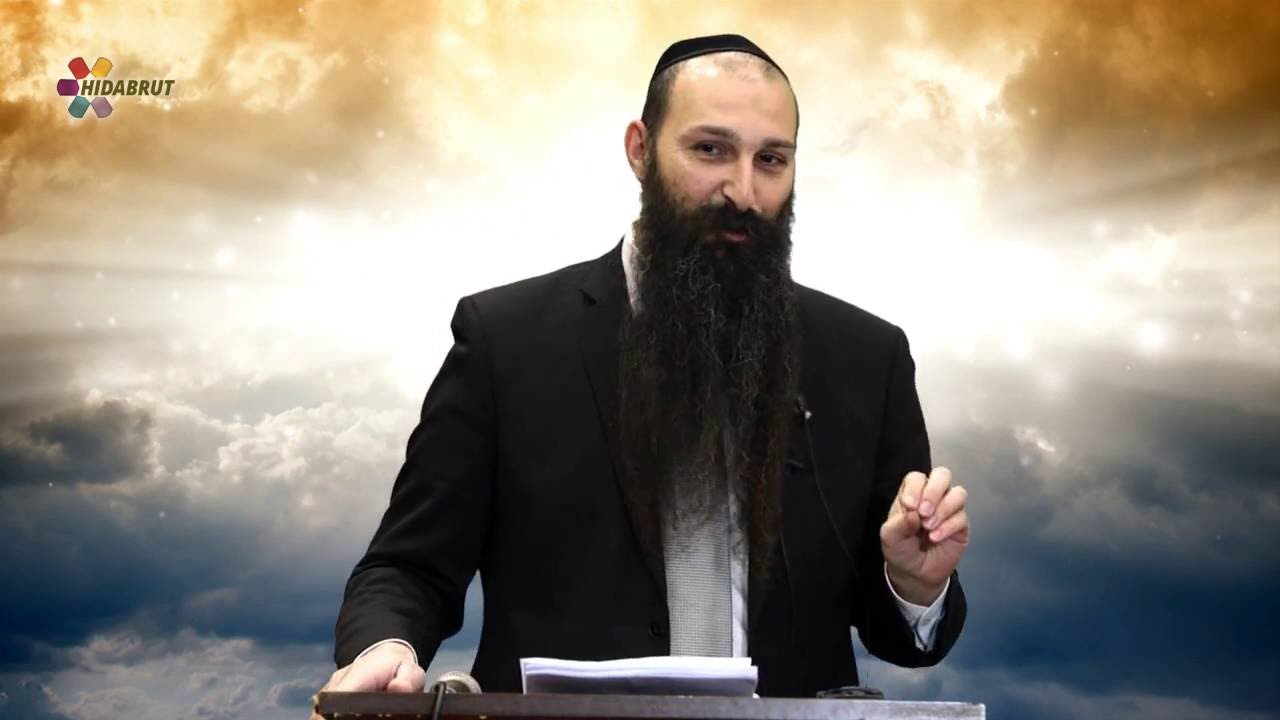
Rabbi Guy Matalon - Mesilat Yesharim - Chapter 12 - Part 2
91 views

Follow us: https://www.hidabroot.com https://www.youtube.com/@Hidabrootcom https://www.instagram.com/hidabroot_global https://whatsapp.com/channel/0029VbCYZjl1CYoa4ulQIK2q In this episode Rabbi Matalon elaborates on the importance of studying Jewish ethics, and how to acquire self-control. For more inspiring content: @Hidabrootcom
Categories:Torah
Comments
Transcript
Auto-generated transcript. Not time-synced to the video.
welcome we are
almost done with chapter 12
and then we move to a new
moral virtue
that most of you are going to probably
rebel against
all right
tells us
in chapter 12
that really the only way not the only
way but probably the best way
that we can acquire
the moral quality of
nicute
of cleanliness
is through
studying two types of
bodies of knowledge one is halacha
and the other
musser
what's muslim david
yes
is
working on
your moral
character
and the way that we learn muslim is by
reading
the teachings of the rabbis and the
teachings in the torah
and the tanakh the tanakh is the hebrew
bible
right the torah is the first five books
of moses
which are
in english for those of us who don't
can't read the subtitles in korean
binyamin didn't get it by the way
he didn't catch that subtitles in korean
oh you got it good
right so what would it be in english
genesis
exodus
leviticus numbers and deuteronomy
all right and then the then you have
naveem
the prophet which is joshua
judges you want me to do all of them i'm
not going to do everyone for you
what
then you have
you have joshua
so we have judges joshua
samuel
then after salmon we have kings after
kings we have isaiah after isaiah we
have jeremiah to jeremiah we have
ezekiel and after ezekiel we have the
book of twelve which are twelve prophets
that i have not memorized in order i am
sorry i know the first one is
hosea
so the tanakh is full of stories
of
people
that we can learn from how to improve
our moral character
and that's how we learn to see
to acquire the meaning of cleanliness
what causes us to lose our
moral character of
cleanliness what do you think it would
be
physical
no
it's not physical acts
it is simply
not knowing the laws and the muscle
if you're not learning you don't know
what to do and what not to do
because there are lots of situation that
you're going to find yourself in that
you're not going to be sure
how what to do
you're not
it's only through learning
and through reading that you are going
to find out what is the right action
in the right situation
when are you allowed to punch someone in
the nose and when you're not allowed to
punch them in the nose
right
do we need examples
or you can figure that one out
yet
well you're allowed to defend yourself
but you also there's another idea
that if the person is endangering other
people
and then you can in order to protect
them you can use force to stop
but don't do that on don't take that on
your own relationship
no
okay
now we enter another part
a really completely new area
in mesilati ashari
which is
the moral quality medata prishut
how are we translating the word preshut
for those of you are following the
simulcast in english
it's a separation
right separation
is when you
pull yourself away
from
a situation or a person or whatever it
is means pulling away
often it's translated as asceticism
that is when you are acting as an
ascetic
and it's connected
with the media of piety
and the goal for all of us is to become
pious
so we will get to piety
probably around
pesach
it's a joke
piety
what do you have
the first sentence says
saintliness it's really piety it's not
satanist saintliness would be
the the saintliness the word is kedusha
and we're not there yet
so he says
that in order to get
to become exotic
what is exotic
someone who's righteous
saintly holy
you have to have the three meters that
we talked about earlier the moral
virtues that we talked about earlier
which is
you have to have carefulness you have to
have quickness
and you have to have cleanliness
yes jeremy um when you talk about
carefulness
um
i guess like maybe like the
more of the definition the word that
that's representing or the word that
that represents also like we were
talking about i guess just in passing
about like
if your heart means well god takes
account for that and if your heart means
bad you don't actually fulfill that
intention then you're not accountable
for that but as like trying to be a
quality person
like how far do you hold yourself
accountable for those those that
internal struggle like like if you want
to manicure yourself to have good
needles like we're talking about the
question is the question you're asking
is are there mitzvahs with regard to
thinking
kind of i'm more talking but the idea is
two well i don't know how far back
meaning in time-wise or causality-wise
uh in our middles like how far do we
push back in the struggle to like you
should control four things
thoughts
feelings words and action
how would we get to the point where we
can control our feelings that after we
have the feeling or even imposing that
from the foreground when you're starting
to see it when you are feeling here that
you're getting mad stop it
right
you could how
it depends on
what the situation is but
first thing is change your bodily
posture
are you getting mad now
you change your body posture
fake a smile
because when you fake a smile you will
smile really
and then say
the following phrase
not my circus not my monkeys
and you'll smile again
like when something crazy goes on that
is driving me nuts
i do that i change my bodily pastor i
take a breath i smile
and then i say something along those
lines
and it helps me does it work for you i
don't know you're gonna have to try
but the point is the source of the anger
again which we talked about a few times
ago
the reason you're getting angry is
because you believe that the world has
to go according to you
but this is not your world
it's by your circus and you're not the
ringmaster
the ringmaster is
god
and if he wants this monkey to jump on
your back then the monkey's going to
jump on my back
so i have to understand that i just got
to go for the ride
because this world is not about me
so
you're ultimately saying let go
i'm not saying
it's not seinfeld serenity now serenity
now
right that's right now
but the idea is that yeah you have to be
aware have develop an awareness of your
feelings
understand where they're coming from and
what is the implication
the implication of anger is that you
believe that the world has to go
according to your own will
but clearly your mind is going to say
the world doesn't run according to my
will
and if it doesn't run according to my
will then i should not get angry
but there are some cases where anger can
actually help right no
in the case where anger should help then
fake your anger don't get angry fake it
like to look at the kid and say did you
just spill that milk
don't do it again okay
got him
right you don't have don't get angry
there's no reason to get angry
you're gonna be much more effective much
clearer
much better at handling whatever the
situation is if you do it without anger
so if there's a case where you need to
fake anger and you fake it
but there's no reason to get angry right
ian tranquilo
just
i don't know what is there to get mad
about
oh yeah i know i'm telling you if my
wife wife watched this she said what are
you selling
you always lose your attempt me
no it's not my monkeys
it's true it's hard
absolutely hard but who says being
a
moral virtual
virtuous person
living at the lie at the level of attack
and a husset is easy
who says
so that's the idea that there is no i
don't know that i can give you an exact
formula that you're not robots
and you might have something that you're
really going to really get angry
you are going to lose it
sometimes you may not be able to control
it but you're not going to make the
situation any better
by getting angry that is not going to
help leah
it's not
you're not going to get her to do what
you want if you yell at her correct
but i told you to put the seat down
yeah
i'm not what you're gonna do about it
right we have this tendency when there's
a great toast vote
the gemara asks
the following question
or says the following question a person
who is commanded to do a mitzvah
gets a larger reward than a person who
does a mitzvah without being commanded
similar to the idea that an employee who
does his job
gets a more reward than a volunteer who
does that job does that make sense to
you
right in america what do we say
a person who doesn't have to do
something and does it is better than a
person who has to do it and does it
but the gemara says just the opposite
and then you may ask yourself but it
doesn't make any sense
why is it that way
toast vote explain
that when someone is commanded to do
something there's a natural reaction get
up what's your natural reaction
get out
no
yeah immediately like what i'm not
that is when you are told to do
something immediately our reaction is to
fight back
toast vote says those what says
that is why you get the reward because
god says do this
and you do it what are you doing why do
you get more scared more reward because
you are going against the natural
tendency of not listening
i mean when you have when you have a job
i mean it's it's kind of uh
if you don't do it you know you're going
to get fired and you're not going to be
able to get it really
really do it you believe that yeah
that's why you get a lot of people
really these desk jobs that they hate i
gotta tell you something
i gotta tell you something there are
lots of people who get a job and don't
do what they're supposed to do
go to post office
i mean
that's not
that what we say in gemara that's not a
riot that's not a evidence against what
i'm saying
there are people who get a job and they
get paid and they still don't do what
they it's supposed to and they don't get
fired and if you sit down with them and
we say listen
you need to do this it's your job your
responsibility you have to do it and the
person says okay
and does it get done
i need this report by monday morning at
9am
i don't care if you have to burn the
midnight oil
is it done on monday maybe
it's all sloppy
it's in some sort of a file that you
can't open
why because the person says i'll get it
done
but i'm going to stick it to you
i'm not saying everybody does it
what i'm saying was there is a natural
tendency when you this is why
i think i gave you this talk
wait i'll tell you what the talk is and
then you'll tell me no you didn't but
you can't are you a mind reader
ah
because
i have the capability of reading minds
this is my wife things
and i guarantee you i don't otherwise
i would know exactly what i told you it
didn't but i gave this talk in or summer
recently i think to your group
about the difference between
management and leadership
people don't like to be managed
ah sounds familiar
people like to be led
when you're leading you are letting the
person you provide an idea you provide a
vision and the person sort of
gets there but if you're task oriented
then you tell them listen i need you to
mop the floor and make sure you get all
the corners and when you people hate
that
you hate that but if you send them the
following
look
we are opening our doors tomorrow and we
need this place and span
i know i can count on you you do a great
job you're very responsible
and you know this is going to be a
reflection of who we are
here's a mop here's a bucket
who's going to be more effective
second person the saga burst is going to
be more effective because they're going
to take ownership
because they understand that their
essence is reflecting on this
but that's not what we're talking about
in rome cloud we got to get back that's
a separate talk matt are you okay
you with me
so it's true it's not easy
to get to this level of moral perfection
but if you want to connect to hashem if
you want to feel
the pleasure of being connected to
hashem as hashem says
you have to work on your moral
values
it's hard work the ram khal tells us
it's a daily battle
it's a constant state of war between you
and your habits your society your
friends
your desires
your
bad moral characters that you've
inherited or you were born with you have
to battle all against them and you can
do it doesn't mean it's going to be easy
are there going to be casualties
yes
all right so he says
the pre-shoot
pressure is pulling away
the idea of refraining
is
has two aspects
remove yourself from evil
and asset of is do good
those are the two
competing responsibilities that we have
for our moral growth
we have to remove ourselves from doing
bad things from evil
and
put us in a situation where we're doing
good
but we have to have a clear
understanding what those categories mean
you have to be very sure that this is
evil and this is good
if you are a moral relativist thinking
that there are no absolutes you've got a
big problem
because you don't know what evil is you
don't know what bad is
so when it says
get yourself out of evil don't harm
how do you decide what harm is
so it doesn't work
so he says
says beautiful idea
sanctify yourself and that which is
allowed to you
the torah gives us tells us
these are the ways that you we can
become holy
right rashi says if you look at the
times of the torah speaks of us becoming
holy
we learn
of the laws of kashrut
and the laws of illicit sexual relations
not sleeping with your mother your
sister your grandmother
so
rashi says to us that we
become holy
by living according to the boundaries
that the torah gave us
what is holiness
holiness is a recognition that there are
boundaries
and that you stay on this side of the
boundary
you achieve holiness you cross the
boundary
you are in what is called the realm of
the secular
okay
why is shabbos called kudish about
kodesh because there are boundaries
around that time period
we have holiness to places
we have holiness to times we have
holiness
to
space
to feeling all sorts of every aspect of
the physical world there are boundaries
and through maintaining or living
within the boundaries
we achieve holiness
the ramban says
the way to become holy
is not
exactly according to this but there's
another way
that is it is not following the
boundaries of the torah
put on you
but rather creating boundaries within
those boundaries
why
because their gemara
and the ramban quotes these gumaras and
says
a person can become drunkard
according to the laws of the torah
the torah allows you to drink wine
so i follow the boundary of the torah i
always just drink kosher wine
there's some really good scotch i hear i
don't drink i don't know anything about
this
i went to the airport and you know they
have the duty-free and they offer you
scotch
i said to them listen i don't know this
is this is a 400 i said don't waste your
money just you want to give me something
to drink get me a coke i don't
i don't understand these things they all
taste like you know
nail polish remover
did you drink
do you know how to drink
yes
no
anybody here knows scotch there's a guy
i know in the basement madrid
that is a professional whiskey taster
he knows he will tell you like what is
you know what are you laughing because i
know you do yeah oh
really
so if we're talking about the same guy
yeah well i don't know how many there
are i mean i didn't know that that's
such a profession
but like for me if they hired me i it
would be the worst job for me like taste
this
fine
poo
can i have a coke
so a person according to this could
become
drunk every night from wine because the
wine is closure
also
says the ramban
a person can be with his wife every
night
like a rooster with
hens and that's not the purpose of the
torah
this is what the ramakhal is talking
about
is talking about
identifying and creating boundaries
within the boundaries of the torah
allows
so that we reach higher levels
of kedusha of holiness and this is the
medal of prishud
because he says he says to us
he says
sanctify yourself and that which is
allowed to you that you are allowed to
use and this is the word meaning of the
word preshut that you distance yourself
from the thing that you are allowed to
use
do you hear the difference
so the ramkhan is saying you need to
create a boundary within the boundary
are you allowed to eat steak
yes
no
are you allowed to eat steak
what under what conditions can you eat
steak
kosher steak if it's glad kosher steak
can you eat it
should you eat it why not should i eat
it every night
seven of them
the point of the ramakhal is saying no
the fact that you can eat it it doesn't
mean that you should
it doesn't mean that you should
why
strengthens you
because the question is who is in
control you
or your urge to eat
somebody says here it's a beautiful
kosher steak this size
and it's unbelievable
or i don't know pick your your poison
you know you get a bucket of pistachio
ice cream with a touch of mint
chocolate chip
that's not
a reference to anything but the actual
somebody gave me that somebody said you
know pistachio icing but what if you had
a touch of mint oh chocolate chip mint
that i can't resist
so
does that mean that you can and it's
kosher i love israel there's no problem
with it does that mean should i eat four
gallons
too much
what's who decides it's too much
me the point is that you should control
it this is what he's talking about that
we should distance ourselves
that even things are motor for us things
that are okay
why
what's the purpose of this
why do we need to do it
self-control if we don't have
self-control because when we have
something that is forbidden to us we
will cross the line
we'll cross the line
but the key is to know
what boundary is that you created and
what is the boundary of the torah and
what the gap is
because if you confuse those you'll be
in big trouble dmitry
i don't
think denial of your desires but
a subtlety perhaps
um the difference is not to say not to
abrogate all your desires but to work on
changing what you desire
so
that i don't know that i necessarily
would agree because of chapter 11. okay
because there middata niki the
cleanliness is to remove desire
altogether
okay yeah we're not buddhists right i'm
just making a point or not it's not it's
not it's not a citizen
as we said before yes it's not saying i
i'm going to i'm not going to eat
steak because i think by denying myself
but i really want to but denying myself
pleasure is good for me it's like
whipping your self-flagellation we're
not into self-flagellation right we're
just saying that
there's a reason why it's not good for
me to eat steak and i have to start
flying into understanding the concept
behind that very good that i can agree
that's a fine point that i think there
is
well that's why he said that the whole
point is that kavanagh the purpose of
this is that a person should not come
cross what is forbidden
yes
okay uh i really like bbq pork ribs
solve that problem
you want me to solve the problem give me
suggestions like without
shock collars with me having the remote
control
that will cure you very quickly
and on shabbos we'll just put it that
you'll get shocks every two minutes
so like like ah don't eat it
without wanting to eat something like
that how do you take an urge for
something and redirect it
yeah
doesn't it say yourself
whatever there is or something correct
like somebody was telling me about
calamari so i can't live without
calamari i said well why don't you just
fry some uh rubber bins
only taste the same
have you eaten
pork ribs since you've been in our sama
so you're curious you're cured
tell that to the emailing freaking files
that they have
the what oh they email you who's they
yeah you can unsubscribe but then that's
too much effort rabbi just give me
shock collar right
i saw this video of a guy that they put
on a shot caller you know for dogs and
that he put it on one and he made a
noise he goes i think it buzzed it's
like ah it's okay number two
then he pulled full blast and the guy
goes ah
then i i recommended that for the darwin
award i mean that is classic
evolution believe that that's here you
go
all right
so two minutes let's keep going
so he says if there are three levels
in what we're talking about
there are the issues themselves things
that were forbidden by themselves we
should be aware of that
then there is the psychotechem
which is what are the rabbinical
boundaries that are established
and
the
boundaries that we are going to put
ourselves
three levels
there is the torah view
what the torah says then the rabbi said
we are going to make a fence to protect
you and then you're going to put an
additional fence
and you have to be aware of what fence
you put in what fence the rabbis put in
and what is the actual issue
that is the raisa and the rabbana
okay it's very important not to get
those confused
because sometimes
as we saw with adam and eve
they had a homura that ended up to akula
the hummer was don't touch the fruit
she touched it
and the serpent said you're going to die
i didn't die
she's like okay then if i'm not going to
die then it means that i can also eat
and the rest is history
it is
literally
all right let's stop here we'll continue
on sunday with hashem shabbat shalom see
you soon
you
Up next
24 recommendations shown