0:00 / 0:00
Gateway To Tefilla : The Last Halleluka; the Grand Finale of Tehillim - The Song of the Soul
50 views
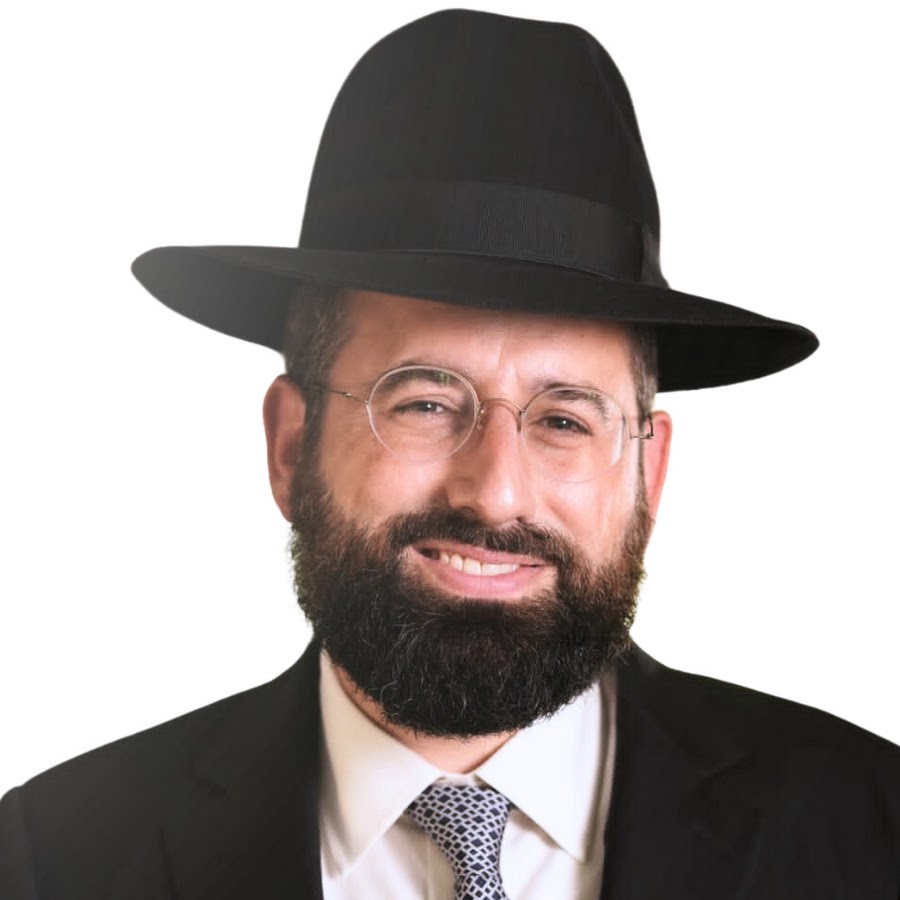
• Visit the Rav's site: https://www.rabbidg.com/ • Have a Question? Contact the Rav: https://www.rabbidg.com/contact • Order Rabbi Glatstein's Books: https://www.rabbidg.com/rabbi-glatstein-books
Categories:
Torah
Comments(0)
Transcript
Auto-generated transcript. Not time-synced to the video.
this torah class is brought to you by
torahanytime.com
okay
welcome everybody
we're about uh
to
continue
our series on fila our series on two is
sponsored
so if anybody is in uh
cedarhurst for the shabbos
uh you could still join us you could
still come to cedarhurst for shabbos you
could join us for the shabbat sagado
russia at 6 pm
shabbos afternoon
even if you're not in the neighborhood
at 10 pm we're having a meeting
regarding very exciting uh developments
for our shul
if you're around and you could be
makazikas it'll be greatly appreciated
10 pm outside shabbos
we're now examining the final hallelujah
chapter 150 of tahilam the last
hallelujah
and the last perak of tehelem the gemara
says in shabbat summer of yosef
this world be among those who finish
halal every day meaning among those who
finish to hillam every day
and
what he means is
that uh we should always
say all the hallelujahs and this way
we'll be able to finish the end of
tehillim daily now the final chapter of
the hillem begins hallelujah hallelujah
hallelujah
how many times do we say
hallelujah in this paragraph well let's
count hallelujah hallelu hallelujah
hallelujah hallelujah
[Music]
so let us
try to understand why do we say
hallelujah 10 times
we said in an earlier
chapter
hallelujah
hallelujah we said that eight times
why over here do we say uh ten times
now derek said
it is the manner of the conductor al
tismaras
that he would signal
to each musician
that each one should play his
instrument at its appropriate time
and in the end they all
together give the final blast
so that it ends off
with a impression that will not easily
fade
therefore the ims mirror the great
singer of israel metaphase
he is
stepping up from level to level
until he finally reaches the summit in
this psalm
which is the final psalm of tehillim for
who she his gabriel this is like the
summit the pinnacle the climax
of
prevailing in song shall call him
and now what does this refer to
because remember the hallelujahs are the
part of davin that is referred to as
the pair the crowning achievement of
world existence
where there are five epic periods in
history
and they are
number one the first hallelujah before
the coming of mashiach where many people
will believe in false messiahs and
therefore the
drama says
do not believe in any human beings
then the next period in history is the
second hallelujah that refers to
the period
right before the coming of mashiach
is coming and we begin to see bonai
yerushalayim hashem
and then finally we have the halaluka
and that is the
arrival where all the briya is elevated
and the entire brio sings takadesh
then we have the fourth hallelujah which
is the hallelujah regarding the period
of triassim
and the fifth and final halaluka
is the song of the soul
hallelujah
which ends off
this is the song
not of meshiach
of the akhras
and this is the highest song
and
this is the summit of all of dublin
songs
it's the eulogies like the rambam says
there's no body there's no physicality
it's just the souls of the sadiqun
without any body like the malachi
ashari's and the singer begins
hallelujah
and he begins
the conducting the symphony he commands
those near him
and to play and then he turns to others
to play
first he talks to hallelu
praise god from his holy abode that is
the makkoi
the holy place the makama mikdash
but really he says
dash
encapsulates the whole world because
also lovely the caduceus
will spread to the whole world the male
hashem is
and
then down another turns to the various
and he commands them hallelujah
praise hashem from his firmament of
might we think the rakia is the air
around the earth the truth is where ikea
is all
all the universe all the space above us
the rakim alyonim up to the maisomer
cover even by the mice it says
so even on the russian
is the highest level of the rakia that's
the strength of akash barco
so we say haluka kale big kadchai
praise god in this world the makkah
mishkan of those who have free choice
and hallelujah
even in the upper worlds hallelujah
praise god
with his me
um for his meet us
and then we say hello good luck
praise god for his meet us praise god
for his meet us
that
the two of them together will be
misakade to one khativa
now and afterwards it's a mitzvah to
praise hakodash baraku with all kinds of
song bacho suge kliszemer
trumpets
now we are we don't know exactly how
each one of these instruments
in what way they bring out various
um
feelings and
thoughts and emotions but america is
summoning all of them
but then david mel says
says
you could explain what does being called
the neshama in all of its slam us
khoil haneshama the entire soul
the explanation is as follows
the truth is we don't really understand
the nuance of difference between all
these various instruments
why do we need symbols and why do we
need an organ and why do we need a flute
and why we need a trumpet
we don't understand the kashivas of each
one
why dabra is referring to all of them
we find in tehillim
says on a ten stringed
harp
on a lure
on a
harp
but it is clear the same way the body
has a varum we have arms we have legs we
have organs we have a heart a liver a
spleen a pancreas
and each one has a specific function
god programmed into the neshama
that it should be divided into many
different
the neshama has different components to
it and each helic of the neshama is
moved is aroused by a different musical
instrument
so we need these various instruments to
elicit emotion from each khelak of the
neshama so we say koala neshama through
all these instruments every dimension of
the neshama should praise hashem
now interesting in this mismara we have
hallelu ten times
now the truth is
i think we have more hallelujah
hallelujah hallelujah
so we have 12 times
so where do you get 10
maybe we'll take out the word hallelu so
hallelujah hallelujah
maybe just the word hallelujah
hallelujah
[Music]
and then we have hallelujah twice
and we have tahal ones and we have
hallelu ones so probably we count
hallelu
and we don't count the two halalukas
but we have the word hallelu ten times
in koffman we have hallelu
eight times why
because i'll say the harp of the base of
mikdash had seven strings
but in imai samashiach they'll have
eight strings and in my ba they'll be
ten string shanemar ale
so what do we see from here
where we're talking about the um
therefore it says hallelujah eight times
because in tanzania there'll be an eight
string tarp
but our mizmar is not talking about
it's talking about
it will be a ten-stringed harp therefore
it says hallelu ten times
and now we understand
why in miss marshall
referring to a harp of ten strings
because in the yom shakula shadows then
there will be a harp of ten strings so
regularly in the mikdash it was seven
strings in kuf
which was
we say hallelu eight times as the gemara
narcan says the harp of the base of mig
dash will have eight strings and in the
final chapter in kufnun which is about
the oil manufacture we say hallelujah
ten times because it lost the lava there
will be ten strings and that is why in
misma
mashabas we say ale also we refer to the
harp of 10 strings okay i want to wish
everyone a good inshaallah salgado thank
you everybody for joining today
and wishing you all bra
if you find yourself in the neighborhood
please join us for the salgado russia at
6 00 pm
um and if not please join us matsushabus
10 pm
for exciting announcements agun shabbos
everyone shikayas
you've just experienced another torah
class brought to you by torahanytime.com