Preparing video...
0:00 / 0:00
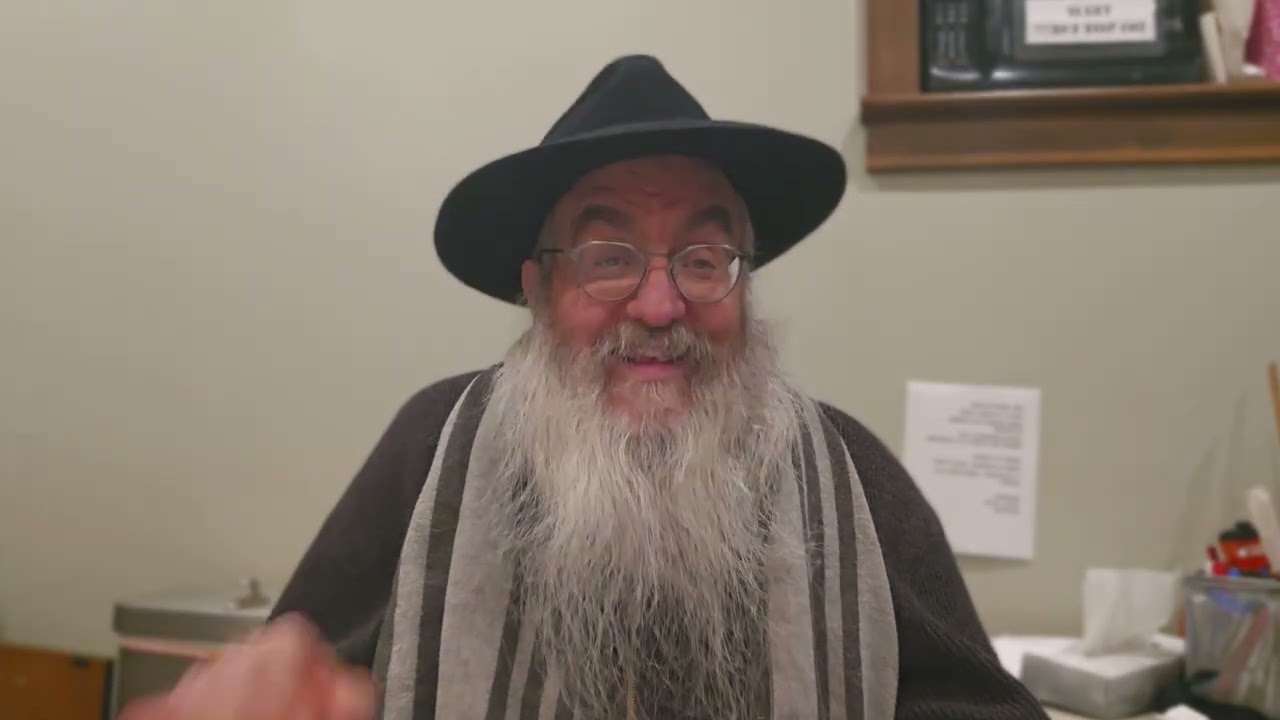
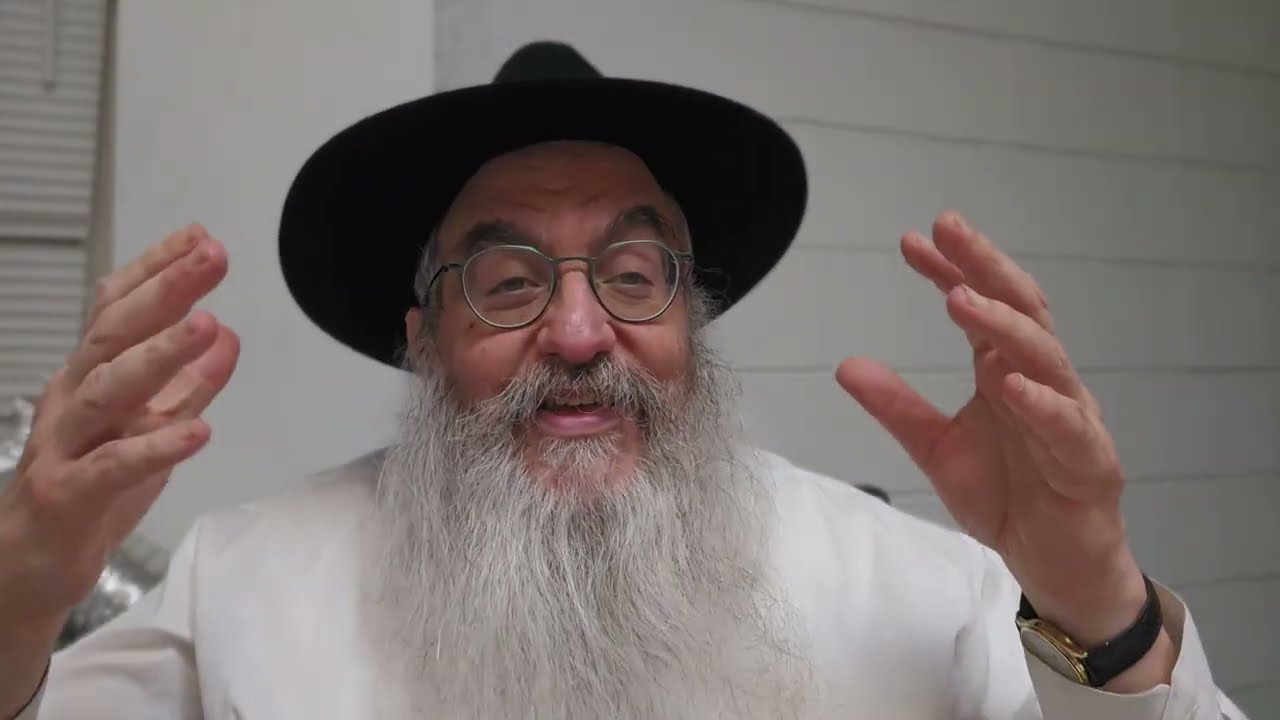
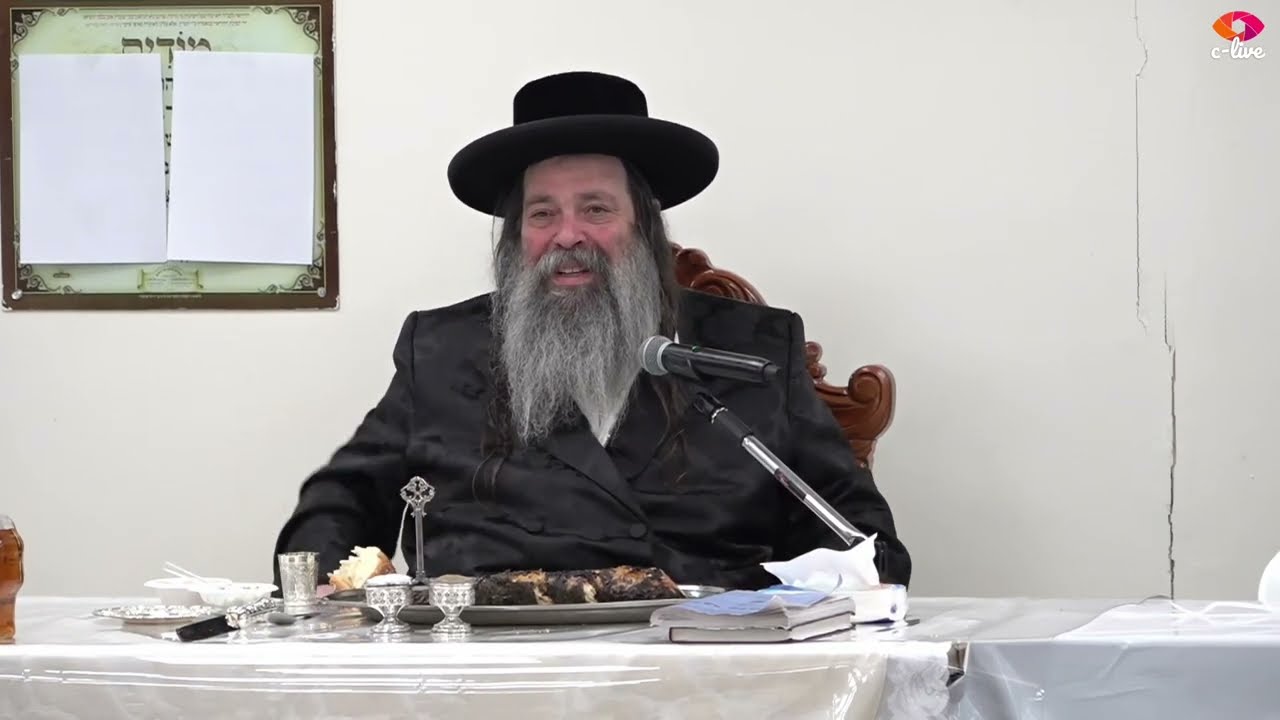
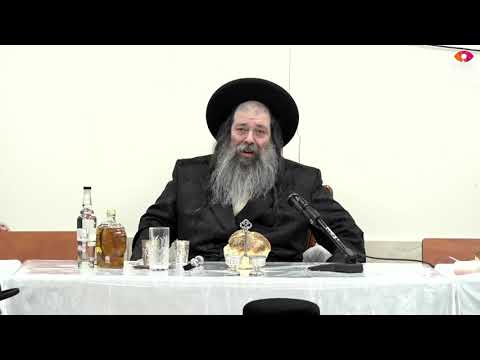
Thought for the Week Parshas Shoftim Confidence Rabbi Yaakov Winner - 5785
18 views

To donate or for dedications to continue the holy work לנדבות והקדשות להמשיך את עבודת הקודש https://secure.cardknox.com/chassidusonline
Categories:Torah/Chassidus
Comments
Transcript
Auto-generated transcript. Not time-synced to the video.
First of all, how are you? I hope
everyone is
I hope everyone is healthy, strong and
happy physically and spiritually.
Today we're going to talk about
something which encompasses our entire
as usual we'll start with
since the war started we added Msiah
should come now we're going to say for
our prayer this week a which we started
saying from
which is also going to be
in a word the central of what we're
going to speak about today. the central
point and that is
which literally translated is that my
heart
says
in your behalf my heart says seek my
countenance your countenance Hashem I
seek so pa means the face hashem's face
but I think as we've spoken about this
For pa means also pinemia is go for
what's deep go for what's inside not for
what's superficial not for what's
surface
etc and that's also going to be related
to the mitzvah that we're going to speak
about today connected to
so what we're going to speak about today
is everyone knows
I am to my beloved of it referring to
Hashem and I as an individual cry out
declare to Hashem.
But the question is who are you?
Where do you come from? Who are you?
Before we speak about details about my
intellect and my emotions,
there might be something which is a very
strong key
to functionality and to success
that encomp encompasses my entire
personality and my entire identity and
everything that's all about me.
And that will make the when I say
and I make this proclamation of pledging
allegiance as we said once before that
should be successful.
So I'm always trying to listen to the
messages for Hashem to think about what
we should focus on. So in this week's
para
I saw a certain message twice
and what was that? the message the idea
of trees and in a very interesting way
it made me thinking in the beginning of
this week's par which is
and it speaks about authority it speaks
about kings it speaks about uh the
judicial system it speaks about judges
it speaks about
authority
many different forms of authority so the
Torah starts off
and then right after that
later it says
I'm going to read you the translation
from the
you have been told not to worship idols
and moreover to uproot all deified trees
you encounter in the land of Israel. In
addition, you must not even plant for
yourself such a deified tree.
for even merely planting such a tree is
a punishable offense
whether or not you worship it.
Furthermore, you must not plant any type
of tree or build a house near the altar
of Hashem, your Hashem that will make
for yourself on the temple mountain. So
here straight away
it's talking about idolatry.
And in particular,
you think there's many many details
encompassing all the idolatries of the
world.
But still the says
collates.
What's this particular
focus on the idea of not following in
the ways of the idolatrous by planting a
tree next to the altar? So what comes
out
is that first of all what is the meaning
over here? There's two general meanings
prohibitions connected to this verse.
Number one, you shouldn't make a tree
with the intention to serve that tree
which means the tree is the idol.
Number two,
you shouldn't plant a tree next to the
misbeh
which means that we'll soon see from the
that by the ways of the the
idolattors they would have an altar also
and next to the altar they would want to
make some spectacles some grand
landscape and beautiful gardens to make
it more attractive.
So in our serving hashem we do we
shouldn't do something which is like
which is doing something which is
that when they serve their idol
they they they have certain practices
that go together with it and that is to
try to make something surrounding them
beautiful shrubbery etc etc that's the
also an isa
okay
So we're soon going to get to the
meaning over here for a second. But
first I want to say what I said that it
was a double message at the end of the
para it speaks about if you're going to
conquer a foreign land
from a different country and the p says
that you should not cut down a fruit
tree
because man is compared to a tree. We
won't spoke about this. So here we see a
contrast that in the beginning of the
param
of everything and all the different
practices and rituals that the Gentiles
did when it came to serving idols we
picked out this idea of not planting a
tree
and over here in the end it says don't
destroy a tree a fruitbearing tree
and in general we have to understand the
justification over here default in the
beginning
and then it says you shouldn't make them
like what's the connection if it would
say right after
we're talking about fine but when it
comes to this over here with these and
we're talking about judges why over here
now did the decide to put in these
talking when afterwards it goes
continues with with kings and different
ideas of authority etc.
Anyways, to understand all this maybe we
could say
and
the source of what I'm going to say now
really was from a letter from the Reb
which I'm going to translate in English.
Just read some of the translation.
But what triggered this was that I saw
two stories of the Reba this week about
confidence.
Let's start with the concept of
confidence.
You could say
what does a tree represent? The tree
represents standing tall and straight.
The reference of a tree is
especially if you think about the
redwood trees of California things that
are grand glorious
and that's part of the reasons why the
would plant them next to where
they were doing their
idolatry was because it makes a huge
impression.
It's beautiful. It's grand. It's epic.
So the idea of a tree could represent
man's
ego. We'll call it ego in the negative
sense. We'll soon get to the positive as
we said before. Confidence. What's a
tree? A tree grows tall
and strong.
But how? When it's connected to its
roots properly. That's the positive
point.
So let's first talk about
the end of the par with the two
and primarily this point
where the Reb talks about the idea of a
tree represents
these four categories of creation
there's inanimate vegetation
the animal kingdom and humans
one of the aspects unique
traits of the plant kingdom is that
they're attached to their source
and they have to be com always attached
to the source.
Only when they're attached to the
source, connected to the source, do they
continue growing, do they continue being
vegetation
and as we mentioned once before this
saying which I love very much, the
deeper the roots, the stronger the tree.
So what does the idea represent?
If you want to know who you are,
it's a know where you come from
and then you'll be a strong tree.
So the the the the the
conviction
of your personality of your identity
is in direct relation and proportion to
your connecting to your source.
And just to read you in the words of
English what the Reb wrote to a certain
person
who was very felt very shaky about life
and the future.
The Reb wrote true security is through
connecting with your source which is
above and beyond
you. A person should be aware of his
family's history and traditions
including his ancestors
which means even of
etc.
which his ancestors are present hidden
in their souls hidden in our souls.
Then you realize you are not alone
and that the control you have in life
over your destiny is limited
and primarily the matter is in is
dependent on Hashem. So you're connected
to your source.
The power of your source is infinity.
Connect more to that infinity
and through that power you'll be able to
overcome whatever comes your way. When
you connect with your roots, it brings
you tranquility and enables you to
persevere through all challenges and
carry out whatever your mission in life
is.
So here we see clearly how the Reb says
that the person's confidence in direct
proportion to the measure of his being
connected to his roots to his source
that gives him greater confidence.
And over here we're going to say your
roots of the Jewish nation, Jewish
history
and etc.
Now there's a vert that I once saw from
Rabbi Tski the famous Rabbi Turski which
and that really is
what I'm going to say right now about in
said the following
the a
person should look
at his at his eye at his ego and realize
could be a blessing. It could be the
greatest gift that God gave man.
Independence,
individuality,
or cla could be the worst thing. It
could bring him down when you're full of
vanity, when you're full of arrogance.
The question is, will your ego, let's
put it that way,
we're calling it ego even though ego
usually means only negative, but right
now we're using it as neutral. Will your
ego be something which is constructive
or destructive?
What is the meaning of that? And this is
the point. The point is you know when
you speak about a person we spoke we
started saying today about
who is the so you have to realize in
this we talk about
that's your personality your IQ and your
emotions and then we say there's your
actions
thoughts means what thought is occupying
your brain space right now
speech what you're speaking and then my
say your actions
so says says that obviously that your
actions don't necessarily reflect who
the person is. Then we go deeper even
though your personality your IQ and your
and your emotions and your character
traits do reflect who the person is much
more but then there are certain things
that
affect
everything.
Like for example we say
and as we mentioned many times we say
through
joy
everything could be accomplished
but through depression nothing could be
accomplished. So that's why this
emphasized and stresses so much the
importance of joy because joy
is not a particular emotion. You know
what joy is? Joy is like the power on
power off switch.
It doesn't affect details. It doesn't
affect specifics.
It's whether the entire machine is
functioning.
Now the same thing is true over here
when we talk about confidence.
If the person has self-confidence,
self-esteem, then I the same thing. But
for today's lesson, we're going to put
them together. If a person has
confidence and he has self-esteem,
positive self-esteem,
then he can accomplish everything.
But if he doesn't have it or
if what he has is called ego,
if he has arrogance,
then even if he may accomplish
something, it's not going to be positive
at all. Sooner or later, it's going to
come crashing down.
And this is the difference
between the beginning of the para and
the end of the para.
the the the balatur brings down the gart
and then we might connect to time is
running out. The Balotin brings down a
gimra.
He says the gimatria. You look up the
Baluru, but I'm just going to quote you
straight from the gum. The says,
"Whoever whoever appoints a judge over a
community, but the judge is not a proper
judge. He's unfit judge.
Israel.
It's as if he planted Israel. So
says this statement
and then added to that.
But in a community with other more
appropriate judges,
it's then like he planted this
next to the
So
what is the connection? Now I'll answer
the question we started off today's
lesson. Maybe you could say
what why does the right away put this
next to
because the position the institution
judicial system
represents a tree.
It's grand.
It's tall. It's powerful.
So the question is
do we corrupt it
or not? When you put in put in place a
judge
itself is a problem. It's like you took
the most powerful tool
like we say religion is a powerful tool
justice is the most powerful tool. Could
you imagine when the justice department
or justice itself is corrupted?
That means you took a glorious tree
which could use it which could be used
as a tool to say
or like independence and individuality
which is the most powerful tool given to
mankind.
It could be channeled in the right
direction. It could be channeled the
wrong direction.
So that's why that's the connection
between
right away after
he brings
you shouldn't be why. So that's what the
PK says and the bal
remembers brings down this to explain
the connection between
and
you want to know what the connection is
already brought out the connection but
the bal doesn't explain the why he just
brings the quote from the that says that
and maybe we could
Because it shows on the corruption,
the greater the power, the greater the
force,
the greater the institution,
the more terrible and disastrous is when
that itself is corrupted or going in the
wrong direction
like a tree.
And then says
that when you do
that's the second is involved in making
the not only the idea of itself but you
now want to put it next to the which is
another
as we mentioned in the beginning because
then it's a distraction and over here I
want to read you what says
because this is going to be connecting
also how we spoke in the beginning of
this year
about listen to the words of the of the
of the of the
he said you shouldn't plant trees in the
mikdash
and the reason for this prohibition
wrote
the people that served adultery they
used to do this they
at
We'll call it churches. I don't know.
They would plant beautiful trees.
In order to distance ourselves
to anything that even compares or
resembles
the thoughts of of of people, people
should know that the ones that are going
to serve the
So therefore, we're not allowed to plant
any trees
next to the to the place of the mikdash
because that would give the person the
wrong impression that by us our relation
to Hashem is connected to spectacle is
connected to theatrics is connected to a
beautiful garden. That's not what it's
about. It's about pisu.
It's about sacrifice.
It's about us getting close and intimate
with Hashem. It's not about
seeking audience approval by trying to
draw them in through external
things that seem attractive. Now based
on this what the says so comes
tell us another thing about the what
happens when it's when it's
when the scholars
is because that means there's other
scholars in the city in the town and you
didn't go for the scholars that had the
real traits
and requirements
to be a RV. They know a lot of Tyra.
They have good midas.
They have obvious.
What did you fall for? You fell for the
facade. You fell for the fancy tie. You
fell for the chup. You fell for the
rabbi that speaks in eloquent English.
Every single box that you thought was
important for the rabbi was like the
ara.
It looked glorious on the outside, but
what's really important
is
Is that how you choose as the judge? Is
that how you chose as the judge? No.
Even though it was a community
and the reason is why obviously the
reason why he chose that person because
externally
for the for the poster
for the advertisements to look good etc
etc.
Okay. So
I want to finish with two stories
that I mentioned before that these two
stories were
what made me start thinking about this
is there was a story with a a couple one
story with a couple they went to the Reb
and they told the Reb that they're
moving from a Hebrew day school
they're putting the child from from who
previous in a Hebrew day school into a
regular yeshiva
obvious Obviously, the
difficulty in the Hebrew studies of a
Hebrew day school is very minimal,
but once you go to yeshiva, it's much
more hard, you know, real
learning Tory. So, the kid was was in
third grade and the mother is talking to
the Reb and the mother's telling the Reb
that she's very worried. She doesn't
know if the kid is really up to it yet
and she would like to have his blessing
that she should succeed because this is
a very very big leap for him. Um he's
not really on their level of that grade
but she wants it because it's a better
environment to be a to be an observant
uh living Jew etc. and he's going to be
going there without friends. So the Reb
tells her, number one, try to get a
tutor to bring him up to par to the
level of that class.
Speak to him very, you know, positive.
Tell him he's older and therefore he's
wiser and therefore we have to go to the
next level. We're taking this next level
in in in learning Tyra.
And then the Reb says finishes off to
develop and foster his self-confidence
to be able to accomplish all the above.
So in other words, you know, there's a
famous expression
is the key to all the character traits.
To paraphrase that saying, we could say
confidence is
that in a certain sense, confidence is
the key to your entire identity to be
able to maximize your potential.
And that's why and it's especially
appropriate now in the beginning of the
new year. We have to realize connect to
the source,
connect to
and you'll be able to carry through
everything because you'll have the
confidence to be able to do it. The
other story
um I saw this week it could bring me to
tears when you think about it
and you have to think about put yourself
into the shoes of the person. There's a
son who says a story that happened with
his father in 1956
in Montreal. His father had a uh
business in a three-story building.
He was a tailor. He sold clothes.
He had two tenants that were living in
this building. In 1956, he was notified
by the the insurance company
that they're not taking anymore. They're
cancelling the insurance on the whole
building.
It was an 80 year old building
and he didn't know what to do.
The son went with the father to as we'll
see. He's telling the story. My father
didn't know what to do.
No one else was going to take the
insurance and he didn't have the money
to tear down the whole building to build
a new building. The problem was the
building wasn't insur insurable
because of many many factors
and he didn't have the money to build a
new building and he didn't know what he
could do. Anyways, he couldn't handle
it. This is the son saying my father
couldn't handle it. He didn't know how
to deal with it
and
someone advised him to go see the Reb.
He traveled to the Reb from Montreal to
New York with his son and he walked into
with the Reb and he stood right at the
desk of the Reb with his hands flat on
the desk
with his back bent over.
And that's how he'd been for a couple of
months, bent over and depressed and
despondent.
As he had his hand on the desk and his
back bent over, the Reb said, "Rebn,"
that was the name of the father. "Rebn
stand up straight."
Father listened immediately. He took his
he took his hands off the table,
off the desk, and he stood up straight.
The told him you have to be like a
soldier who's going out to battle.
He goes,
he goes with a joy and
that he's going to win
and that's why he wins and that's the
only way you win.
You have to go back to Montreal.
But with the
that is on your side and you're going to
win,
you need to go into the bank and go into
the bank manager
and to the mortgage company and to the
insurance
and speak to them in such a way
full of confidence
with the etc. As we mentioned before,
the son says, "My father heard these
words. He was a changed man. He went
back to Montreal.
He spoke to the bank, the bank manager,
etc., etc. And in the end, he was able
to raise the money and get the loans and
the mortgages to be able to, I don't
know exactly what rebuild the building
and his business flourished, etc.
So here we see again
how important it is
to have the confidence
and how we get the confidence
like in the story with this father
because the is on your side you have to
have that
and it's etc.
So this is the message and why it's so
important in the month of
How are you going to be able to get from
there to
with everything
with all your possessions with all your
talents with all your character traits
with all your faculties with your entire
personality?
You're
could be a if it's going to be the
confidence
in a positive way but based on the fact
that this is you matter because Hashem
decides you matter then it's not a
problem then it's positive self-esteem
but then you filled you're full you're
filled with
duty and responsibility
but if it's vanity
When you say and you think about you
think you're special because you decided
you're special then you're full of
entitlement
and expectations
etc. Anyways should help we have the
right attitude. We have to know mish
mish
be connected to your roots
be full of confidence and self-esteem
and
that when you set yourself in such a way
you'll be
and through our
we did our same
and because we have same
therefore For this is the irony of
Yiddish because we proclaim
me. So then we get the confidence
because we have the power of the king
together behind us and through our this
will cause the to bring the guru means
taking posting from my home.
You're a man in Melbourne.
Up next
24 recommendations shown


Stray Kids
3 years ago



TOOL
8 years ago
The Alan Parsons Project
9 years ago

Ol' Dirty Bastard - Topic
12 years ago

Berel Solomon
3 years ago
Matisyahu
17 years ago