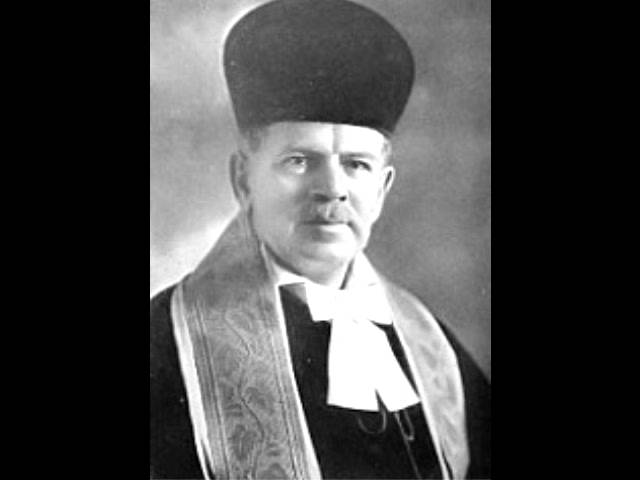
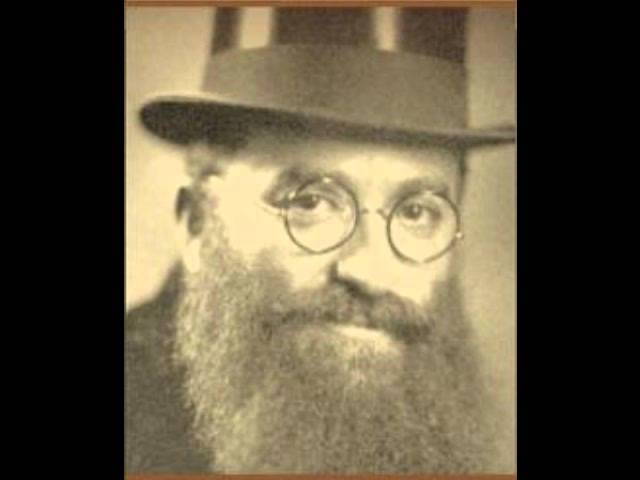
Cantor Alter Yechiel Karniol Hshem Moloch

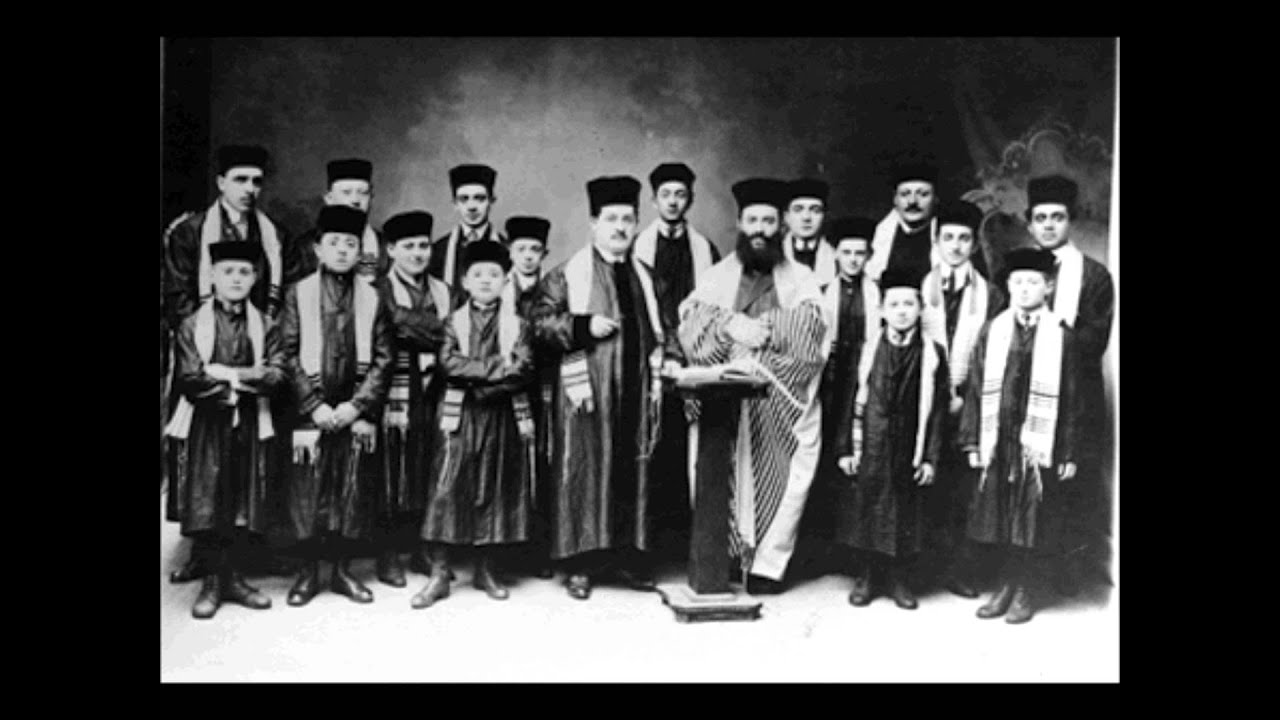
1855-1928 Alter-Yechiel Karniol was born in Dzialoszyce, a small town near Krakow, Poland. At an early age Karniol moved to Hungary where, after apprenticeship with the famous cantor, Moshe Lutzker, he occupied many important posts, notably one in Finfkirchen, which made his name famous through the country. In 1893 the Hungarian Congregation Ohab Zedek invited him to New York, where he remained five years. Unhappy because dictatorial synagogue officials, he accepted a call to the Great Synagogue of Odessa in 1898. Disturbed by the pogroms of 1905, Karniol returned to New York. Here he served the Rumanian Synagogue, Shaarei Zedek, and finally returned to Ohab Zedek. Because of increasing troubles with synagogue officers he retired. Karniol range was unusual -- from bass to lyric tenor. He possessed a beautiful mezzovoce, a falsetto like a soprano, and a coloratura that ranged through four octaves. Of him Cantor Vigoda has written: "He was a true baal tefillah, an amazing 'zoger' who poured out his heart in fervent prayer". Karniol also was an outstanding improviser. Jacob Rapaport, a recognized liturgical composer and president of the Jewish Ministers and Cantors Association, once challenged Karniol to improvise one of Rapaport's recorded selections. To the great delight of the assembled cantors, Karniol, without hesitation, created a totally new musical setting for the text. During his closing years he was pensioned by the society of prominent cantors. In 1928 the society arranged the benefit appearance for him at the Warshauer Synagogue, where he chanted the Yom Kippur Koton Service, supported by a chorus of two hundred cantors. This event proved to be his swan song. Although respected by his peers, he died in abject poverty. His grave remained without a headstone for eight years. While he was still alive, one of his admirers offered to pay for publication of his works. Karniol refused, however, and so only his recordings remain as a testament to his significance in 20th century cantorial art. His recordings, made in his later years, reveal only a shadow of his earlier greatness.
Comments(1)
Loading comments...