Binyamin Chaitovsky (Hayatauskas) Es Brent

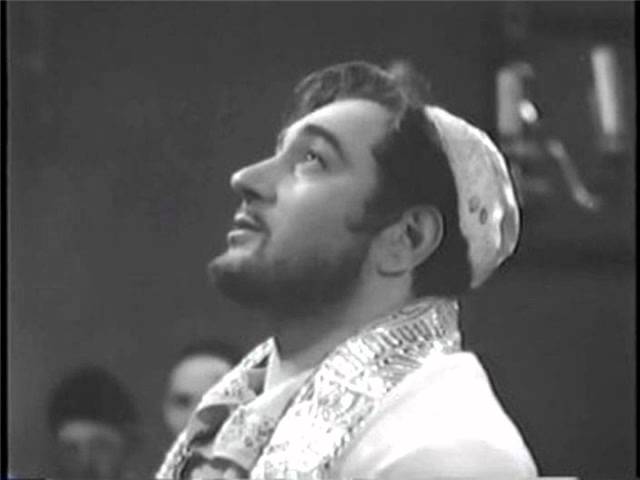
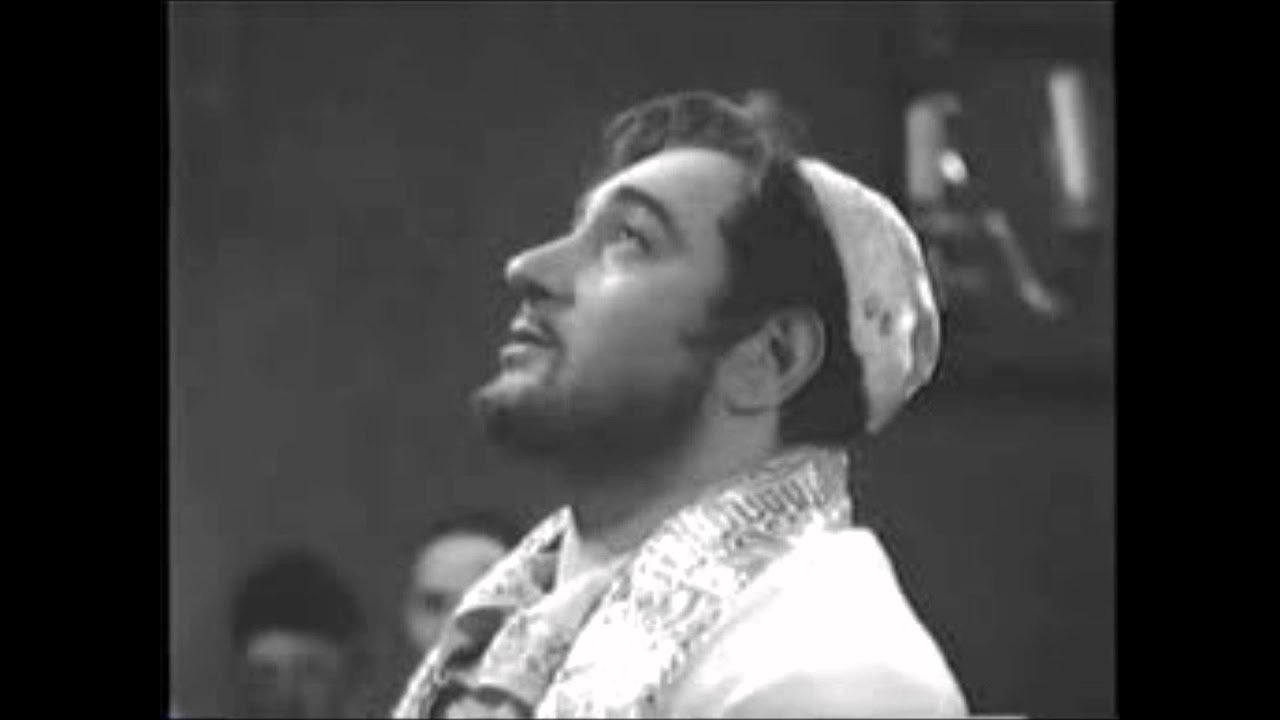
Brother of Cantor Nathan Chaitovsky More info here https://obzor.lt/news/n23575.html Benjaminas Hayatauskas is a Litvak, Honored Artist of the Lithuanian SSR, a wonderful performer of Jewish songs. He was born on June 25, 1917 and died on February 16, 1966, before reaching 50. He was buried in Vilnius at the Jewish cemetery (sector 11, row 1, place 6). Haytovsky (Hayatauskas) Benjamin (1917, Ostrino town, Vilna province, now Ostrina, Belarus - 1966, Vilnius, Lithuania), Jewish singer. The father, Yesha'yahu Haytovsky (died in 1980), was a shochet, hazzan, and, according to some information, a rabbi in the community; in 1936 emigrated to the United States of America. The love for Jewish song was instilled in the family, where everyone sang, and Khaitovsky learned the basics of singing from his father. During the civil war, the family, which had five children, moved to the city of Anyksciai (Lithuania), and then to Kaunas. Khaitovsky received a traditional Jewish education (he studied in a cheder, then in a yeshiva), but in 1933 he left the yeshiva, joined Hashomer ha-tza'ir of Lithuania (later he was elected to the central committee of the organization) and prepared for aliyah in Eretz. Israel. In 1938 he was drafted into the Lithuanian army, where he served until Lithuania joined the Soviet Union. In 1940 he entered the Kaunas Conservatory to study vocals. From the first days after Germany's attack on the Soviet Union, Khaitovsky was in the Red Army, fighting as part of the 16th Lithuanian Division. He was one of the organizers of the divisional song ensemble and its soloist. After the war, he settled in Vilnius, became a soloist of the Lithuanian Philharmonic, performing songs in Lithuanian and Russian. Since 1947, he included Yiddish songs in his repertoire. When in 1948, with the beginning of the destruction of Jewish culture in the Soviet Union, he was asked to give up singing Jewish songs, Khaitovsky left the stage and was unemployed for a year. In 1956, with the beginning of the “thaw”, he returned to performing activities. His repertoire included folk songs, songs by composers L. Yampolsky and M. Gebirtig, songs from operettas and performances of the Jewish theater, as well as pop songs based on the words of Jewish Soviet poets (mainly I. Kotlyar and I. Kerler). Khaitovsky himself translated Israeli songs from Hebrew into Yiddish and performed them in concert programs, passing them off as folk songs. Khaitovsky's performing skills, beautiful voice and stage presence brought him great popularity among Soviet Jewry. Khaitovsky repeatedly met with employees of the Israeli embassy in Moscow, corresponded with friends of his youth, who managed in 1939–40. and 1945–46 leave for Eretz Israel (among them are the founders of kibbutzim Amir, Ramat Hashofet and others). In 1963, KGB officers summoned the singer and, warning about the danger of such connections, blackmailed him by convicting him of “distributing a letter about anti-Semitism in the USSR.” However, in 1965 (according to the program of events associated with the 20th anniversary of victory in World War 2), Khaitovsky was awarded the title of Honored Artist of the Lithuanian SSR, and in 1966 he received permission to tour in the USA, where he was to perform meeting with his father and brothers after 30 years of separation, but his premature death did not allow him to benefit from the “mercy” of the authorities.
Comments(0)
Loading comments...