0:00 / 0:00
Bentzi Marcus (8th Day) LIVE INTERVIEW!!! - The P'nimius Podcast with Uziel Naparstek
103 views
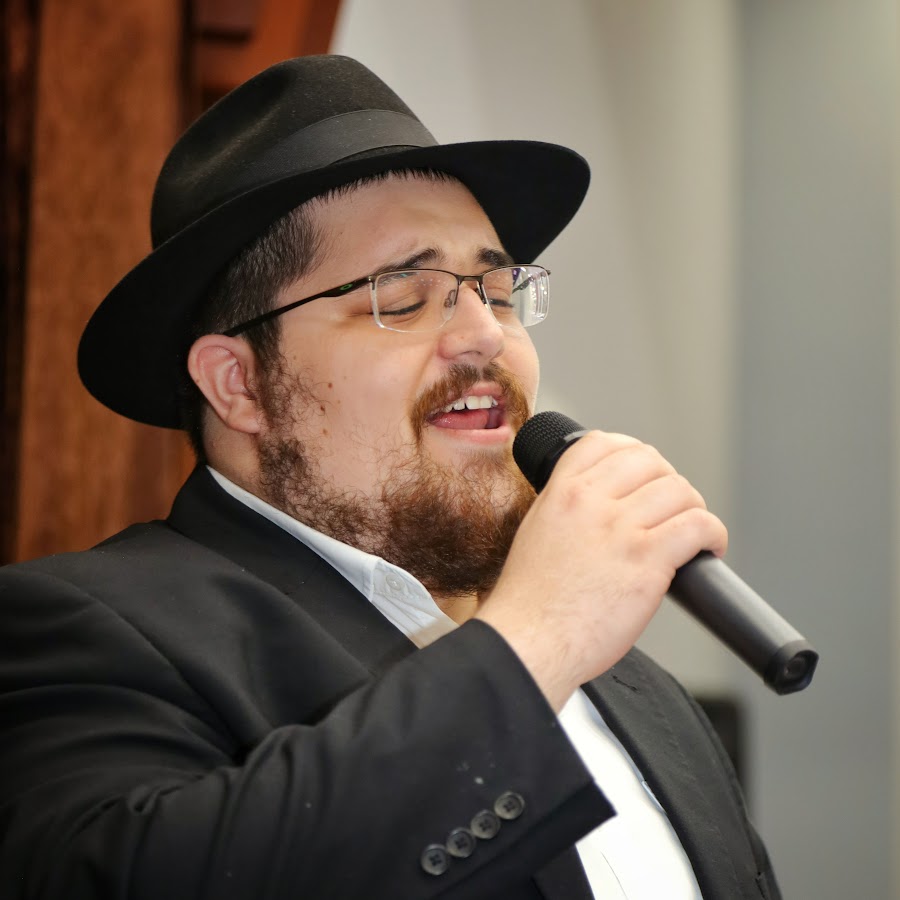
More of 8th Day at https://my8thday.com/ YouTube: https://youtube.com/@8thDayBand?si=MTIffJUv0OGwq7B6 Spotify: https://open.spotify.com/artist/15i1niWKFEj0zqnhtYAv7D?si=3P4uu55mSKyGW4gcxePSvA Instagram: https://www.instagram.com/8thdayband?utm_source=ig_web_button_share_sheet&igsh=ZDNlZDc0MzIxNw== Check us out at YouTube: https://youtube.com/@uzielnap?si=44oteHr3LzjJavc1 Instagram: https://www.instagram.com/uzielnap/ X: https://x.com/uzielnap TikTok: https://www.tiktok.com/@uzielnaparstek 🎙️ New to streaming or looking to level up? Check out StreamYard and get $10 discount! 😍 https://streamyard.com/pal/d/6528513017249792
Categories:Music
Comments(0)
Transcript
Auto-generated transcript. Not time-synced to the video.
life
for you to join along.
Life's
life for you to join along.
WHAT'S UP EVERYBODY?
WE ARE LIVE WITH A SPECIAL SEGMENT. Our
very first live stream for a interview
on the Pimus podcast and no better else
but to start it with our special guests.
So let's just get started right away
with the Pimeus podcast.
Welcome to the various podcast where we
interview those that entertained us in
our childhood.
We are here with the legendary Benzy
Marcus, also known as uh you might know
them as him from eighth day, the
Cassidic Ramblers.
>> A producer from many many many
productions for other uh concerts and a
very big Jewish music enthusiastic and
uh entrepreneur so to speak in the
Jewish entertainment. So here we are. We
are honored to have Beny Marcus. How are
you doing?
>> Thank you, Zil. So good to be here with
you on the Panmius podcast.
>> What an honor.
>> Yeah, we're going to go Panemas a little
bit here.
>> Great, great, great, great.
>> All right, so let's start with the
basics like uh your background and uh
your childhood and where you originally
come from.
>> Uh wow. Okay. Uh grew up in Southern
California
on Schlus. father's uh in a little town
called Los Alamidos, California.
>> Yeah.
>> And uh that is a whole interesting story
in and of itself. We can get into that
if you'd like. And um grew up in uh
Orange County, which is uh not a very or
at least back then wasn't a very Jewish
or area.
>> Yes.
>> So uh you know, growing up on Schlus,
not a lot of uh you know, from friends
growing up.
and uh just spending a lot of time
um you know kabad house eventually as I
got older started to do uh you know the
music thing which led to
eventually uh doing music full-time
uh so yeah it was a beautiful way to get
introduced to doing uh events performing
for audiences also learning how to
connect with an audience because I spent
time you know watching my father you
develop a a kabad house, a kabad
community, inspiring people. Um,
I always enjoyed my father's speeches on
Shabas, you know, he give the the you
know, after Chris or whatever before
Musf um he was a great speaker. He is a
great speaker and uh and then eventually
getting into music and and sort of
transitioning to that. You know, that's
kind of the long and short of it. I'm
not sure what else you want to explore.
um the schlick side, the growing up, the
music.
>> Yeah. So, so basically the idea is that
like when when I meet the people on the
podcast, so people that I grew up with,
but also especially people that do what
I love to do, right? So when it comes to
talking about music and getting involved
in music and in Jewish entertainment,
whatever it is, I always like the the
specifics of where where where they are
in their career, where did that
originate from? Where were they pinpoint
in their childhood or in their origins
that made them go like this is what I
want to do for the rest of my life?
>> That's a good question. Probably a few
things. Um, obviously I'm sure you know
and uh many of your audience knows
um our uncle famous Aram Fried
>> the uh the legendary kididic singer. We
grew up you know backstage at all of his
concerts
that was a huge part of it of course uh
but also my my parents were very very
into music. Um music was always in the
house.
um you know my shabas the second we make
Abdullah and everything would settle
down. My mother right away would put on
you know some Mala music
>> and you know
and um and even the kids tapes you know
uh the the marvelous Mos machine and
Tuki we were always listening to that
stuff and and memorizing all the songs
and of course all the mommy boys choir
stuff. Um, I think maybe to pinpoint it
a little bit, um, when I was in third
grade in the Hebrew Academy, they asked
me to sing, uh, solo in the choir. That
was the thing. In Hebrew Academy, the
third grade always did a a choir concert
or whatever for the school and for
different events around the community.
And they asked me to sing a solo. I said
no. I was like way too shy and I was
like, no. But uh the head of the choir,
Rabbi Greenwald. Shout out to Rabbi
Greenwald, my teacher. He pushed me and
he's like, "Don't worry, it's going to
be okay." And and you know, and that was
my first uh live performance, first
professional gig. Uh I guess I didn't
get paid. So, and uh that maybe started
a little bit doing like live
performance. I was so nervous. I
remember the first time I had that solo,
I my stomach hurt so bad. I was just
hoping they cancelled the whole event.
you know, like looking up. Maybe it's
going to rain. Maybe, you know, maybe
we'll just cancel this whole thing. But
it worked out and, you know, it's a good
it's a good way to, you know, get over
your nerves to just go through it. A
quick word of advice, I guess, to people
out there who are maybe thinking about
doing music and performing and you're
nervous and you're scared and uh it's
always scary the first time, the first
couple of times, but you know, you get
through it and then nothing happens and
then uh you know, it was over and I was
like, hey, it wasn't that bad. So, that
could be a good big part of it.
Eventually I started to get very into
guitar and actual music composition
and uh probably around you know bar
mitzvah high school uh just became
obsessed with like music arrangement.
>> That was like a very very big key. I
started my friends used to make fun of
me that I you know we'd listen to a
freed and all the new albums and I was
always listening to like the the
baseline
you know or like that that trumpet
harmony. My friends are like, "What are
you even talking about?" And uh that
that really started to zone in for me.
Like the musical arrangement, the magic
of creating a song, but also creating
the harmonies and creating the style and
the drums and the the harmony, the whole
thing. It was just so magical to me and
I uh really started to obsess and and
get very into that.
>> Would you say that even today you still
have that passion as much as you had as
a child? Does it was it different for
you as a child as you are now? What
would you say the differences between
that intuitity and that passion wanting
that like like those little nuances in
the music versus then or now?
>> Great question. That's a great question.
So I'll say that
uh music is sort of like the
unattainable
treasure you know like they say like you
you're never finished similar I mean
Bahaval I guess like to you know you're
never finished
uh learning you could never so uh I
guess not so similarly but uh music also
has this just neverending
uh as as much as you as great as you
think you get at it. Not that I think
I'm great, but as much experience as you
have with it and you think you've
learned and now like I got it. It's it's
really a neverending journey. So
obviously I'm not the same as I was, you
know, when I was 9 years old and
listening to Freed's, you know, Forever
One or whatever. Um but uh yeah, the
passions are still there. It's still a
mystery and it's still uh you know,
exciting. Genres are changing, styles
are changing. Um, yeah, the magic of of
I guess the difference is now I'm
actually creating music. You know, I
have my own studio. I have my own band
obviously and my own uh doing
performances. But uh yeah, the
excitement of like coming up with a new
song and you know developing an
arrangement that's hashem. Yeah. That
that never gets old. Um I think the one
thing that's changed as I've gotten
older is my appreciation for
as a kid. Kidney Gunnam were always
like, you know, like uh Davening was
like you just sort of had to do it. It's
part of like the, you know, part of the
religion. Um, you know, I enjoyed them.
Whatever. I, as I got older, I I really
started to appreciate the depth and the
beauty and the the soul stirring uh
quality of of Kaban. That's why I
started I don't know if you're familiar
with the the Sigun project. Um, nice.
Something that I love very much.
>> I was far from Marstown. You you came by
and you were part of that production
also. You came by Morristown.
>> Oh, you were there when we did the
recording there?
>> Yeah. Yeah, I was there. Yeah.
>> Oh, fantastic. Yeah, that was beautiful.
So, yeah, that I think has has changed
as I've gotten older. I've really uh
taken to that. But uh yeah, in general,
music is is like it's just a neverending
if you're into truly into music, which
by the way, I think everybody is on some
level.
>> Yeah, for sure.
>> You know, it's it's like like the this
teaches us, it's the the language of the
soul and you know, speaks about how uh
transportation spiritually is by nina.
It's my
>> So, everybody has a deep connection with
music one way or another, whether it's,
you know, you're more musical or you
just love to listen to music or you like
to play music, whatever. Um, but yeah,
it's definitely a neverending
uh, you know, the harmonies are, you
know, the harmony potentials are never
ending.
>> Oh, yeah.
>> The, you know, the and obviously it's
it's when you're writing a song, it's
it's you're you're speaking from your
heart. You're speaking from your soul.
So that's that's you know not gonna
that's not going to run out. You know
we're
living breathing experiencing living you
know seeing things feeling things. So
there there's always going to be that uh
you know that connection that's going to
translate to music you know somehow.
>> Right. Um, would you say then um that
music has changed dramatically when you
first got onto the scene about 15 years
ago or 10 years ago with you and your
brother to now? Is it in your opinion uh
it's different but not as much? What
what what do you what do you have to say
about the landscape of over the because
you basically did basically a almost two
decades of you and your brother doing
this together. So the landscape of
music, what what do you think about
that?
>> Definitely. Yeah, it's changed
dramatically is a good word and barem
for that. You know, it would be a little
it would be boring if things didn't
change and we just kind of stayed, you
know, in one place. But
um listen you have technology
the the innovations in technology even
in the last 5 years forget about the
last 10 years last 20 years it's you
know it's uh that's a huge game changer
I think the best thing that's happened
is the fusion of genres and it was
always happening from day one I think
but now it's just really taken off you
know for example
you know a freed more David, you know,
the original superstars. So, they were
fusing
like kind of that old Klesmer Kazanus.
>> Yeah.
>> Uh, you know, that like and they were
bringing it into like kind of a modern
sound for that era, you know, the like
kind of the the disco rock uh you know,
like the horn section or whatever. That
was kind of like a takeoff on on you
know, Klesmer
>> but making it more modern for like the
American audience.
So now it's like any artist could
basically sing in any genre right now
and it would sound great if it's done
well and if it's well produced you know
um you know you have Zusha that are
doing their kind of interesting you know
uh electronic you know spiritual
whatever you know
>> um even you know like Freed and those
guys they've you know adapted to like a
newer sound but yeah you can listen to
any popular singer now.
>> And it could be any genre, could be any
style, any kind of instrumentation. Used
to be like had to have a certain
>> horn section with a drum beat. I don't
know if you remember Rick Cutler. He was
like the drummer who played on like
every Jewish album. Like that was the
sound. Now it's like
>> his name, but Yeah.
>> Yeah. So it could be a keyboard, could
be a guitar, it could be more jazzy, it
could be more rock, it could be kind of
a little bit of a country western, you
know, feel. It could be like a little
bit of that reggae stuff that I feel
like we helped.
>> Right. Right. Right.
>> Bring around.
Um Oh, I got louder. Perfect.
>> Oh, I hear you right now.
>> Oh, I got louder. Oh, perfect.
>> Yeah. No, in a good way. Yeah.
>> Yeah. Yeah. Yeah. I'm just I'm just
tweaking the little things here and
there behind the scenes, but yeah. Um,
so let's go back to a little bit because
I remember I don't know if anyone has
ever brought it to you for the past 10
years, but I remember when uh we used to
get from URA theor samples or the DVDs
and I remember you and your brother
being on one of the first ones.
>> Yeah.
>> And that was before Yale.
>> Do you remember what song it was?
>> I don't remember the music.
>> Chavis now.
>> Oh, it was that one. It was Shabas now.
Yeah.
>> No, but wasn't there one before that?
>> Uhuh.
>> Oh, okay. Because I remember seeing a
picture I guess maybe it was a they put
a picture of you but younger but it was
Shabas now.
>> Yeah.
>> Pretty old song.
>> Uh yeah, I know. Yeah, it's really old.
Yeah. Um but was and that was before
Trakut.
>> No.
>> Okay. So Tra was your first album.
So what would So and you were known then
as the kidic ramblers.ic acidic ramblers
>> talk to me. Um,
>> but yeah, talk about about that first
album, that first project that you were
getting into.
>> Yeah.
>> Yeah. So, the those songs came out
before we came out, that kind of band or
you know, before the album came out, you
know,
>> they kind of preceded because um we did
we weren't doing an official
uh musical project or band or it was
Mamish as like a fun family project on
the side. you know, my brother Kim was
involved as
>> Yeah. Yeah. Yeah. Yeah.
>> Ellie was our drummer.
>> My other brother.
>> Your brother?
>> Ellie was our original drummer.
>> Oh, wow.
>> Yeah. He was very very very very
talented. He still is obviously
>> as a kid. He was he was a total prodigy.
Played piano and drums and uh I think he
even played like flute for a while just
like one day. He plays guitar
beautifully and he sang beautifully. Um
but yeah, he was our original drummer
and it was mom is just like a coloid
trip for fun, you know, let's go to the
studio and
>> was writing these beautiful like poems
at the time,
>> Penny of Fire, Penny of Love,
>> uh Kukariku,
>> and I was, you know, starting to come
into my own as as a musician, as a
guitar player. So we we started
collaborating for fun. My brother K was
like, "Hey, these sound great. Let's go
to the studio." like, okay. Um, so yeah,
people called us the Marcus Brothers,
Ramblers. We didn't really have an
official
uh title or band or anything like that,
but eventually
over a probably a span of like seven
years, five, five to seven years, we
created that first album. And when we
were releasing the album, we were like,
"Okay, we need an actual name. Like, we
can't just uh wing it with like Marcus
Brothers or
>> Ramblers." Yeah. Yeah,
>> that's when we we came up with the the
eighth day idea.
>> Uh what what came to the decision of
eighth day like like was it that week's
para like why eighth day?
>> So we you know what we spent hours if I
remember correctly we were sitting in my
brother's Zman's kabad house. He's in
mission VJO
um about an hour south of where I live
here in Roondo. And um we were sitting
and my brother Kim was there and we were
discussing and we we went through so
many ideas. It's hard.
>> Yeah. think about a band name that's not
like cheesy or
>> you know and then I was just thinking
how
>> um's birthday is
and
>> oh
>> the idea of eighth day is is connecting
with you know all all of our songs are
are inspired by this you know one way or
another
>> of course yeah
>> um big time you know as as our our main
writer and lyricist
>> Oh yeah um you know spent many years in
you know by the reba and and the mems
and uh you know he was very inspired by
obviously as we all are by this and then
it came out in in some nice poetic uh
interesting uh you know ideas. So
like the idea of eight which you know
this represents supernatural
transcendent above tea which is seven
>> right right
>> and we started talking about it and and
like we just kind of looked at each
other like eighth day that's it
>> that's the name
>> y
>> it just felt right you know and we just
ran with it so at the time it's not like
a cool idea hopefully it's still cool
>> so um I we do have very little of time
by the way thank you so much for for
taking time out of your busy schedule to
do this which is amazing.
>> Pleasure.
>> Um but I do want to get to core
questions I do have actually want to get
to. So one of them is the idea of music
your music for eighth day versus um
music for that you that you or your
brother would write or produce for other
singers. Like for example a big song
that is very famous that you guys did
was Tamu for Benny Freeman. Uh,
Schmolley has always collabed on lyrics
for other singers and stuff like that.
You always find uh Easter eggs of his
name in the booklets and stuff. Um, what
would you say is like when you sit down
and write a song or write music, produce
music. What would you say is like the
music that go this is perfect for the
eighth day band and then there's music
that's like maybe this is not
necessarily for us, maybe it's better
for this singer or maybe let me try to
pitch it to this producer. What do you
think is like the definition of eighth
day song versus just a song that you
guys made for in general?
>> Interesting. I It's hard to really I
guess it's just just kind of a gut
feeling. Um obviously
um got approached a lot to write, you
know, once Eth started to get out there.
Uh people started asking him for lyric
ideas, song ideas. We wrote a few
>> collab with Benny on a couple of songs
that were great. We also did um
>> Follow Don't Cry.
>> Yeah. No, no. With Benny, we did a song.
I I thought it was a great song. Um
no, the words are escaping me right now.
Um
>> Oh, yeah. Yeah, yeah, yeah, yeah.
>> Yeah, that was uh really nice collab.
So, I mean, listen, obviously,
that sounds like a Benny Friedman song.
Um,
uh, yeah,
>> technically that song if it was on your
album, I wouldn't really I would think
it, you know, it does sound like an
eighth day song more than the other
songs you probably did with other
singers.
>> Interesting. Um, yeah, I think Benny
approached Shmoly to write a song with
the with Tamuru in it. Maybe, you know,
he had that specific idea. I know Broken
Hearts, I don't know if you remember
Broken Hearts, one of our
>> Oh, of course. So that I think we were
trying to write a song for a for a freed
>> and he didn't really like it. He was
like, "Yeah, not so much my style." Um,
but we were like, "Okay, but we like
it." You know, we think it's a great
song, so we just went with it. Um,
we wrote uh let's see what else. Yeah,
collab with a RAM. But yeah, I mean
listen, artists have their distinct
style and and comfortable with certain
uh rhythms and words and uh you know
just the way the the song develops. You
know, every artist has their their
strength and their feel. Um
>> yeah,
>> like when we generally we write um we're
not writing for like a specific purpose
or a specific like oh we need this to be
a wedding hit, you know, or we need,
>> you know, which is fine. Not not to
knock, you know, like people writing
like a hoopa song, you know, which is
beautiful. That's that's great, you
know, it's uh
>> there's a lot of hoopas and you know, we
need a lot of songs. Um,
I think it's more we just try to be more
organic, you know, even though it's hard
to be obviously uh 100% like authentic,
but just try to be more kind of just
like real inspiration as much as
possible and uh just kind of follow that
naturally. That's kind of our approach.
That's our philosophy is, you know, the
like once the song is is developed
enough to where it's at the something,
let the song, you know, dictate where it
needs to go rather than trying to like
put it into a box and be like, okay,
this is going to be like that. Just try
to like organically let it figure itself
out, so to speak.
Um, so you are also very heavily
involved in the production side of your
concerts and um, and some people don't
even realize that a because it's your
band usually like you're almost like the
conductor and the manager of the bands
and I even like um, we we first met at
Palm Beach uh, Synagogue where where uh,
where you did a production and it's very
hard to tell unless you actually could
like are specifically looking for it.
It's very hard to tell that that you are
in the production so to speak because
you are very organically with the crowd
and and you're not really showing
anything about like I'm trying to direct
people behind me versus like trying to
get my attention to the audience. What's
what's the what's the trick? What's the
balance if there is any or it's just
natural? What is that? How does that go?
>> Yeah. Well, first of all, how fun was
that? Uh
>> oh, that was amazing. That was
>> great.
Um the well first of all I have a very
big advantage that I have Shimal Marcus
you know lead singer entertainer
extraordinaire.
>> Yeah.
>> Uh you know really he takes up a lot of
the the attention. So it it leads me to
like I do kind of sometimes sneak off to
maybe get you know prep something or
talk to the band or whatever
>> while he's like directly with the crowd.
>> Yeah. Yeah. Yeah. Exactly. Yeah. So
that's a huge advantage. Otherwise, it's
it's very hard if you're just up there
by yourself. Um, yeah, it's hard. But,
uh, you know, listen, experience doing
it for years, many different locations
and different types of events and, uh,
you know, concerts, weddings, kumzits,
you know, whatever it is, you just sort
of, uh, you know, get the experience of
like the flow of an event. And also very
important is the musicians.
when you're working with the right
musicians, there's a familiarity.
There's, you know, you sort of trust
them. Uh they know maybe sometimes even
without you having to say something,
they kind of understand where you're,
you know, where you're pushing it. So
that, you know, that's just experience
learning, you know, the right people to
work with and the right way to sort of
um situate everything and prepare
properly.
>> Um
>> yeah,
>> but yeah, that's that's kind of, you
know, there's no easy way to like to do
that. It takes a It takes experience and
it takes working with the right people.
So,
um
>> So, does it frustrate you when you go to
a concert where they where they have a
different band, not necessarily your
band?
>> Um sometimes. Yeah, sometimes that could
be frustrating. We've learned I think
we've had enough experience to where we
can uh guide it to where you know like
you put in your tech writer certain
thing just to make sure you have certain
technical things you know set up and
figured out beforehand. Um, but
Barashem, we've we've navigated, we've
been we've paid our dues,
>> as they say,
>> you know, like disaster nightmare
events. Uh, so you just learn step by
step how to just kind of minimize any uh
potential dangers.
>> Yeah. Um, but yeah, over time we've just
learned to navigate that and and for the
most part, you know, you know, we're
working with professionals, people who
are not just there because it's a job,
they're there also because they want it
to be a good concert. You know, they
have sort of a self-invested interest.
Uh, you know, like for example, just a
name that comes to mind, like Freigha
Orchestra,
>> you know,
>> these guys are like so professional.
They they dot every eye, cross every
tea. They are like, you know, they don't
leave anything to chance. Blue Melody,
you know, we just work with them.
>> Yeah. Yeah. Yeah. Yeah. Blue Melody.
Yeah.
>> These guys, they put in the work. They
prep. They were I have like 20
conversation, you know, uh with what's
his name? Arianu,
uh back and forth prepping and and
charts and discussing and practicing,
you know. So, Barashem, you know, we've
been surrounded by a lot of good people.
Um the one story that I think is the
most amazing story in your career. Um I
know bits and pieces but I do both for
the audience but also for myself just to
get more out of it is when you were
coming out with Yili and you weren't
sure and the story with Ellie Schuebo if
you want to talk about that. That's an
amazing story.
>> That is a great story. So we met Ellie
earlier that year um at KMR.
It was in uh Lagona Beach, California
that year. Their their resort. Shout out
to KMR. Gave us our first big shot. Um
so we performed there. He came over
afterwards. We were virtually unknown.
Um basically had like a local following,
friends, you know, Crown Heights, Mishb,
you know.
>> Yeah. Yeah. Yeah. Yeah. and he came
over. He was blown away by our
performance, the the the like, you know,
just authentic music, you know, was
English. We had written all of our own
songs. We we spoke about like our own
experiences, what inspired the songs,
and he was like, "Guys, this is
incredible. Like this is
>> Yeah. Yeah.
>> Like what I like this you're like the
people I want to hang out with." Anyway,
we became very good friends. We just
started, you know, Ellie's a brilliant
musician in his own right. one of my
favorite people to talk to about music
and he's a great guy.
>> He's also very deep.
>> Yeah. Yeah. Very spiritual and very
intelligent. He's he's he's a good time.
Everybody loves Ellie. So, we were in
touch and uh you know, just followed up
with him. I said, "Hey, you know, we're
working on this song. Oh," he said,
"Send it to me." And he he he listened
to it and he was like, "Guys, this is
the best song ever. Like, this is the
biggest thing." And we were like, "What
are you talking about? It's like it's
like a joke."
>> Yeah. Yeah. party Ashkanazi Yali
and he was like I'm telling you this
thing is huge and he performed uh oh the
organization oh used to do a big concert
>> yes yes
>> every year I don't know they stopped
doing it not sure but they used to do a
very big beautiful concert he was
performing with Leif Tahar his group and
he said I need you guys to come and do
the song yelli in my show like I'm going
to bring you on as a guest like as a
guest star
>> nice
>> and I refused confusing again, you know,
I guess is a kind of a theme. I was
like, "No way. This song is like it's
not ready. Nobody knows it. Nobody knows
who we are. I don't even think it's that
song."
>> And he just put he did not give up. He
convinced me and to the point where he
said, "I'll rehearse with the band the
song." like he wrote the arrangement and
everything and he's like I'll video call
you from the from the rehearsal so you
could see how good it sounds and if you
don't like it we'll like he was so uh
confident and he called me from the
rehearsal and I was like okay yeah
sounds pretty good. So, um, we did the
performance and the crowd went crazy
from like go. We came out there. Um, I
don't remember exactly. There's a video
of it somewhere. I think we just came
out and just started like ya y just
>> and the crowd was like up and dancing
and clapping and sing. I mean, maybe in
my mind it's maybe bigger than it
actually was, but I remember the
reception was like wow. Which was rare
because, you know, we were unknown. The
song was unknown.
>> Yeah. Yeah. Yeah. And um that like
snowballed the whole you know the rest
is history as they say.
>> That's cra Yeah, that is amazing. And I
also remember um uh I grew up with the
Oh, uh the music we love where they
didn't announce the artist
>> and that was and that was like after you
came out with Yale and you went on stage
with the same dancer from the music
video.
>> Mhm.
Uh that was yeah that that I grew up
with that that concert. That's great. Um
>> what would you say is
o over the course of your career and all
over uh 11 albums? Am I getting that
correct?
>> Something like that. Yeah.
>> Yeah. Yeah. Over around 11 albums. What
would you say is something that you did
better or you are doing better in the
recent albums or singles than you did in
the first time that you came around with
the first albums and singles?
>> Wow. I mean, the first thing that is is
just starkly comes to mind. And it's
maybe you could go either way, but just
musically,
you know, we've grown like a million
miles from where we were originally.
Some say, you know, there's like kind of
a like an innocent like charm to that.
Like when you like don't really know
what you're doing and you're just
winging it. Like the chords, just to go
kind of musical technical for a second,
the chords that I was coming up with in
those early years were were questionable
at best. Um
>> yeah,
>> like but I mean but it also creates like
kind of an interesting unique vibe, you
know, which was perfect for the time.
But yeah, musically we are I got just on
a different universe um as far as just
know how production understanding
understanding how to make a good drum
sound, you know, for example, or how to
come up with like a harmony that'll make
a chorus
>> feel a little bigger, you know, these
are concepts we like were completely
completely foreign to us like like not
even a havamina for any of that kind of
stuff. Um
>> I think as far as the creative side
um you know it's changed just because
we've changed you know it's like back
then we I was a bach at the time uh was
probably yeah was a bucker when we first
started
um you know it was kind of a more like
innocent just you know you can look at
the stuff we were writing it was very uh
like almost like storyteller
you know had this very like innocent
um you know wonder
>> of like thing in the world and now it's
like a little more experience a little
more you know um you know a little more
like pragmatic kind of life experience
um so that changes but I think um
maybe the the biggest thing that's
changed is like music at first is it's
let's say it's a hobby or not even a
hobby it's just something you love you
listen to music you play music
>> yeah yeah
>> then it becomes like a profession
And
um we view it obviously as a as you know
we're inspiring yidden we're inspiring
uh you know sometimes we perform for
even non-Jewish audiences
to show you know like we performed
Disney. I don't know if you know about
that. We did like a
>> Yeah, I heard about it. Yeah. A while
ago.
>> Yeah. Yeah. Two years ago we did like a
whole season. They featured us on their
main like uh holiday season.
>> Yeah. That's crazy.
>> Yeah, it was amazing. So, sorry, just a
quick tangent. Um, when we got that gig,
we were like, "Oh, perfect. We're going
to tell all our friends, come to
Disney." Turns out you can't get tickets
to Disneyland during that holiday
season. It's so busy.
>> Oh, yeah.
>> They basically, it sells out to like all
their members, whatever. So, the crowd
was like mostly go, like 99.9%
go. Once in a while, some Jews would
show up, you know, but you can imagine.
And it was beautiful that we were we
sang all of our own songs, you know, we
did like Yali and Miracle of Light and
then I think we did Celebrate and one
other song I forget now. Oh, Roland. We
did Roland uh all you got. So these are
these are concepts, you know, or Jewish
concepts.
Give it all you got is based on the
story of
uh you know miracle of light is based on
the reb's whole approach to you know the
kus and the whole thing of of the
>> yeah
is more just you know of of yen um
uh celebrate you know we would announce
you know this is from king David from
psalms you know this land they're like
oh wow you know
>> so it's a huge we we felt really great
about that and uh you know anyway so
point being when when it becomes a
profession and it becomes a there's
there's a little more of like an
to to what you're doing. Um so I think
balancing that is what what changes. So
first it's like oh this is all fun.
>> We're you know we're writing songs you
know you know kukaru
and rambler talk to me like we were just
having a great time you know now it's
like okay we have an audience so but but
how do you keep that innocent musical
creative thing strong while balancing
that? I think that's that's the biggest
thing, you know, that's the biggest
challenge for any artist that uh you
know takes it on as a profession.
>> Um so we are I do want to get to some
questions and comments from the people
that are watching. So and especially
when we are running out of time, I would
love for you to come back on and just go
deeper and deeper. There's so much I
want to talk about, but let's off before
we get to the questions.
>> Uh what would your main advice
>> be for people that are trying to start
out in the music industry? that it's not
a typical advice that people would
usually get like you personally like do
you have something that you personally
want to give over to people?
>> Oh man. Yeah. I wish there was like some
hidden secret that I could uh
>> I wouldn't say like like like a tip or
something but advice like just what to
look out for.
>> I think you know what I get a lot of
people who ask me uh for advice. They
say you know I've been working on songs
and I I want to perform more. Um,
which yeah, I get it. I get it. It's
it's uh it's tough to get out there. Um,
it's tough to find, you know, I I was
very very lucky. That's first of all.
Masled Aishair, you got to give credit
where credit's due. My uncles, Alvin
Freed, my brother Marcus.
>> Yeah.
>> You know, parents were extremely
encouraging. You know, all of our first
concerts were for like my father's
Schul. You know, he was so uh he he's
our biggest fan. My father, he's our
biggest fan. So, there was a lot around
us. Yeah. Yeah. There's a lot around us
that, you know, my brother Caim happened
to be a professional um uh media guy, so
he understood like, okay, you need to go
to a professional studio and you have
to, you know, he he wasn't like a
professional musician, but he knew
enough to like start guiding us, you
know. So, I understand it's hard. It's
very hard on your own. But the number
one thing I tell people is to just do
it. Just go. They tell me like I want to
get more gigs. So go go go do more. Go
like don't wait for somebody to come to
you and hire you or ask you. Go. Fine.
Seek. Even if it's just doing a kumitz
with a few guys, you know, I know my
shabas, you know, or
>> or uh you know um offering to to sing at
somebody's kanuka events. maybe they're
looking for someone or, you know, or if
you're more in the writing space, you
know, find people to collab with and
like just experience, experience,
experience, like like I would say like
to someone who wants to get really good
at guitar, practice. You just got to
practice. There's no secret.
>> There's no secret to it at all.
>> Yeah.
>> It's just practice. That's all there is.
It's just like obviously you have to
love it and you have to have a hush and
a a passion for it, but just practice,
practice, practice. And as far as the
creative side of it is just the
experience. Just just do as much as you
can. Find as much opportunity as you can
and see every experience as an
opportunity to grow and to learn and to
always be taking notes and absorb. You
know, if you meet someone who's better
than you, that's one thing I did. If I
met anyone who was, you know, more
experienced in music,
>> I would just teach me something. You
know, I met someone who played guitar
better than me. I'm like, show me one
thing that that I don't know how to do.
you know, like, okay, obviously I can't
be as good as you in five minutes. Show
me one thing, you know, like, you can
see how well I play. Show me just one
thing. You know, I just I was always
learning and always trying to gain as
much knowledge as I could. And I think
that that's just the best way to to to
Yeah. to grow, just get the experience.
>> Perfect. Uh, so we have a lot of
comments, a lot of questions, so we're
going to get to the to the audience.
Okay.
>> Um, we're gonna give a shout out first
to
uh, uh, PVJ, which is a good friend of
mine, Lady Michelin. It's just under
never username. Thank you also very much
for the feedback for the for the sound
and everything during the stream. Um,
when did he learn about you, Uzzio? Uh,
we first met at the Palm Beach
Synagogue. That was uh, before Hanukkah
or after Kaneka? Around then?
>> I don't remember.
>> It was a while ago, but yeah. I mean, I
knew about you beforehand, obviously.
>> Oh, really? How?
>> From uh My kids are huge fans.
>> Oh, yeah. Yeah. You told me about it.
Yeah. Yeah. Yeah. Yeah. I heard Yeah,
that's great. Um
>> I was like star struck. I was like,
whoa.
>> Yeah. You texted like out of the blue,
you're Shabas with I'm like, yeah,
it was great. Yeah.
>> Uh so, he has another question. Um what
is your favorite song?
That's a common question and there is no
answer. My favorite song I have a few
you know the problem is music is like we
said it's you know it's something from
the heart from the soul. Uh it's not a
logical rational
existence. It's not a a rational thing.
>> Yeah. So, you know, depending on the
mood, depending on, you know, like for
example, one of my favorite songs is
like
>> Oh, yes. David,
>> by the way, I always tell people if you
want to know what makes classics,
composition classics,
the fact that the intro itself are a lot
of times more famous than the song
itself is a complete credit tool lamb
and his composition. that that that's to
me is a perfect example of composition
>> legendary.
>> Yeah. Yeah. So yeah, that's I love that
song, but like
>> am I always like, you know, it's not
always appropriate to sing that song.
It's not like Yeah.
>> just moodwise, you know. And then on the
other side of it, like one of my
favorite like upbeat songs, for example,
would be like something from like Von.
>> I don't know if you remember Ryan Mahna.
>> Yeah. Yeah. Yeah. Yeah. Yeah. you know
or like uh you know pimementa pimementas
were hero of course hero pimenta is the
number one reason why you know playing
guitar um
so you know like there
uh but like it's you know depend I would
say it depends on the mood um I could
say I could tell you some of my favorite
artists like I just mentioned I think
picking a favorite song is impossible
and then people ask me what's your
favorite eighth day song and that's I
always tell them the next
you know, of course I'm working on now.
>> Exactly. If you if you if you are
working on something and at that moment
you're saying my favorite song is the is
a different one, then there's something
wrong. There's there's something
missing. Nothing hooking you. You know
what I mean?
>> Right. Exactly. Exactly.
>> Uh I am nut. Uh Beny, who are you named
after if you are named after someone?
>> Oh wow,
that's an original question. I am named
after my great
greatgrandfather. My my Zade's
grandfather. Yeah. So, Aram Freed's uh
great-grandfather if you want to
>> Yeah.
>> Look at that way.
>> Uh shout out to Ley Music26. He he
didn't ask question, but I'm just giving
shout outs to both some people on the
chats. I'm also trying to get some more
people because more people are joining
in. Uh, Olivia Sunkin.
Uh, what about Leo appearing in Yali
music video where he was in the first
shot like he was the customer that's in
the bad mood and
>> Oh, that's right. That's right. Yes.
Wow. Yeah. Thought about that
connection. He ended up being like the
the one of the stars in the video.
>> Yeah.
>> Um,
>> well, you probably like when you were
making the music video, you probably
said I have to be part of it, you know.
>> So, you know, so just real quick because
I have to get going soon.
>> Yeah. Yeah, sure. Great. No problem. Um,
we filmed it in Pomegranate,
um, the famous store in, uh, Flatbush,
and we filmed it from 700 p.m. to 7:00
a.m.
>> So, this way,
>> cuz Yeah, we could we couldn't film it
while the store was open.
>> So, we had to like, you know, maximize
uh when the store was closed. So by 2 3,
you know, maybe 2:00 a.m. like a lot of
the crew like started leaving cuz uh
music videos, especially a production of
that size, it takes a long time. Every
shot you got to set it up, you know, we
were those scenes where we're like going
down the aisle.
>> Yeah.
>> Like we're on like a dolly. Someone's
actually like pulling us.
>> Yes.
>> Camera's like f and the shot gets messed
up very easily. Got to reset it. Go all
the way back, start pulling it again.
And yeah, it's very very tedious and
like so
>> yeah,
>> the you know a lot of the crew started
leaving and um we were like okay we need
somebody to play this part to do the you
know this really main part and Ali was
there. He's like I'll do it and uh that
that really makes the video that whole
scene the beginning and the end you
know.
>> Yeah. So we'll end off with one thing. I
just want to say shout out to Mendel
Young. Uh, we answered your question
about uh your inspirational web bands
and everything. Shout out to Emanuel
Lavine. Um, I think that's everybody,
but oh, one last thing from Ira
uh Ira Schlave1230.
I'm probably saying that wrong, but uh,
shout out to you. I think we can learn
from 8day Success is that they went out
and did something different. They are
full of energy and have unique
compositions. That's a
>> Wow.
And then finally,
um I'm trying to see I just Oh, at Yakov
TNN,
uh great concert with uh Thank You
Hashem Boys. And last question, which
everyone wants to know, what's the next
project, the next album, next single,
what's next?
>> Oh, great question. Um so yeah, we just
released the Barakai single like Bmer.
That was very fun. Um but yeah, we're in
the works for a new album. It's going to
be our first album in a few years. So
this is very exciting. Uh we hope to
release it um sometime to
that's nice.
>> Yeah. Very very exciting.
>> So I'm going to go through the chat uh
while you're gone so that I could give
everyone a proper questioning a shout
out. But thank you so much Beny for
joining us. I really appreciate you
coming on. Thank you for being our first
live guest. It was amazing. Thank you so
much.
I mean on the previous podcast like
usually it's recorded and edited but
like to have someone just raw and talk
to the audience that's what people
really appreciate. So uh thank you so
much for joining us and hopefully we'll
see you again.
>> Thank you. Take care.
>> All right. See you.
>> All right. Bye bye.
>> So all right. So let's continue on with
the uh the chat live.
Here we go. All right. Um,
I'm trying to see anything that I've
missed.
Ask him about his liquor cabinet. Are
you kidding me? Levy,
can ail added be added the eighth day?
Eighth day? Come on. We need eighth day.
Bansancy, is there a run for president
in your future?
I'm Nata. Yo, it's me, Nata. How you
doing, Nata?
Uh, Beny, did your Tati give you that
nickname or your brother? Uh,
Ben is like, which nickname exactly?
That's what I'm thinking. How did you
make the fish dance by Yale? Was it a
puppet? It was CGI. Was like the first
time that you didn't ever seen CGI
actually except for Asian. I was
probably in a music video.
I just bought the pat
rock and play guitar.
Is it Is it good? Do you recommend it or
should I return it?
That's funny. For those who don't get
that joke, it's literally a baby toy
guitar. Did you buy any candy for
Matisio's son in the store in the music
video? Matio's son was in the music
video. I didn't know that. Uh, how did
you feel with the dynamic of Schmoly
that he does the composing and you the
producing? Do you ever feel like uh
getting involved in more creative aspect
of music? Well, what do you mean? They
they mainly writes and he composes, but
a lot of times they just do stuff. It's
just just because it's written so that
composer writing doesn't necessarily
mean that that's their job. You know
what I mean? It's just it's just a
credit thing. But they do everything
together basically. I mean, Ben's more
in the producing and composing
obviously, but yeah.
Can we get a trio? Eighth Day and Levis
Sunken. Yeah, let's do that.
Le sunken. When are you coming out with
your next album? Barrel Faden is ahead
of you. Oh, they Oh,
yeah. Leave. More music. Why not? Can
you please give me a shout out, please?
Shout out to ITA.
Why do you think Eth is not coming out
with any big hits like the good old
days? Oh, come on. What are you talking
about? Uh at Yakov TN and Yali of course
I'm not do you do you like the Thank you
Ashem boys? Why not? I mean music-wise
that's up to him to say but like just
just boys themselves. Why not? Can you
tell us the history of the first song?
We talked about that uh at the
beginning. Um I don't know if you're
around for that part of the stream but
you could replay it and find and look at
that. I remember hearing it years ago
from relatives related to eighth day. I
think that was I think that's when he
wrote it. Is uni.
Oh yeah. Yes. I think it is a Spanish
song. Yeah. Amend young Ryan Mahna Isaac
Von Pa Rea
Leva Levaton. Yeah. Yep. All those
people. New. How many uh my roomm do you
learn a week or average? Oh, that's a
great question. That would have been
great. What about Fbring? Yo, my friend
finished gem yesterday.
What do you mean finish gem? How do you
finish gem? I'm not sure what that
means. Um, Melang Law, my question was
answered in in inadvertently. Yeah.
Yeah, exactly. I was trying to get to
the other questions.
Uh, I am not that if you don't learn
Rashima, I am deleting the tracks,
letting the albums on the shelf rot.
I could take those CDs if you want. I
would love those CDs. Emanuel V. No way.
Love you, Beny. No, don't go. So,
everyone there were paid actors.
Probably not everyone. I forgot about
diaspora band. Yeah, Mendle. How can you
forgot that? And Mendel Young would be
nice a metal
a medaly of eighth day going through the
Jewish rock classics that they grew up
with. That would be an amazing
medalley. That would be amazing. Ask him
how they did the wine music video. Oh,
so hoola you're talking about. Yeah,
next time we haven't we'll do it.
I'm not the me shout out for me.
Uh, Emanuel Lavine. Yeah.
Uh, and I am not giving Shaman now at
Yakov T9N. Happy face.
Yes.
Uh at Mendel Young Bario Kai single was
basically just AI. I didn't listen to
that one. Maybe next time. Emanuel vein.
Emanuel vein.
Emanuel. Yes sir. Emanuel Lavine.
I am not. Do you feel cool speaking with
Beny? Oh yeah. When when I met him at
the concert like it was a gig he did in
the Palm Beach Synagogue. We just spoke
for like 10 minutes and he was he was
busy. He could have just said, "Hey,
we'll talk later or something." But he
he was amazing. Yeah, it's great. Are
you excited for the new album? I'm
excited for any music that I'll end up
enjoying.
Emanuel Yolene. Yes, man. Lo yo, low key
special feature for Zeal on the new
album. That would be crazy.
We need to get you on the eighth day
album. Why not? Then you'll be part of
eth day and we'll call it nine days. Now
eighth day has Well, he talked about why
it's called eighth day. We got to get
competition 8 days to make nine days and
get you on the album. Sure, why not? Go
ahead. What about you? New Zeal get on
the new album. Uh at Yakov T9 and eighth
day fast songs are great. Yeah, they
are. Uh at least
has to be Ben Sour. Yeah. Wait, Ben
Sour. Who's Ben Sour? You mean at least
no Ben
se?
Who's Ben Seer?
Oh, cool. I I don't know who he is, so I
don't know if it's going to be
uh
Who is this?
Oh,
someone said I'm not on your status.
So, let me just help him.
All right.
Should
be now. There you go. Um, sorry about
that. Anyway, uh, or Elite Sur. Yeah, I
would love Elit. Give it all you got. At
Yakot T9,
you need to get your you need to get
next guest either Benor, Elitor. Elitur
probably. I don't know who Benur is.
Who's the next game you're aiming for?
So, I'm working. If any of you have been
joining the low-key live streams, the
behind the scenes that I do, I think one
I left public for now because I'm
waiting for something to load. So, right
now it's public from yesterday's stream,
but I'm working on hopefully to come out
after
uh a podcast with Rabbi Angelar. I have
on the pipeline interview with Dober
Nich who did Space Rabbi. He writes for
Tvito, Netflix, all that. Then I have
Rona Herskowitz who is from Biker Boys
True Enemy Jewish Revenge. That was a
great conversation. So those on the on
the pipeline, but right now I'm editing
that one.
What? Benny Freeman next. Yeah. So,
okay, I'll give you a scoop about Benny
Freeman. I am doing something currently
with Benny Freeman
when it comes where I react to his album
Kanle,
but we did not finish the recording. So
once that's finished, I'll put it out.
It's going to be a cool stream video.
You're going to check it out. It's going
to be fun. What's your dream singer to
interview?
Ava Freed,
Benny Freeman. No, sorry. Uh uh Moram
and David.
That would be great. You should get Ben
Shapiro, the Jewish rapper. I should get
Ben Shapiro. I would love to interview
Ben Shapiro.
The thing is it when I talked to if I
tal interviewed Ben Shapiro, it's going
to be like it has to be something really
unique. Just give any talking points
that everyone already knows.
Like everyone could just look up any
subject on any opinion from Ben Shapiro.
So it's not going to make a difference.
Emanuel Lavine says, "Yussie Green. I've
contacted Yasi Green. He said yes. I
didn't catch up with him since then.
It's been a while. So, definitely
definitely
uh BLP Kosher. Who's BLP Kosher? BLP
Kosher.
I don't Oh, doesn't
I was just not expecting that picture.
Uh Zusha. Yeah, exa would be great. All
right, guys.
That's it for today. Thank you so much
for joining. Thank you, Beny. Um, this
episode is going to be live already on
YouTube. I'm going to try to put it on
Spotify. You just have to edit it
tonight and then put on Spotify. That
will be great. Uh, uh, so that's going
to be great. Um, also we have uh our so
during Spirro, we're having our live
streams instead of just the music
reactions. So stay tuned for that. Uh,
we've done I'm I'm still trying to see
what we do for the next one. I'm going
to try to continue our agents deep dive
series, so stay tuned for that. But that
would be great. Yakov T9Ner.
Yeah, that would be happen. All right.
It's not about It's not about that he's
he doesn't look Jewish. He just I was
just not expecting that picture of him
when I just look up a guy, you know? I
mean, it's just like whoa. All right,
guys. Thank you so much everybody for
joining. It was a great audience. Thank
you everyone for coming and and uh I
would love to see everybody come back
for future episodes. Stay tuned for the
Podcast. More episodes coming up, live
streams and all of that. See you around
everybody. It'll be This was great. See
you next time.
Live
for you to join along.
Life life
is life for you to join along.