0:00 / 0:00
Behar & Bechukosai - Make the Right Choice
483 views
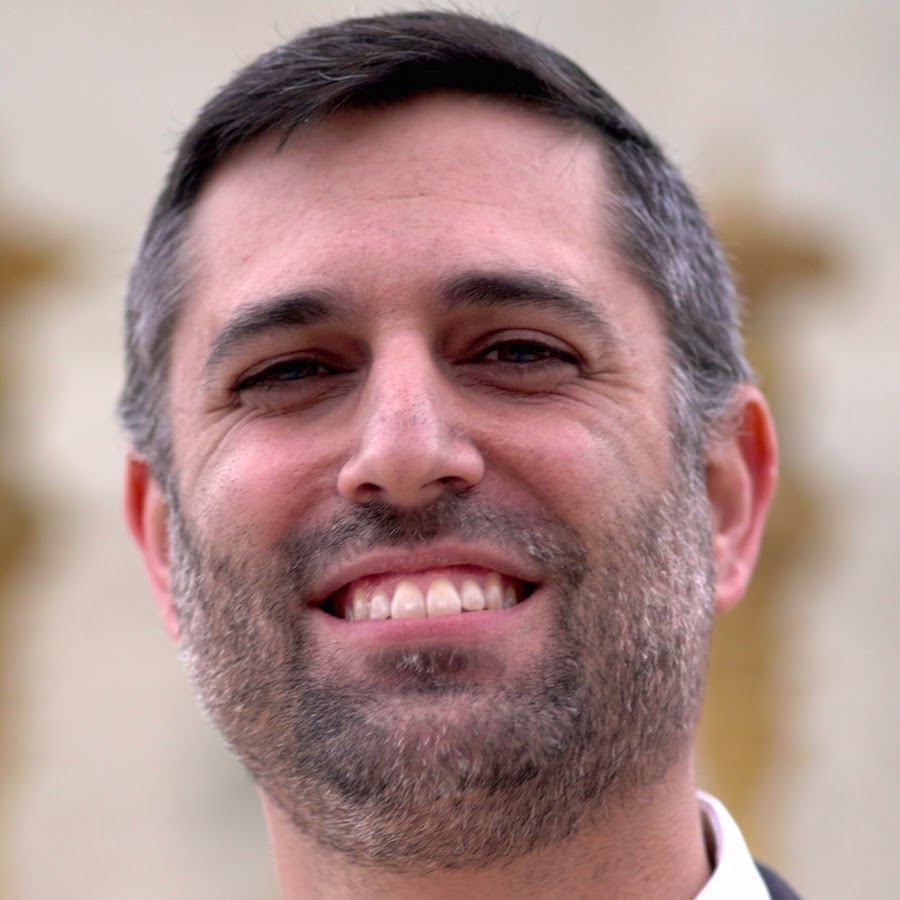
What is the great wealth that stands in the balance when a person is faced with the challenge of giving to charity? What does it mean that Hashem 'stands by the right side of the poor person?' Why is the poor person called an 'ani?' Why do the nations of the world cause us so much pain, and what will be the ultimate result? Why did King David say that he finds himself in the Study Hall of Torah even without having meant to go there? What is the approach we need to take in order to take the steps necessary to get involved with Torah at the proper level? Find out in this week's Parsha Podcast.
Comments(0)
Transcript
Auto-generated transcript. Not time-synced to the video.
you're listening to the weekly partial
podcast with hari goldwag recorded with
hashem's neverending assistance in roman
bishops israel 57 82 2022. this week's
parsha if you are hustlers is parshas
bahar and insider it's israel it's
because
and i'd like to share with you a piece
in the mandarin from bahar and a piece
in the medrash from baku kosai
and the first piece that we have which
is in parish bahar is actually in the
context of the severity
if a person becomes poor if your brother
becomes poor so there's an obligation
to
help him to strengthen him to help him
out give to dhaka
and interestingly the mentorship
actually quotes in this context of
possible in
practice
and it's speaking about the concept of
anime as well speaking about poor people
not directly but interestingly as we'll
see in the medrash
it is indeed speaking about poor people
this is talking about the fact that the
jewish people
will have been sent out of their land
as a result of our sins
and during that time so because of the
fact that we didn't keep shmita properly
for many many years so
the the land will have its rest
during our time outside of the land of
israel
and the measure says like this i'm sorry
the puzzle says parts this is in chapter
26 verse 23
the lamb will be left of them
when they're not not there so
the the land will receive its
shabbos
it's shemitah's its rest the him here to
us
this will be a kapara for us this will
atone the fact that the jewish people
did not keep shemitah in the times that
we were inside of the land
says it was
because because double language
because
the jewish people
sadly
but it's true
we were we despised this the the
obligations of the torah
vasquez
they were disgusted the jewish people
were disgusted by the laws of hashem the
result
of that kind of feeling of that kind of
interaction with the torah with god's
law
is one which results in us being exiled
and the land not
the land not being worked for almost all
that time but as we said
it also serves as a kaphara as an
atonement for the jewish people
now the message points out the word
it's a double language but the word
which means because of the fact that we
didn't
we didn't have proper respect for the
torah the word yan which means because
also has the same letters as the word
ani which means a poor person because
when we didn't keep so the measure we'll
see it inside the moment but when we
didn't keep
the midst of shemitah who benefits from
shemitah the rich people they have
enough
the farmer he got triple blessings
the main person who benefits from
shemitah is the poor people
who have the ability to walk into any
field to any orchard and take any fruits
during that year so when a person
doesn't keep shemitah
when the farmer doesn't keep shemitah
when the
when a person
me i have a grapevine in my backyard if
i wouldn't let people into my house so
then those who are not
able to have the wherewithal to provide
for themselves
i'm preventing them from being able to
provide for themselves with a gift
that's a direct gift from hashem
um
that the same word yan is the word oni
it's the same letters
which means because
it's the same letters as the word
for a poor person by the way the word
ani doesn't mean a poor person it means
someone who is someone who has pain
someone who is in pain
interesting
shiva by pair talks about the difference
between the word in hebrew and the word
in english in english it's a beggar
someone is bothering me
but in hebrew it's someone who's
he's
he's in pain
um
another word for a poor person
what is the word evian mean
he says it's a notre con which means an
abbreviation for other words
kena
have me
this person
who in a certain sense in a certain
sense is pathetic that's what mesquain
means
this person
who is worthy of our empathy let's say
it even better
give up your wealth for him
so give up your wealth for him means
that give him tadaka give him charity if
a person doesn't give charities will
soon see so then he could lose his
wealth he could lose the very wealth
that he has
says an amazing thing such an important
thing such an important
way of thinking about seducka a way of
thinking about charity it's hard to give
hey i worked for this money hey
you're not working
right it's very hard to give
but he says listen
the poor person is standing at your door
and god is standing to his right meaning
god is right next to him
plus he says
into element psalms and we're
directioning the pastor because it's not
the part of the pastor it's not the
simple understanding but the verse says
that god refers to the fact that god
stands to the right side of a poor
person so the simple understanding is
that it means that god is with that
person as well hashem is going to take
care of that person as well
but the is understanding that as the as
the oni knocks on your door and says
please give
hashem is standing there right next to
him
god is there and it's a language about
which is an aspect of god's judgment
the one who stands to his right which is
god himself
he is going to give you your reward
you're not going to lose the money
if you don't give it give him the money
you should know that the person who's
the the being hashem who is to his right
he's going to collect from you
you think you're saving money by not
giving it to the to the poor person
akashboku is right there with the poor
person
right by the side of the poor person
which means
that there's an obligation here there's
a spiritual
pull
your money is being pulled
the question is how do you go how do you
let that money go do you let it go
begrudgingly or willingly do you give it
to the poor person or does a person
heaven forbid have it taken away from
them because they weren't willing to
give
to
you know this spiritual paradox when i
give to dhaka i get it back actually
this
this actually happened to me recently
there was someone collecting
sadly for the families of the two people
in a lot who
were killed by arab terrorists
and
each family had fi has five you simon
five
children
and there was somebody there collecting
in my shule in this initial where i was
praying
and uh
didn't know what to do if i should give
or not and i decided i watched somebody
else give away this is an important
thing you know you see someone else give
we can inspire other people i saw
someone pull out his credit card and
give gets the duca to the to these
families i decide i'm going to give as
well i'll give 20 shekels
it's about
a little six and a half dollars
and
later that day i uh i gave
a ride to the airport the particular
person
and
that person is letting me
you whatever it's a family member
so they're letting us use the car
and um their car
and
they gave me money for for the gas to
fill up the to fill up the gas gas tank
and
the person said to me you can keep the
change
and the change was
50 shackles which was more than i gave
to tsudaku but i felt like you see when
you give
it's mama's this mantrish i learned the
message the next day
it's very madrish
you give dhaka you give to somebody
hashem is right there hashem is giving
it back so i'm going to give it back and
perhaps even more
okay
the verse tells us it's a it's a passage
in davarim in deuteronomy
says you shall certainly give umri
what does it mean
that you will certainly give as we in
other words that's the word that we're
saying
we're seeing this idea
that hashem is going to collect it you
know we're not going to really have a
choice the only choice that you have
is about whether you give it up
willingly
and you fulfill the mitzvah
and you gain eternity through that
giving or whether it's gonna be taken
away
you can't get something that's not yours
you can't keep something that's not
yours
so when that poor person comes
knocking at your door
it means it's a sign
it's a sad sign you're not meant to have
this money anymore but it's also a good
sign that you have an opportunity
to connect to
connect to god
connect to eternity with that with that
money that you're
giving and the measure says that there's
there's a muscle to a goggle kaiser a a
wheel that's
turning around
the multimister regular striking miss
mali imagine like a wheel that has
inside of a sand and as the wheel turns
so the this part which is on the bottom
had sand in it and then as the wheel
turns it goes up to the top the sand
falls down to the next part right it's
the same thing when it comes to ashira
san anis when it comes to wealth and
when it comes to wherewithal sometimes
one person is rich the other person is
poor and then the the wheel turns the
wheels of fortune turn
and
and uh the situations can switch
the measure says something very
interesting last point
says that the
trouble for the jewish people
muslim really means the the revenge but
it's referring to the fact that kaiser
can sometimes
have difficulties
and those difficulties says the madrish
of course are earned we've done things
wrong
and when we do something wrong we have
to
have to pay we have to pay with
suffering with difficulty
but sometimes the difficulties brought
about because of dhaneem because of the
poor people we don't give sadaqa
and
because the poor person comes to collect
and then he's embarrassed
he's
disrespected etc and as a result that he
called out to god he said god please
help me god please save me from these
people who are embarrassing me and then
heaven forbid
there can be
a negative result it can be a punishment
that comes upon the jewish people
interesting idea but listen to where the
message brings in
sorrows
the nations of the world here
specifically referring to
the western nations those who are the
spiritual heirs
of isa russia so they also
we the jewish people because they don't
show any rahmanis to us they don't show
any kindness to us they have no
compassion they have no problem to send
out u.n resolutions
and and condemnations of us for having
done something that we didn't do
and etcetera etcetera trying to control
our education new york state think about
that
the thing that they do that causes us
pain
israel the very same way
that if a poor person has caused pain so
he will pray to god and that will cause
a certain
punishment to come upon those who
disrespected the poor person the same
thing is true the nations of the world
we look at them we say why are they why
are they doing it to us why are they
hurting us why why are they killing us
why are they
what's going on
but hashem
says to us
israel
i will give vengeance to adam the the
din
the judgment will come upon those
nations
as a result of the fact that they
themselves brought upon the jewish
people
embarrassment death
destruction
u.n resolutions embarrassment
these things
so the result is going to be
that they
that they are punished of course because
of their own sins of course because
of the things that they've done wrong
but also because of the way that they
treated us so when we see these kinds of
things going on in the world and we see
the injustice it's so important to
remember that hashem is the god of
justice
and justice will be served
and we need to know that as well when it
comes
to anime when it comes to poor people we
need to think about it we need to be
willing to open our pockets and give to
others
we need to be willing to
recognize the nissan
the challenge in front of us
which is to give and to
to have rahmanis on somebody else
and in this way we arouse hashem's mercy
upon ourselves right if it's saying that
if we don't have rachel hashem's anger
is aroused heaven forbid so if we do
certainly hashem's
compassion
is aroused upon us
so that's the idea from behind i'd like
to connect it to kosai beginning with is
a really cool thing i'm so excited when
we read this i was learning this from my
son
if you shall go in my ways right so we
know
there's a famous thing around she says
it doesn't just mean to keep the misses
it already said that you have to keep
the mistress so what's talking about
it's talking about
should be involved
in tire you should be called a toyra
you're thinking about tire trying to get
back to the torah and learning it in the
morning
wherever you go
when you get up when you go to sleep
that's the topic it's the entire topic
beautiful thing
this is what it means in the verse when
it says
i thought about my ways let's translate
it that way and i
and i sent my feet
[Music]
to your aids to your torah to your
testimonies
king david is saying
i can't all i care about is tyra this
isn't chapter kofi with test 119 which
is all about the awesomeness the
greatness of tyra
eight verses for each letter of the of
the alphabet of the hebrew alphabet
all talking about the greatness of torah
how beautiful the terror is how awesome
it is to study the holy word of god
almighty
king david said like this master of the
world
we are rejectioning the prostate he says
he shafted
i thought about my past
but what happens in the end his feet end
up
his feet end up by the torah
this is a mattress
i'm thinking to go to a certain place so
based here applying in sunny high like
i'm going to a certain location a
certain place
i'm going to i'm going to stay the night
uh vscc the buttock necessities of the
vitamin drushes
i was so mural i was so accustomed to
going to the basement
you know you get in your car you start
driving you have to go somewhere but you
find yourself turning in the way that
you usually turn even though you need to
turn the other way
so king david
he was so used to being in the basement
in the place of torah of learning
that wherever you would go you thought
i'm going there he would end up there he
would end up in the basement
just beautiful think about it
the habit that we need to
establish
for ourselves of torah of learning to
of doing mitzvos well connected back to
giving tsudaka to habit
it's a good habit i need to develop so i
don't even think about it anymore
i still get scar of course i still get
reward because i'm doing the mitzvah
but it's got to be something that's in
me it's so in me it's so in my guts that
i don't even think about it meant to do
something else but i ended up giving to
dhaka i didn't even think about it i
meant to be somewhere else but i ended
up in the basement
unbelievable
another understanding of this verse
the greatness of terror the specialness
of terror
he shocked him
how do i get myself to keep them the
torah it's hard
it's hard
it's a challenge and i get myself to do
what's right
the positive is telling us a hint king
david is
i thought about my ways
i made a hajj man i made a calculation
what's the what's the reward of living a
good life
what is the reward in the next world but
even in the past shot in this world
what's the reward of being a good person
and what do i lose
this is the calculation we got to make
what do i lose when i do an aveira
it's not worth it
i made that i made a calculation and i
said i got to keep going in the path of
the torah because even though it might
be hard
but it's good and in the end i feel
satisfied i feel happy i did what's
right
i gave that to duck i feel good i feel
good i pulled that two shekels out of my
pocket this morning and i gave the guy
to dhaka and i did it again
i gotta get in that habit i gotta
remember hey if i don't do that what
happens right like we saw in the other
mattress what happens if i don't do
hashem is there to his right
i could lose that money in a second
hashem has lots of ways
of giving money of taking money i got to
think about it
get myself on the path
so we have
getting into the habit and we have how
do we get into the habit it's by
thinking about it by making it important
to ourselves by being committed to it
recognizing the truth
of goodness
says i thought about king david is
saying i thought about what it says in
the torah what does it say in the term
if you shall go in the way of the torah
areas what's the result
you want to know what protects the
jewish people
what is it that protects us wherever we
are when we keep the torah
magnum the torah protects and saves
us
says if i keep the torah if i go in the
way of the terror if i'm on melbourne i
make the terror important i'm habituated
to using the torah to to
learning the terror and fulfilling its
laws
it's going to be great there's going to
be peace
not going to be any war
but if you're not listening to me what
does it say
heaven forbid is going to be a
continuous
difficulty
a continuous
pain
all right because i could spoke who is
the father he loves us he wants us to do
what's right he wants us to wake up
[Music]
another reason
to keep the torah to keep the tire wide
to follow the tire of course because
it's good of course because it's true
but also on a simple level
[Music]
so that we can have it good in this
world
he says i looked
this is another thing that king david is
saying i looked at the blessings that
come if i keep the torah i looked at the
curses that come if i don't keep the
torah brochures
very interesting thing right you read
the parsha practice
for you in america it's going to be next
week for us in israel it's going to be
this week
but if you read the the brackets are
very small there's only a few brachas
that the claw is there's a lot of
clothes there's a lot of curses
but the message points out something
really awesome
really important
if you look at the first letter of the
broncos or the blessings it's
with an aleph
if you look at the last letter of the
blessings it ends with the letter tough
aleph is the first letter in the
alphabet tough is the last letter in the
alphabet so the blessings are from aleph
even though those two letters are very
far apart
they include between them as all of the
entire
alphabet and it includes the blessings
they might seem small but they include
everything all the good that could
possibly be in the world beyond
description
you don't have to go on and on about the
brachus all you have to do is say aleph
hashem says i promise you
i'm going to give you everything aleph
tough from a to z
the curses so the two letters that are
used the first letter is above
the last letter of the clause of the
curses is the letter hey which are two
letters that are right next to each
other and of course there's a deeper
reason why it was specifically those
letters which were chosen
i can't get into it it's not even talked
about so much
in the fortune here but
mosquito vienna what's the letter of
what's the letter hey what's the concept
but it's from vove to hey
it's from vaught hey these two letters
that are close to each other that means
that they're out of order above and the
hay
is later in the alphabet it comes first
and hey
it's begrudging hashem doesn't want to
give us the clause it doesn't
it's it's just it's it looks like a lot
but it's really
it's like not so it's not the focus it's
like a person a parent gives a
punishment to the child is he always
giving am i always giving punishments to
my kid
no i don't ever give a punishment to my
child
but it has to be
you gotta you gotta know they gotta know
that such a thing is possible if they
don't listen they're not gonna have
their shabbos treat all the other
children are going to have the shabbos
treat
watch out right it's got to be
very clear
it's a serious
it's a serious thing it's a big anish
it's a big punishment
but it's not so big and we're not so
interested in that at all but the
broadcast that's what i want to give
blessings i want to give you tons of
shabbos treats i want to give you
everything you want i want to give you
everything you want to college who is
saying
tough
why is there above first in the hay when
it comes to the colors
if you did shuver even if you deserve
the clothes heaven forbid you if the
kalisto deserves the curses you can turn
it around
we're going to change all the curses to
blessings
it's when you keep the torah you got to
get back to the title you got to get
back to the commitment you got to get
back to that habit you got to get back
to giving to the to the anem you got to
get back
to what's really right
that's what it means in the first one it
says if you shall go
in my paths we need to have that habit
like king dave we have to be like
without even thinking we end up in the
shoe without even thinking we're in the
synagogue we're studying the torah we
didn't even think about it we turned on
the torah anytime app we didn't even
think about it and we ended up
learning something special hearing a
sheer on you know wherever it is
it just happens why because we thought
about it we thought about how important
it is
and we erased the other apps from our
phones and we
left only to our anytime map
and we
got rid of all the things that were the
distractions and we focused only on the
torah and we made sure to learn
immediately after davening so that we
would go straight from diving into
learning there's nothing to separate us
and we didn't bring our phone to the
shul
we got into the habit of leaving it at
home
why because we realize how destructive
it is for us it doesn't help us to pray
better if we have a phone ringing next
to us or a phone that we could pick up
and look at our whatsapp again again
again
so that's the idea here it's very
important it's very powerful
the oni presents himself the poor person
presents himself
and it's standing in front of us
because because
this is you know what can happen if we
don't take care of the poor person if we
don't keep the shemitah if we don't keep
the tire what will happen
it's right there in front of us
it's clear we see what happens when
people get sucked into their
mishigas the crazy ideas the crazy
things
we can see and we got to step back and
think as we saw and we need to recognize
that this is true
if we recognize it and we habituate
ourselves to making sure
getting used to keeping the torah to
walk into the place of torah to
listening to torah to studying the
terror to imbibing to
for it to become part of our guts
to the extent that we do that
indeed we will be
saying
we'll be the ones who answer the call of
the people who are there they're poor
[Music]
we'll be able to
go to sleep at night feeling like
hey i'm okay
i did good today i did well
i did what's right i walked in hashem's
path
i followed the path of king david
follow the path
of god's
laws and statutes i want to bless you
and ask you to bless me hashem should
help us that we should be able indeed
to keep the torah to go in its ways to
get ourselves used to it to get
ourselves so used to it that we wouldn't
even think of doing anything else
should help us to be able to make the
calculations should help us to see the
opportunity
that stands in front of us the danger if
we don't take that opportunity
and the fortitude to indeed
take the opportunity
and to become so close to hashem thank
you so much for listening have a
wonderful shot miss
this podcast was made possible through
the gracious donations of listeners like
you for more podcasts like this please
visit www.ariegoldwag.com
or search on itunes ari goldwag
[Music]