0:00 / 0:00
#147: Behind the Bima - Eitan and Varda Morell, Parents of Staff Sgt. Maoz Morell HY''D
4,348 views
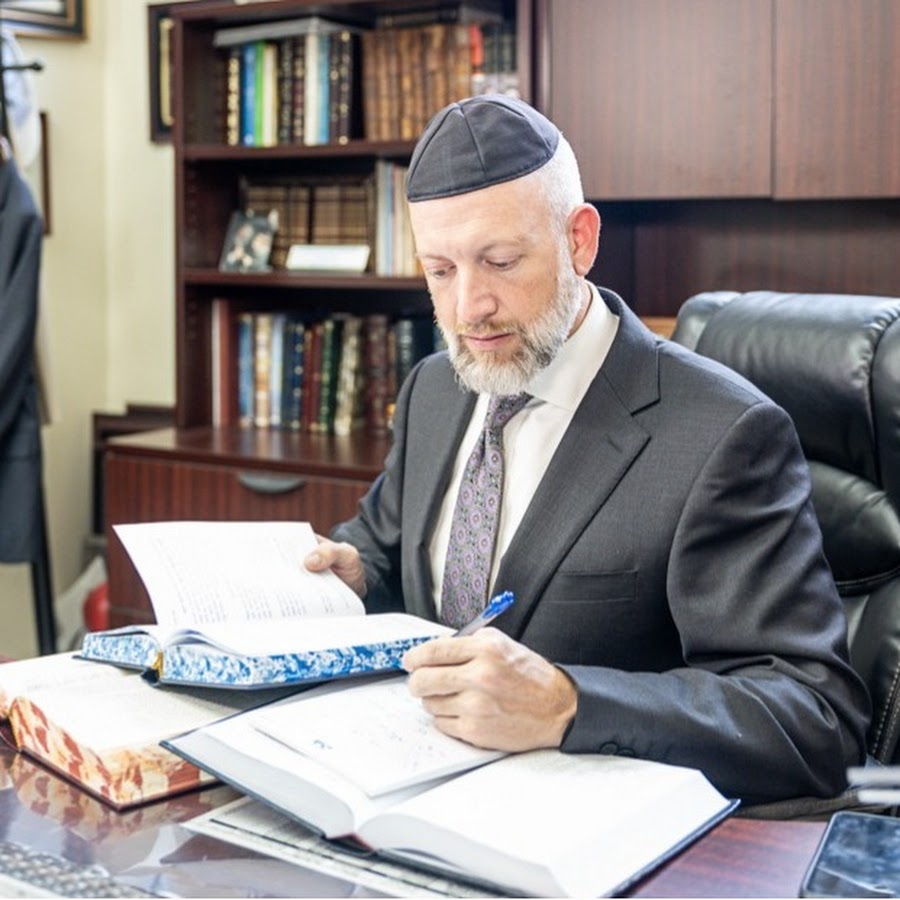
Staff Sgt. Maoz Morell, 22, a member of the Paratroopers Brigade who was injured February 15 during fighting in the southern Gaza Strip, succumbed to his wounds on February 19. - Introduction - Interview
Chapters
Comments(0)
Transcript
Auto-generated transcript. Not time-synced to the video.
from Boa Ron Florida this is behind the
beima on this week's episode Rabbi
Goldberg and co-host Rabbi Philip mosit
are joined by Eton and varda Morel
parents of Staff Sergeant MOS who died
heroically in Gaza
Hashim MOS was a brave and heroic Soul
who made the ultimate sacrifice
defending our people in our land in
moments of unfathomable loss and
sacrifice we find the true essence of
Courage love and indominable Spirit of
our nation today's conversation is not
just a story of Valor and sacrifice but
a testament to the enduring strength of
families who stand at the Forefront of
defending our values in our homeland
plus BRS is in the midst of their Global
campaign all this and more behind the
Bea hi I'm Rabbi Goldberg I'm Rabbi
mosit I'm Rabbi Brody we're coming to
you from in front of the Bea to talk to
you about the annual BRS Global campaign
if you enjoy our articles listen to our
shum or benefit from behind the Bea you
are not going to want to miss this
opportunity to give a little back cuz
you know that there is nowhere that you
can get content like this anywhere else
and we need your help to support it BRS
Global is our opportunity every year to
reach out to you to invite you to
partner to collaborate and to empower us
to continue to reach people through shum
through behind the Bea through podcasts
and panels and articles and discussions
we need your help to reach more people
to inspire more people this year we've
given you an incentive give $180 to the
Global campaign you get a raffle ticket
what's in the raffle heo a weekend in
bker tone synagogue and time with this
guy time with all of us a great job is
in person two domestic plane tickets to
South Florida is go VIP and special
opportunity to spend time with Rabbi bro
with Rabbi Brody so go to BRS online.org
Global BRS online.org Global and join
our Global Community today thank
you
[Music]
it's a true honor to go behind the beo
with Aton Morel the father of Staff
Sergeant MOS Morel
Hashem one of the heroic grave
courageous soldiers who tragically gave
his life really defending our people and
our land and we begin a Time by just
telling you how much our community here
in boaton and we know Jews around the
world are sending you love and support
and comfort and and our hearts are
broken with yours and pained with you
and and not only m not being part of
your family but the world not having the
opportunity to learn and grow and be
inspired by the future that undoubtedly
he was going to to bring and and so just
to Simply communicate that and transmit
our our love to you and our our
heartfelt fos to you thank you so much
for spending a few minutes with us no
problem so maybe you know if you could
start just just tell us when where you
grew up tell us a little bit about your
your family and where you live and I
grew up in uh Upstate New York place
called Bingington it's a small town with
uh very few Jews and even fewer from
Jews we were one of just a handful of
families who were sh shabis there and I
was born there and I lived there my
whole life until I came to Israel after
I graduated high school in
1988 and uh I've been in Israel ever
since almost 35 years and uh yeah
Binghamton was a very special place to
grow up uh um we never since there are
very few from Jews I always felt that we
sort of grew up in a little bubble where
whatever we did that was what was done I
had no anything else to uh I knew
nothing
else we didn't have any pressure at
all and those of us that grew up there
uh in those years of the 70s almost
everyone remained from almost all people
I was just talking about this during the
Shiva with someone an oldtime bigton
person uh the principal of our school
there he came there in 1972 and he had
four from families in the entire school
and all of their children are all still
from today which was I think an amazing
uh fact so it was a wonderful that's
such an interesting phenomenon and it's
true bingamon Albany Rochester those
communities we know and we have in our
community people from those places I
don't know Binghamton all those places
are bigger than Binghamton Rochester
Albany cuse Buffalo are all bigger than
bigton got it got it got it and did you
and you stayed After High School so did
did you grow up in a Zionist home where
did you get that yeah I grew up in a
Zionist home my father was a professor
at the University of judaic stud he
professor of judic studies he taught
Hebrew at the University in town and he
would every seven years get a sabatical
would come to Israel we went to uh uh
Camp mosan the summer B AA camps I went
to uh away to from high schools to Mt I
went to MTA um yeah we were pretty I
would say traditionally zionists from
family just inspired you to stay when
you stayed where where did you stay how
did you stay did you go to I for the
year in El
1988 and I came to Shivam for the year
and that was 35 years ago so wow
year in sh ofm like people do shaa bet
nowadays it's more standard less that
those days it was a little more of a
thing and then I stayed in additional
year where I served in the Israeli Army
wow year and then after that I went back
to Yeshiva for another six months and
then I tried out my parents really
wanted me to I went to Yu for two
semesters I did not love being in
America and I mean w was okay but I
wanted really to be in Israel so after
that I came back to Israel and I went to
University in Baran where that year I
met my wife and we got married in
1993 and uh this is where incredible you
you had family in Israel or or you just
you were I did not have any family in
Israel my sister met Aliyah a year and a
half ago but for the past uh 30
something years I really didn't have any
close family in Israel we have distant
relatives who are not religious who live
on a kibuts and that's it um now I have
a sister here and I have my children and
my
grandchildren it's amazing that that you
said you joined the army it's more
popular now it's hard to say popular now
but more popular now Rabbi Brody has a
daughter who who joined the army who
served in in the Army in Israel um what
what inspired that when people around
you weren't doing that I'll tell you
um I knew that I wanted to live in
Israel I didn't know then that I was
going to be staying but I felt that if I
wanted to be full fully a part of
Israeli Society to understand the
nuances to feel that I was equal to
everyone in Israeli Society I knew
serving in the Army was one of the
crucial things to make that happen and I
was that was I think one of my major
motivations thinking back on it and uh
Looking Back Now from my perspective now
I know that that was 100% correct so
interesting reab Goldberg mentioned it's
more popular now for for graduates to go
into the army but back then did they did
they think of you like like what were
you did they embrace you did they
think right first of all I have four
other friend this was very very unusual
I had four other friends that went to
the Army together with me from shvan
like Americans it was very unusual and I
think I was the first one like I was
like going to the and then and then they
all joined in so we were five of us
together and so that that helped and I
will say that the five of us are very
very very close uh even till today uh
they played a major role in the last 10
days of my life and what was everything
that's going on now and uh they're like
my family here in Israel we you know
it's my my fault to miss communication
vard is not able to join us for this
conversation but can can you tell us a
little bit about how she ended up um you
met at bar
Lan yeah she's here in the background
she just hear she'll join us in two
minutes okay great so we'll get we'll
get the we'll get the get the what did
you study in
Baron uh Arabic Middle Eastern studies
wow uh and a little Jewish history
nothing I can do anything with
really nothing to do with what I do what
was the plan what what did you want to
become I had no plan I know I grew up in
a home of uh my father was a professor
so you know we in those days Lial Arts
was still a thing nowadays it's unheard
of um and I didn't really have a plan
honestly um
butash things have worked out over the
years amazing and where do you live
today I live in a called
telmon not telmon
tal that's near Rana more known amongst
Americans This is talmon in English it
would be t l m o
n which is um a settlement in the West
Bank about 3 kilometers west of rala if
you've been to if you're familiar with
the city of
modiin and you stand in modin and you
look to the east you'll see that there's
mountains looming over moiin and that's
where I live in those mountains so we
have good friends there the Shah
of the Shire as well they are neighbors
yeah now you also have have this to bond
around I'm sure I don't know this we
have two other families that have lost
their sons in the last in this war here
in Timon Timon has three Fallen Soldiers
now and some wounded and in our
neighboring yeshu Nya they also have
three we're very very well represented
in that right two are represented in a
club nobody wants to belong to which we
can't even can't even imagine can't even
imagine um yeah V is joining us okay V
thank you so much really we appreciate
your we can't imagine how complicated
difficult painful the courage of takes
to be part of these conversations and
and we know you do it to to get Mosa's
memory and his life and the difference
he made out there so Aton was telling us
about his his journey that ended him up
in Israel and uh and in Bara and how the
two of you met where did you grow up and
how did you end up you don't have to
give the years by the way that you
graduated high school women are more
that's okay embarrass but how did yeah
how did you end up in Israel and aparan
I grew no I wasn't in barand I grew up
in Silver Spring
Maryland and um I was was involved in
Mana my whole life but um but I wouldn't
call you know just for the social
aspects but um the during 11th grade I
was invited to join a group of of the
through
Baka um the that joined the second March
of the
living and um and we did like a whole
preparation for that um actually through
the I think through the feder
in in Washington the Jewish Federation
like I got a they subsidized most of my
trip and we did like many classes to
prepare us about you know Jewish life
before the war and then um and and that
being in Poland and being um being aitz
on Y and then flying to Israel and being
in Israel for y yikon in
yat that's when I really connected
ideologically to the land of Israel and
um I really became a very a very very
serious Zionist then so um but I I came
to Israel for the year and I and I went
to Mika in bite the gun and I wasn't
planning on staying but uh I was
planning on going back and getting an
education and then only you know coming
back to Israel sometime in the future
and then during my year we had a an
afternoon um like a lunch time H with um
Rabbi slay from the old city if you
heard of him and um and he was very very
zionis and one time I would had a
conversation with him um after class and
he he said to me basically that you know
I said I'm planning on going back and
I'll get married and then I'll come back
to Israel and he said you know that the
boy that's right for you is g to be here
be in Israel and that's where things
change changed for me and I decided that
I was going to stay and I move decided
to join the Israeli program the
following year to it's a Teachers
College as well like they have an
American program but it's a teacher
college and um and that's the year that
I met Aon that next year so he was right
wow so I want to ask both of you a
question and and you know it's obviously
putting you on the spot it's a difficult
question I I I know you indirectly
through family and I suspect I know the
answer um but I want to ask you what
when both of you who grew up in America
and had every right to return to America
and were on the trajectory and path your
friends built a future and a life in
America when you chose to stay in Israel
did you did you even understand or did
you even anticipate the implications of
that decision to build a family and to
have children and to have a son who
would serve and what that risk meant and
and looking back with this
incomprehensible loss and unbearably
painful loss if if you could redo it
again or do it it differently would you
do it differently understanding the
price that the two of you have paid for
the Jewish
people um we would not have done
anything differently I don't think
either one of us um we have in this war
we had three sons serving at the same
time by the way right and that I just
want to say when that H like you know
each time I had a son go to the Army so
while they're in the Army you worry
about it right like you know sometimes
things are you know heat up I remember
our our second son that was in the Army
things like you know they there was
there was we were worried that there was
going to be some sort of you know issue
down south and and things were heating
up but I never really ever thought about
the fact that if something happens three
of our sons are going to be in the like
fighting a war at the same time and when
that happened on October 7th Although
our two older Sons were were up north
where things were quieter but nobody
knew nobody knew what was going to be up
north either and the fact that you know
that like half of my children half of
our children were in were fighting this
war like that wasn't something I ever
imagined but it wasn't something I don't
think that either of us would ever want
to change you know I mean our son was
killed um as a a hero for all of am
Israel and fighting the war like making
you know um making sure that the rest of
the the rest of us can live in this in
can Jews all over the world and in
Israel can live as Jews
so I don't think that's something we
regret but obviously you know it's it's
our it's a personal tragedy for us but I
think that we feel that it's a
tremendous to have children that served
in the Army I see that as aot not
anything else um in many ways I really
I'm comforted and I see it as his that
MOS died in the way he died and I can
tell you exactly how he died and it was
a very heroic um life and death that he
had and those things Comfort us
obviously on a personal level we very
pained and saddened but we also
understand um the bigger picture and the
bigger picture does give us comfort and
of course I don't think we would change
anything we're very happy with our
decisions but what happens with the
other children the other boys that are
in the Army is there a protocol which
says if someone's been killed in battle
then the other the other children can't
go back into Gaza or they can't fight
any longer are they allowed to stay in
the Army do they have to withdraw so um
both of our older boys were in the Army
for like two and a half months and then
they were discharged one of them is
going back in they were and so they were
not actually still in the Army now when
it
happened um I think that when a child
falls in the Army it could affect the
other children who haven't served in the
Army yet in the sense that I think the
parents have to sign off on them going
to a combat unit um but I don't think it
affects I'm not sure what say we also
learning the rules our son who is
married with three children and um is
supposed to be going back in in the
beginning the whole month of Nissan like
through PESA so um he he made it very
clear that if there is anything that we
have to sign that he expects us to sign
it that he's going back and there's no
question about it I mean he is I he is
an adult with three children so I don't
know really how much say your parents
have over you at that point um and we we
have one other we have one son who still
you know he's 16 years old and we
haven't gotten to that part yet but I
think that we haven't even discuss this
but I think that probably if he feels
that combat is what he wants to do we
would we wouldn't stop him no no it's
not it's not just wouldn't stop him you
would act you would sign that paper oh
yeah yeah meaning it could be that
that's not the path for him for other
reasons but right but Mo's death would
not be what would stop us from you know
from him doing that that's extraordinary
and you're extraordinary tell us about
your extraordinary son we want to learn
about moosa's life and his life
shouldn't be defined by his last moment
or the way he left this world but you
know you mentioned dayon that that he
lived heroically we'll talk about that
but he also died heroically could you
tell us a little bit so we we can
appreciate the price that that is being
paid by people like MOS um you got that
knock on the door the knock no parent to
has a child in the army ever wants to
get I know of I heard of uh somebody who
has a note on the door that says that
there's there's in this home in this
family there children serving the Army
don't knock on the door if you need
anything call like that's how jarring a
knock on the door can be throughout this
war when someone is serving what was
that like tell you just a quick story
about that that when the war started um
there was somebody here in our in our
yesu that has a dog and he went off to
war and his wife didn't want to take
care of the dog so we volunteered to
take care of his dog and then he came
for like a month for like a month and
then he came back we didn't know like we
didn't know this couple it's like a new
couple new couple we didn't know what
they even like like you know our
daughter picked up the dog from the wife
like we never even saw the wife we
didn't know what any so one day uh I
come we come back we came we drive back
we drive back and we see a soldier
standing outside of our house waiting
for us and V was like what's going on
who is this what does he want so it was
him coming he was home from the Army he
wanted to take his dog back what's going
on who this but that's how our Edge
people should appreciate that the
is terrible about it but actually um
what in Israel so how it's now during
the war and like we knew this also a a
knock at the door means um means means
that your that your soldier that one of
your
soldiers was killed but a phone call
means that they were wounded so Moos was
actually everything started and if and
if the soldier can speak then they make
sure that they speak to the parent on on
the phone when they call so this started
with um on Thursday at about 12:30 in
the afternoon say that now or yeah's do
it I'm just talking about the phone call
oh okay started with a phone call that
they called us and said that you know
Moos was seriously wounded and we should
pack up a bag you know make sure to take
all the things that we need and then
like they were probably already right
outside of our house waiting but like
they said in 10 minutes somebody's going
to come and take you to the hospital so
they purposely don't knock on the door
when a soldier is
wounded
wow so you take you packed your things
and what happened wait okay okay um you
want to talk no no whatever you want um
there so we we packed our things we were
when like this they called us um at
first and said that he seriously wounded
and then they 10 minutes later they
showed up that's all we noted psua
seriously injured and he was in siroka
which is in bva that's about an hour and
a half from here so the hour and a half
we had absolutely no idea as to what his
condition was and the people who are
taking you they don't know I think it's
done intentionally and we have no idea
no idea we get there after an hour and a
half and they say first thing we're
going to take you to see him so they
whisk us into the turn ICU unit and we
see them lying there you know hooked up
to all the ICU stuff and we still have
no idea because there's a huge range of
what injured even injured seriously can
mean and we know that and then we see
him he's lying there he's unconscious
but we have no idea and the doctor takes
him into office and he sits us down he
tells us very uh
sensitively but very uh clearly that he
is uh what they call in in Hebrew psua
an which means I guess terminal he has
uh severe damage uh to irr irreversible
brain CR irreversible brain damage and
there is basically no hope there's
nothing to do there's no hope and but
he's alive still and we don't know you
know we expect him to progress to brain
death in the next hours or in a few
short
days and so from the first minute we
were there we were told there's no hope
and then we walked out of that room
obviously broken and there in the Army
there's a there's a what's called aat
Nim uh wounded person's officer what
it's basically she's in charge of lazing
between his army unit and the families
of the wounded soldiers in the unit
she's in charge of dealing with the
wounded she's our person to talk to so
she tells us look I've been doing this
for 10 years and I will tell you that
even though it doesn't look like it
right now um you've been given a gift
because most parents get a knock on the
door they're told their son has fallen
and then there's a funeral but you have
an opportunity with most people don't
have to to heed to say goodbye to part
with your son and so that's what we did
the next uh so we we we we try to to say
goodbye and to part with him and not
just us all of his friends he had a lot
of friends a lot of close friends and
his friends from all the different
circles from from our community where we
live and from his high school and from
his Yeshiva and different rebies and
people that were in his life they all
started streaming into the hospital and
you know in ICU there's you know it's
very sick people and they're you know
you're only allowed two people in a room
but everyone knew no room seven whatever
they want they can have whatever they
want anyone who wants to come in and uh
Saturday night a lot of his friends are
in the army they were home for Shabbat
we had like 25 30 people in his room on
on Saturday night so everyone in his
life came to that room and parted with
them and by Saturday night M Shabbat we
felt like okay we had our time to part
with him because we also we understood
this is a one-way thing if if he would
continue to live it's severe brain
damage there's no way that can be fixed
and we're ready we're ready we're ready
to move on to the next stage and the
doctor sits us down and he says uh look
he's stable he has not
progressed um if he said he said when I
spoke to you on Thursday I did not think
that we would still be here now but he
hasn't progressed and there's a medical
reason for that and he explained it to
us and if we thought we had seen the
worst possible thing at this point we
realized no there's a worst thing the
worst thing is that he stays as he is
for who knows weeks months
years and that really was a big crisis a
big would say a mush bear was a very
very hard thing and then um the rav of
our
community Rosenfeld um put us together
with the raido rat I don't know if
you've heard
ofat udat sorry
udat I assume that you've heard of M
sure
so is like the sorry raat I get his name
wrong raat is like the of end of life
right is
the and all the all the issues of
beginning of Life and R is an expert in
end of life and he lives in yam near
Beva and he's on the in Israel when
someone is brain dead there's a
committee that makes the official
decision and uh Rudi rot is one of the
people that sits on that committee if
you want a RV to sit on the committee
he's the RV that would be sitting on the
committee and he's really an expert in
all the issues around this and organ
donation and all the issues that could
be now we weren't there yet the doctor
kept telling us we'll talk about
brandith when we get to it we're not
there yet and that was a problem that we
weren't there yet for us and um he spoke
with us and explained everything to us
and it was
helpful and uh Sunday goes by again no
change Monday morning Monday morning uh
was important because everyone in
moosa's life had come through and and
parted with him and everybody that came
to the hospital I made sure to explain
to them exactly the situation because we
had a lot of people doing tang toim and
in our community and I know that they
were in wider and wider circles all over
the world people were ding from o um but
people knew that he was severely injured
but there is a huge space between
there's a huge gap between severely
injured and what he had where the
doctors
say there's no hope and people kept
telling to us you know oh there's going
to be a miracle it's going to me a
miracle I'm praying for a miracle don't
believe that there'll be a miracle and
for us we felt that you know obviously
if there would be a miracle we'll take
it but we had to prepare ourselves and
our children for the eventuality of not
having a miracle and we know that have a
CL of you can't rely on the A and
therefore we felt that that would be
very unhealthy for us to believe that
there will be a nice even though
everyone you know a lot of people were
telling us and so we we obviously would
be happy if there was a nice but we felt
that we needed to prepare for what
ala was according to every doctor and we
had other people look at them everyone
agreed to so at that point we sent out a
notice to people explaining using all
the code words you know irreversible
brain damage psua anur terminally you
know wounded and and then we asked for
people to D for Rim because we felt that
was appropriate rim for us for him forel
that was a more appropriate way to be
nav navigating our to and
uh and then on
Sunday on Sunday his everyone said
goodbye to him except for one important
Link in the chain of his life and the
only ones that haven't is his army unit
his team who he's been with for two
years who he spent almost a hundred days
fighting in Gaza with incredibly
Incredibly Close with these guys two
years through all very difficult he was
in an elite unit he was in the
paratroopers but within the paratroopers
there's a more elite special unit of
paratroopers like it's called say like
their Elite reconnaissance unit right
just to explain a regular paratrooper
spends from the day he enters the Army
till he day he's ready to go to battle
till the way till the day he's fully
trained is seven months in my son's unit
it's 14 months it's double the training
double the skills double the what they
expect of you and so they were together
for a very long time and um they had not
yet been in and now were they were they
were scheduled to leave Gaza on Sunday
morning after two months in Gaza and uh
Sunday morning they got out of Gaza they
have make sure that they keep them on a
base for one day where they do certain I
think uh decompressing and psychological
stuff and they let them take a shower
there's no showers in Gaza literally two
months without showers and uh and then
Monday morning they send them home but
they didn't they didn't go home they had
a bus a mini buus that took them
directly from there from the base to
Soka to the hospital in Beva to visit uh
to visit MOS and they came into the room
it was about 3:30 in the afternoon
already and of course like every when I
explained to them exactly um what the
situation was and they did not fully
understand that until I explained it to
them and later that day we decided to do
a special what we hadn't done yet um a
special de of just our family just the
siblings and Us in Mo's room we'd all of
course been in and out of that room many
times but we didn't ever have the whole
family and just a family so we got
everyone together took a little bit time
to do that
and um we sat in the room with him and
um we sang and we said some f out it was
very short less than 10 minutes I would
say and all of a sudden and we didn't
know we did this because we were in a
situation where we did not know what to
do with the kids we have married
children we're us we're all in the
hospital this entire time and we thought
that maybe we would be looking at a
longer time than we expected so he said
oh should we send them home should we
leave leave them here we didn't know
what to do and one of the concerns of
our children was that you know something
would happen they wouldn't have time to
get back and so we decided to do Justa
just not just to have done it we didn't
want to call it like a pra but more of a
AA and so we're all in there we're
singing it was very intense and all of a
sudden we see the numbers on the ICU
unit you know they have the all the
numbers the all things he's hooked up to
start they start going crazy and then
they start diving down the numbers are
are going down and we look at each other
and we realize as we're in there this
this is it so all of our family all
together just together we all
said as we
finished comes running in and I look at
her and I'm like so is that it and she
said wow that's how he left and we felt
that he was waiting to say goodbye to
his army unit the people that he was
with all his time time and once once he
had that and then we came in and did
like a more official goodbye that
allowed his nshama to to leave and it
wasn't brain death in the end his whole
everything just crashed so we didn't
have really an issue of organ donation
and uh and that's that's how he passed
wow wow wow feel like it was a big scoot
I mean we understand that that is
not a common thing that people have that
kind of a thing and we we definitely
feel that that was a big scoot that he
had and that we had no question about it
what you mentioned that the way it
happened was heroic and this Elite unit
do do you want to share with us what
happened sure um so he's in a unit
called sayanim which is an elite unit
within the
paratroopers and they just to give you
some background on Su itself he wasn't
in the Army he was home from the Army
but he wasn't home he was with friends
somewhere else he had actually taken our
car somewhere that's like an hour from
our house and he heard about things very
early in the morning and he realized in
the unit that he's in that they would
for sure call him in immediately so
before anything he he immediately was
going to come back home where he needed
to our home where he needed to take a
few things but first he called us and we
knew very early in the morning what was
going on and he called the he called my
wife's phone and she answered and when
she answered the phone he knew that what
he thought was was true was confirmed by
the fact that she answered the phone and
he was you know he knew that was the
right thing to do and he he drove to the
house he came into the house he was in
the house for about I was in sh but my
wife tells me about eight minutes not
more like seven or eight minutes and
then he took our car and drove to his
base which is a further hour away where
he parked the car I had to go afterwards
and get it and his unit gathered there
they got their equipment and they were
brought down by helicopter to rate to
the site of the uh of the party and from
then until the day he fell he was home
once for 72 hours wow wow um they the
first three weeks before the team ruined
before the Army
entered what's it called in English the
land Maneuvers I don't know what they
called the ground Diversion the ground
diversion before that there were about
three weeks during that time they were
very involved in all kinds of training
things and during that first three weeks
we actually did see him two
times um but he wasn't home we saw him
uh and then when he entered Gaza we of
course didn't see him for the next seven
weeks uh and we also couldn't speak with
them on the phone they don't have any
phone contact while they're there um
during the hostage exchange there was a
if you recall there was a ceasefire and
so when there was a ceasefire they took
them they were still remained within
Gaza ready because they didn't know
would be with the ceasefire but they
took them to a more they were in a
they're in like the most forward
positions there so they moved backward
back to within Gaza to a place where
they could um do things like for the
first time take a shower have hot food
and they gave them phones to be able to
speak with their families so we spoke to
him one time in that first seven weeks
intin and one other time he had an
opportunity everyone there had an
opportunity to send a recorded audio
whatsa message in other words someone
recorded them all and then after he got
out of Gaza he he sent it all to the
each parent got their message from their
from their son and my my wife was
hanging on the there's of course a
WhatsApp group of the parents all the
parents of the guys in his unit and uh
everyone's writing oh yeah we got our
message from our son everyone's getting
it oh he told us this he told us this he
told us this so oh he's not a big talker
he's not a blah blah blah he doesn't
like that whatever so we got an 11c
message and uh he said I'll in Hebrew
the exact words he says uh mommy
ABA
saaba meaning I'm Sababa which is isra
slang for I'm fine I'm
greatti you you've been you've been
notified like you you have a sign of
life that's all felt was necessary to
say so he's not a big uh you know verbal
man not a man of many words he's more a
man of of Deeds um and then he was home
for sever hours and then they went that
was the last time we we saw him I mean I
remember he he got home on a Wednesday
afternoon and he left Mo chabis and like
mot shabis like the minute shabis out he
had to leave now I normally not all of
my family but I
personally hold RAM and mor Chavis and I
always said it was B and I almost never
had to join any M time that shabis I had
to to drive him I was going to drive him
all the way back to the base because in
order to make it on time he would have
had to leave on chabas and was like I'm
not doing I'm not going on shus that's
crazy I'm not doing it I said don't
worry I'll drive you directly there but
in the end he was able to get a shuttle
of the army that left late and he was
able to not have me drive him all the
way so I drove him just to a certain to
a certain spot about a half hour away
from our house and I waited with the bus
for him for a few minutes and the bus
came and I gave him a hug and I gave him
and that was the last time we saw him
and that was about two months before he
fell um now what happened with if you
want to hear what happened on the day so
this is just and I know this is still so
raw for you we're we're 10 days out
right you've just you've just gotten up
from Shiva yeah Monday morning yeah
we're not we're not processing weeks or
months or years later this is still so
raw you literally just got up from Shiva
and during during those months while he
was in Gaza was he in touch with his
siblings
no no they don't have a phone there's no
phone because they're worried about yeah
when no when he would call home the oh
so the a this so we break it up into the
first seven weeks and he came home for
72 hours and then the second set eight
weeks so in the second eight weeks um
they were able to call home more often
they would bring them phones that were
appropriate for them and he called home
much more often like maybe once a week
about once a week right um but I'm
saying they weren't serving at the same
time right or were they his brother the
brothers Brothers yeah no the first part
he would they were they were serving
yeah they went into the Army on the
seventh on that job as they were called
and went up and they were in the Army
till around
Kaneka and Kaneka they let them out and
told them we'll probably be calling you
back and one of them already has is
knows already that he's going back in
I mean they give the was April 8th to
May something but he looked at the dates
it came outan to uh like Kat Nissan or
something like that like it's not the
first time they were called up it's
what's called Theon saon you get called
up and there's a beginning date they
call you up immediately and there's no
end date but the second time now he has
a regular call up which has a beginning
date and an end date so he knows how
long it's going to be um and he saw it
comes out the entire month of Nissan so
he immediately called his offer and said
that he has a on the night of yalid he
has a family function can he get out for
that
even the Sater
yeah got it um what
happened he this the first in in Aza he
was in in kanun the last two
months and they had many battles there
many battles he had month before he fell
he had had a very serious battle where
he had
literally literally bullets flying just
past his head he was standing with his
officer in a house and they looked out
the window and they seen the window
across from them um a terrorist lifting
a gun and aiming at them they dropped to
the floor and and the bullets were like
whizzing over their head and they had to
crawl on their stomachs to the next
window and um when his officer told me
told us about this he told me these are
things that we don't know we didn't we
didn't know this about MOS because as
normal people normal life you don't know
this told me he had no fear he got up
with his MOG and he just you know let it
rip and uh another guy crawled to the
other window and they were able to kill
to kill those terrorists and all the
terrorists were killed and none of the
soldiers were were injured at all um
they had very serious battles in kanun
and they were there for almost a 100
days and nobody was hurt in his team at
all injured at all and um until until
this last incident and they were 17
soldiers on his team the entire time and
after this incident the following Sunday
when they came out of OA the non-injured
and non- killed ones there were only
seven wow um what happened was if you
want to hear about the actual event that
he fell
in um so they're in their house what
what they do is the way it works is you
capture a house and then you live in the
house for a few days depending on all
kinds of things and then you move on you
capture more area capture another house
and then you live in that house and
every house you capture you have to set
it up you have to set up a guard set of
all these things so they were in the
house and um they lot of people were in
like the main room there it was 9:00 in
the morning and they were drinking
coffee getting ready to do whatever they
needed to do that day it was not
supposed to be a very busy day nothing
big on their schedule that day sort of
like the what they
call the the regular like you get into
your regular routine of the war I mean
there is a certain there is a certain
routine and a grenade was thrown into
the room um how the terrorist got close
enough to throw a grenade is something
that is part of the investigation
there's a few
theories all these little things we
don't know yet and the Army does a very
uh in-depth investigation into exactly
exactly what happened and they have told
us that they will share that with us and
they're very
transparent they that's what they told
us that you know even if it's you know
there are mistakes or there wasn't
mistakes we don't know yet but we tell
what we're going to know every
everything in the end but it takes time
to do the full investigation anyhow um a
grenade was thrown into the room and the
Grain in off and every single person
there were a lot of people in the room
and everyone in the room was injured my
son was not in that room my son was
sleeping in an adjoining in a another
room in the in the in the apartment now
I will say that as a parent um for many
many years throughout his entire life it
was always difficult to wake him up in
the morning always always difficult now
I know how to do it he thrw a grenade in
the Next Room he jumped right up and he
kep running into the room everyone there
else everyone in the room is injured
they had a paramedic and they had a
medic a regular medic and a paramedic
which is a higher level and they were
dealing with the wounded but it wasn't
enough it was a mass there was a lot of
people injured I think maybe 12 people
that needed medical attention at the
same time so he starts helping with the
medical attention going from from uh
wounded soldier to wounded soldier uh
all his other people who were there who
told me he said he was like a machine he
was going from Soldier to Soldier and I
think the paramedic was like and the
Medics were like yelling do this do this
do this and his officer they were
dealing with some more seriously injured
and then his officer uh was injured in a
very in a major artery near his neck and
he was you know gushing blood and um but
o did a certain technique called packing
where you take a certain type of gauze
and you have to basically stop the
bleeding by pushing it into the wound in
a certain way usually something that
Medics do the regular soldiers aren't
really well versed in this but um you
know he had to do it and he did it and
that saved his life like they told us he
would have bled out for sure um and
while they're dealing with the wounded
it wasn't a random throwing of a grenade
into the house this was a sophisticated
planned attack on the house there were
at least five um Hamas um terrorists who
had a planned attack on the house which
is not the usual inas usually in Aza
they jump out with their RPGs which is
anti-tank or anti- antipersonnel and
they try to shoot it and then they you
know almost always they're almost always
killed but sometimes they kill some of
some of the soldiers this was a planned
attack and the grenade was just the
opening Gambit Gambit of this and the
idea was to draw them out so there was a
whole B going on outside of the house
with other soldiers and my son M was
busy tending to the wounded together
with the paramedic and the medic and um
and then they had to evacuate the
wounded the way the evacuations work is
that there's armored personnel carriers
called aari and some of them have like
it's almost like an ambulance inside of
them they have doctors and everything
and they like pull up and they have to
take him from the house to there it was
downstairs they had to carry them
downstairs and into thear and then the
AAR drives them a little further away
where a helicopter with the helicopter
lands the helicopter lands for few
seconds they load up they load up the
wounded and the wound and they're taken
um they're taken to the hospital so um
we were told by a soldier who came to
the Shiva who wasn't in he wasn't in
this because he was on a on the top on
the roof of a house a little further
away but he watched the whole thing
unfold from a rooftop and he said you
see my O come down with the wounded guy
go back up come down with the guy
understanding that there's like firing
and shooting all around go back and up
and up and back until everyone was
everyone was tended to and everyone was
taken away at that point when they
finished dealing with the wounded he ran
to his m a m is a very big very heavy
machine gun that was that was his weapon
that was he there's one MOG in a in a
team and he's a MOG the MOG is for
giving heavy cover fire and whoever
carries the mug has to be very very
strong because it's a heavy thing it's
the type of thing that nobody wants to
do it and that was his job from day one
in the Army and his friends told me that
everyone else that that was was supposed
to be K the mug found ways to get out of
it it's a very hard thing it's very
heavy and all these long Marchers that
they did was all with the mug so he runs
with his MOG up to the roof and on the
roof is the my God the the commander of
the whole of the whole larger unit the
whole Battalion I guess you would say
English together with one of his his uh
communication Soldier who's always with
him and he the Communist so Soldier the
kashar was shooting his regular gun at
the at the Terrace and Mos comes up and
this this soldier's parents came to the
Shiva and they had spoken to him and the
way that it was described to us that
they heard it from their son in the
middle of all of this suddenly MOS shows
up with his MOG and he had a big smile
on his face this is what they said and
he says to the guy you know like step
back with your little like toy gun
because compared to a m a regular M16 is
like not it's like it's like nothing
it's like a toy it's like doesn't do
anything compared to a m a m is a heavy
strong weapon so he's like oh let me
take care of this like step aside with
your little uh you know toy over there
and he steps back and he comes forward
with the mug and he's giving cover fire
from the roof with the mug and that made
it so the two terrorists there were more
we know afterwards but at the time the
two terrorists who were in the house
across from them very very close like a
feet feet away like very clear very
close his M made it so they couldn't
leave the house it it they couldn't
leave because he's giving cover fire the
minute they would leave they'd be hit so
he uh it's called theot he trapped them
in the house this is going on like 20
minutes and he's just keeping them there
the whole time in the meantime they
brought a tank and the tank shot at the
building and the building crumbled on
top of them killing the two terrorists
but when the tank shot he was very close
to it and a piece of building shrapnel
fell off and went into his eye and into
his brain and he fell like that with the
mug and 38 minutes later which I was
told is the fastest time in the entire
War he was in the
hospital um so basically the last hour
of his life uh was spent tending to the
wounded um one of which we know for sure
he saved his life um and and basically
keeping the terrorists at Bay and making
it possible for the tank to kill them we
when we were in the hospital there were
other wounded soldiers there from from
this same uh thing and um one of them
inside their house besides his team
there was another unit from okit okit
are the guys that are the Dog Handlers
they have attacked them dogs and they
have bomb sniffing dogs and they were in
the house together with his unit um and
their Commander was number of them were
wounded as well uh their Commander was
wounded lightly pretty lightly and he
was at the time he um Moos was calming
him down because he felt a wet on his
whole back and he thought that he was
seriously wounded and it was all like
blood and Mos rips off his clothes and
he's looking for the wound and he says
no you got schapel to the schucker the
Scher is like a water pack that you
carry so it punctured the Scher he says
it's just water and he calmed him down
and in the hospital he came down to uh
M's room MOS of course was unconscious
and he held his hand he was very moving
and he was like crying he says thank you
so much for taking care of me and also
at the funeral another guy from OAS
these are guys that he he did doesn't
know they just happened to be in the
house for a few days uh a guy comes up
to me on his wheelchair and he says o
carried me down the stairs to to
evacuate me into the into Mo was very
very strong he was very strong and uh
thank you so much uh for that so you
know obviously we're we were moved by
all those
things and um if it's okay with you I'd
like to tell you other things about Moos
not please please do but let me ask you
his his name I know that he was uh
incredibly strong had a lot of strength
was in kung fu and other athletic very
athletic other other Athletics MOS o is
strength where where did he get the name
MOS why did you give him the name we
were going to call him a different name
for one of his
grandfathers and that was a plan he's
our fourth we have six children five
boys and then a girl my o is the fourth
boy and on the day that he was born I
called my brother in America and his
wife and they wished us M and that was
in the afternoon in Israel in the
morning in in America later that
afternoon in America unexpectedly out of
nowhere my sister-in-law dropped dead
from an what's it aneurism or just
completely unexpected out of nowhere the
same day that Mo was born I flew to
America to be with my brother Shiva he
was young married two small children and
I came back just in time for the like to
get to the Bri and in that time we felt
a need to name our child
something that expressed something about
what was going on and we felt that the
word ma what is a is a fortress a place
of strength a place that you go there
and you get strength and then from there
you go out and then you come back to it
that's the essence of what a
is hasem is a place that we go to there
to give us strength and we felt that we
at that time in our life because of that
tragedy needed to get strength and so we
named him MOS that hopefully he would be
something that is a source of strength
for the US and he was his entire life
that sounds like it physically strong
athletic spiritually strong I know he
was um tremendous relationship with
Hashem and was a hezer and and may have
been quiet like you said with his words
but his actions uh demonstrated his
relationship with Hashem and his
Devotion to to am is so tell us a little
bit more about about him at 22 that he
had accomplished such a young
age from a very young age from first
grade already had a very hard time in
school um learning how to read was very
difficult for him he had certain
learning disabilities and throughout all
the years in school school was hard for
him um here where we live almost all the
boys go away for high school to dorms
and in Israel um getting into what we
call a good high school okay although
you know there's debate about that is
extremely difficult it's like getting
into Princeton like some of the schools
that these kids go to like where he went
like it's like there's 60 spots for 800
applicants wow it's very competitive
some of these places and he had a
specific school that's like that that he
wanted to go to that school and uh they
accept Goods with learning disabilities
and all that but only a certain amount
you know like and they'd be like oh we
already accepted two or three like that
that's we can't accept more for this
year and he only want to get to that
school so he fought for it and he got in
and um in throughout High School school
was hard for him but he did it you know
in Israel we have a thing called buut
the matriculations he got the bot it
wasn't easy for him he worked very hard
and then after high school he he decided
he wanted to go to a HZ Yeshiva and he
wanted to go to a specific HZ Yeshiva
that he liked because he liked the guys
there and he liked the re he like the
atmosphere he want to go there so he
goes and he does and they test him on
his gamar learning
and he was being tested and all this was
told to me by the Reby now and he saw he
was he was very weak he was very weak
and he tries to tell him in a gentle way
that maybe you know here we learn
gamorra all day long in this particular
yiva that's like thing here maybe it's
not the best place for you maybe you
know and they didn't they didn't want to
accept him and he was very weak in gamar
and he wanted to go there so and all
this I'm telling you I wasn't involved
in this he did this on his own he went
and spoke to a guy from our community
who's an older guy there he knows he has
Sway and that guy spoke to the rashash
Shiva and convinced him and they
accepted him and when he got to Yeshiva
he asked for help he went to the rabbi
and asked if he could have a Kus with
him he went to older guys he went to
Stronger guys and he asked to have kusas
with him and learning with him and I
heard this on the Shiva from multiple
people they all confirmed this is how it
went he'd walk into the basement and
open the gamar they sit
downa would read the first line of the
gamar and explain it to him and other
would be like I don't get it and and
need to explain the second time I don't
understand a third time I don't
understand again and again till he
understands okay move to the second line
explain in the second line I don't
understand I don't understand I don't
understand till he understand third line
saying fourth line every day he would go
into the B midash and he would be a he
would be working very hard
break he was a but he wasn't G to be you
know giving sheer there he wasn't what
we call in Israel MAV he wasn't gonna be
the uh postador okay that was clear but
he was
a every day throughout the entire year
it went like that he came in and he
fought in order to understand the gamar
he was a in the b m
Amash that went through a year they
start the second year and then uh in the
second year uh Midway through he felt a
little like he's not giving 100% he
feels what they call in Israel Alim like
he's sitting on getting ansy I guess so
he said to himself okay I'm getting Ane
I'm not able to give 100% the b m this
is the time to go to the Army the
problem is that um his in heer yeshivas
some heer yeshivas go to the Army in
August and some H yeshivas go to the
Army in May in March and his has Yeshiva
w goes in August but he wanted to go in
March so he worked it out to go in March
because even though he was going to the
Army he wanted to remain within the
framework of the hu
Yas the problem was is that when he got
to the Army he was so good that he got
into this higher unit and there you
can't do it in Hester so he decided to
leave the heair and the difference is
when you're in heair in the Army All the
Other Guys in your unit are H guys so
you're with all from guys but here he's
with everybody there weren't a lot of
from guys in his unit there only one or
two from guys in his unit so like you're
on your own and the way I I would say it
is that sometimes you see kids I see it
in where we live and you see it that in
high school from kids they're like is
they're they're you know you have these
guys that are burning learning and and
and you see them in Israel a lot of guys
with the p and the guardos m and they're
like a Burning Flame of talking rookus
he wasn't like that he was like what I
would call have in the par now mer tamid
small flame but conent he did what he
needed to do gamar was hard for him but
but he you always had a always had a
book with him he always had
book did everything he need to do he do
talks properly you know and because of
that he was able to thrive in an
environment where other people around
him are not from because because it he
when you're a smaller Flame the huge
flame requires so much maintenance if
you're not in Yeshiva it's very hard to
maintain it but the strong but small n
tamid is something that can sustain you
even in that environment and that's why
he did very very well he would
throughout the Army every time he had a
few minutes break and this was told to
me like just not even realizing that a
big deal by his non-religious uh unit
guys he would put out this little book
and he would learn it for five minutes
and every time what was a book this was
a book that he loved and studied and it
was very important to him it's a book
called isim
by and and he would learn that book they
had he worked on his mote in the army
they have a thing where the whole team
sits once a week and they encourage the
guys to say what they don't like
criticize the other guys because they
want them to get it all out there and to
he refused to take part in that he said
if I have a problem with someone I will
speak to them privately I won't say it
in front of everyone he refused to take
part in that he worked on his midot
always he had they didn't call it AA
with one of non-religious guys he
introduced him to missim and he sat here
at the sh and he told me he gave me this
book we used to learn it in the Army
together since since uh his he fell
there has been a b is sharim WhatsApp
group of a daily learning and his memory
with a five minute share twice a week
that in about five minutes had over 300
people already on so he he he was like a
a mmid in what he did he did things he
did it clearly but he was able in that
way to be in an environment with
non-religious people um if you have
another minute I'll tell you one more
thing I don't know what your time is
sure you have two minutes I have two
minutes because then someone's coming
from the president's office or something
to our house um his one of his rabes who
used to ask Hua questions to show showed
me questions that he asked him
throughout his time Army and he showed
me a question from the 10th of October
when they still had their phones when
they were in the kibu Sim there they
were looking for terrorists that were
still hiding in the fields and in the
things and he they were staying in homes
of kib nikim who evacuated their homes
and at that time there was a big balagan
and there were it was like like a big
problem of food they didn't have food so
there was so the guys were like cooking
like rice and
in the homes of these so he asked his re
is question can he eat that and so he an
I'm not really starving you know like
that's how he starts it but it wouldn't
be louded so the r Ro vut it's m and
explains him why because you're in a
battle and Beno and all the things okay
fine three weeks later he's in Gaza Gaza
had a similar situation they're in
houses they're in kitchens that are are
equally not kosher to the kibutz
kitchens they except there they equally
don't have food in the beginning but
there they don't have phones and I'm
thinking to myself when I heard this if
he hadn't asked him that question if he
wouldn't have had the opportunity and
Goda he wouldn't have been able to ask
so two two options either the most
likely option I think is that he
wouldn't need it which would be very
hard because everyone else is and the
food was scarce in the beginning or
option two he did eat it but he would
feel guilty about it which is also not
something you need when you're in the
middle of this but he had the sock in
his pocket so he knew already to do and
I feel like
kbu made that whole situation on October
10th crazy situation where in these
nonos your homes and they need to cook
that whole I mean have you ever been in
that station I certainly haven't they he
created this whole thing just so he
would have that sock in his pocket when
he's in it's amazing that you can after
losing a son 10 days later be talking
about and something good that he did for
many people they lose their faith when
the Wi-Fi goes out and you've lost your
son and you're talking about hasem God
doing something kind could could you I
know I know that we're we're closing up
we have the last few moments but can you
talk about your relationship maybe it's
too soon maybe it's too raw maybe it's
too public but something about the faith
the challenge of having faith even after
such a difficult
loss
I'll tell
you it's been a whirlwind the last 10
days we had the days in the hospital
then we had the Shiva and in the Shiva
we literally had hundreds of people here
every day and only now we're really
starting to go back I haven't gone back
to my life yet I would say that the most
difficult part of the Shiva for me by
far was when we had to get up at the end
of the Shiva and rejoin our life so I
think that there's still a lot of
difficult things for me emotionally and
dealing with the grief I think that's
mostly ahead of me not behind me so I
don't feel like I can answer that right
now because I I feel like you know let's
talk in six months right right we
appreciate that honesty and that that's
a very real and raw and validating to
others answer and so we we appreciate
that we appreciate all this time you and
and V joining us and it end the way we
began and know bro feels we feel our
heart is with you and and it must be
painful to tell the story the way that
you did not only the wonderful Parts um
of moosa's life but but the heroic way
that he left this world but his memory
will will continue to be carried on by
your telling the story and and we we
can't express our our love and our
appreciation and our support and our
hope for your comfort strongly enough I
just want to share a picture of him
yeah this is a picture that we put in
the paper of him this is his MOG you
can't see it but it's right he always
had the smile wow wow wow a beautiful
smile may find a lot of comfort and and
a lot of strength and thank you so much
Aon okay thank you very much thank you
catch us next time for another Peak
behind the
beima